Problem: Implement LRU Cache
Statement
Implement an LRU cache class with the following functions:
- Init(capacity): Initializes an LRU cache with the capacity size.
- Set(key, value): Adds a new key-value pair or updates an existing key with a new value.
- Get(key): Returns the value of the key, or if the key does not exist.
If the number of keys has reached the cache capacity, evict the least recently used key and then add the new key.
As caches use relatively expensive, faster memory, they are not designed to store very large data sets. Whenever the cache becomes full, we need to evict some data from it. There are several caching algorithms to implement a cache eviction policy. LRU is a very simple and commonly used algorithm. The core concept of the LRU algorithm is to evict the oldest data from the cache to accommodate more data.
Constraints:
- capacity
- key
- value
- At most calls will be made to Set and Get.
Examples
Understand the problem
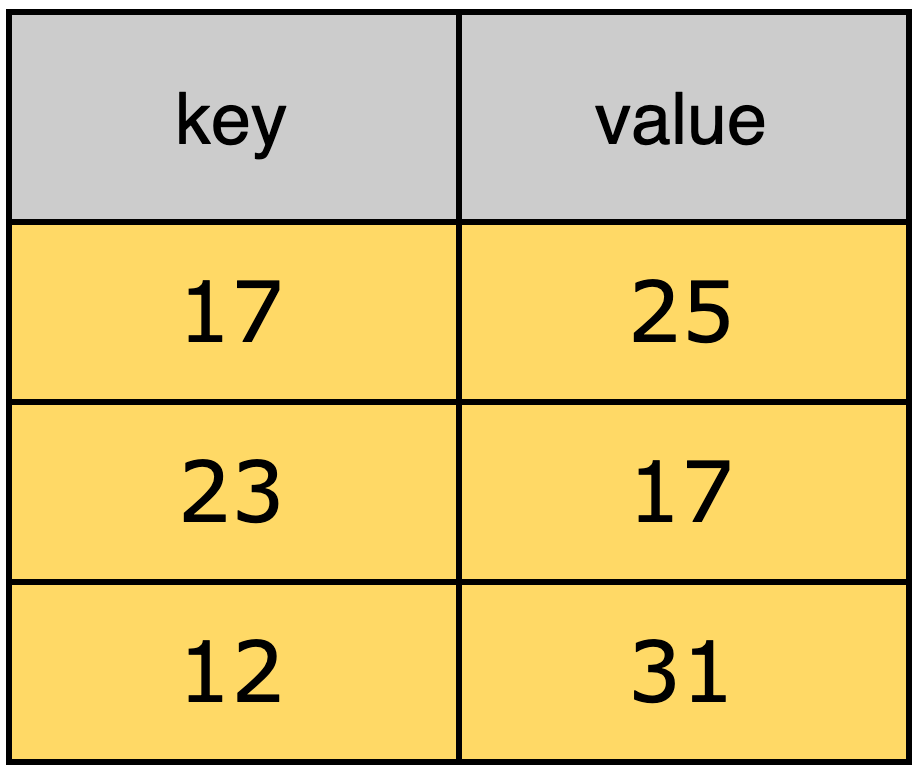
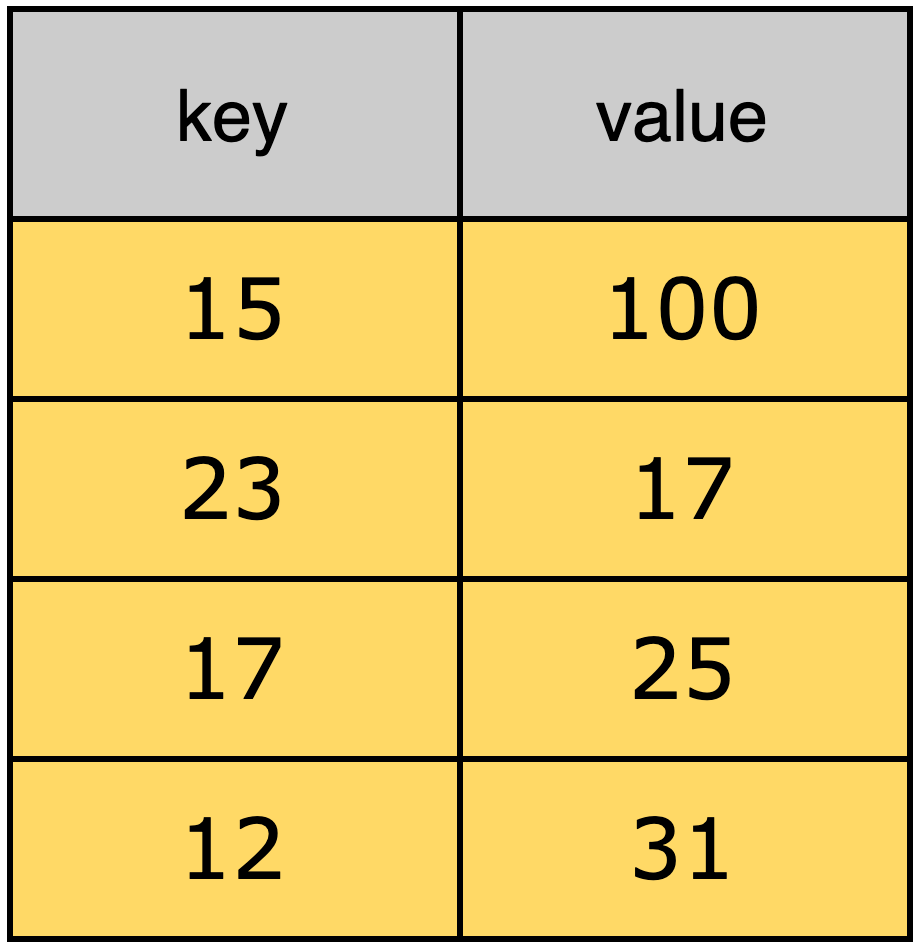
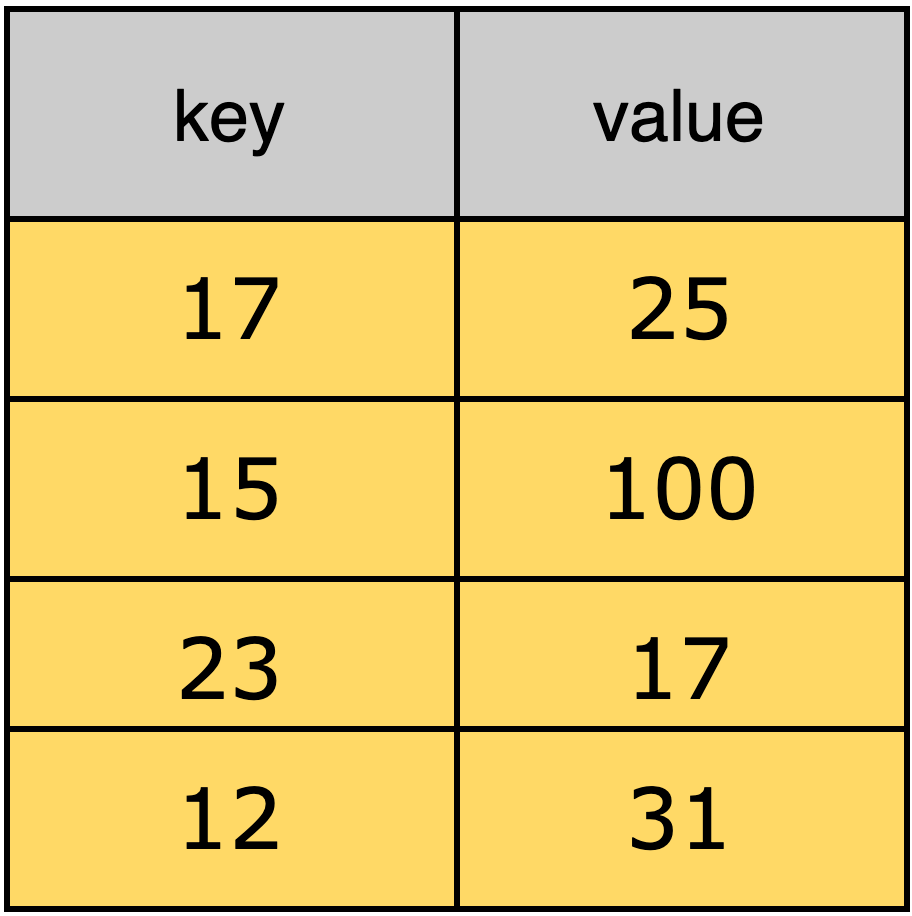
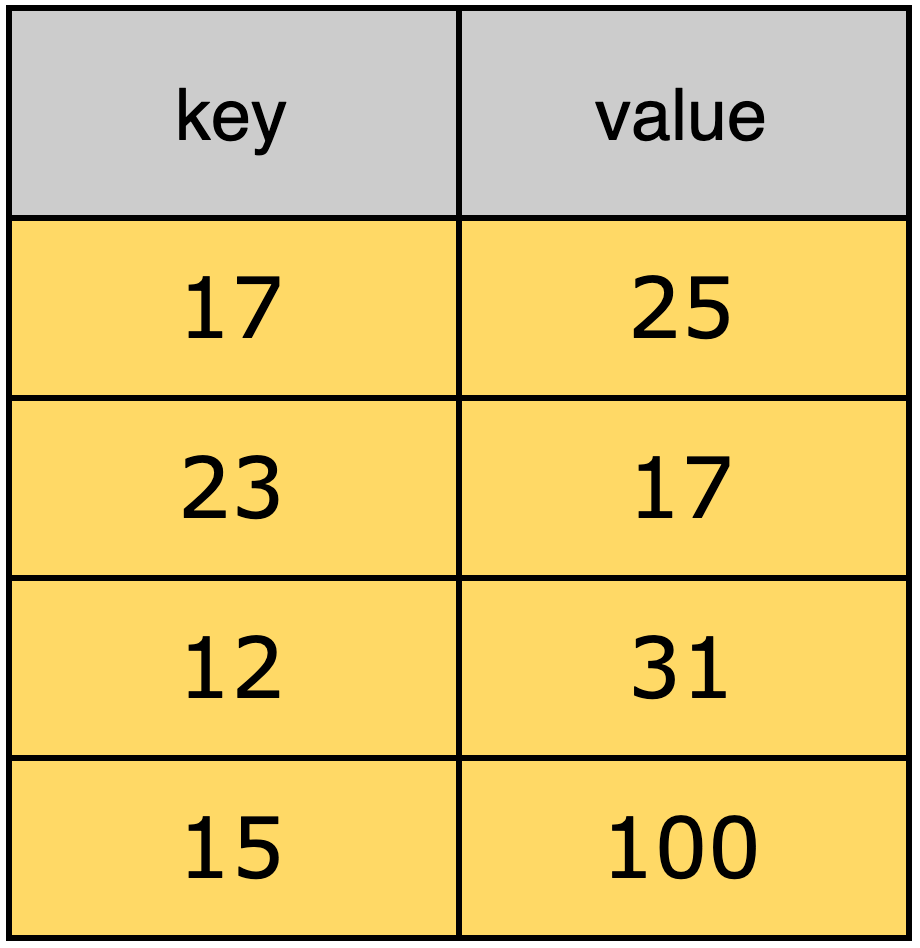
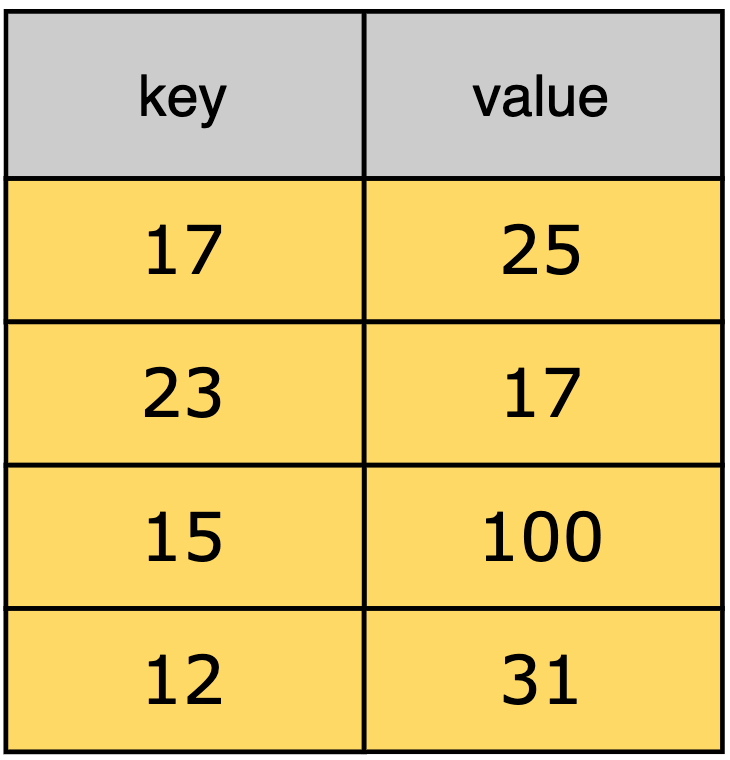
Figure it out!
Try it yourself
Problem: Implement LRU Cache
Statement
Implement an LRU cache class with the following functions:
- Init(capacity): Initializes an LRU cache with the capacity size.
- Set(key, value): Adds a new key-value pair or updates an existing key with a new value.
- Get(key): Returns the value of the key, or if the key does not exist.
If the number of keys has reached the cache capacity, evict the least recently used key and then add the new key.
As caches use relatively expensive, faster memory, they are not designed to store very large data sets. Whenever the cache becomes full, we need to evict some data from it. There are several caching algorithms to implement a cache eviction policy. LRU is a very simple and commonly used algorithm. The core concept of the LRU algorithm is to evict the oldest data from the cache to accommodate more data.
Constraints:
- capacity
- key
- value
- At most calls will be made to Set and Get.