Applications of IoT
The Internet of things (IoT)—a network of interconnected physical objects and devices that can communicate and exchange data with each other over the Internet— has the potential to significantly improve our lives in various ways. Here are some ways in which IoT can enhance our lives.

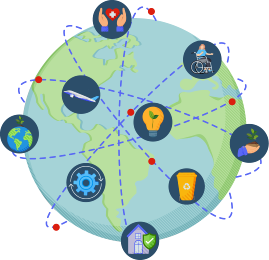
Convenience and automation
IoT devices can automate various tasks, making our lives more convenient. For example, smart thermostats can adjust the temperature in our homes automatically, and smart appliances can start and stop based on our preferences.
Energy efficiency
IoT can help reduce energy consumption and lower utility bills. Smart lighting, heating, and cooling systems can optimize energy usage, and smart meters can provide real-time data on electricity consumption.
IoT enables better integration of renewable energy sources, such as solar panels and wind turbines. Smart inverters and grid management systems use IoT data to balance the supply and demand of electricity, ensuring the efficient use of clean energy.
Healthcare
IoT devices can improve healthcare by enabling remote patient monitoring. Wearable fitness trackers, smartwatches, and medical devices can collect and transmit health data to healthcare professionals for better health management and early disease detection.
Transportation
IoT plays a crucial role in improving transportation systems. Smart traffic management can reduce congestion, while autonomous vehicles and connected cars can enhance safety and efficiency.
Environmental monitoring
IoT sensors can monitor environmental conditions and help with early detection of pollution, wildfires, and other natural disasters. This data can aid in environmental conservation efforts.
Agriculture
IoT devices can optimize agriculture through precision farming. Sensors can monitor soil conditions, weather, and crop health to improve crop yield and reduce resource wastage.
Home security
IoT-enabled security systems, including smart cameras and alarms, provide homeowners with real-time security monitoring and remote control of their homes.


Supply chain management
IoT can enhance supply chain efficiency by providing real-time tracking and monitoring of goods, leading to better inventory management and reduced losses.
Retail and customer experience
IoT technology can enhance the retail experience by enabling smart shelves, personalized marketing, and inventory management. This results in better customer service and satisfaction.
Waste management
Smart waste bins can optimize waste collection routes, reducing costs and environmental impact.
Public safety
IoT sensors can be used in disaster management and public safety applications, helping authorities respond more effectively to emergencies and natural disasters.
Smart cities
IoT can transform urban living by improving infrastructure, transportation, and public services. It can lead to more efficient resource utilization and enhanced quality of life for residents.
Industrial automation
IoT in manufacturing and industry (IoT) can lead to greater efficiency, reduced downtime, and predictive maintenance. This can result in cost savings and increased productivity.
Aid for people with disabilities
IoT devices can be tailored to assist people with disabilities by providing them with greater independence and accessibility.
However, it’s important to note that the widespread adoption of IoT also raises concerns about data privacy, security, and potential misuse. To fully harness the benefits of IoT while mitigating risks, robust security and privacy measures need to be in place, and regulations should address these issues.
What does IoT stand for?
Internet of text
Internet of things
Internet of thoughts
Internet of technology
Free Resources