Yes, C is relatively easy to learn for beginners as it has a straightforward syntax and structure. However, mastering concepts like pointers, memory allocation, and debugging requires consistent practice and problem-solving.
Learn C programming through an adaptive roadmap that adjusts to your level, guiding you from core syntax and memory management to pointers, problem-solving, and advanced performance techniques.
4.7
139 Lessons
2 Projects
15h
Updated 3 months ago
Join 3 million developers at
Join 3 million developers at
LEARNING OBJECTIVES
- Write and debug C programs confidently using debugging and profiling tools.
- Understand low-level concepts such as pointers, memory allocation, and the stack/heap.
- Build coding fluency through hands-on challenges and exercises.
- Solve real-world puzzles that reveal C’s intricacies and power.
- Explore advanced topics including data structures, concurrency, and parallel programming.
Why choose this course?
Master the Language of Performance
In today's tech landscape, understanding C programming is crucial. Without it, developers risk falling behind in performance-critical applications and system-level programming.
The Stakes Are High
Many developers struggle with C's complexities, from manual memory management to pointers. Those who don't master these skills may find themselves unable to tackle advanced programming challenges.
A Tailored Learning Path
This course offers a structured roadmap that adapts to your experience level. With hands-on exercises and practical challenges, you'll build a solid foundation and advance to complex topics like memory management and parallel programming.
Elevate Your Career Today
Join a community of developers who have transformed their skills with this course. Equip yourself with the knowledge to excel in C programming and stand out in the competitive tech industry.
Learning Roadmap
YOUR ROADMAP
1.
Introduction to C Programming
Introduction to C Programming
Discover the historical importance of C programming and its efficiency for performance-driven tasks. Learn to program effectively in C for optimal results.
2.
Data Types in C
Data Types in C
Learn to create programs by mastering data types, using variables, defining constants, and writing effective C statements.
3.
C Operators and C Expressions
C Operators and C Expressions
9 Lessons
9 Lessons
Master C Operators and C Expressions, explore type conversion in C, create custom type names, and apply these concepts in practical programming tasks.
4.
Control Flow in C
Control Flow in C
12 Lessons
12 Lessons
Explore control flow, mastering for loops, switch case, and conditional statements in C with break and continue for seamless logic control.
5.
Functions in C
Functions in C
16 Lessons
16 Lessons
Discover C functions to boost modularity and efficiency, understand the scope of variables in C, and utilize function arguments with practical examples.
6.
Complex Data Types
Complex Data Types
12 Lessons
12 Lessons
Learn to handle complex data using C arrays, command-line arguments, and structures, enhancing your programming capabilities with practical applications.
7.
Stack vs. Heap
Stack vs. Heap
7 Lessons
7 Lessons
Know stack vs. heap concepts to efficiently manage the stack and heap in C, optimizing memory usage in your programs.
8.
Pointers in C
Pointers in C
11 Lessons
11 Lessons
Learn to use pointers in C for dynamic memory allocation, efficient data handling, and seamless interaction between pointers and arrays in C.
9.
C String
C String
8 Lessons
8 Lessons
Explore strings in C, utilize the C standard library functions, and work with arrays of strings through practical exercises.
10.
Input and Output Stream
Input and Output Stream
7 Lessons
7 Lessons
Learn input and output streams in C, work with binary files, explore random access, and apply these concepts through hands-on exercises.
11.
Macros and the C Preprocessor
Macros and the C Preprocessor
7 Lessons
7 Lessons
Learn the basics of the C preprocessor, including #define directives, macros with arguments, and conditional compilation for efficient code management.
12.
Header Files, Compiling, and Linking
Header Files, Compiling, and Linking
6 Lessons
6 Lessons
Organize C programs effectively using header files, understand compiling in C, and streamline workflows with linking in C and efficient Makefile usage.
13.
C Debugger
C Debugger
5 Lessons
5 Lessons
Debug C programs using the GNU debugger GDB, manage breakpoints, and refine your skills to avoid common issues with an efficient C debugger approach.
14.
Code Profiling
Code Profiling
3 Lessons
3 Lessons
Practice using gprof, code profiling, and GCC optimization flags to identify performance bottlenecks and speed up your code effectively.
15.
System I/O and File Descriptors
System I/O and File Descriptors
5 Lessons
5 Lessons
Explore C's I/O functions, file descriptors, and system calls for effective programming.
16.
Interprocess Communication (IPC) in C
Interprocess Communication (IPC) in C
7 Lessons
7 Lessons
Explore interprocess communication methods in C, including pipes, shared memory, and signals.
17.
Parallel Programming in C
Parallel Programming in C
9 Lessons
9 Lessons
Learn how to use parallel programming techniques in C with POSIX threads, OpenMP, and MPI to optimize performance and tackle complex tasks efficiently.
20.
Appendix: Setting Up the Environment
Appendix: Setting Up the Environment
2 Lessons
2 Lessons
Build a foundation in setting up your C programming environment across different operating systems.
Certificate of Completion
Showcase your accomplishment by sharing your certificate of completion.
Complete more lessons to unlock your certificate
Show License and Attributions
Developed by MAANG Engineers
ABOUT THIS COURSE
Learning C programming remains one of the most valuable investments you can make as a developer. It’s the language that sits closest to the machine, powering operating systems, embedded systems, and performance-critical applications. More importantly, it shapes how you understand memory, execution, and the fundamentals behind modern programming languages.
I designed this roadmap after seeing how differently people approach learning C programming. Some jump straight into syntax, others get stuck on pointers, and many never connect the pieces into a cohesive understanding. The goal here is to give you a structured, adaptive path that meets you where you are and pushes you forward in the right direction.
The roadmap adjusts based on your experience. If you’re starting fresh, you’ll build a strong foundation in C. programming fundamentals like control flow, functions, and problem-solving. If you already know the basics, you’ll go deeper into memory management, pointers, and how programs interact with hardware. As you progress, you’ll work through hands-on exercises, practical challenges, and advanced topics like structs, enums, and performance-focused programming.
By the end, you’ll understand how software really works under the hood, and that perspective will carry over into every language and system you work with.
ABOUT THE AUTHOR

Fahim ul Haq
I'm a co-founder of Educative. Before Educative, I've worked at Facebook and Microsoft.
Trusted by 3 million developers working at companies
A
Anthony Walker
@_webarchitect_
E
Evan Dunbar
ML Engineer
S
Software Developer
Carlos Matias La Borde
S
Souvik Kundu
Front-end Developer
V
Vinay Krishnaiah
Software Developer
Built for 10x Developers
No Passive Learning
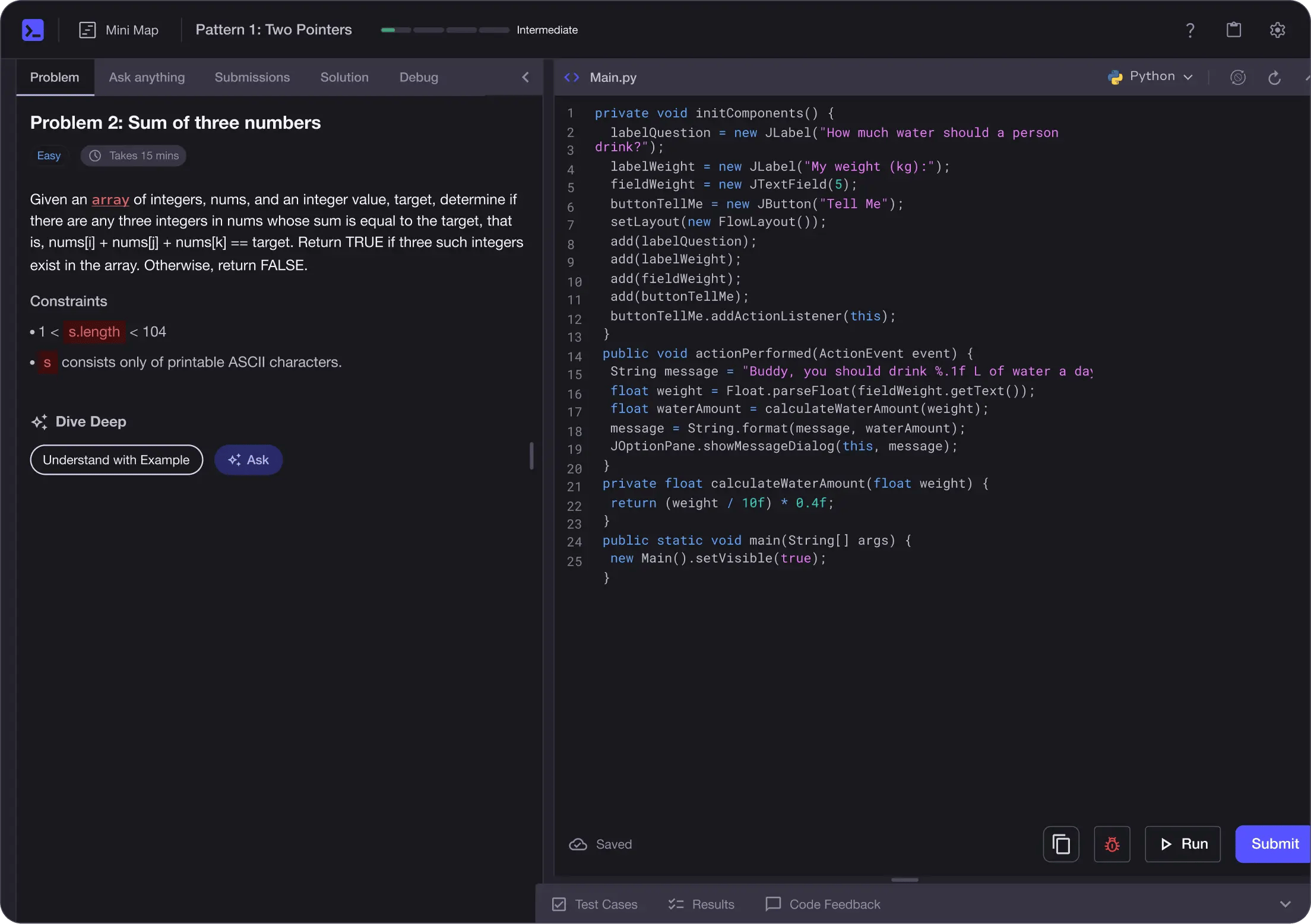
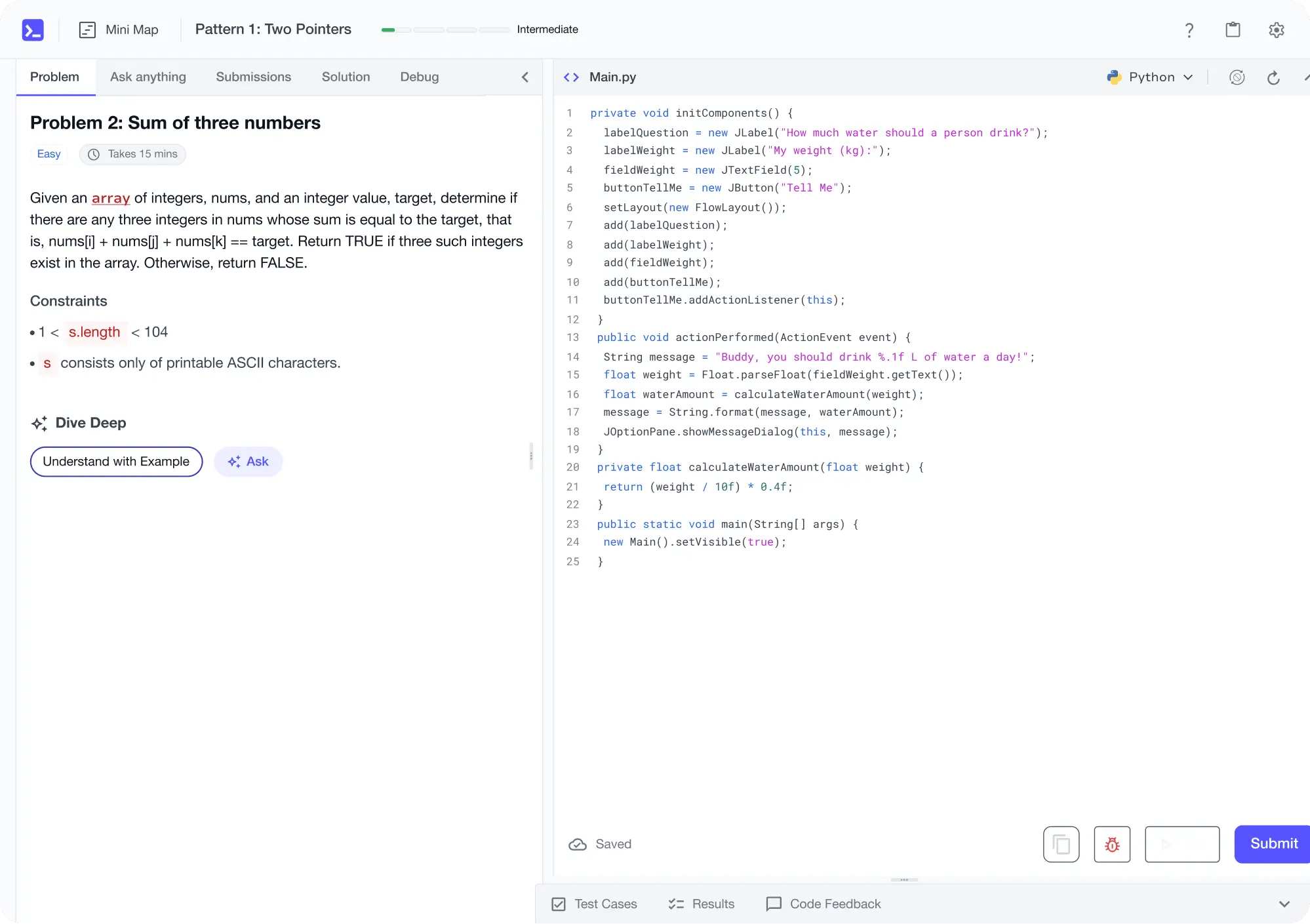
Learn by building with project-based lessons and in-browser code editor
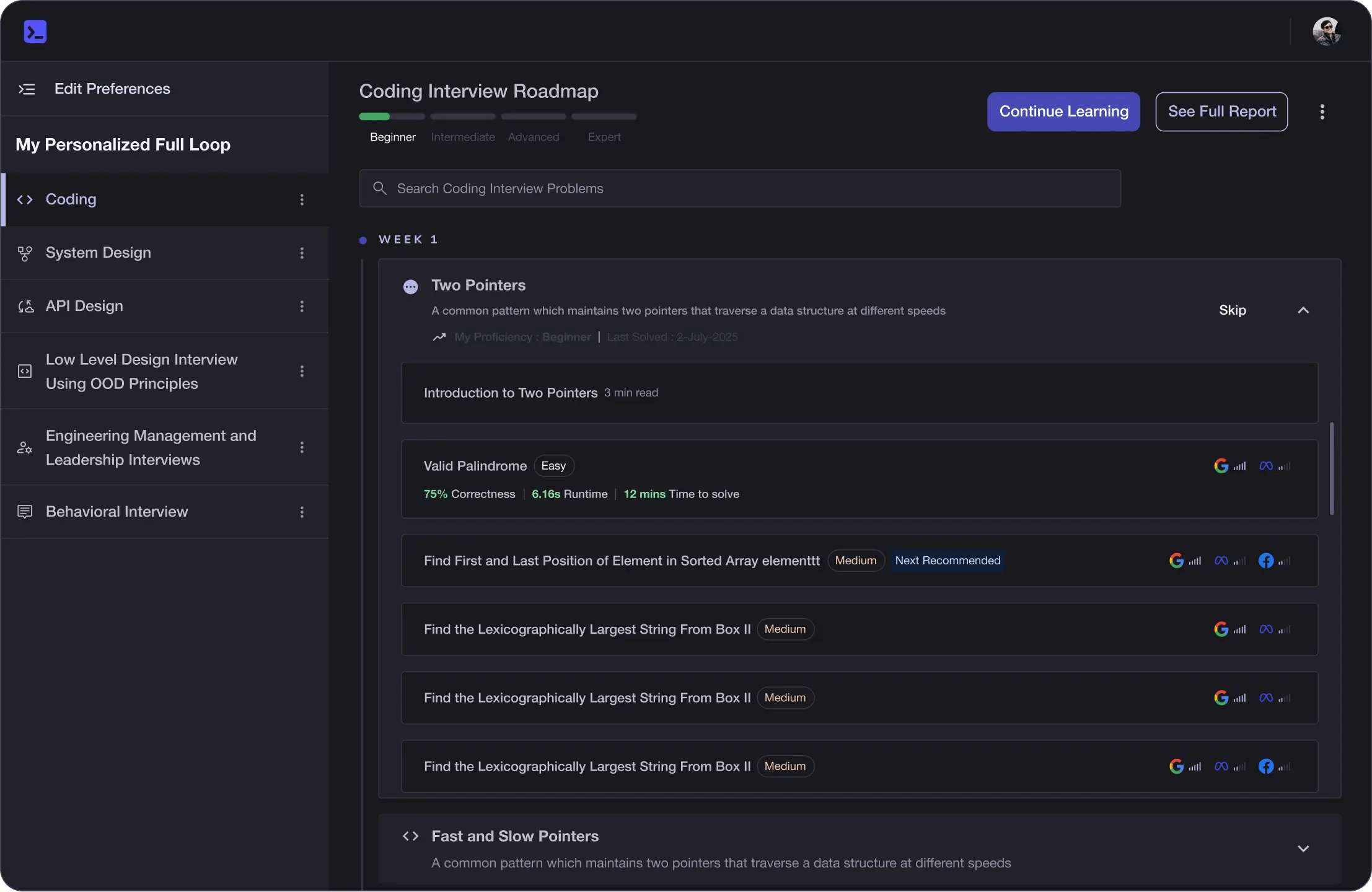
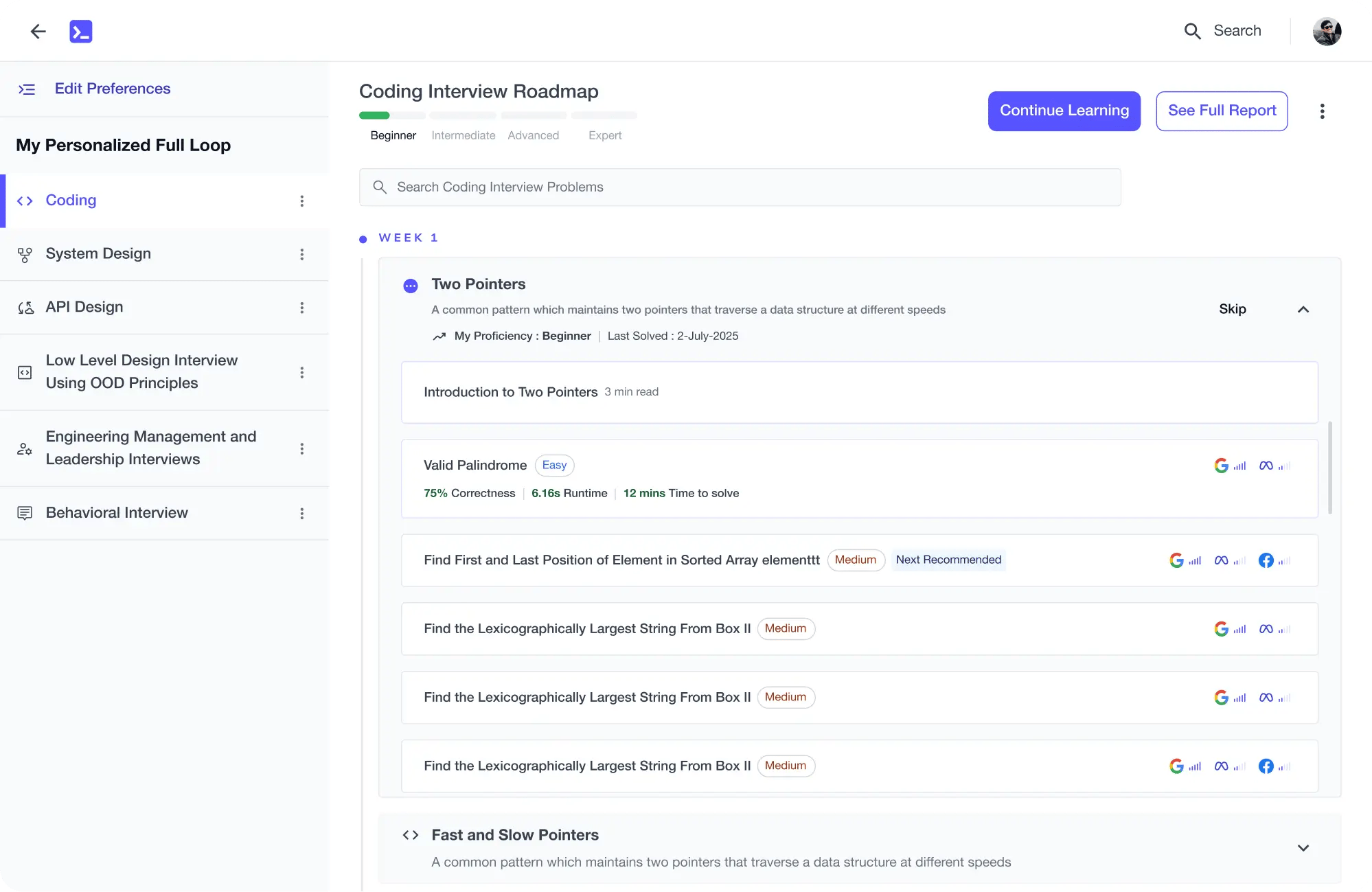
Personalized Roadmaps
The platform adapts to your strengths & skills gaps as you go
Future-proof Your Career
Get hands-on with in-demand skills
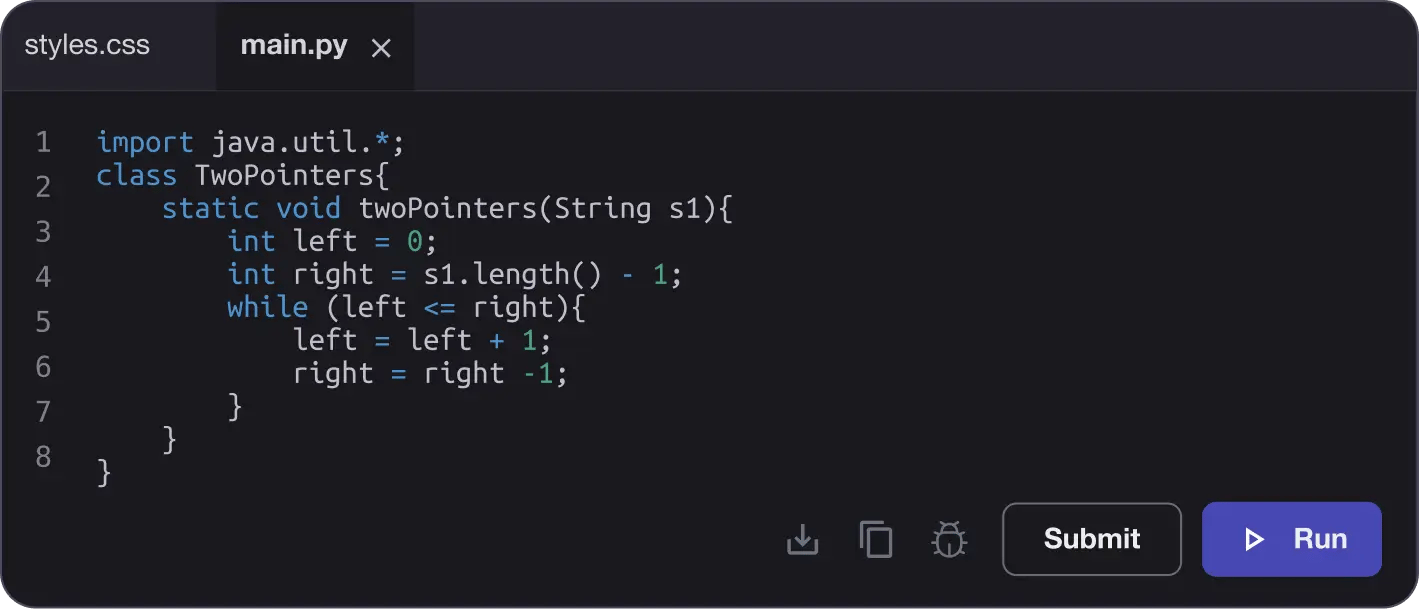
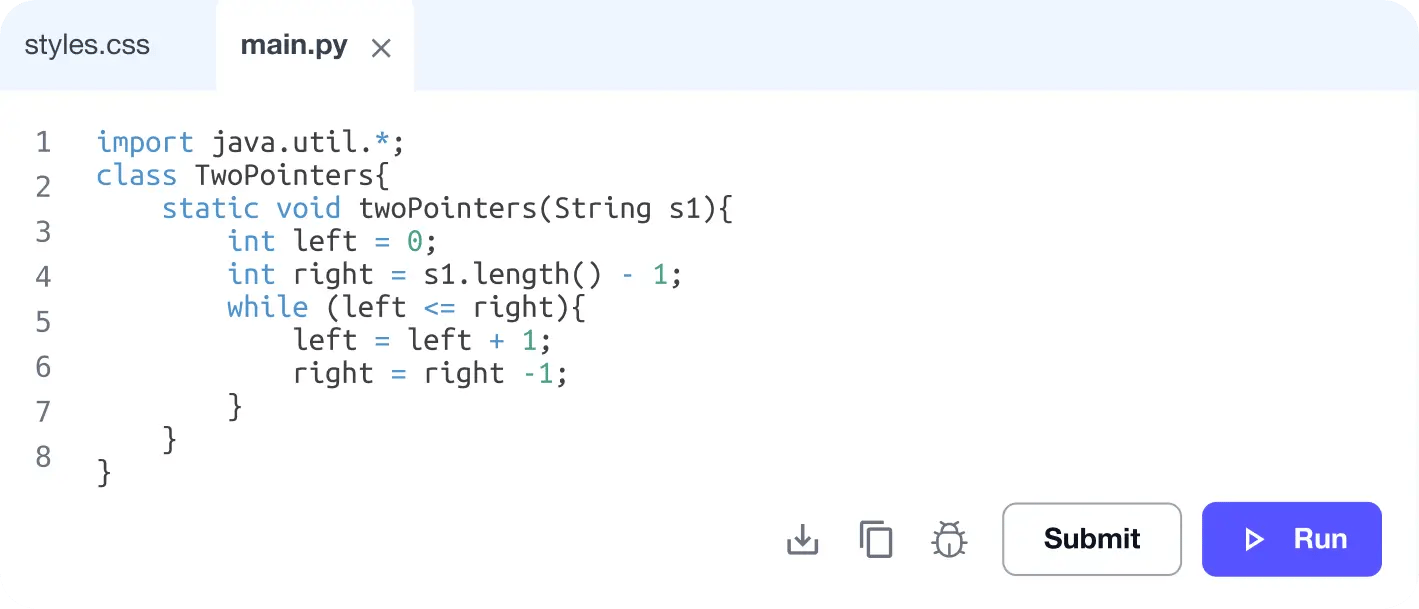
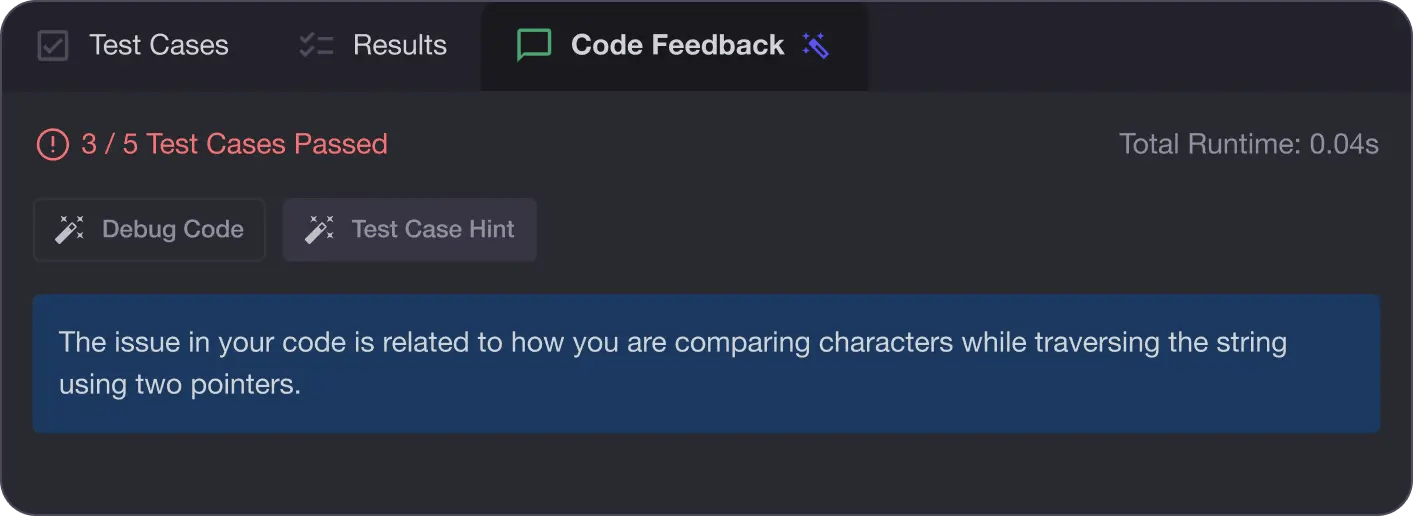
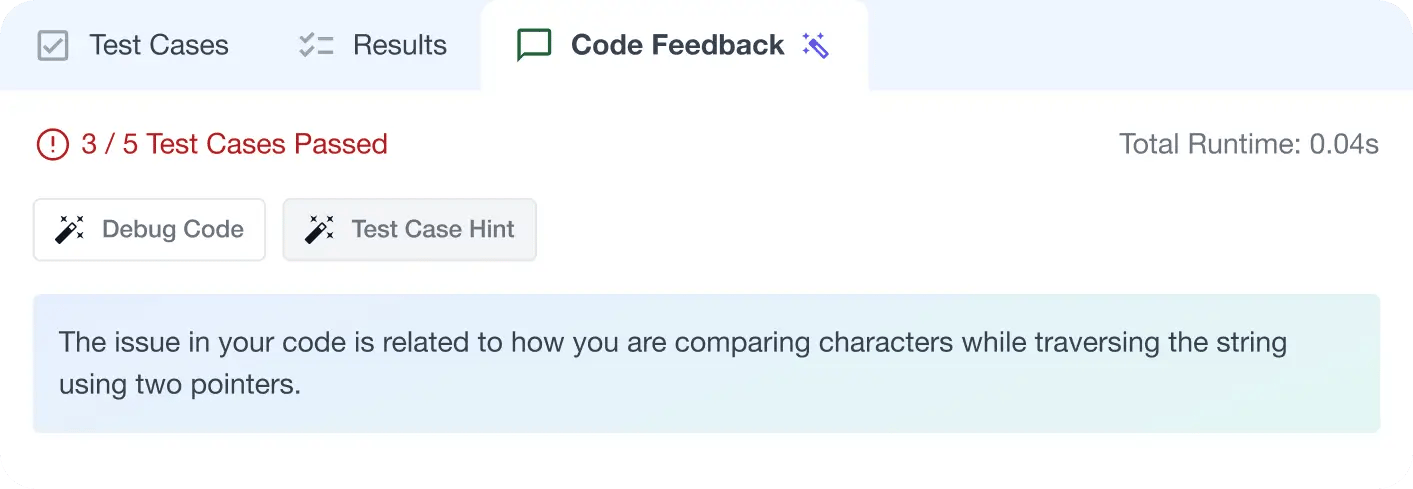
AI Code Mentor
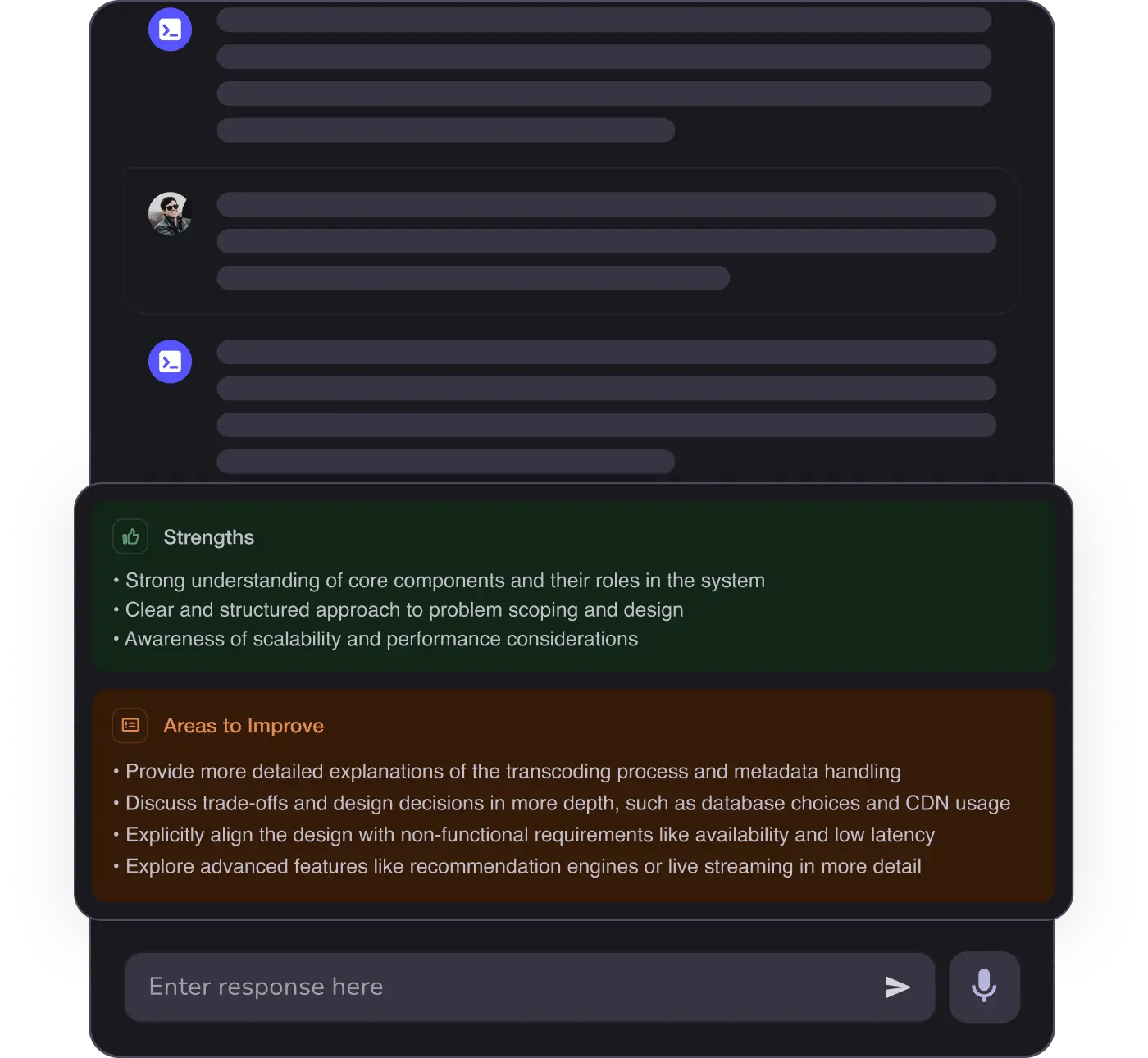
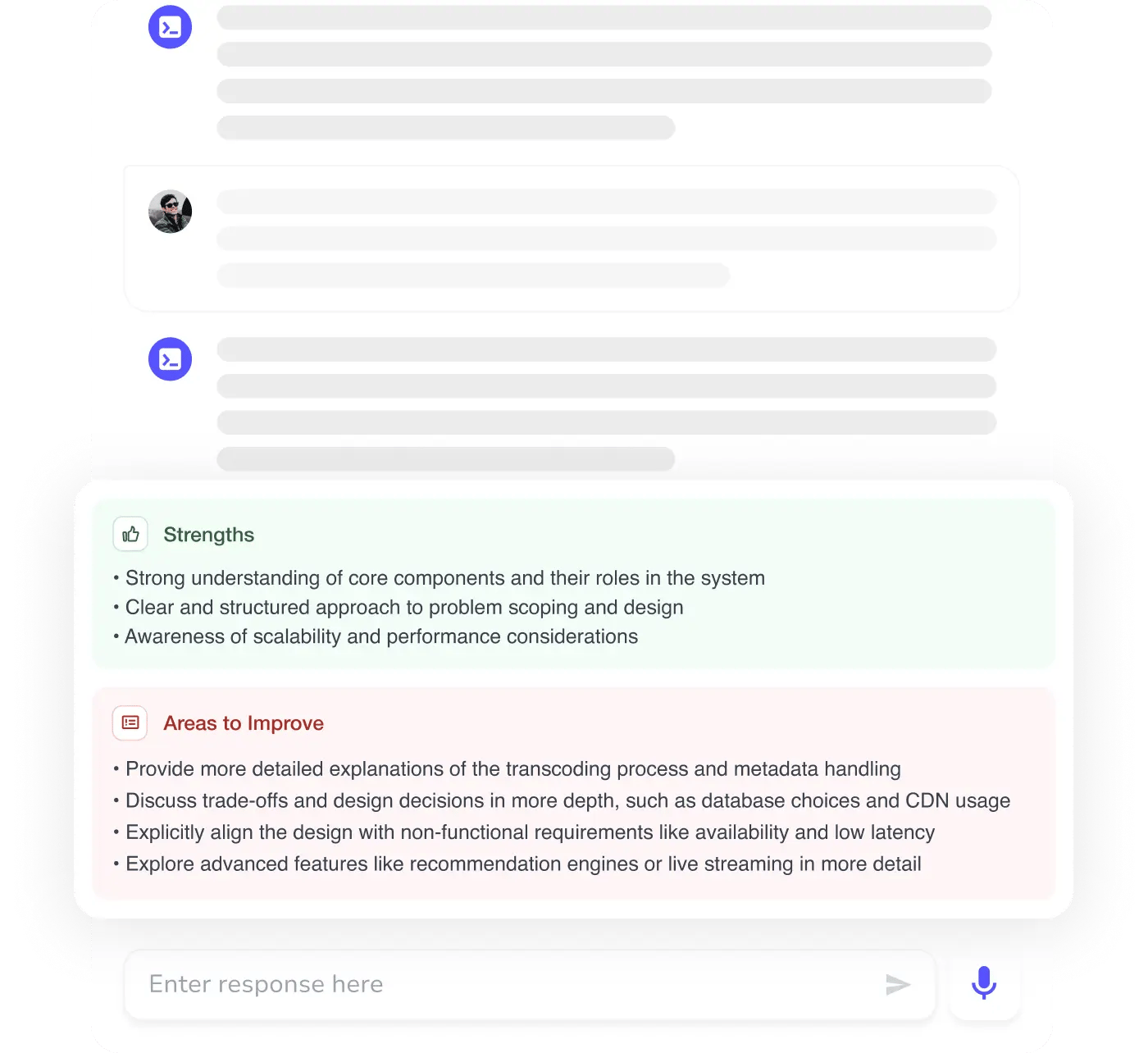
Write better code with AI feedback, smart debugging, and "Ask AI"
MAANG+ Interview Prep
AI Mock Interviews simulate every technical loop at top companies