HomeCoursesLearn SQL
AI-powered learning
Save

Learn SQL

This hands-on course offers an introduction to SQL for absolute beginners, exploring how to ask questions, organize information, and retrieve instant answers from a database.

4.5
81 Lessons
10h
Updated this week
Join 2.9 million developers at
LEARNING OBJECTIVES
  • An understanding of how to query data from tables
  • The ability to filter, sort, and group information
  • The ability to create and modify tables
  • Hands-on experience using JOINs and subqueries to connect data
  • Experience building SQL projects supported by AI, culminating in a portfolio-ready capstone

Learning Roadmap

Skip what you already know, focus on what's missing
Take a 1-minute assessment to get your tailored learning path for this course
YOUR ROADMAP

3.

Create Your Own World

Create Your Own World

13 Lessons

13 Lessons

Learn how to build, insert, and modify your own tables.

4.

Connect the Dots

Connect the Dots

14 Lessons

14 Lessons

Work with multiple tables like a real-world dataset.

5.

Learning SQL in the Age of AI

Learning SQL in the Age of AI

6 Lessons

6 Lessons

This chapter teaches you how to work with AI to ask better questions, plan smarter SQL analyses, and turn query results into real insight.
Certificate of Completion
Showcase your accomplishment by sharing your certificate of completion.
Author NameLearn SQL
Developed by MAANG Engineers
Every Educative lesson is designed by a team of ex-MAANG software engineers and PhD computer science educators, and developed in consultation with developers and data scientists working at Meta, Google, and more. Our mission is to get you hands-on with the necessary skills to stay ahead in a constantly changing industry. No video, no fluff. Just interactive, project-based learning with personalized feedback that adapts to your goals and experience.
ABOUT THIS COURSE
Learn SQL basics with our beginner-friendly guide to understanding the language of data. You’ll start by learning to talk to a database: asking questions and getting meaningful answers using SQL. With AI-assisted guidance, you’ll explore the essentials—selecting columns, filtering rows, sorting results, and applying logic to uncover patterns in raw data. As your questions become more precise, you’ll explore grouping, aggregation, and subqueries to extract deeper insights. Then you’ll shift gears and learn how to create tables, insert and edit data, and design simple relational schemas. Finally, you’ll tackle real-world scenarios using joins, building multi-table queries, and designing interactive dashboards. You’ll complete hands-on challenges and projects like a student tracker and a game leaderboard. No prior experience with databases or programming is needed—this course is your friendly introduction to the language of data.

Trusted by 2.9 million developers working at companies

These are high-quality courses. Trust me the price is worth it for the content quality. Educative came at the right time in my career. I'm understanding topics better than with any book or online video tutorial I've done. Truly made for developers. Thanks

A

Anthony Walker

@_webarchitect_

Just finished my first full #ML course: Machine learning for Software Engineers from Educative, Inc. ... Highly recommend!

E

Evan Dunbar

ML Engineer

You guys are the gold standard of crash-courses... Narrow enough that it doesn't need years of study or a full blown book to get the gist, but broad enough that an afternoon of Googling doesn't cut it.

S

Software Developer

Carlos Matias La Borde

I spend my days and nights on Educative. It is indispensable. It is such a unique and reader-friendly site

S

Souvik Kundu

Front-end Developer

Your courses are simply awesome, the depth they go into and the breadth of coverage is so good that I don't have to refer to 10 different websites looking for interview topics and content.

V

Vinay Krishnaiah

Software Developer

Built for 10x Developers

No Passive Learning
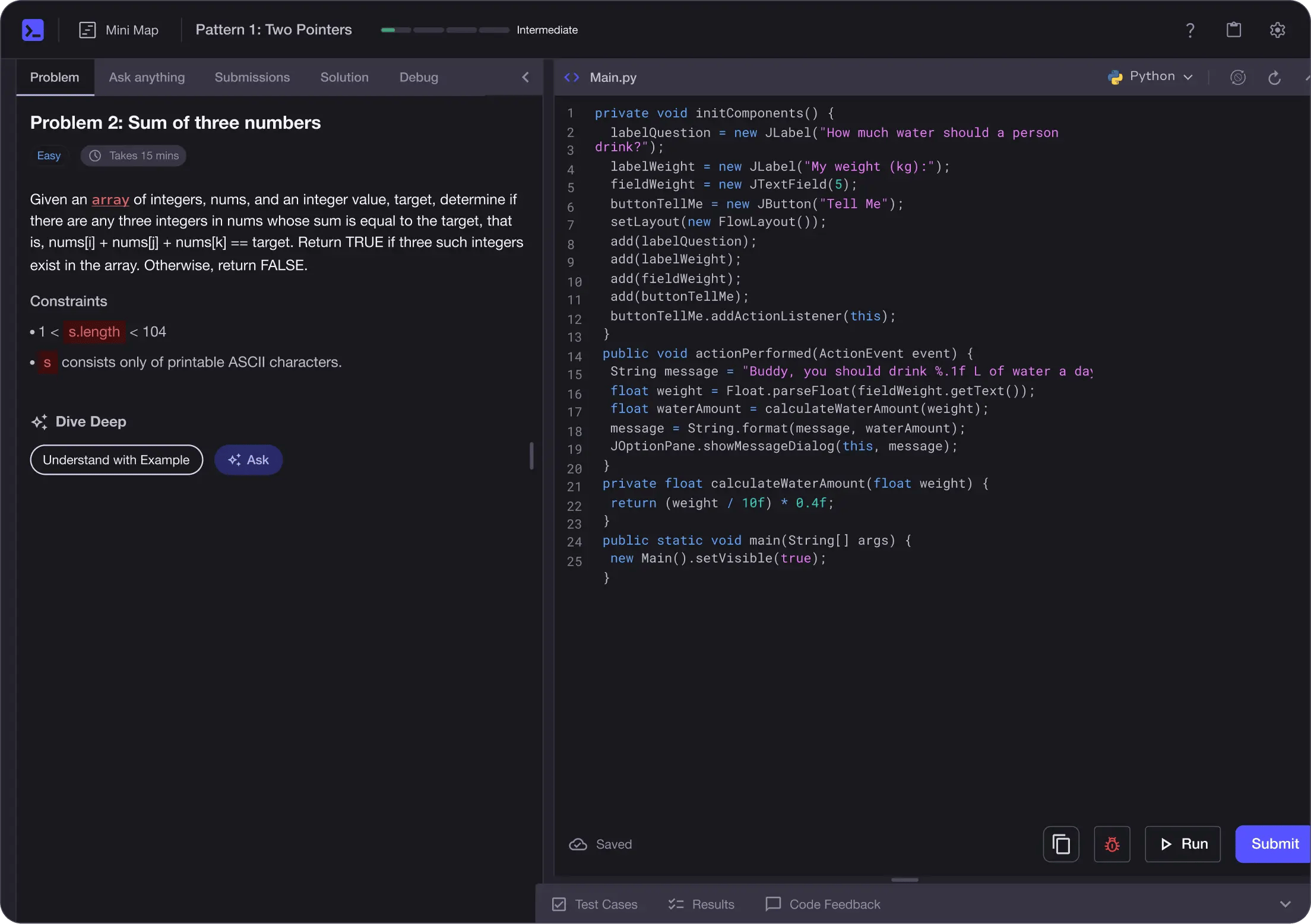
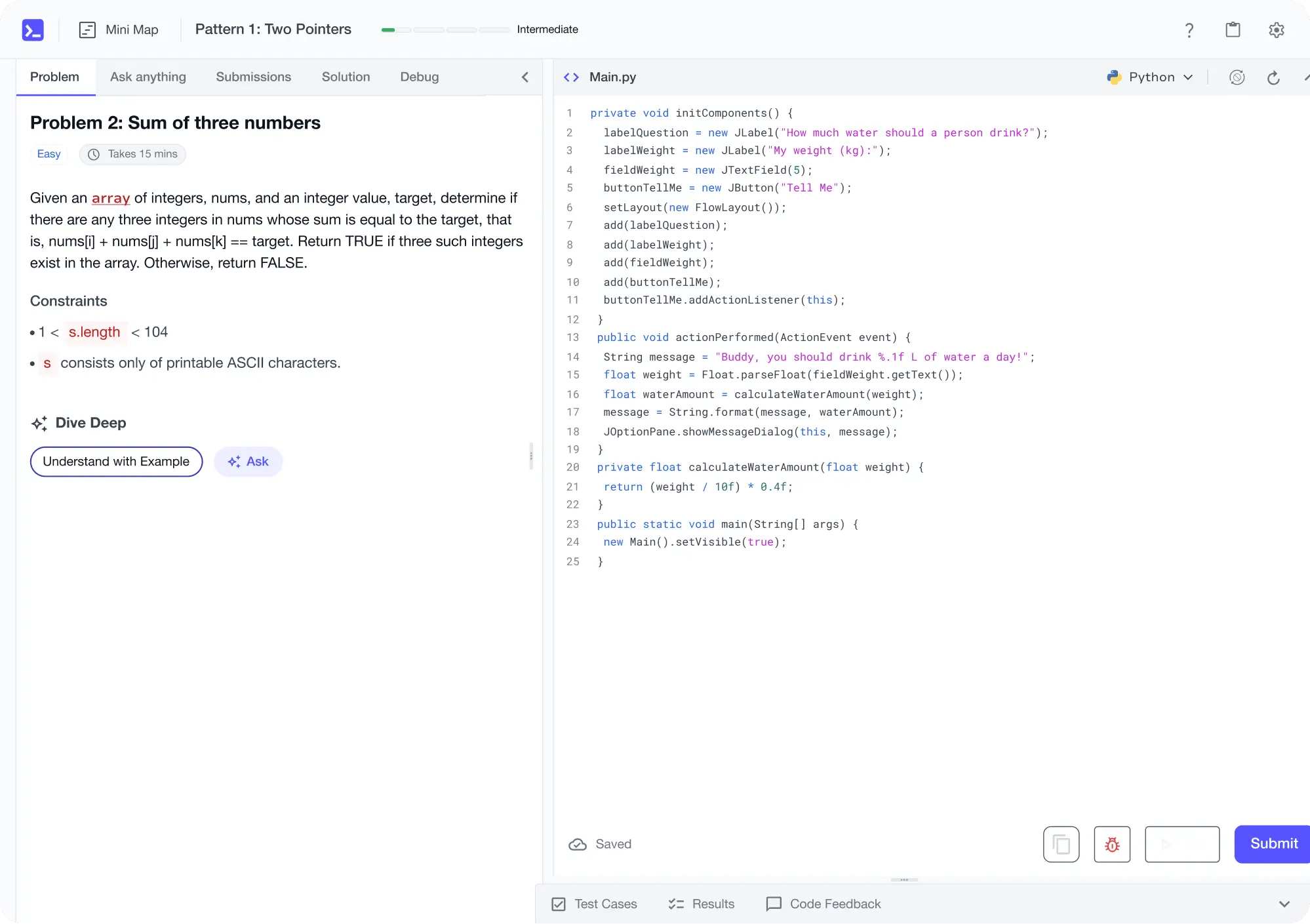
Learn by building with project-based lessons and in-browser code editor
Learn by Doing
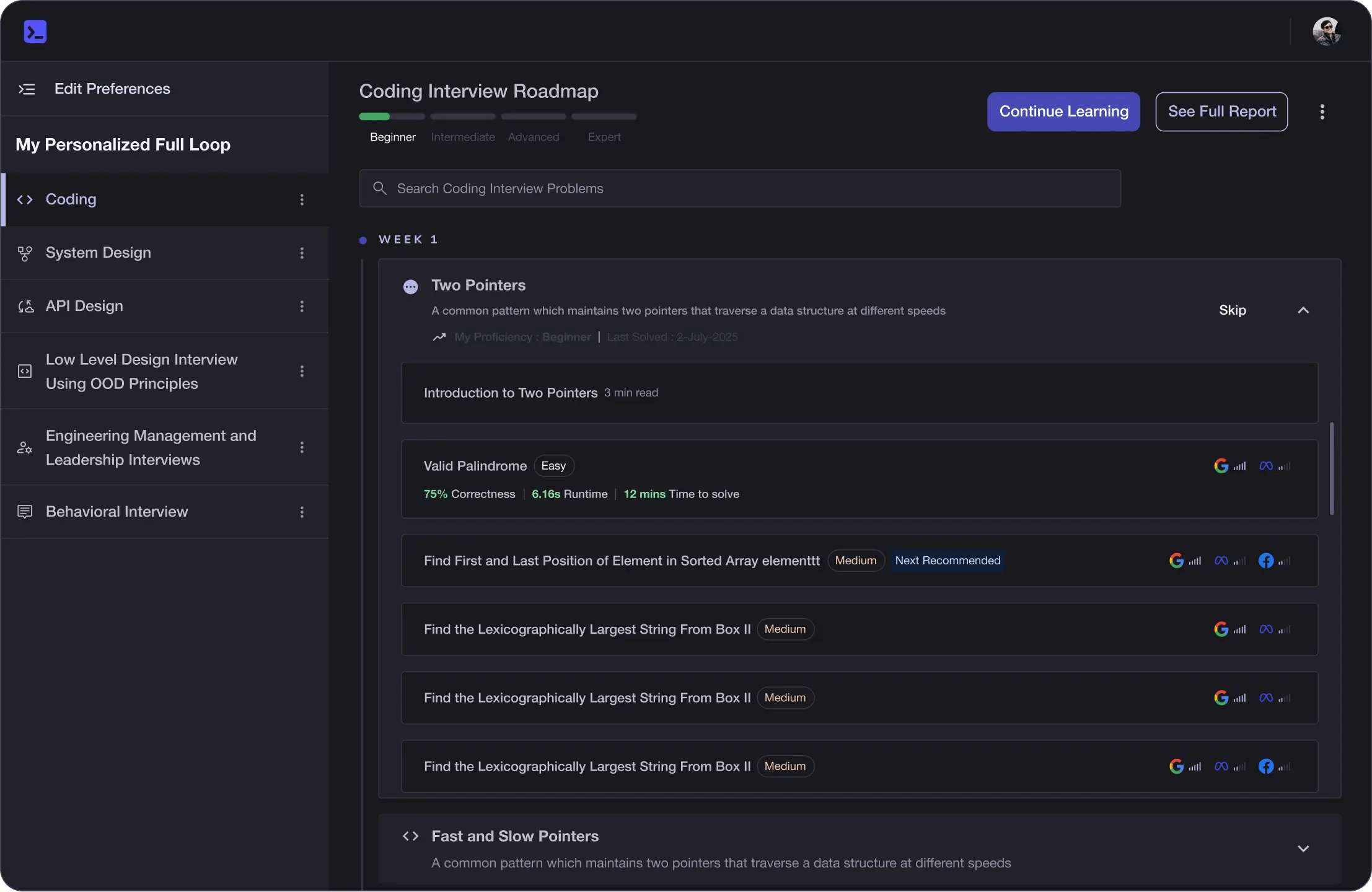
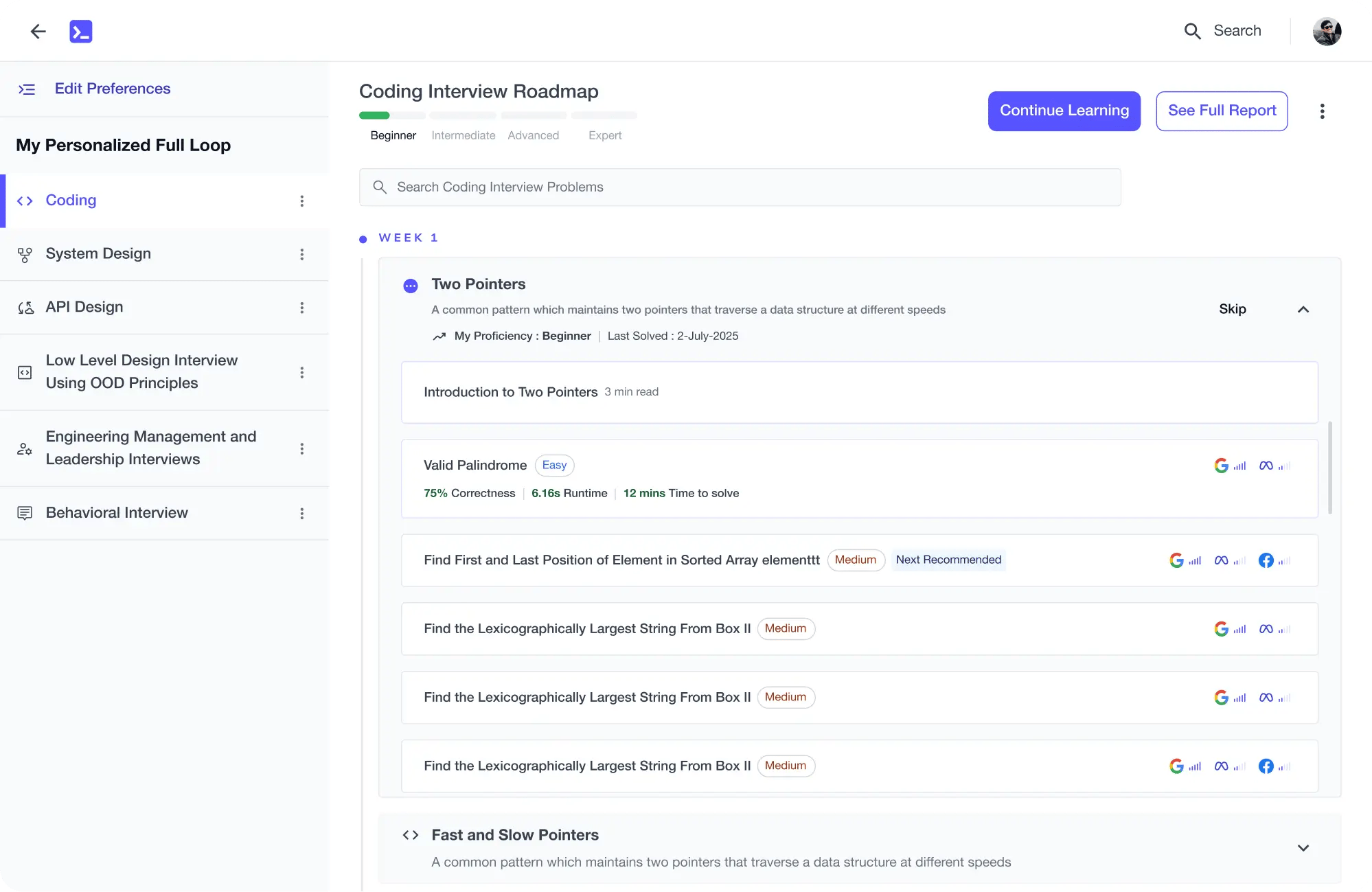
Personalized Roadmaps
The platform adapts to your strengths & skills gaps as you go
Learn by Doing
Future-proof Your Career
Get hands-on with in-demand skills
Learn by Doing
AI Code Mentor
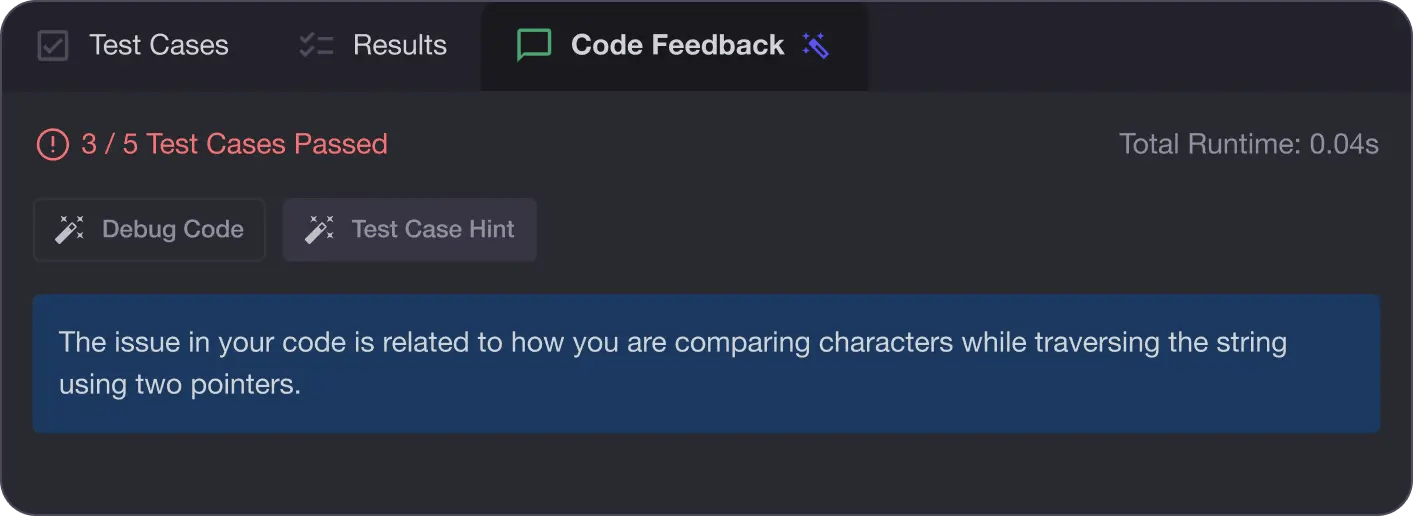
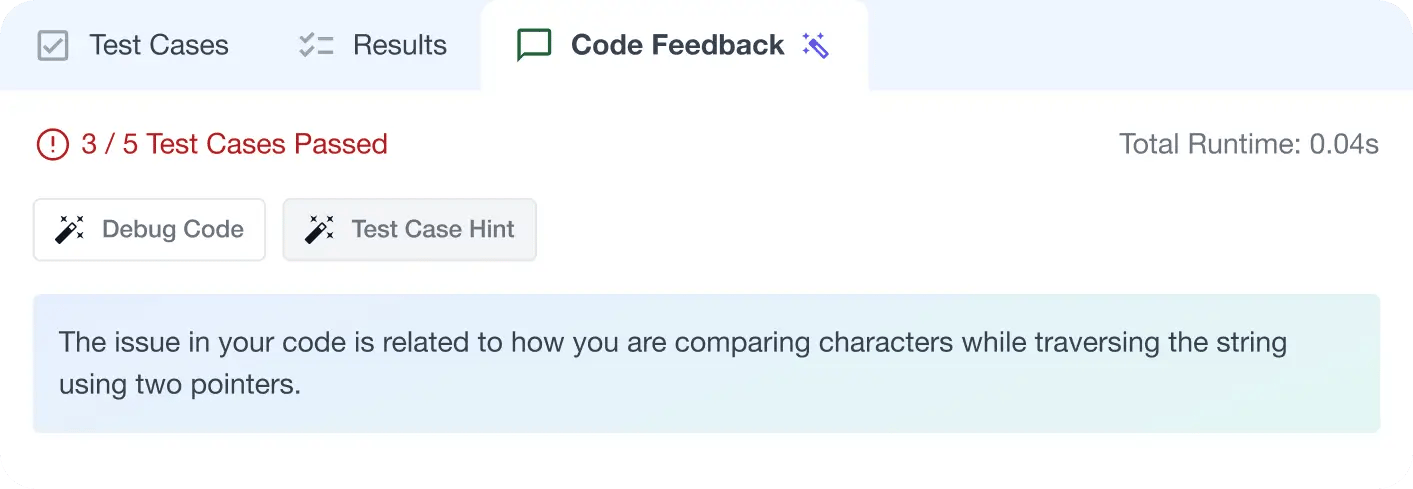
Write better code with AI feedback, smart debugging, and "Ask AI"
Learn by Doing
Learn by Doing
MAANG+ Interview Prep
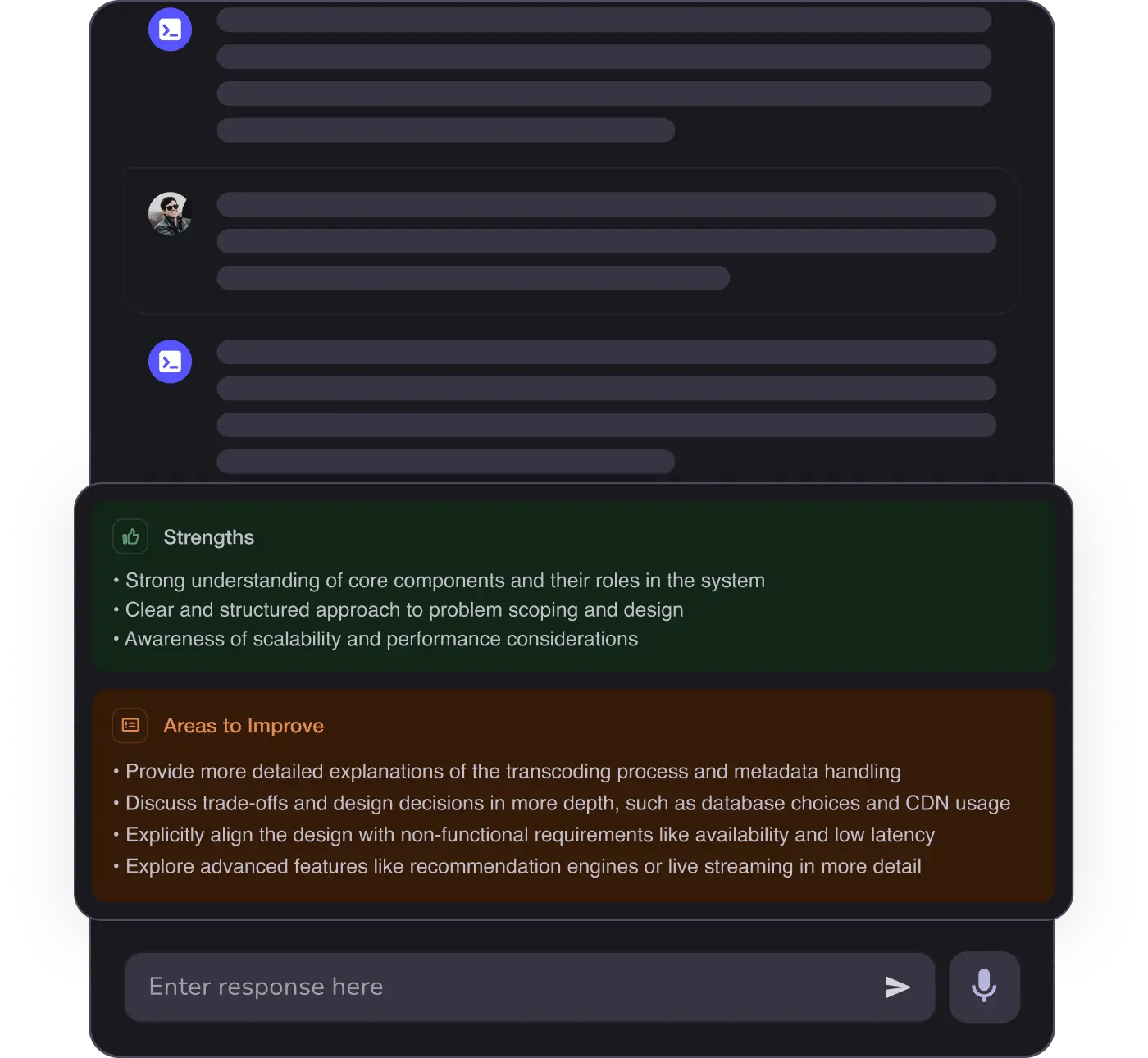
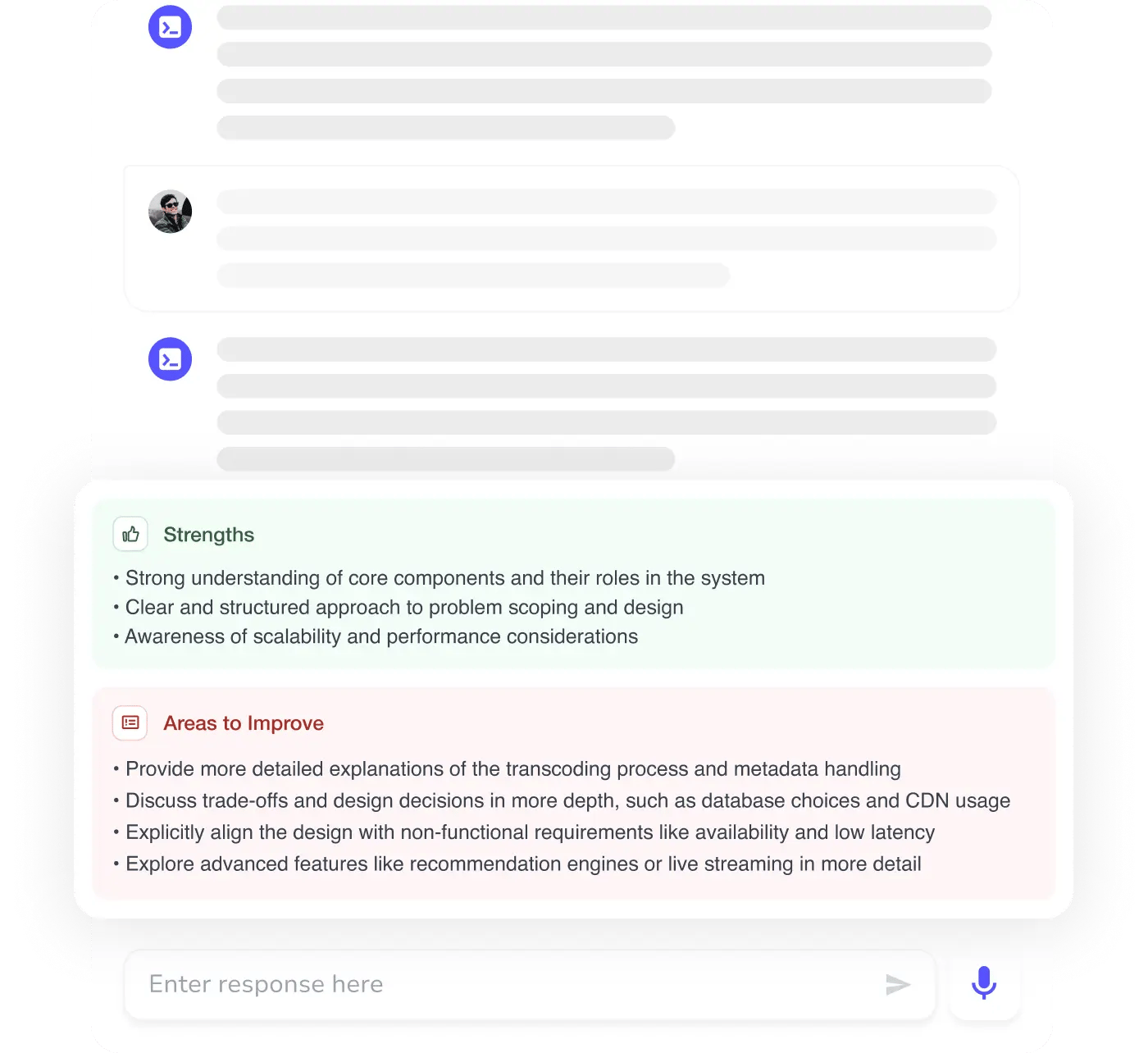
AI Mock Interviews simulate every technical loop at top companies
Learn by Doing

Free Resources

FOR TEAMS

Interested in this course for your business or team?

Unlock this course (and 1,000+ more) for your entire org with DevPath

Frequently Asked Questions

How to learn SQL?

Here are the steps to start learning SQL:

  • Begin with basic SQL commands (SELECT, JOIN, WHERE).
  • Learn to filter and sort data using WHERE and ORDER BY.
  • Study JOINs to combine tables.
  • Practice with aggregate functions (COUNT, AVG, SUM).
  • Use online SQL platforms (e.g., SQLBolt, LeetCode) for hands-on practice.

How long does it take to learn SQL?

Learning SQL basics can take 1–2 weeks with consistent practice. To become proficient enough for practical applications, expect 1–3 months, depending on prior experience.

Is SQL hard to learn?

SQL is generally considered easy to learn, especially for beginners, because its syntax is straightforward and similar to natural language. With regular practice, most people find it manageable.

Can I teach myself SQL?

Yes, SQL is self-teachable with the help of online resources, tutorials, and practice platforms. Many people successfully learn SQL independently and apply it in real-world projects.

Is SQL easier than Python?

For most beginners, SQL is easier than Python because of its simpler syntax and specific use cases for database queries. Python covers broader programming concepts, which can be more complex for new learners.

How to learn SQL fast?

To learn SQL quickly:

  • Focus on essential commands (SELECT, JOIN, WHERE).
  • Use interactive online tutorials to practice immediately.
  • Work on sample databases to understand data relations.
  • Set up a small project to apply what you learn practically.