AI-powered learning
Trending
Save this course
Machine Learning Security: Threats, Attacks, and Evaluation
Gain insights into analyzing, defending, and evaluating ML systems against adversarial threats. Delve into threat models, metrics, and research-focused evaluation to ensure robust ML security.
42 Lessons
5h
Updated today
Join 3.1 million developers at
Join 3.1 million developers at
LEARNING OBJECTIVES
- Draw a system boundary around an ML pipeline and build a structured threat model naming assets, attacker goals, access, and constraints.
- Distinguish ordinary error and distribution shift from deliberate poisoning, backdoors, and evasion attacks.
- Evaluate extraction and privacy risk, including how API design choices change what an attacker can learn.
- Map the attack surface unique to LLM and agentic systems, including prompt injection and supply chain risk.
- Recognize when a defense only appears effective, such as through gradient masking, versus when it actually holds
- Evaluate ML security research and produce an integrated threat model, attack map, and evaluation plan.
Why choose this course?
The Hidden Dangers of ML Systems
As machine learning becomes integral to decision-making, the fear of unseen vulnerabilities looms large. A single misclassification can lead to dire consequences, jeopardizing trust and security.
Why Traditional Security Falls Short
Many developers struggle to grasp the unique threats posed by ML systems. Without a solid understanding of these risks, they may inadvertently expose their models to adversarial attacks, leading to catastrophic failures.
Master ML Security with Proven Strategies
This course equips you with a robust framework for identifying and mitigating threats in ML systems. Through practical lessons, you'll learn to model security risks, evaluate defenses, and apply effective threat modeling techniques.
Elevate Your Expertise Today
Join a community of forward-thinking professionals who are mastering ML security. Equip yourself with the skills to safeguard your systems and advance your career in this critical field.
Learning Roadmap
1.
Getting Started
Getting Started
Master foundational ML security concepts, focusing on attacks and defenses.
2.
ML Systems, Security Objectives, and Attack Surfaces
ML Systems, Security Objectives, and Attack Surfaces
Master security strategies for machine learning systems against adversarial threats.
3.
Threat Modeling for ML Security
Threat Modeling for ML Security
4 Lessons
4 Lessons
Explore structured threat modeling for enhancing machine learning security against various attackers.
4.
Training-Time Attacks: Poisoning and Backdoors
Training-Time Attacks: Poisoning and Backdoors
7 Lessons
7 Lessons
Explore various training-time attacks on machine learning models and effective defenses.
5.
Inference-Time Attacks: Adversarial Examples and Evasion
Inference-Time Attacks: Adversarial Examples and Evasion
4 Lessons
4 Lessons
Explore decision boundaries, evasion attacks, and accuracy metrics in machine learning security.
6.
Confidentiality and Privacy Attacks: Extraction and Membership Inference
Confidentiality and Privacy Attacks: Extraction and Membership Inference
4 Lessons
4 Lessons
Explore model extraction risks, API output impacts, and membership inference in machine learning security.
7.
LLM, Agentic, and Supply Chain Security
LLM, Agentic, and Supply Chain Security
5 Lessons
5 Lessons
Explore security vulnerabilities in machine learning, focusing on prompt injection and supply chain risks.
8.
Defenses and Mitigations
Defenses and Mitigations
5 Lessons
5 Lessons
Explore machine learning defenses, focusing on robustness, data controls, and risk management.
9.
Evaluating and Conducting ML Security Research
Evaluating and Conducting ML Security Research
6 Lessons
6 Lessons
Master threat modeling and evaluation metrics for robust machine learning security.
Certificate of Completion
Showcase your accomplishment by sharing your certificate of completion.
Complete more lessons to unlock your certificate
Developed by MAANG Engineers
ABOUT THIS COURSE
Machine learning systems fail in ways that traditional security training doesn't prepare you for. No packet is intercepted, no perimeter is breached, and no credential is stolen. An attacker sends a legitimate request through a public interface, and a model trusted to make the right decision makes the wrong one. This course teaches you to recognize, model, and evaluate that entire class of failure.
I built this course from my background as a published researcher in intelligent computing, with years spent working with neural networks and adaptive AI systems. As VP of Technical Content at Educative, I've seen that teams rarely struggle to build a model that performs well on a benchmark. They struggle to define what an attacker can and can't touch, and what evidence would actually prove a security claim true. Vague labels like "strong attacker" and unexamined robustness claims fill that gap, and a researcher's habit of reading every claim skeptically is the fix.
You'll build a working mental model for ML security from the ground up: what "attack" means when nothing is intercepted, how to construct a rigorous threat model, and how to read a robustness claim, a defense proposal, or a published paper with an evidence-first eye. The scope ranges from a single misclassified image to an LLM agent tricked into taking a real-world action it was never asked for.
By the end, you'll be able to look at any ML-powered system, whether a classifier, a RAG pipeline, or an LLM agent with tool access, and identify exactly where its trust boundaries are and what evidence would be needed to prove it secure.
ABOUT THE AUTHOR
Khayyam Hashmi
Computer scientist and Generative AI and Machine Learning specialist. VP of Technical Content @ educative.io.
Trusted by 3.1 million developers working at companies
A
Anthony Walker
@_webarchitect_
E
Evan Dunbar
ML Engineer
S
Software Developer
Carlos Matias La Borde
S
Souvik Kundu
Front-end Developer
V
Vinay Krishnaiah
Software Developer
Built for 10x Developers
No Passive Learning
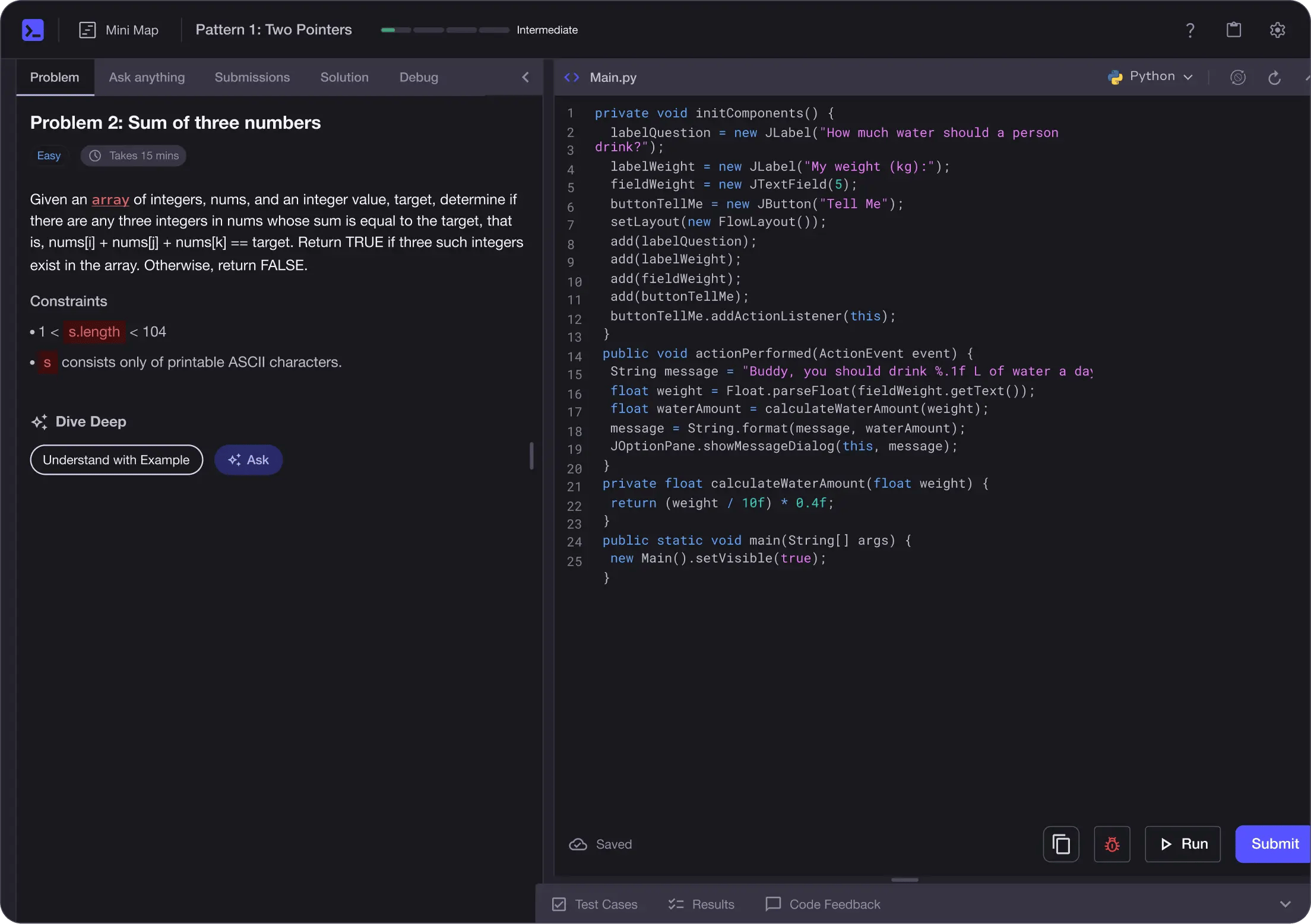
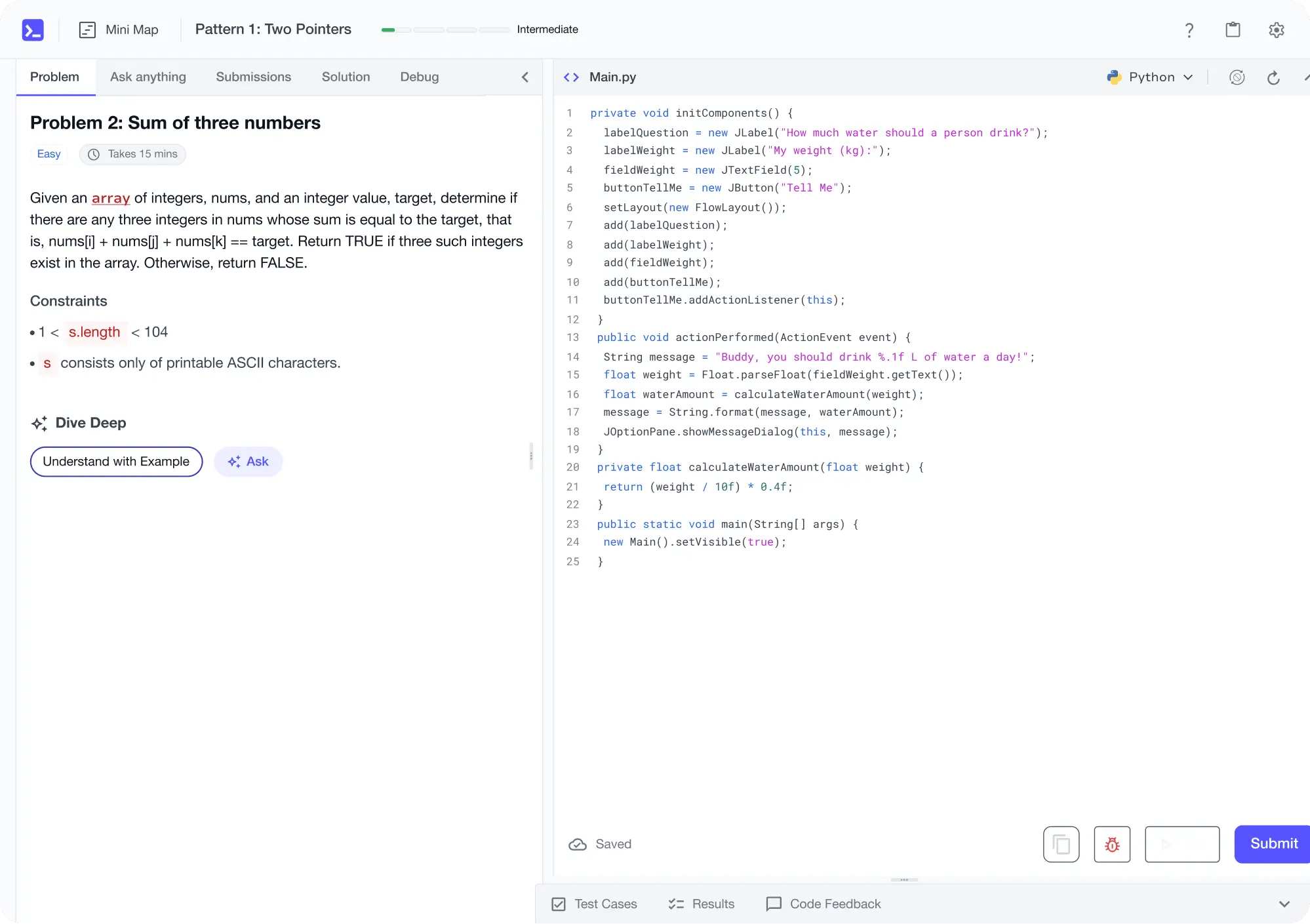
Learn by building with project-based lessons and in-browser code editor
Personalized Roadmaps
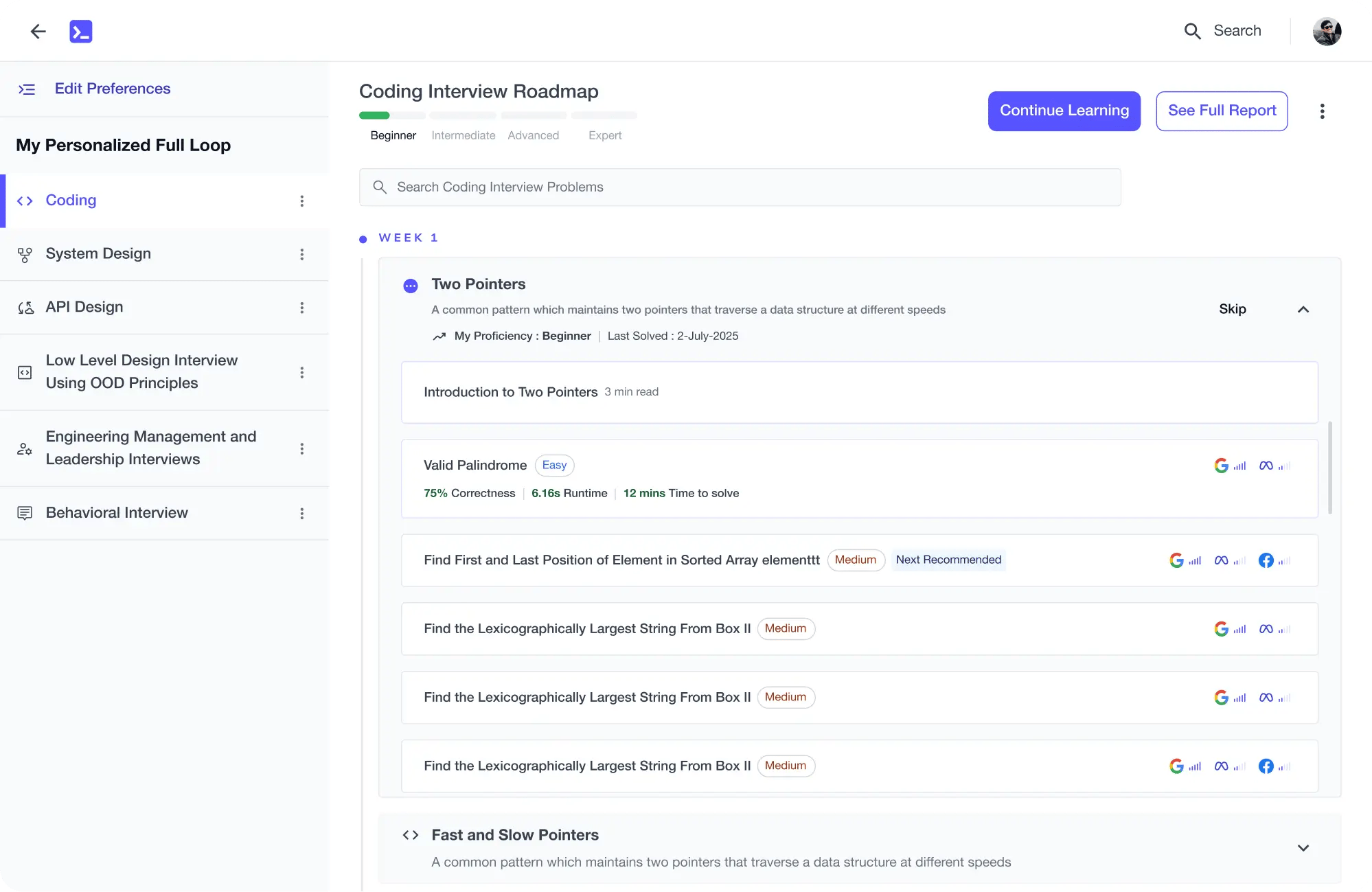
The platform adapts to your strengths & skills gaps as you go

Future-proof Your Career
Get hands-on with in-demand skills
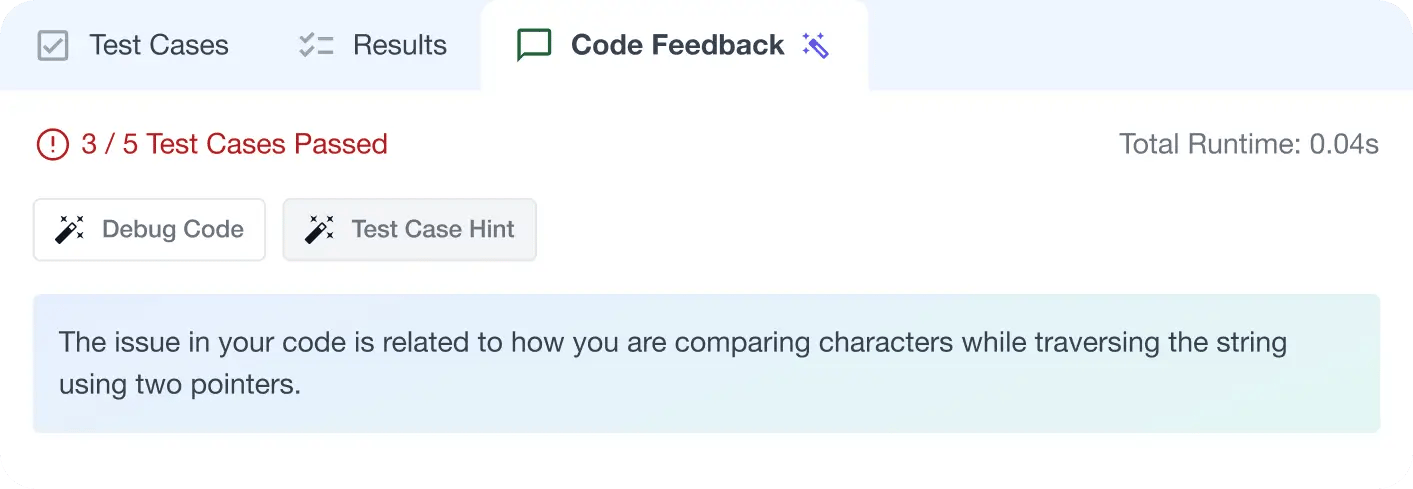
AI Code Mentor
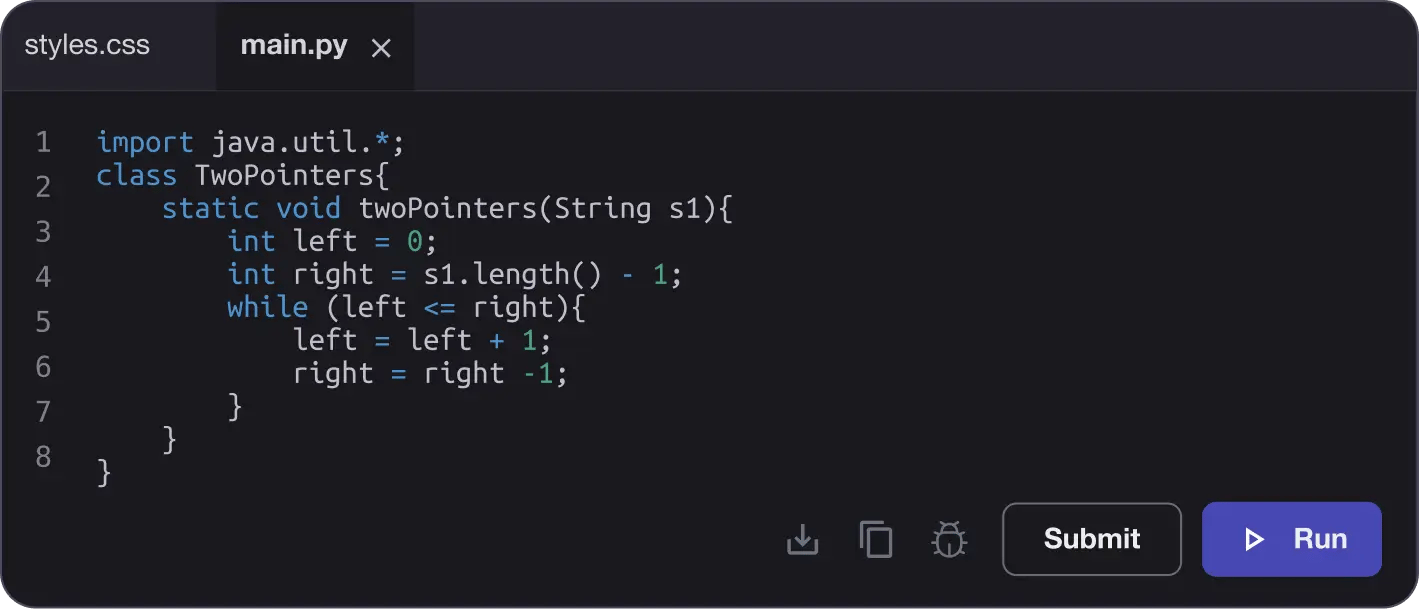
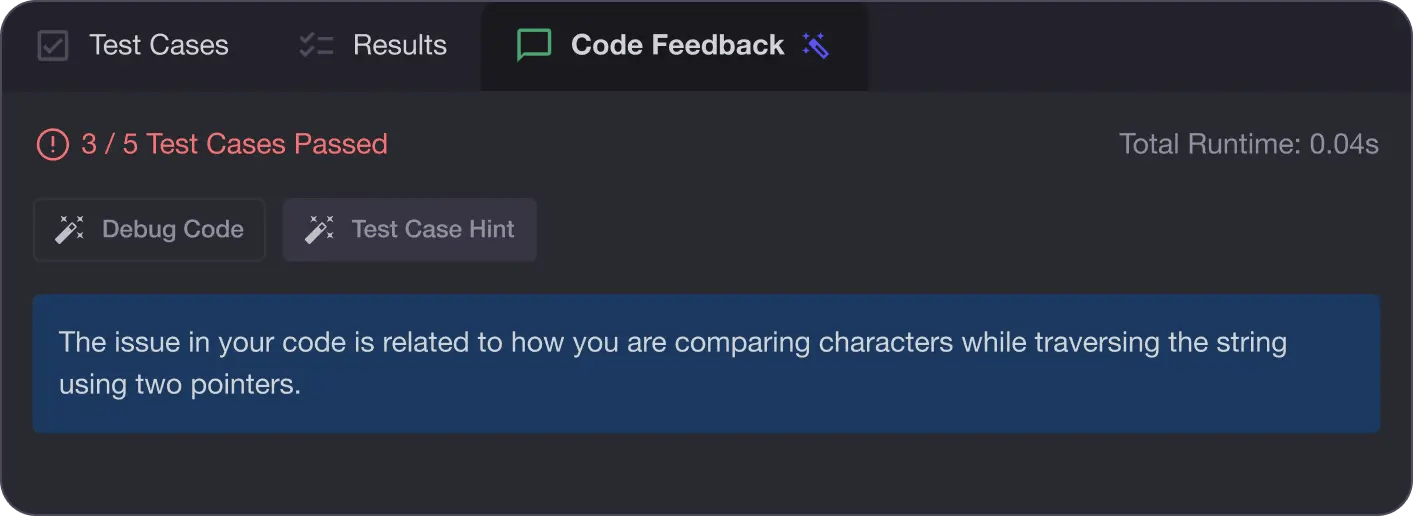
Write better code with AI feedback, smart debugging, and "Ask AI"
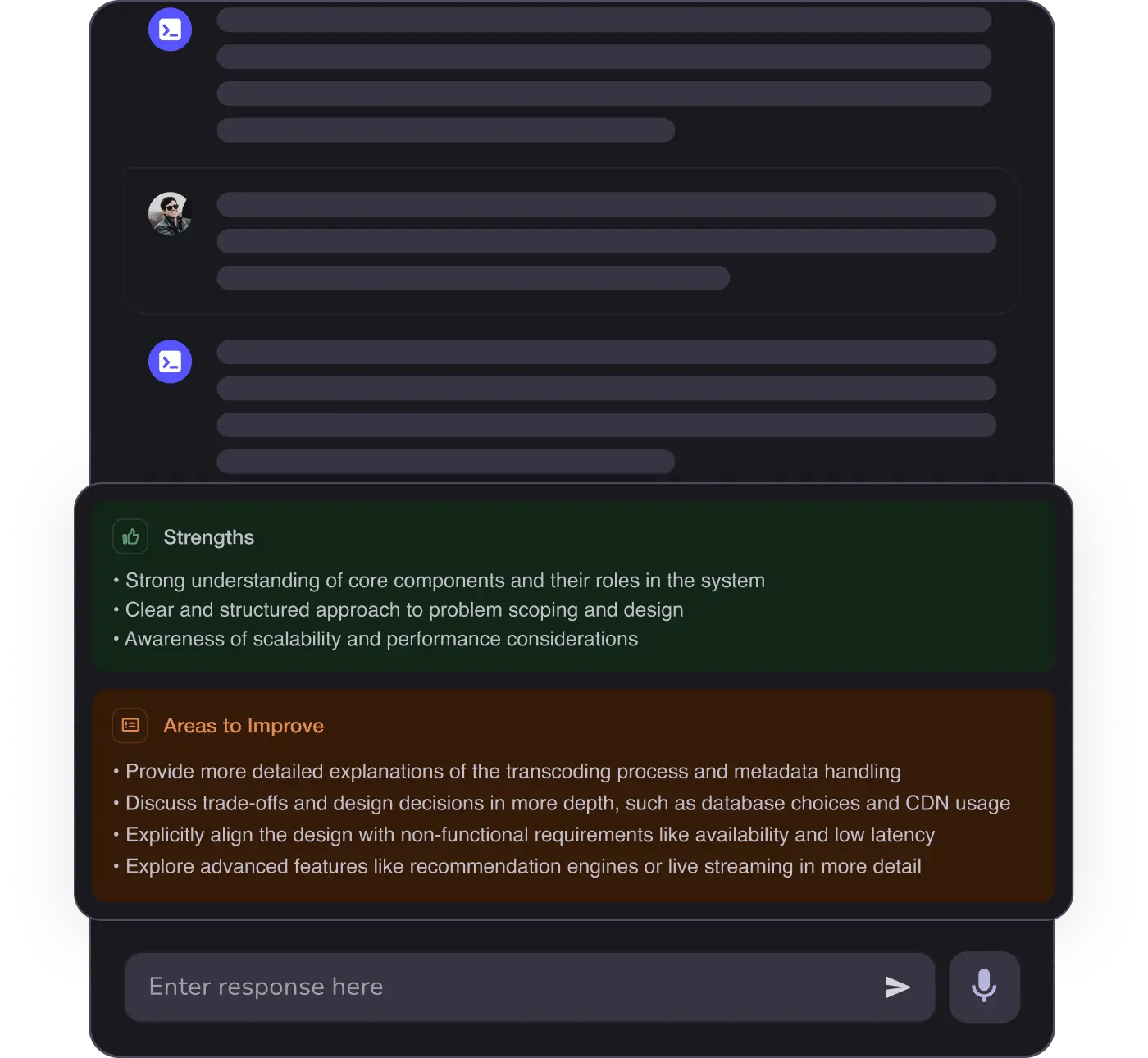
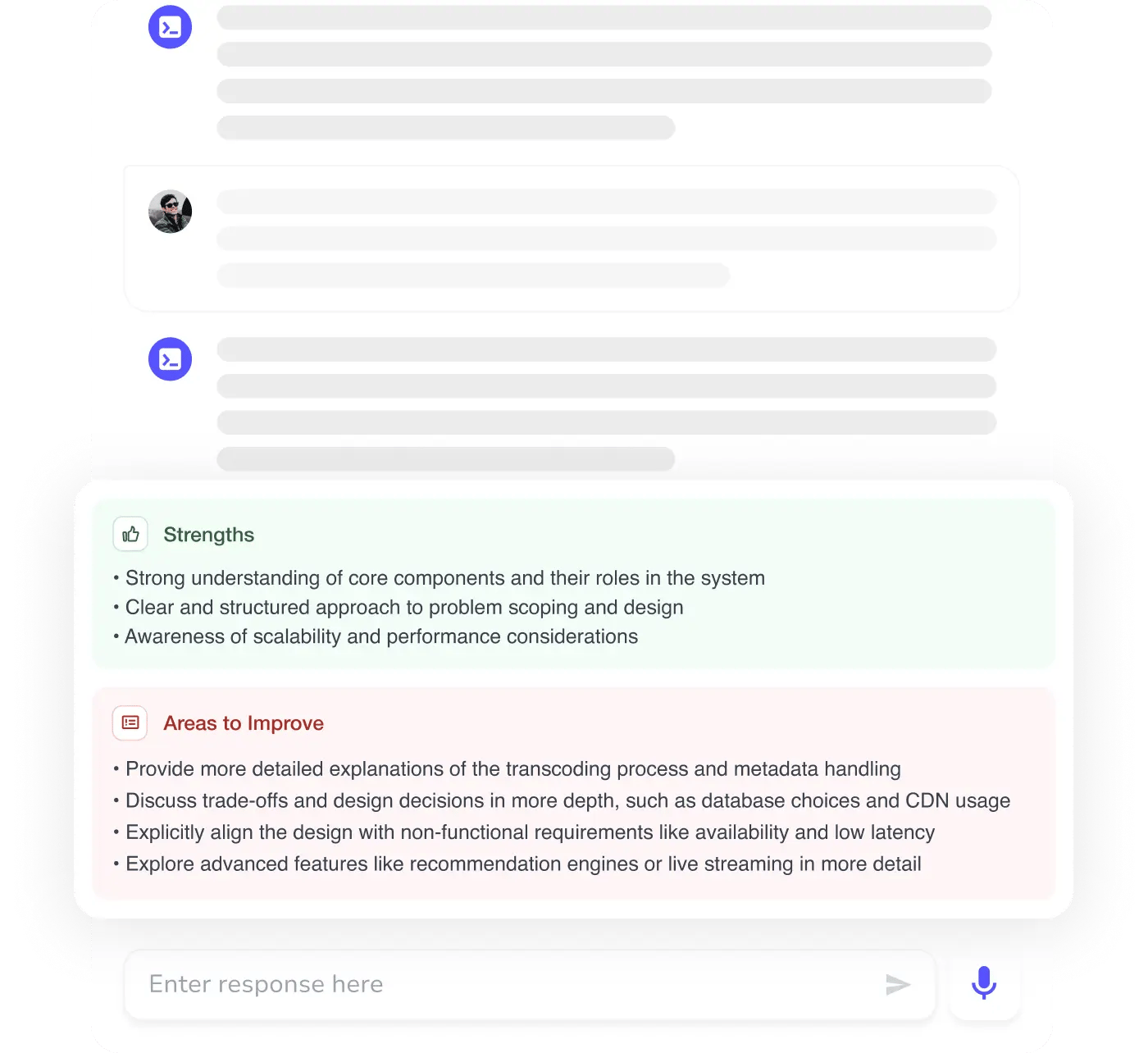
MAANG+ Interview Prep
AI Mock Interviews simulate every technical loop at top companies
Free Resources