HomeCoursesProfessional Ethics
AI-powered learning
Save

Professional Ethics

Explore ethical decision-making in computing through real-life case studies. Learn about professional ethics, cyber ethics, privacy, accountability, and societal responsibilities in the field.

17 Lessons
1h
Join 2.9 million developers at
LEARNING OBJECTIVES
  • A foundational understanding of ethical principles in computing
  • An understanding of legal and regulatory requirements relevant to professional ethics
  • An understanding of privacy and data protection laws within the scope of ethical computing
  • The ability to cultivate a strong awareness of professional responsibility and accountability in professional practices
  • The ability to think critically and ethically in various computing scenarios, emphasizing cyber ethics and professional characteristics

Learning Roadmap

17 Lessons12 Quizzes

1.

Professional Characteristics

Professional Characteristics

Explore the computing profession, understand key professional characteristics, and learn the importance of computing ethics in maintaining industry standards.

2.

Professional Practices

Professional Practices

Learn to evaluate computer systems’ impacts, uphold professional ethics and integrity, follow guidelines, work within your competence.

3.

Cyber Ethics

Cyber Ethics

6 Lessons

6 Lessons

Learn to navigate cyber ethics, respect privacy, honor organizational values, and address environmental impact and whistleblowing in ethical computing.

4.

Conclusion

Conclusion

3 Lessons

3 Lessons

Find out about key ethical standards and continuous professional growth in computing.
Certificate of Completion
Showcase your accomplishment by sharing your certificate of completion.
Author NameProfessional Ethics
Developed by MAANG Engineers
Every Educative lesson is designed by a team of ex-MAANG software engineers and PhD computer science educators, and developed in consultation with developers and data scientists working at Meta, Google, and more. Our mission is to get you hands-on with the necessary skills to stay ahead in a constantly changing industry. No video, no fluff. Just interactive, project-based learning with personalized feedback that adapts to your goals and experience.
ABOUT THIS COURSE
This course prepares you for a successful career in computing by equipping you with essential knowledge and skills for ethical decision-making in professional environments. Through real-world case studies where ethical principles were overlooked, you’ll gain insights into the importance of making responsible and ethical choices in the workplace. The course offers a comprehensive understanding of computing ethics, including professional, cyber, and ethical computing practices. You’ll explore core issues such as privacy, accountability, diversity, and the legal, societal, and ethical responsibilities within computing. By the end of the course, you’ll be equipped with the tools to assess your decisions against ethical standards and apply them in real-world situations. This will prepare you to uphold professional characteristics and adhere to best professional practices throughout your career.

Trusted by 2.9 million developers working at companies

These are high-quality courses. Trust me the price is worth it for the content quality. Educative came at the right time in my career. I'm understanding topics better than with any book or online video tutorial I've done. Truly made for developers. Thanks

A

Anthony Walker

@_webarchitect_

Just finished my first full #ML course: Machine learning for Software Engineers from Educative, Inc. ... Highly recommend!

E

Evan Dunbar

ML Engineer

You guys are the gold standard of crash-courses... Narrow enough that it doesn't need years of study or a full blown book to get the gist, but broad enough that an afternoon of Googling doesn't cut it.

S

Software Developer

Carlos Matias La Borde

I spend my days and nights on Educative. It is indispensable. It is such a unique and reader-friendly site

S

Souvik Kundu

Front-end Developer

Your courses are simply awesome, the depth they go into and the breadth of coverage is so good that I don't have to refer to 10 different websites looking for interview topics and content.

V

Vinay Krishnaiah

Software Developer

Built for 10x Developers

No Passive Learning
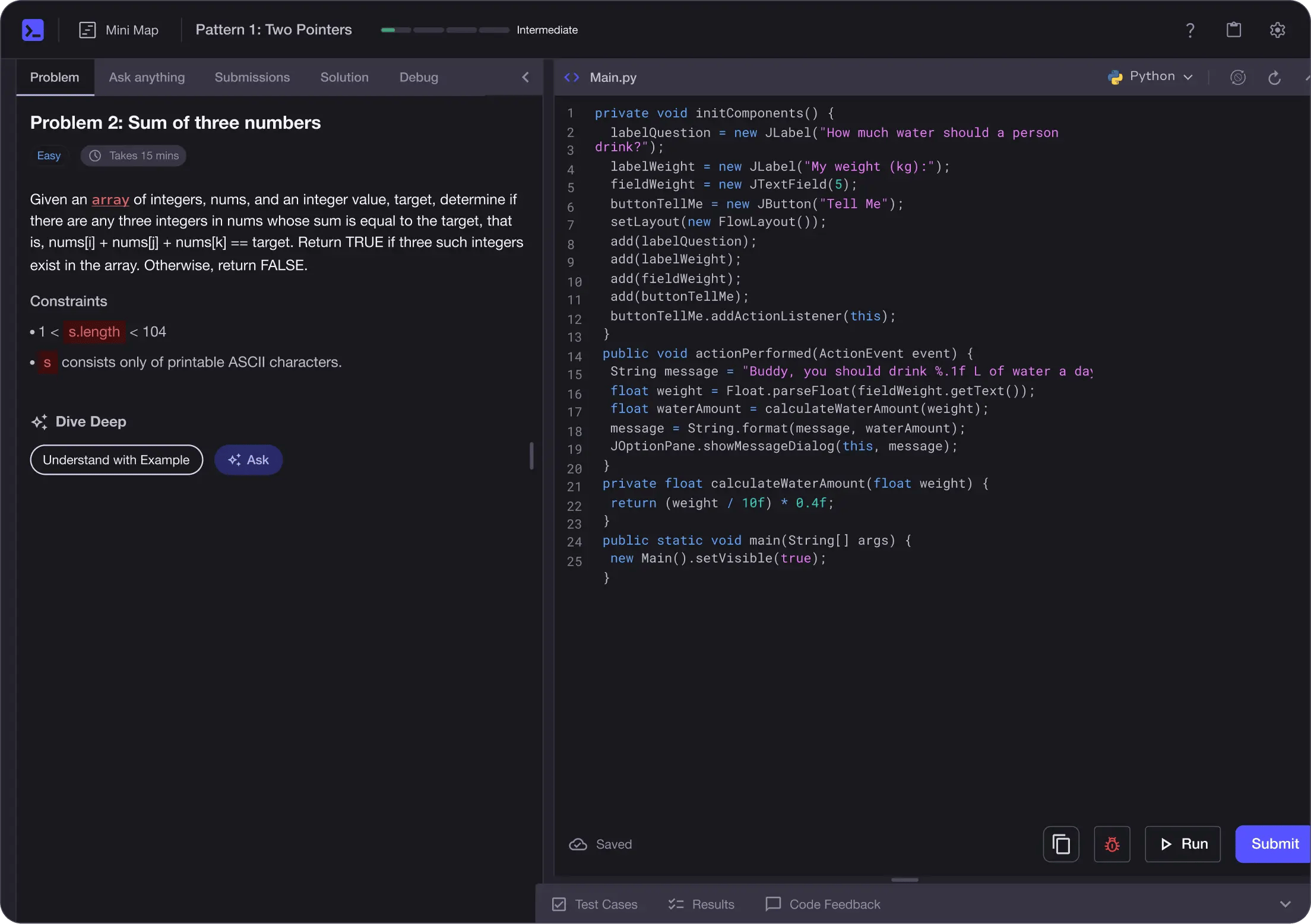
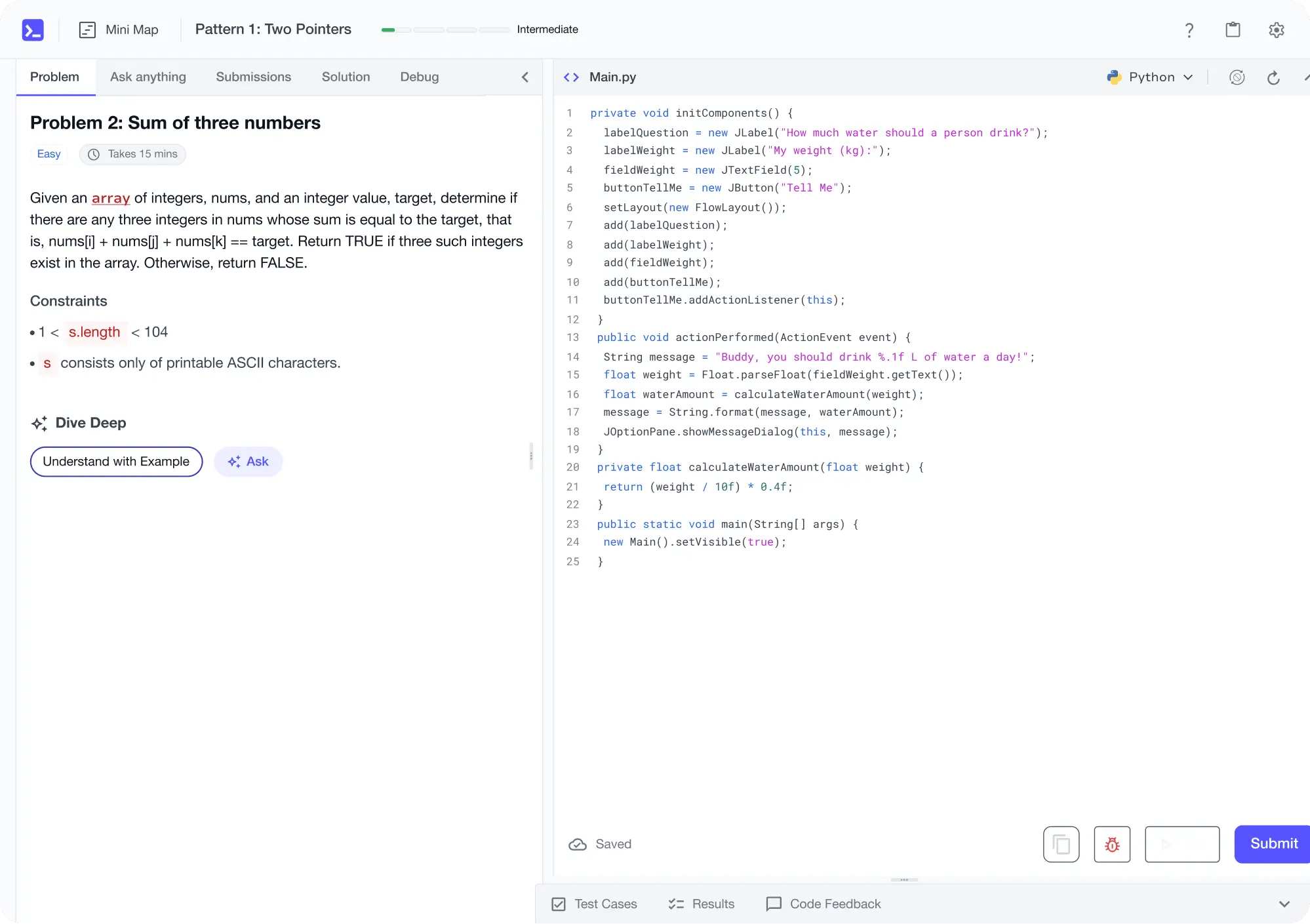
Learn by building with project-based lessons and in-browser code editor
Learn by Doing
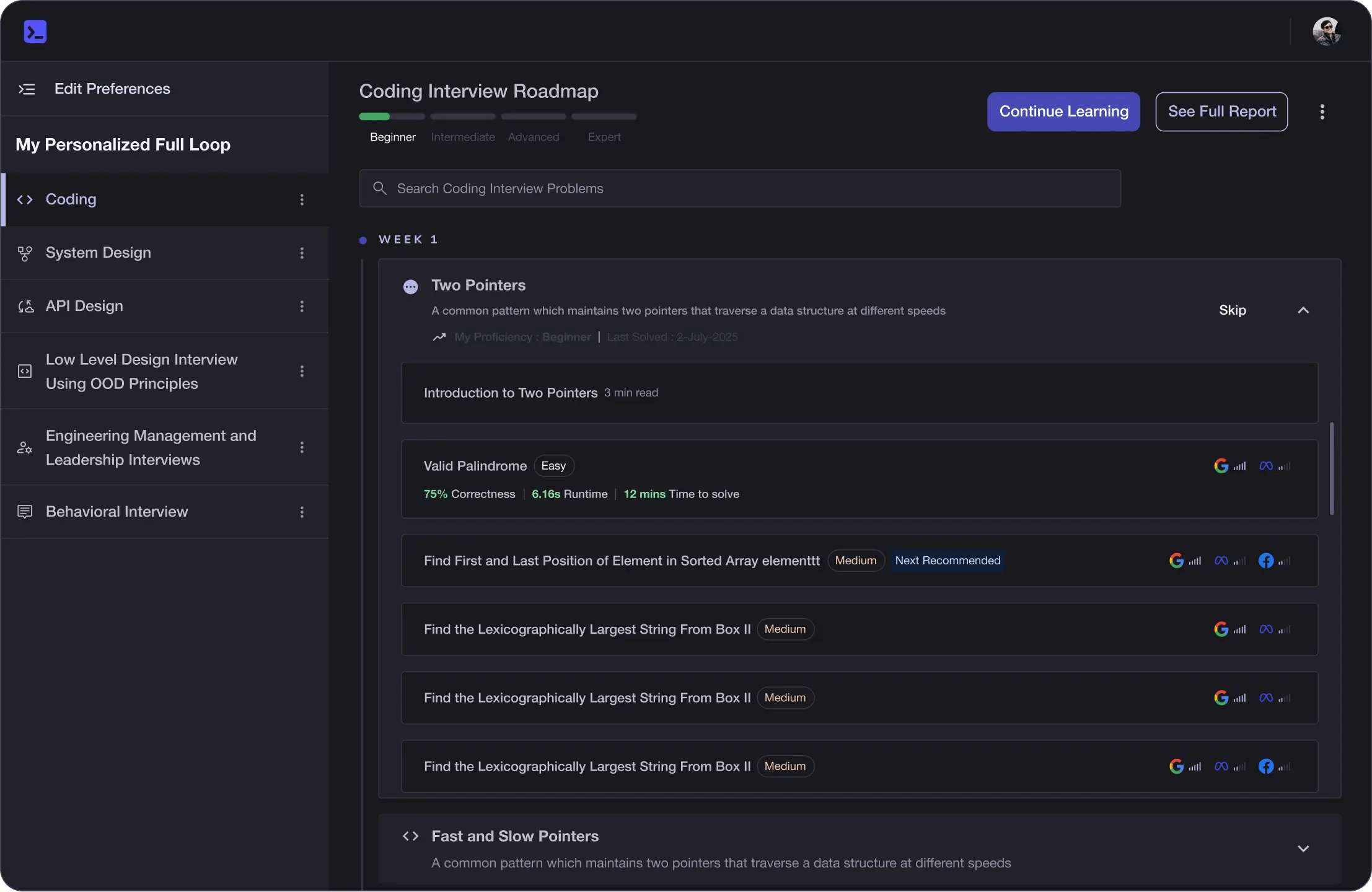
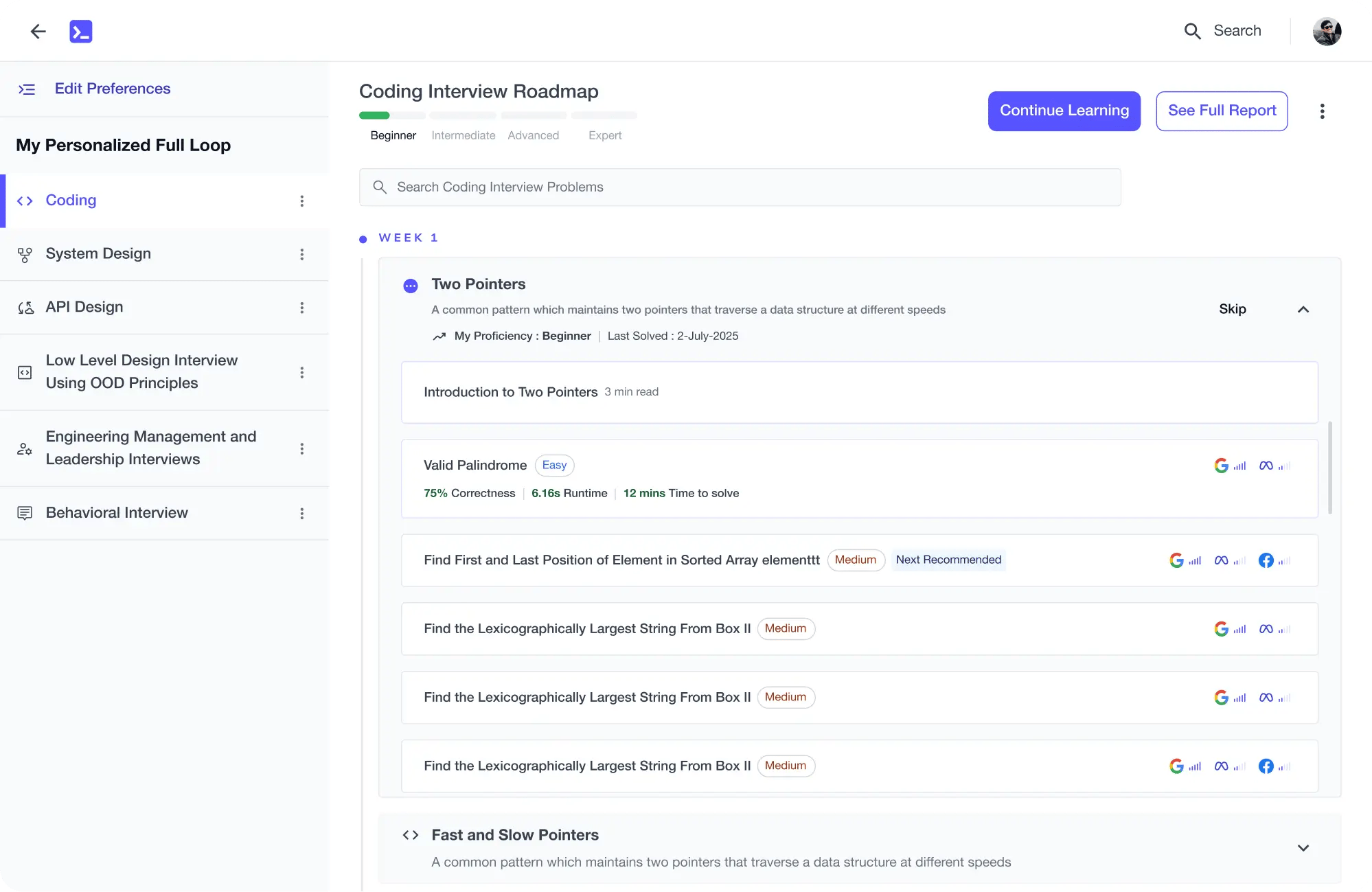
Personalized Roadmaps
The platform adapts to your strengths & skills gaps as you go
Learn by Doing
Future-proof Your Career
Get hands-on with in-demand skills
Learn by Doing
AI Code Mentor
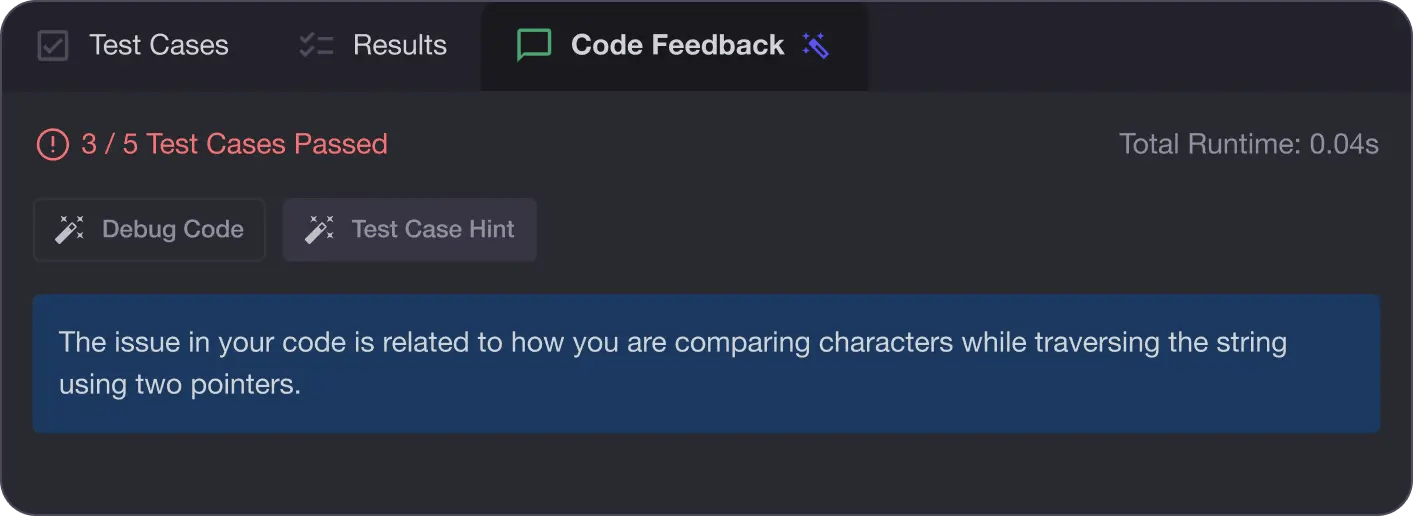
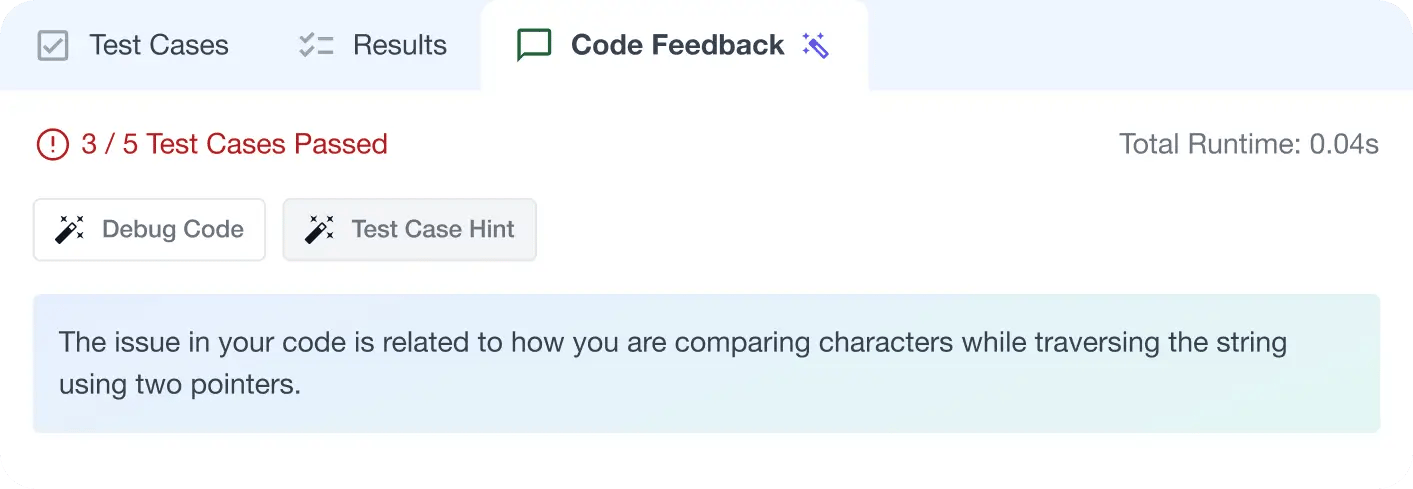
Write better code with AI feedback, smart debugging, and "Ask AI"
Learn by Doing
Learn by Doing
MAANG+ Interview Prep
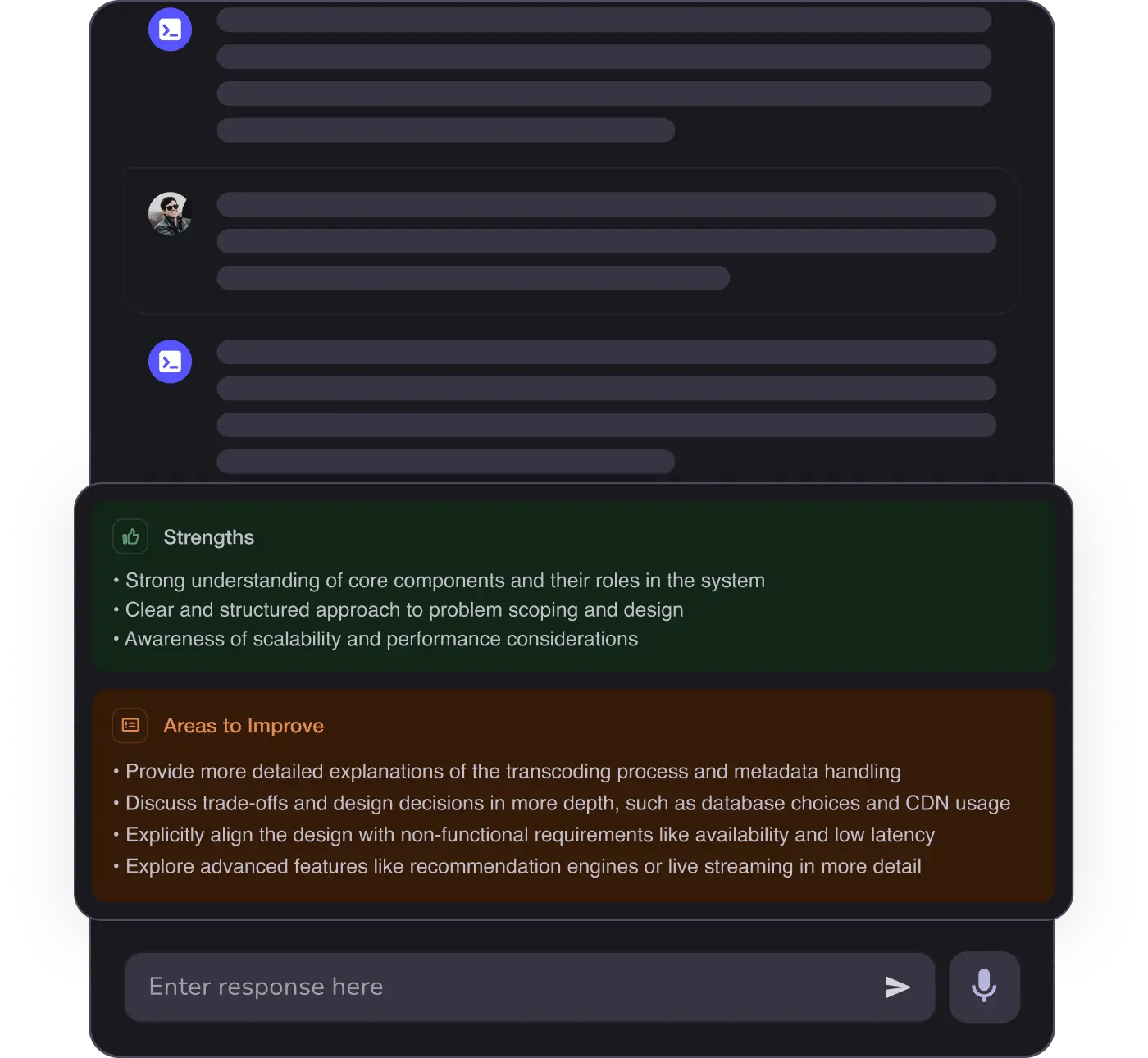
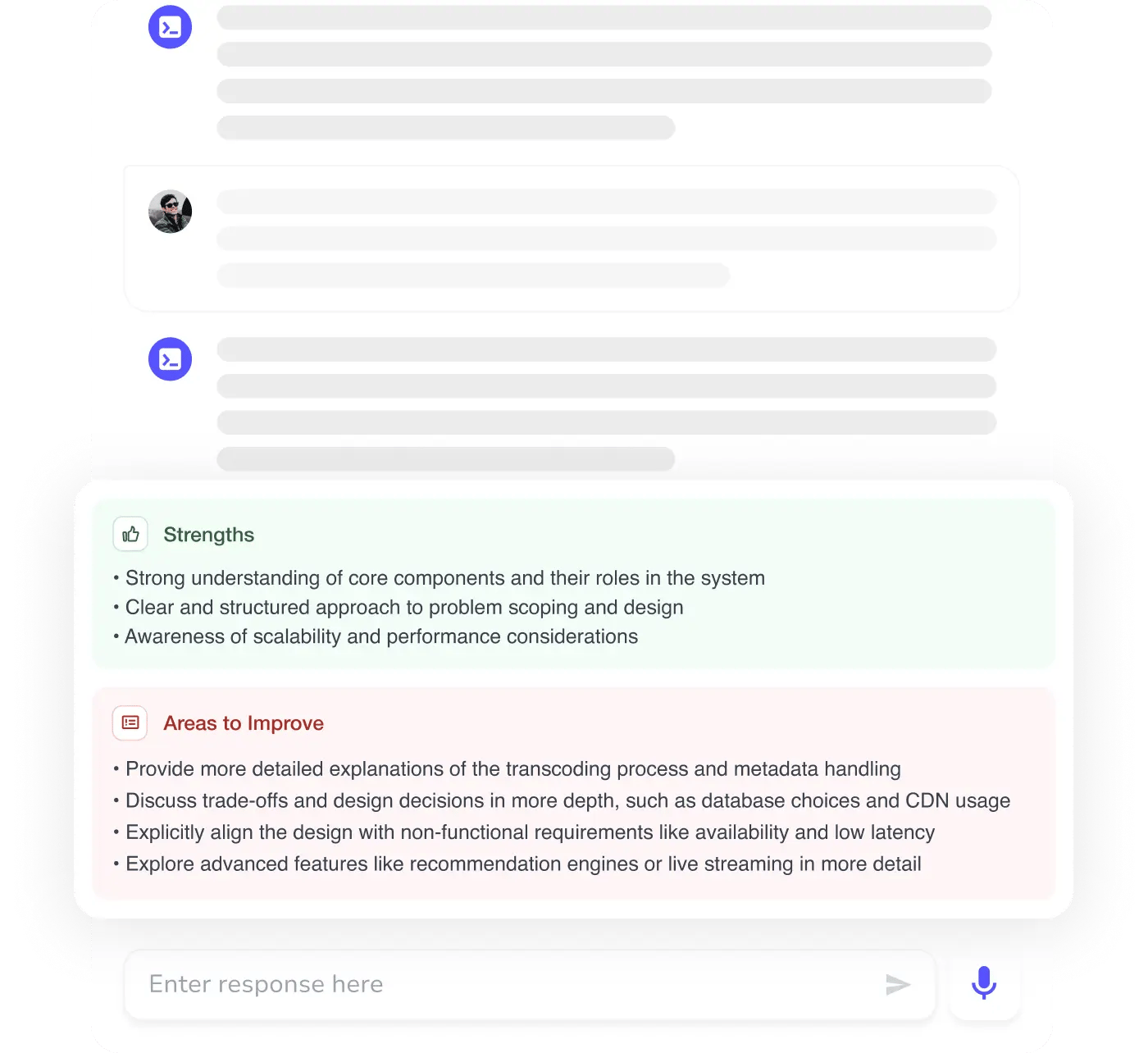
AI Mock Interviews simulate every technical loop at top companies
Learn by Doing

Free Resources

FOR TEAMS

Interested in this course for your business or team?

Unlock this course (and 1,000+ more) for your entire org with DevPath

Frequently Asked Questions

What are the five canons of professional ethics?

The five canons of professional ethics often guide professionals in making ethical decisions and maintaining integrity in their work. While interpretations may vary across professions, in computing, they generally include:

  • Public interest: Prioritize the interests and safety of the public in professional decisions.
  • Client and employer interest: Act in the best interest of clients and employers while remaining honest and ethical.
  • Product quality: Strive for high-quality, reliable, and safe work.
  • Professional integrity: Be honest and transparent in all professional dealings.
  • Continuous development: Continuously improve skills and knowledge while mentoring others in ethical practices.

What is meant by professional ethics?

Professional ethics refers to the moral principles and standards of behavior expected in a professional environment. It encompasses integrity, accountability, respect, and fairness in all professional interactions. In computing, it involves ensuring responsible development, protecting user data, adhering to legal requirements, and avoiding harm to society through unethical use of technology.

What are the 7 codes of conduct?

The 7 codes of conduct in professional ethics often serve as a foundation for ethical behavior in any profession:

  • Honesty: Be truthful in all communications and actions.
  • Accountability: Accept responsibility for your actions and decisions.
  • Confidentiality: Protect sensitive information and respect privacy.
  • Integrity: Maintain strong moral principles and avoid conflicts of interest.
  • Respect: Treat all individuals with dignity and fairness.
  • Competence: Work within your areas of expertise and seek to improve your knowledge.
  • Non-discrimination: Avoid bias and ensure equality in professional dealings.