Key features of generative AI systems include the ability to generate new content, learn patterns in data, and adapt to new information. They can create text, images, music, and even code. Another key feature is their ability to provide real-time responses, which is crucial for interactive applications. This real-time capability is essential for applications like chatbots and live content generation.
Updated 4 months ago
AI-powered learning
Save this course
Grokking the Generative AI System Design
Explore the design of scalable generative AI systems guided by a structured framework and real-world systems in text, image, audio, and video generation.
4.6
39 lessons
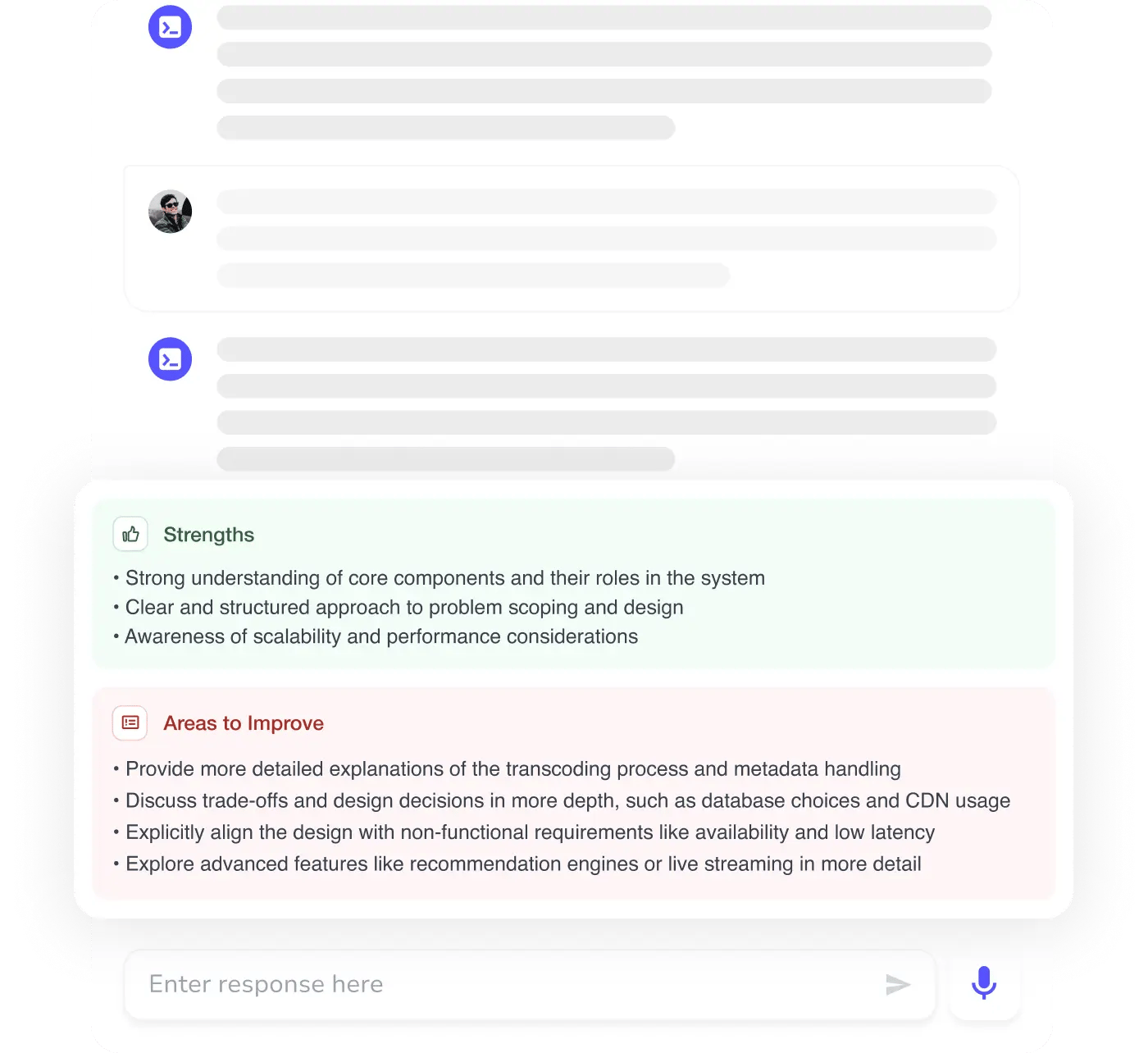
4 AI mock interviews
1 breakout session
4h
Created by Khayyam Hashmi

What's included
- 39 lessons across 13 modules
- 23 quizzes with instant feedback
- 4 AI mock interviews with scoring rubrics
- 1 breakout session with a virtual coach
- AI Tutor on every lesson
Why this course
- Ace Generative AI InterviewsDemonstrate the ability to tackle complex generative AI System Design questions with structured reasoning and practical examples.
- Architect Scalable GenAI SystemsDesign and implement large-scale generative AI systems that efficiently handle diverse data types and user demands.
- Evaluate AI System PerformanceAssess generative AI systems using established metrics to ensure quality and relevance in real-world applications.
- Optimize Inference for GenAIApply advanced inference optimization techniques to enhance the performance and efficiency of generative AI applications.
Who wrote it
Khayyam Hashmi
Computer scientist and Generative AI and Machine Learning specialist. VP of Technical Content @ educative.io.
Dr. Khayyam Hashmi is a seasoned computer scientist and Generative AI and Machine Learning specialist. As a researcher, educator, and the VP of Technical Content at Educative, he is dedicated to making complex computing concepts accessible for learners worldwide. With a PhD in Computer Science from Wayne State University and academic publications in service-oriented systems and intelligent computing, Khayyam excels at fusing an academic perspective with practical software engineering insights. Khayyam’s courses, writing, and research spans technical topics including adaptive AI systems, neural networks, Intelligent tutoring systems, and production-ready software design.
Join 3.1 million developers at
What You'll Learn
- Explore foundational concepts of generative AI System Design, including neural networks, transformers, and tokenization methods.
- Apply the SCALED framework to break down and design generative AI systems across various modalities including text, image, speech, and video.
- Evaluate generative AI systems using key metrics such as BLEU, ROUGE, and FID to assess content quality and relevance.
- Implement parallelism strategies in generative AI models to enhance training efficiency and scalability across distributed systems.
- Optimize inference processes in generative AI systems through techniques like model quantization, pruning, and caching.
- Prepare for generative AI System Design interviews by articulating design decisions, estimating costs, and adapting architectures.
Learning Roadmap
2.
Fundamental Concepts in GenAI
Fundamental Concepts in GenAI
Master foundational concepts, evaluation metrics, and optimization techniques for Generative AI systems.
3.
Back-of-the-envelope Calculations
Back-of-the-envelope Calculations
2 Lessons
2 Lessons
Understand back-of-the-envelope calculations for efficiently planning LLM training and deployment.
4.
Systematic Framework for Designing GenAI Systems
Systematic Framework for Designing GenAI Systems
2 Lessons
2 Lessons
Explore how to prepare for a GenAI System Design interview and learn a systematic 6-step framework for designing impactful GenAI systems.
5.
System Design of a Text-to-Text Generation System
System Design of a Text-to-Text Generation System
2 Lessons
2 Lessons
Explore the training and deployment System Design of an efficient conversational AI system.
6.
System Design of a Text-to-Image Generation System
System Design of a Text-to-Image Generation System
2 Lessons
2 Lessons
Explore the training and deployment System Design of a robust image generation system.
7.
System Design of a Text-to-Speech Generation System
System Design of a Text-to-Speech Generation System
2 Lessons
2 Lessons
Explore the training and deployment System Design of a realistic speech generation system.
8.
System Design of a Text-to-Video Generation System
System Design of a Text-to-Video Generation System
2 Lessons
2 Lessons
Explore the training and deployment System Design of a text-to-video generation system.
9.
System Design of an Image Captioning System
System Design of an Image Captioning System
2 Lessons
2 Lessons
Explore the training and deployment System Design of an image captioning system.
10.
System Design of an Automatic Speech Recognition
System Design of an Automatic Speech Recognition
2 Lessons
2 Lessons
11.
System Design of Retrieval-Augmented Generation (RAG)
System Design of Retrieval-Augmented Generation (RAG)
2 Lessons
2 Lessons
13.
Free GenAI System Design Lessons
Free GenAI System Design Lessons
14 Lessons
14 Lessons
Learn core GenAI system design concepts, from model training and sampling to multimodal, diffusion, audio, and hardware choices in real-world AI systems.
Certificate of Completion
Showcase your accomplishment by sharing your certificate of completion.
Complete more lessons to unlock your certificate
About this course
WHY I WROTE THIS COURSE
GenAI System Design is emerging as its own interview category at top tech companies, distinct from traditional ML System Design. The questions are different, the architectures are different, and the scale considerations (GPU compute, parallelism, inference optimization) require their own mental models.
Having spent years researching adaptive AI systems and neural networks, and now leading the creation of learning content at Educative, I designed this course to bridge that gap between understanding generative AI conceptually and being able to architect these gen AI systems end-to-end.
You'll learn the SCALED framework, which is a 6-step methodology for breaking down any GenAI System Design problem, then apply it across five real-world systems spanning text, image, speech, and video generation. Each case study walks through training architecture, deployment design, and the specific tradeoffs involved in that modality. Before diving into the case studies, the course covers the foundational concepts you'll need: neural networks, transformers, tokenization, embeddings, parallelism strategies, inference optimization, RAG, and fine-tuning. You'll also learn how to do back-of-the-envelope calculations for LLM training and deployment.
A bonus: if you have a GenAI or ML System Design interview coming up, this will give you both the framework and the depth to handle whatever systems are asked to design.
ABOUT THE AUTHOR
Khayyam Hashmi
Computer scientist and Generative AI and Machine Learning specialist. VP of Technical Content @ educative.io.
Trusted by 3.1 million developers working at companies
K
Kunal Sahu
LTIMindtree
A
Anthony Walker
@_webarchitect_
E
Evan Dunbar
ML Engineer
S
Software Developer
Carlos Matias La Borde
S
Souvik Kundu
Front-end Developer
Frequently Asked Questions
What are the key features of a generative AI system?
What are the common models in generative AI?
What are examples of generative AI systems?
How do I prepare for a generative AI System Design interview?
How do you evaluate the performance of a generative AI system?
What is the difference between generative AI and machine learning?
In an interview, how can I demonstrate my understanding of generative AI System Design concepts?
What are the best resources for learning about generative AI System Design?
Built for 10x Developers
No Passive Learning
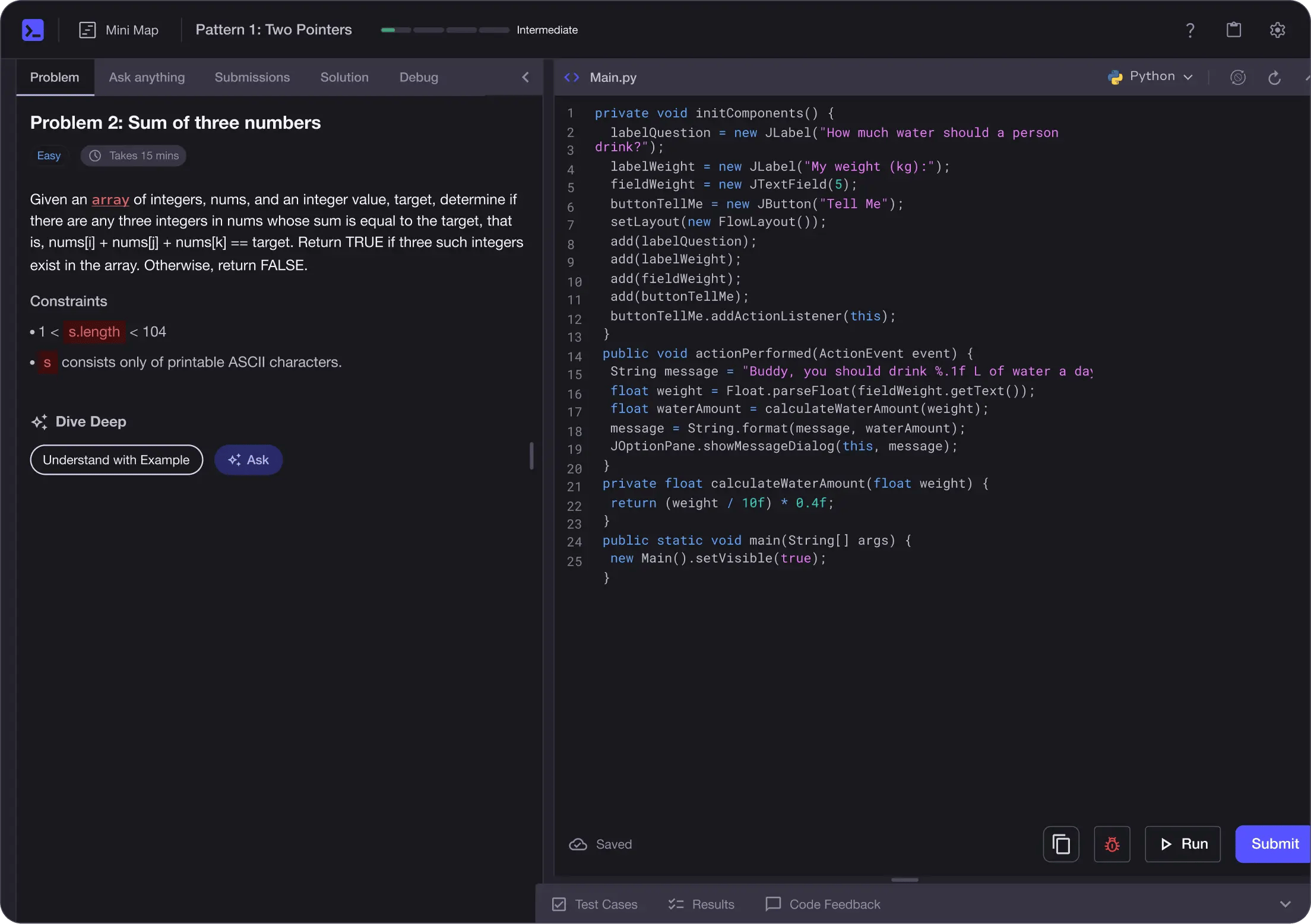
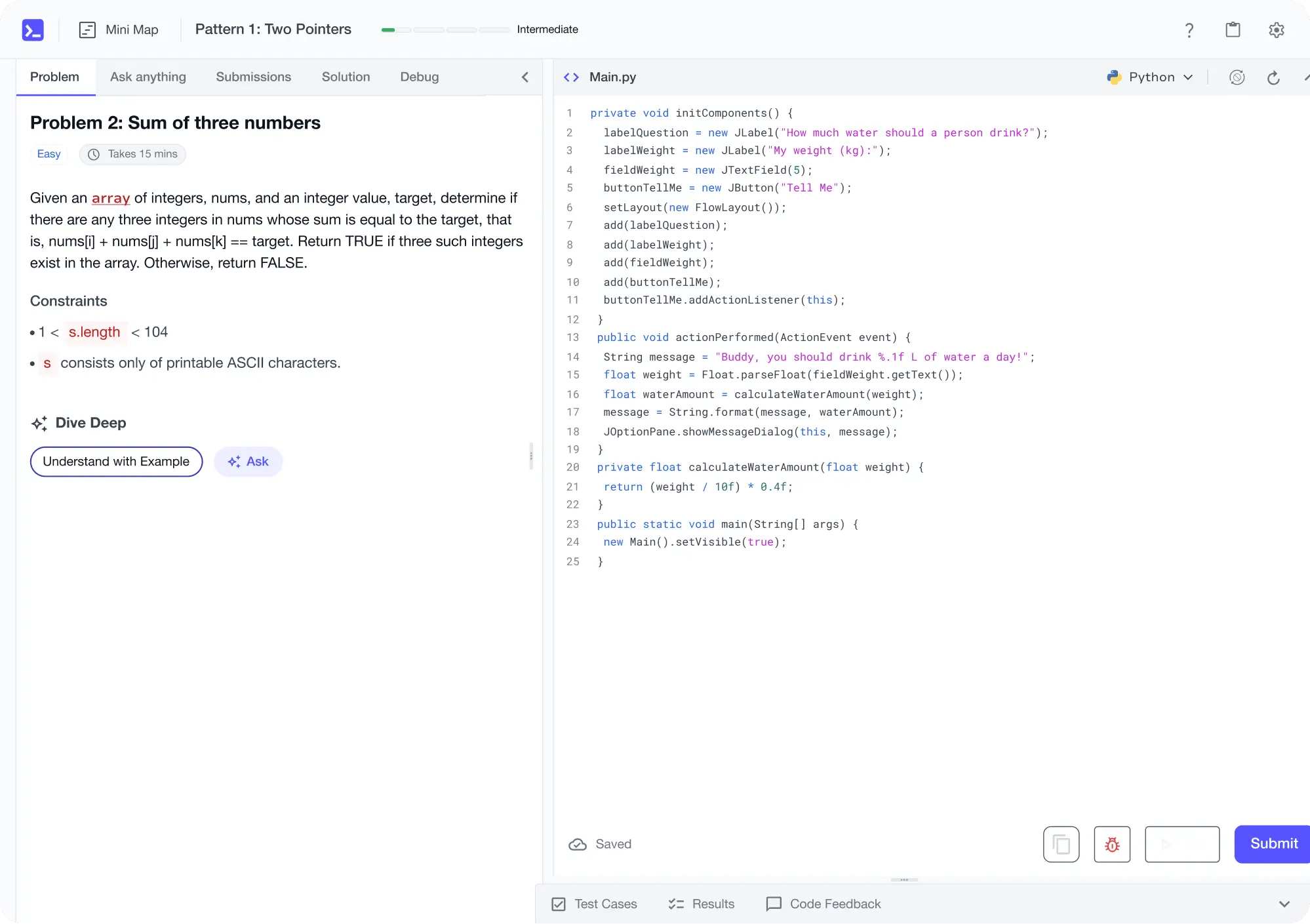
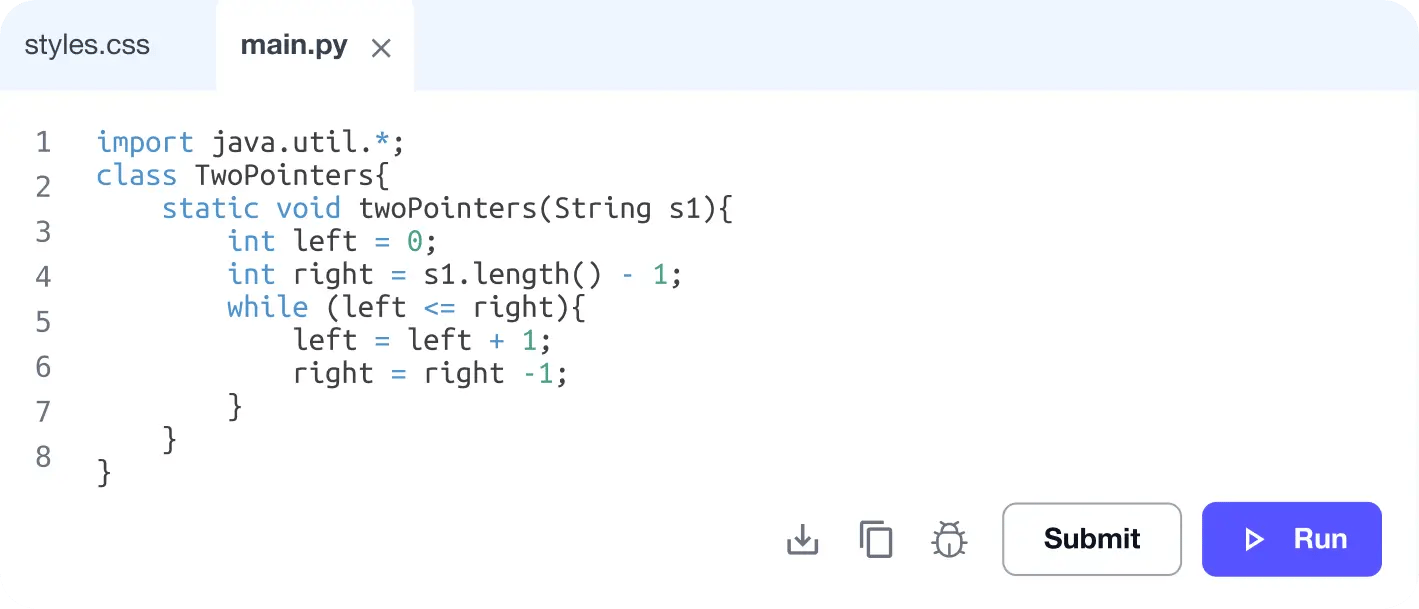
Learn by building with project-based lessons and in-browser code editor
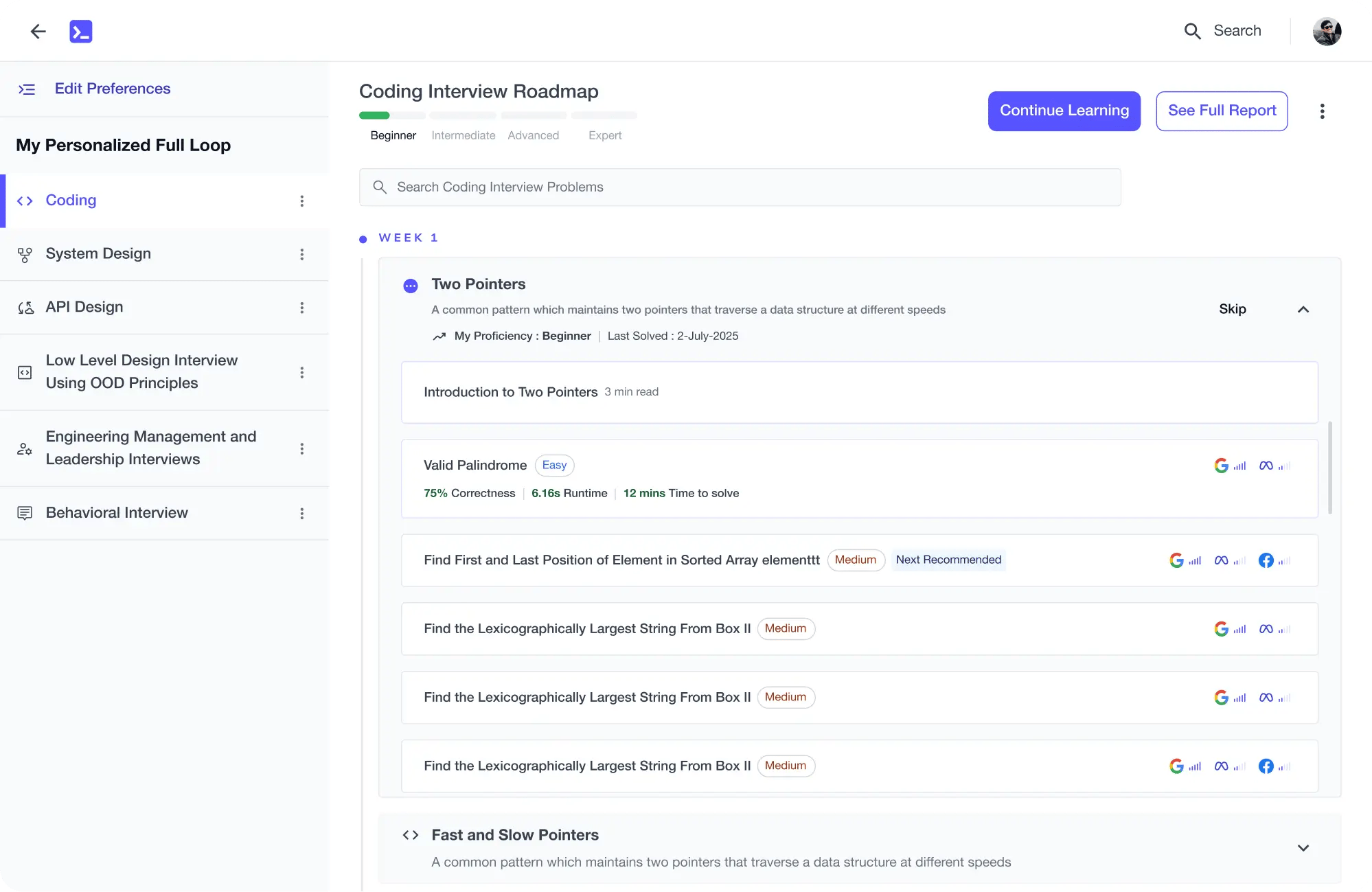
Personalized Roadmaps
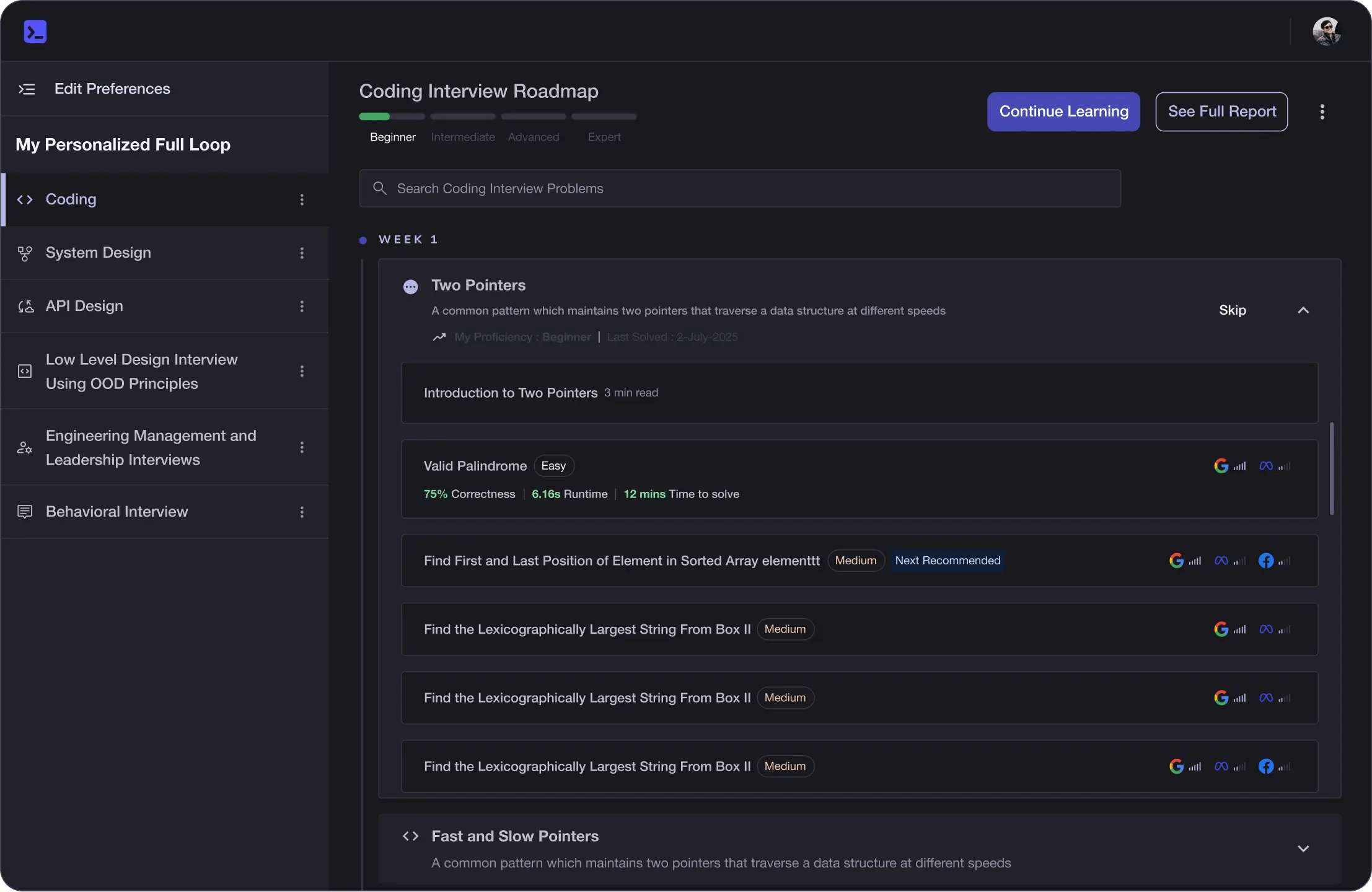
The platform adapts to your strengths & skills gaps as you go
Future-proof Your Career
Get hands-on with in-demand skills
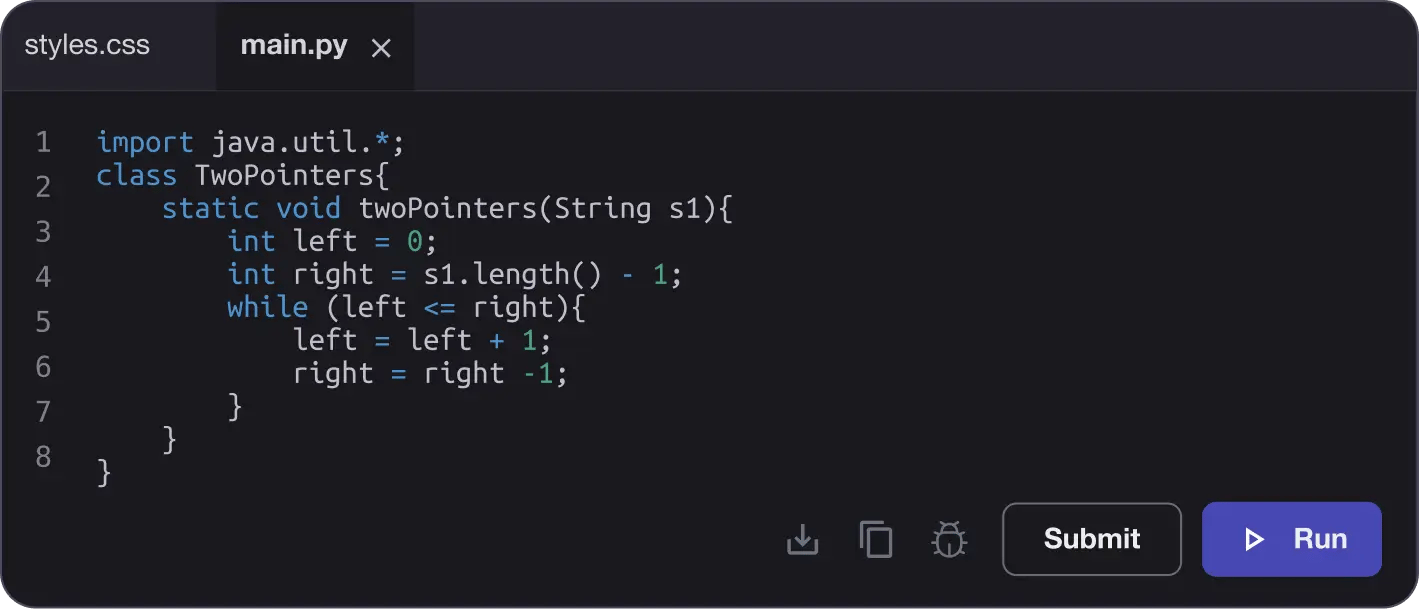
AI Code Mentor
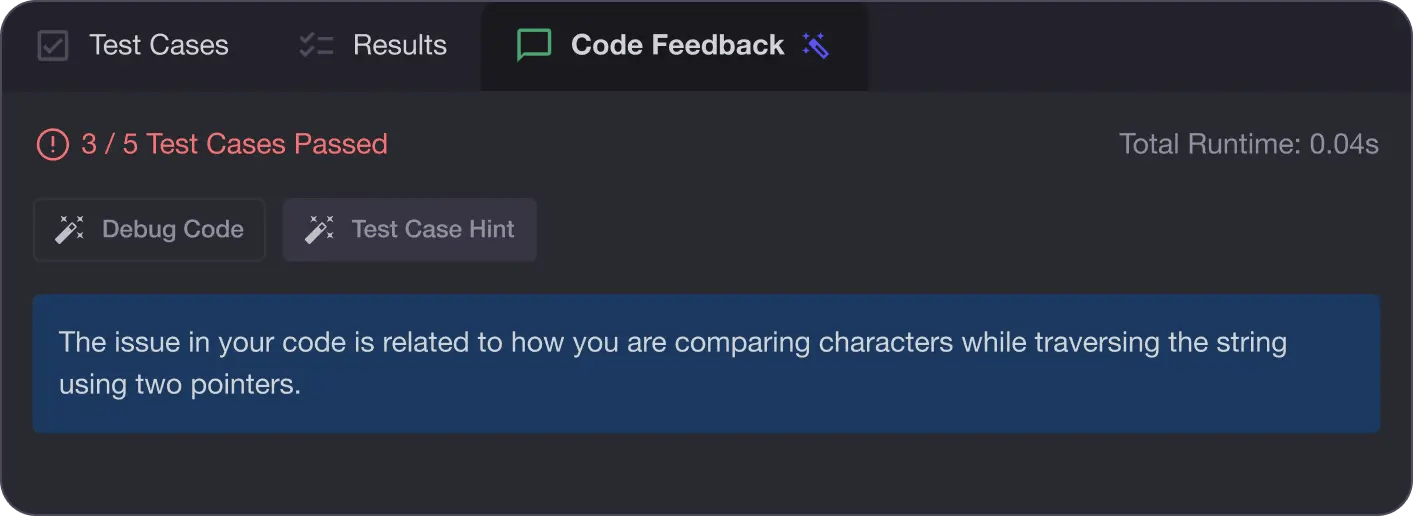
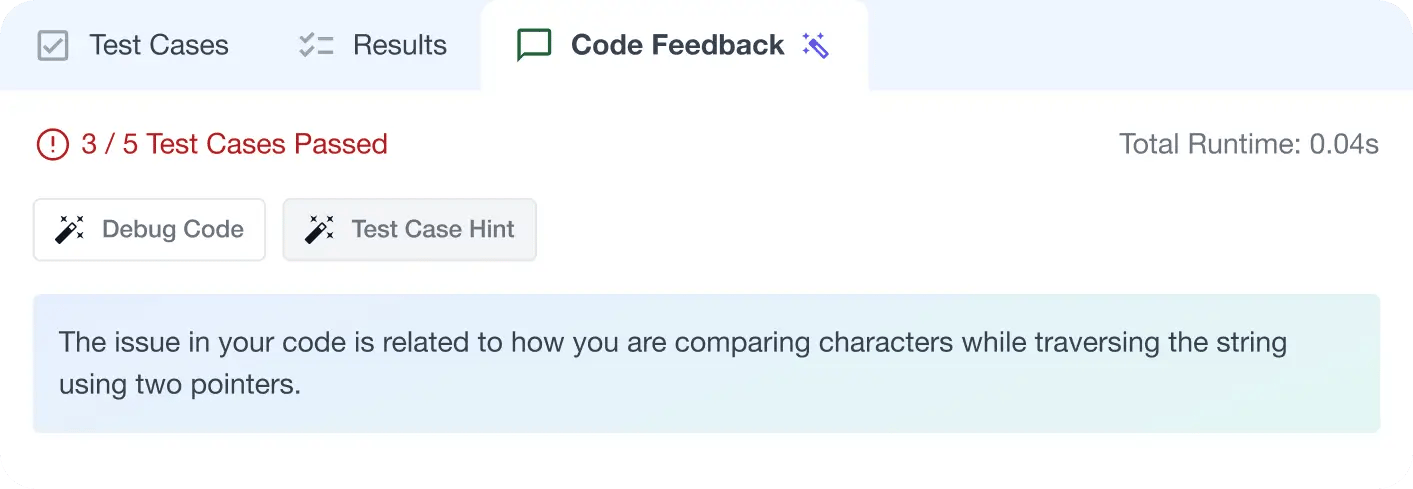
Write better code with AI feedback, smart debugging, and "Ask AI"
MAANG+ Interview Prep
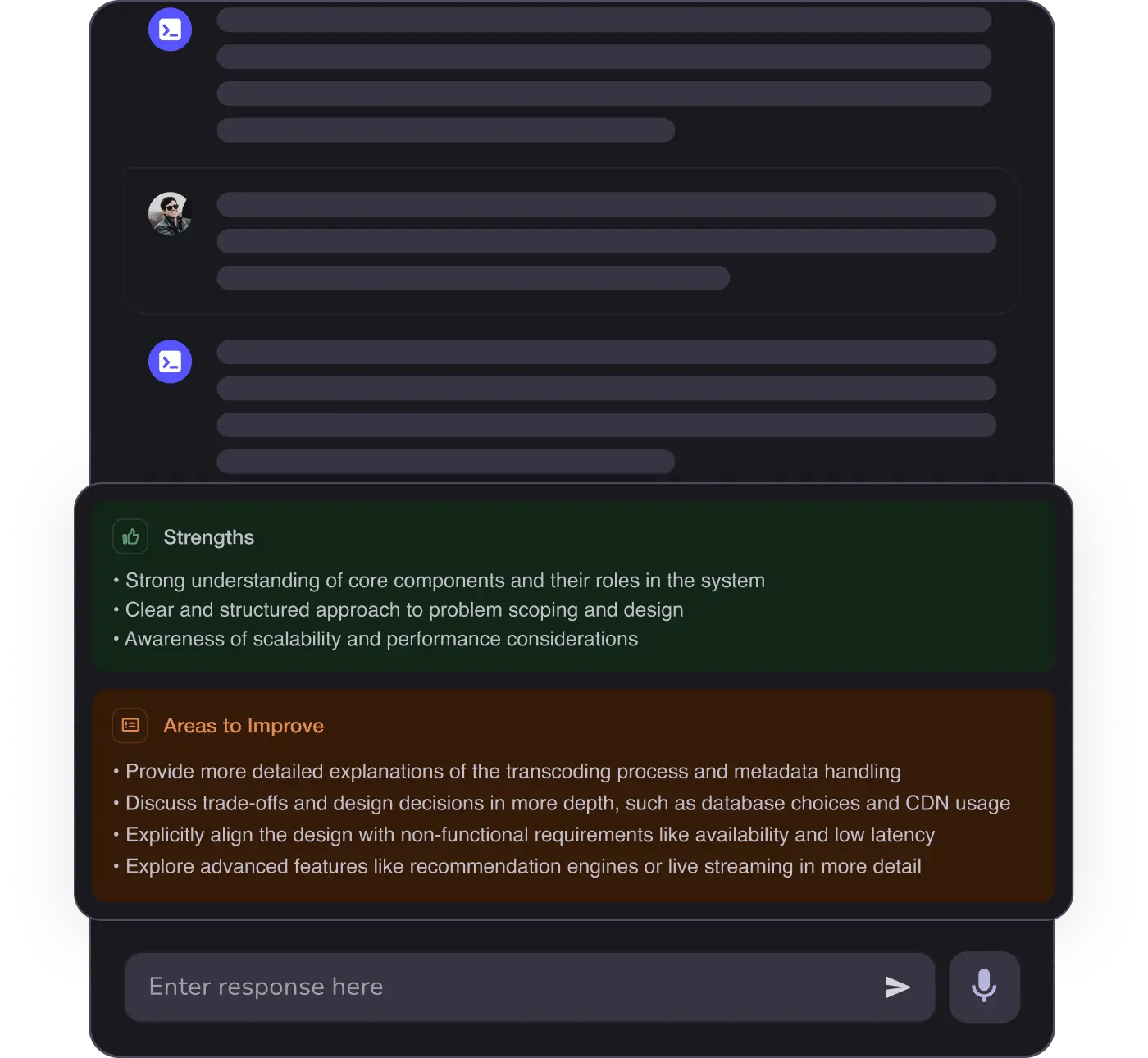
AI Mock Interviews simulate every technical loop at top companies
Free Resources