Frontend interview prep: A complete guide
Ready for your frontend interview? Learn the core topics, coding skills, and portfolio strategies you need to stand out. Build confidence, master key concepts, and prepare to land your next frontend role.
Many developers begin searching for frontend interview prep resources once they decide to pursue professional frontend engineering roles. While learning HTML, CSS, and JavaScript may provide the foundation for building websites or applications, technical interviews require candidates to demonstrate a deeper understanding of how these technologies work together in production environments.
Modern frontend interviews typically evaluate a combination of technical knowledge, practical coding ability, and architectural thinking. Interviewers often want to see whether candidates understand browser behavior, asynchronous JavaScript execution, and component-based frameworks. They also look for developers who can reason about performance, maintainability, and user experience.
Effective preparation requires more than memorizing syntax or reviewing isolated concepts. Developers must build real projects, practice coding challenges, and learn how to explain design decisions clearly. A structured preparation strategy allows candidates to approach interviews with greater confidence and demonstrate the skills companies expect from modern frontend engineers.
Become a Front-end Developer

Front-end web developers are proficient in HTML, CSS, and JavaScript, and their primary role is to create web applications so users can view and interact with websites. Front-end developers are in high demand as tech companies are always looking to improve the visuals and interactivity of their applications. This path gives a comprehensive insight into the fundamental components of web development. You’ll start with the fundamentals of web development and get an overview of the complete process. Moving ahead, you’ll cover the basics of HTML, CSS, and JavaScript from scratch, which are essential for web development. You’ll also get hands-on practice adding interactivity to websites, including creating a drop-down menu, tooltip, auto-validation form, and an infinitely scrolling list. Finally, you’ll get a comprehensive step-by-step description of how to launch a website on the internet. By the end of this path, you'll have gained the skills to create functional websites and web applications.
What companies evaluate in frontend interviews#
Frontend interviews usually assess several categories of technical and practical skills.
Skill Area | Description |
HTML fundamentals | Semantic markup, accessibility, and SEO considerations |
CSS and layout systems | Flexbox, Grid, responsive design, and styling best practices |
JavaScript knowledge | Closures, asynchronous programming, event handling |
Framework expertise | React, Vue, Angular, or other modern frameworks |
Problem-solving ability | Logical thinking and algorithmic reasoning |
HTML fundamentals remain important because semantic markup improves accessibility, search engine optimization, and maintainability. Interviewers often expect developers to understand how document structure affects both usability and browser rendering.
CSS and layout systems play a central role in building responsive user interfaces. Developers should understand layout techniques such as Flexbox and CSS Grid, as well as responsive design strategies that ensure applications work across devices and screen sizes.
JavaScript knowledge is critical because JavaScript powers modern web applications. Interviewers frequently test topics such as closures, asynchronous programming, event loops, and DOM manipulation.
Framework expertise is another important area. Most production applications rely on frameworks such as React, Vue, or Angular. Understanding component architecture and state management is therefore essential.
Finally, problem-solving ability demonstrates how well candidates can reason through coding challenges and structure efficient solutions.
Learn HTML, CSS, and JavaScript from Scratch
This course will teach you the fundamentals of creating web applications, from the basics of creating web pages with HTML, stylizing content with CSS, all the way to building interactivity into a page using JavaScript in the browser. Instead of watching tedious videos and wondering how to translate those videos into real code, you'll be practicing what you learn through interactive, test-based exercises within minutes. Along the way, you'll be able to produce functional modules, including an image carousel and a to-do list application. No prior knowledge is needed.
Core technical topics to study#

Successful frontend interview prep requires mastering several core technical areas that frequently appear in interviews.
HTML and accessibility#
HTML provides the structural foundation of every web page. Developers should understand semantic HTML elements and how they improve accessibility for assistive technologies. Interviewers may ask about proper document structure, accessibility attributes, and how semantic markup improves maintainability.
Understanding accessibility standards such as ARIA roles and keyboard navigation also demonstrates awareness of inclusive design principles.
CSS layout systems#
Modern frontend applications rely heavily on CSS for layout and styling. Developers should be comfortable using Flexbox and CSS Grid to design responsive layouts. Knowledge of media queries, responsive breakpoints, and cross-browser compatibility also appears frequently in technical interviews.
Candidates should also understand CSS architecture patterns that help manage large codebases, such as modular styles or component-based styling approaches.
JavaScript fundamentals#
JavaScript remains the most important programming language for frontend development. Interviewers frequently evaluate understanding of closures, scope, asynchronous programming, promises, async/await syntax, and the JavaScript event loop.
Candidates should also be comfortable manipulating the DOM, handling events, and understanding how JavaScript interacts with browser APIs.
Frontend frameworks#
Modern frontend applications are typically built using frameworks such as React, Vue, or Angular. Developers should understand component-based architecture, state management patterns, and how frameworks manage rendering and data flow.
Understanding how frameworks structure large applications demonstrates readiness for production development environments.
Preparing a strong frontend portfolio#
A portfolio often plays a crucial role during frontend interviews because it demonstrates real-world development experience. While theoretical knowledge is valuable, interviewers frequently prefer candidates who can show working applications and explain how they built them.
An effective portfolio typically includes projects that demonstrate several important capabilities:
Responsive web design that adapts to different screen sizes
Integration with external APIs
Interactive user interfaces with dynamic behavior
Component-based architecture using modern frameworks
In addition to functional projects, well-documented GitHub repositories can strengthen credibility. Clear README files, structured project folders, and descriptive commit histories help interviewers understand how a developer approaches software development.
Practicing coding challenges#
Many frontend interviews include coding exercises designed to evaluate programming fundamentals and logical reasoning. While these problems are often simpler than backend algorithm challenges, they still test important skills.
Developers can prepare by practicing several types of exercises:
JavaScript coding challenges involving arrays, strings, and objects
DOM manipulation tasks that simulate browser interactions
Beginner-level algorithm problems
Building small interactive applications that demonstrate UI logic
Consistent coding practice helps developers improve their coding speed and become more comfortable explaining their solutions during interviews.
Preparing for system and UI design questions#
More advanced frontend interviews sometimes include design discussions that evaluate architectural thinking. These questions focus on how developers would structure complex user interfaces or manage large frontend applications.
Topics that may appear include designing reusable component systems, managing application state across multiple components, optimizing rendering performance, and structuring maintainable frontend codebases.
Interviewers use these questions to evaluate whether candidates understand the broader architectural decisions involved in building scalable web applications.
Grokking the Frontend System Design Interview
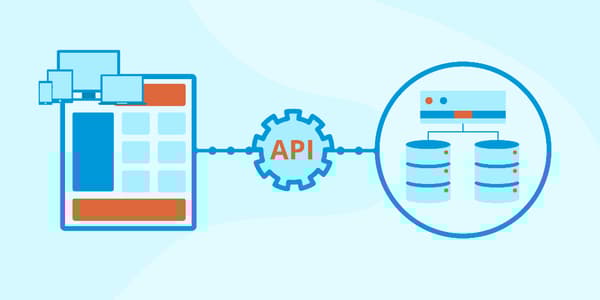
Frontend System Design interviews have become standard for senior frontend and full-stack roles at major tech companies. The expectation is that you can take a broad prompt, “design the frontend for a chat application” or “architect a video streaming interface”, and walk through the full system, including component architecture, state management, API design, performance optimization, and tradeoffs. When I was building production systems at Microsoft and Meta, many of the hardest engineering decisions happened at the frontend layer. Questions like how to manage state across complex UIs, how to keep things responsive under load, and how to structure components so a growing team could work on them without stepping on each other. Those are exactly the kinds of decisions this course prepares you to make and articulate. In this course, you’ll start with foundational concepts, such as browser rendering, CSS positioning, DOM manipulation, state management, and non-functional requirements like performance, accessibility, and localization. From there, the course moves into optimization techniques, API architecture styles, design patterns (component-driven design, micro-frontends), and frontend security. The course’s backbone is the REDCAAP framework. This is a structured approach for breaking down any frontend System Design problem into manageable steps. You’ll apply it to three real-world systems: a newsfeed, a video streaming platform, and a chat application. Each design walks through requirements, architecture decisions, component structure, and performance considerations- all the same progression you'd follow in an actual interview.
Common frontend interview questions#
Frontend interviews often include conceptual questions that reveal a candidate’s understanding of core web technologies. One common question asks about the difference between var, let, and const in JavaScript. This question tests knowledge of variable scope and modern JavaScript syntax.
Another frequently asked question involves the JavaScript event loop, which evaluates understanding of asynchronous execution and task scheduling.
Interviewers may also ask how developers would optimize the performance of a web application. This question reveals knowledge of techniques such as lazy loading, code splitting, caching strategies, and efficient rendering.
Finally, questions about component-based architecture test whether candidates understand how modern frameworks structure applications and manage reusable components.
FAQ#
How long should frontend interview preparation take?#
Preparation time varies depending on experience level. Developers with strong project experience may only need several weeks of focused review, while beginners may require several months to strengthen their understanding of core web technologies and build portfolio projects.
Do frontend interviews include algorithm questions?#
Some frontend interviews include algorithmic questions, although they are typically simpler than those used in backend engineering interviews. These questions usually involve JavaScript logic, data manipulation, or basic problem-solving.
What projects should I include in my portfolio?#
Portfolio projects should demonstrate practical development skills. Applications that include responsive design, API integration, and interactive components often provide strong evidence of frontend expertise.
How can beginners practice frontend interview questions effectively?#
Beginners can practice by building small projects, solving JavaScript coding challenges, and reviewing common interview topics related to HTML, CSS, and browser behavior. Combining hands-on practice with conceptual study often produces the best results.
Final words#
Preparing for frontend developer interviews requires a balanced approach that combines technical knowledge, coding practice, and real-world project experience. Developers must understand web fundamentals, practice solving coding challenges, and learn to explain their design decisions clearly.
A structured frontend interview prep strategy helps candidates build confidence, strengthen their technical understanding, and approach interviews with a clear plan. By focusing on both practical skills and conceptual knowledge, developers can demonstrate the expertise needed to succeed in modern frontend engineering roles.