AI-powered learning
Save this course
The Easiest Way to Learn Design Patterns in C#
Gain insights into C# design patterns, learn about SOLID principles, and explore behavioral, creational, and structural patterns through real-world examples to create scalable, maintainable software projects.
4.6
118 Lessons
22h
Join 3 million developers at
Join 3 million developers at
LEARNING OBJECTIVES
- An understanding of classic design patterns
- Hands-on experience in applying design patterns in C#
- Familiarity with behavioral, creational, and structural design patterns
- An understanding of the problems where design patterns can be applied
- An understanding of the advantages and disadvantages of applying specific design patterns
Learning Roadmap
1.
Getting Started
Getting Started
Get familiar with design patterns, their challenges, practical applications, and UML conventions in C#.
2.
SOLID Principles and Their Importance
SOLID Principles and Their Importance
Discover the logic behind SOLID principles and their significance in object-oriented programming for enhancing software design.
Introduction to SOLID PrinciplesWhat’s the Single Responsibility Principle?The Importance of the Single Responsibility PrincipleThe Concept of Class CohesionWhat’s the Open-Closed Principle?Implementing the Open-Closed PrincipleConsiderations for the Open-Closed PrincipleWhat’s the Liskov Substitution Principle?Implementing the Liskov Substitution PrincipleViolation of the Liskov Substitution PrincipleWhat’s the Interface Segregation Principle?Importance of the Interface Segregation PrincipleWhen is NotImplementedException Appropriate?Considerations for the Interface Segregation PrincipleWhat’s the Dependency Inversion Principle?Implementation of the Dependency Inversion PrincipleBenefits of the Dependency Inversion PrincipleQuiz: SOLID Principles
3.
Applications of Design Patterns
Applications of Design Patterns
19 Lessons
19 Lessons
Master the steps to applying design patterns to common software problems, enhancing code adaptability and maintainability.
5.
Creational Design Patterns
Creational Design Patterns
17 Lessons
17 Lessons
Dig deeper into object creation mechanisms in C# with various creational patterns.
6.
Structural Design Patterns
Structural Design Patterns
23 Lessons
23 Lessons
Follow the process of organizing and composing objects for flexible and efficient structures.
7.
Behavioral Design Patterns
Behavioral Design Patterns
32 Lessons
32 Lessons
Build on object interaction and responsibility delegation in behavioral design patterns.
8.
Conclusion
Conclusion
2 Lessons
2 Lessons
Step through key design patterns in C# and their applications for improved code quality.
Certificate of Completion
Showcase your accomplishment by sharing your certificate of completion.
Complete more lessons to unlock your certificate
Developed by MAANG Engineers
ABOUT THIS COURSE
A deep understanding of design patterns and the ability to apply them to relevant design challenges is key to writing good code. They ensure the code is easy to understand and maintain, can be extended in the face of evolving requirements, and can be reused as needed.
This course will help you learn design patterns by providing context for using each design pattern and mapping it to common real-world problems that developers can relate to. It also provides hands-on code examples in C# to help apply the learned concepts. The course starts by explaining the SOLID design principles for writing good code followed by discussing the classical behavioral, creational, and structural design patterns in detail. The course also focuses on their strengths and weaknesses and the recurring challenges in software design that these patterns address.
After taking this course, you can use your knowledge of design patterns and best practices to create reliable, scalable, and maintainable software projects.
ABOUT THE AUTHOR

Fiodar Sazanavets
Microsoft MVP | senior software engineer | bestselling technical author | software development mentor
Trusted by 3 million developers working at companies
A
Anthony Walker
@_webarchitect_
E
Evan Dunbar
ML Engineer
S
Software Developer
Carlos Matias La Borde
S
Souvik Kundu
Front-end Developer
V
Vinay Krishnaiah
Software Developer
Built for 10x Developers
No Passive Learning
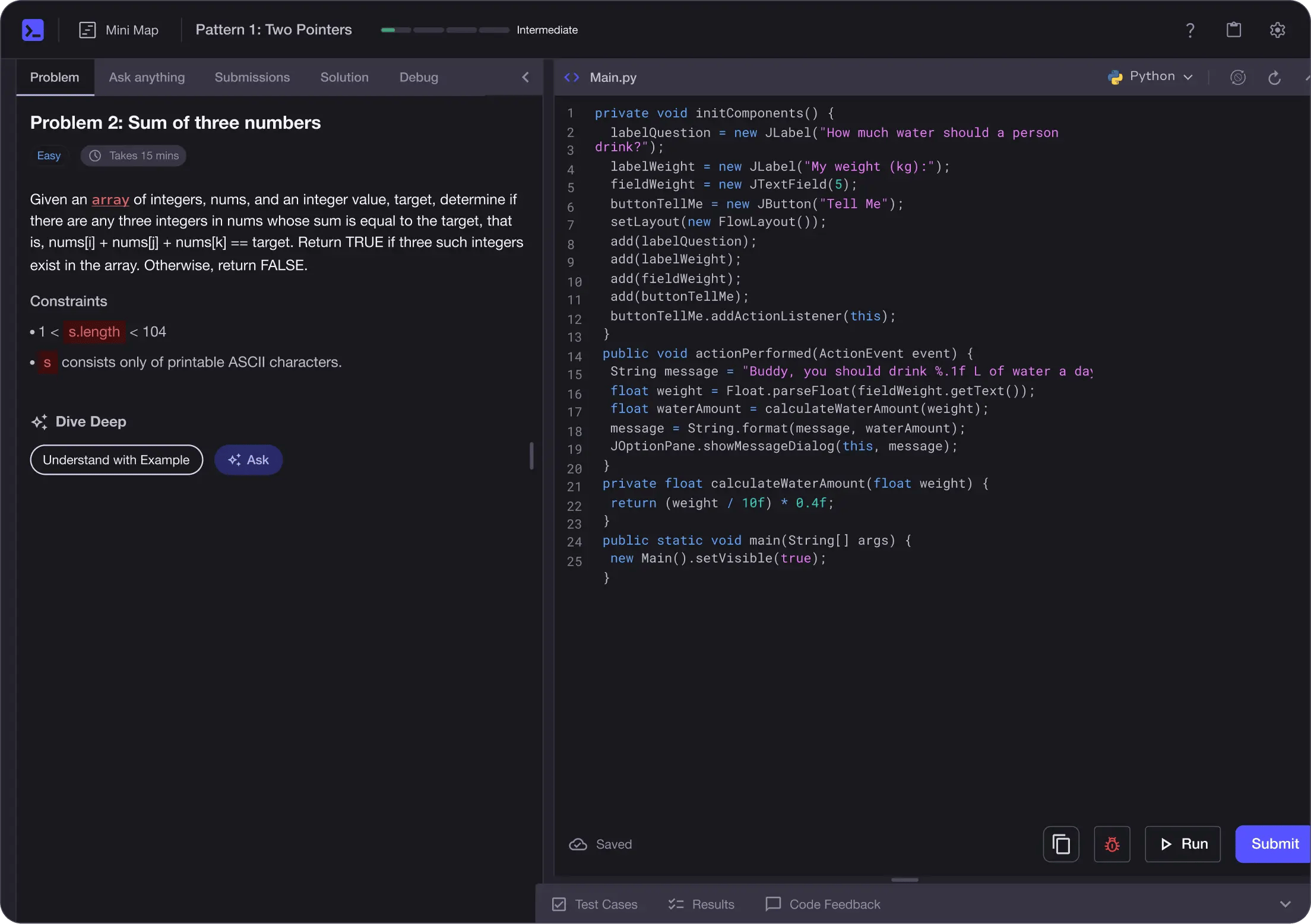
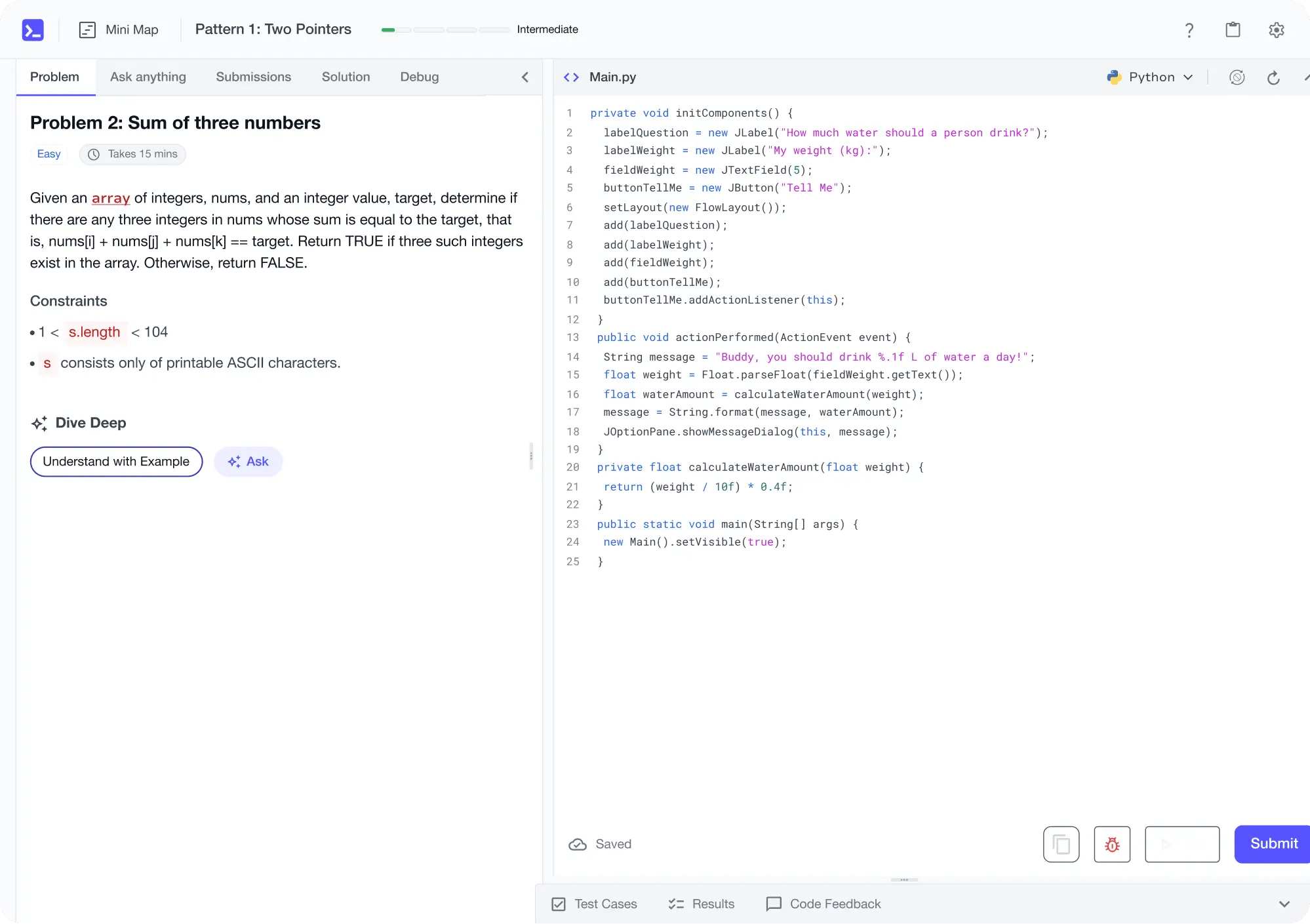
Learn by building with project-based lessons and in-browser code editor
Personalized Roadmaps
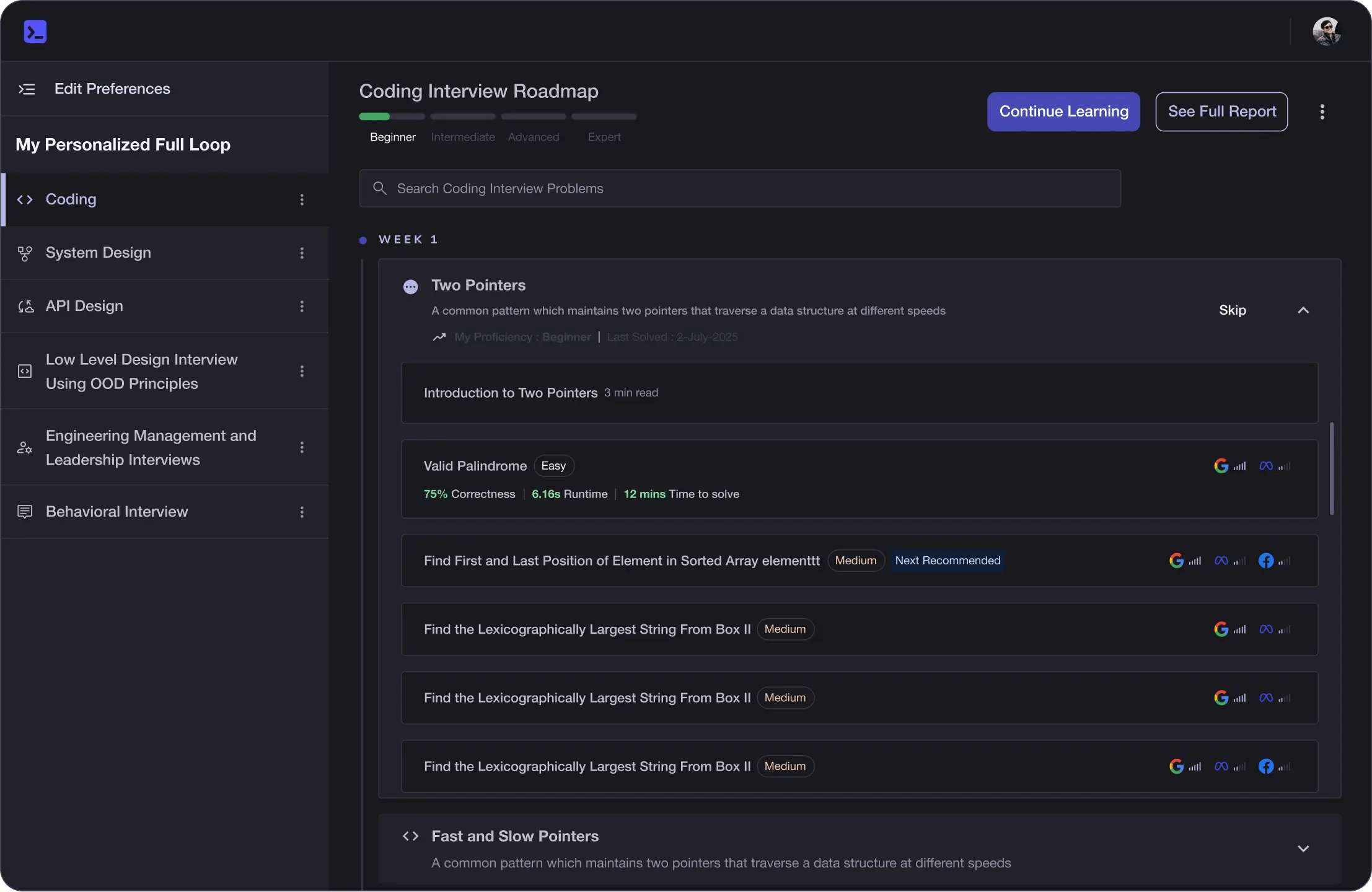
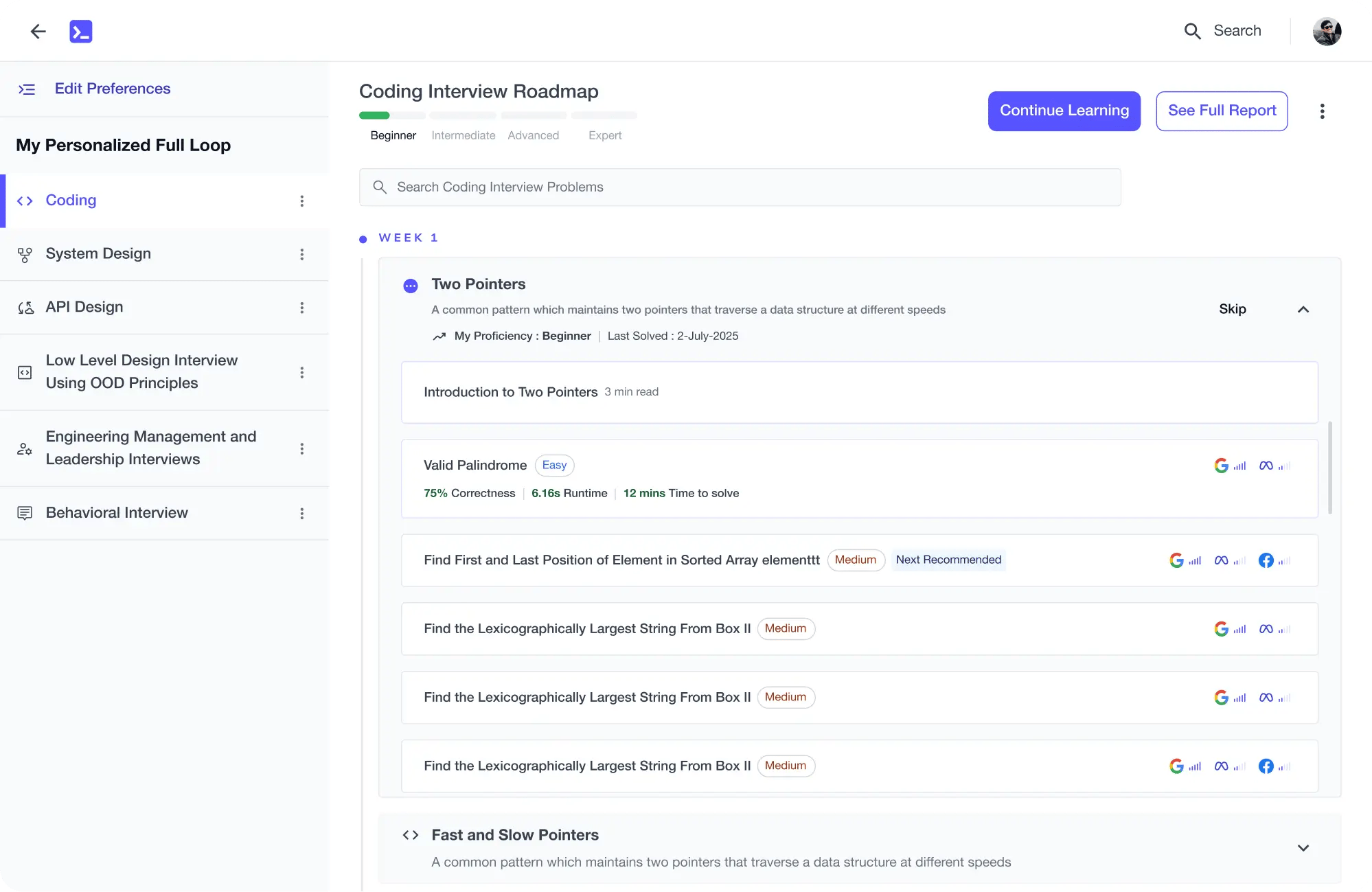
The platform adapts to your strengths & skills gaps as you go
Future-proof Your Career
Get hands-on with in-demand skills
AI Code Mentor
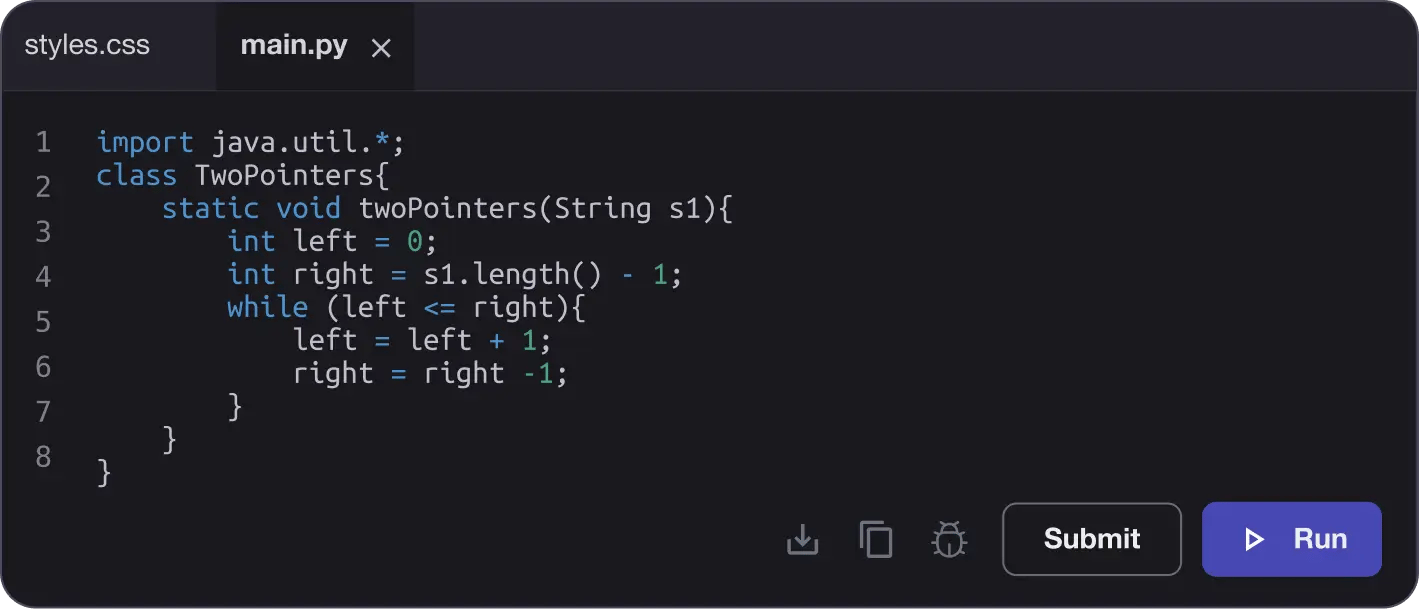
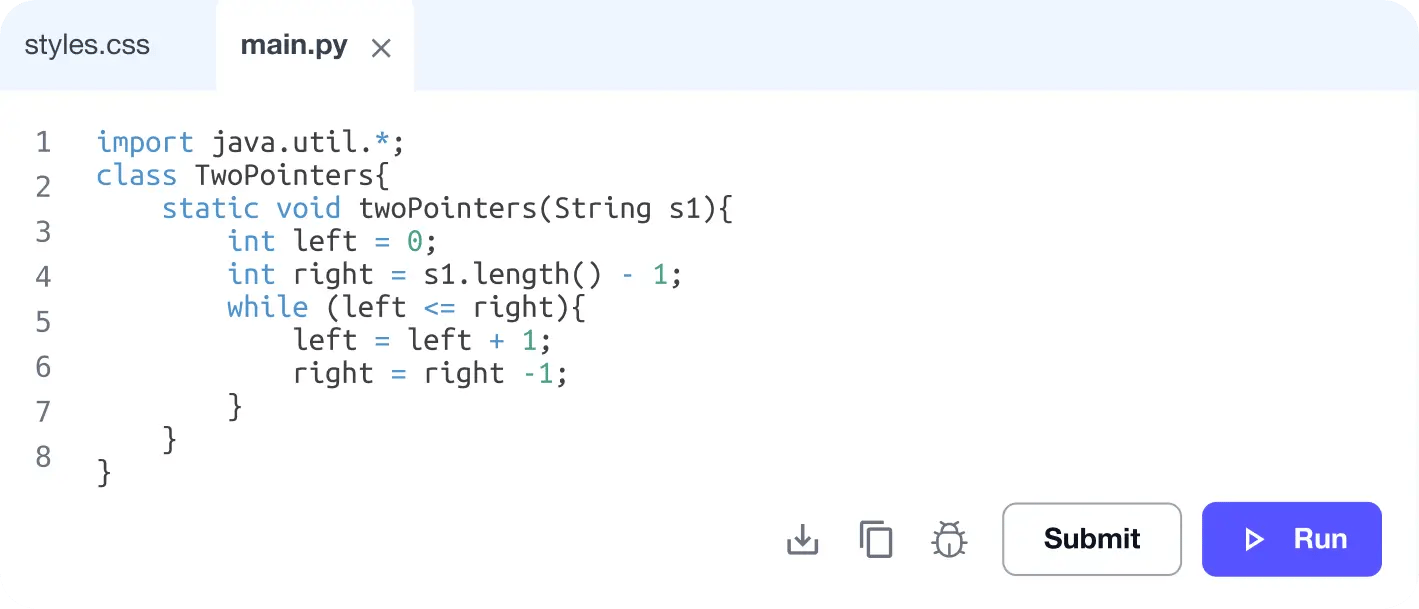
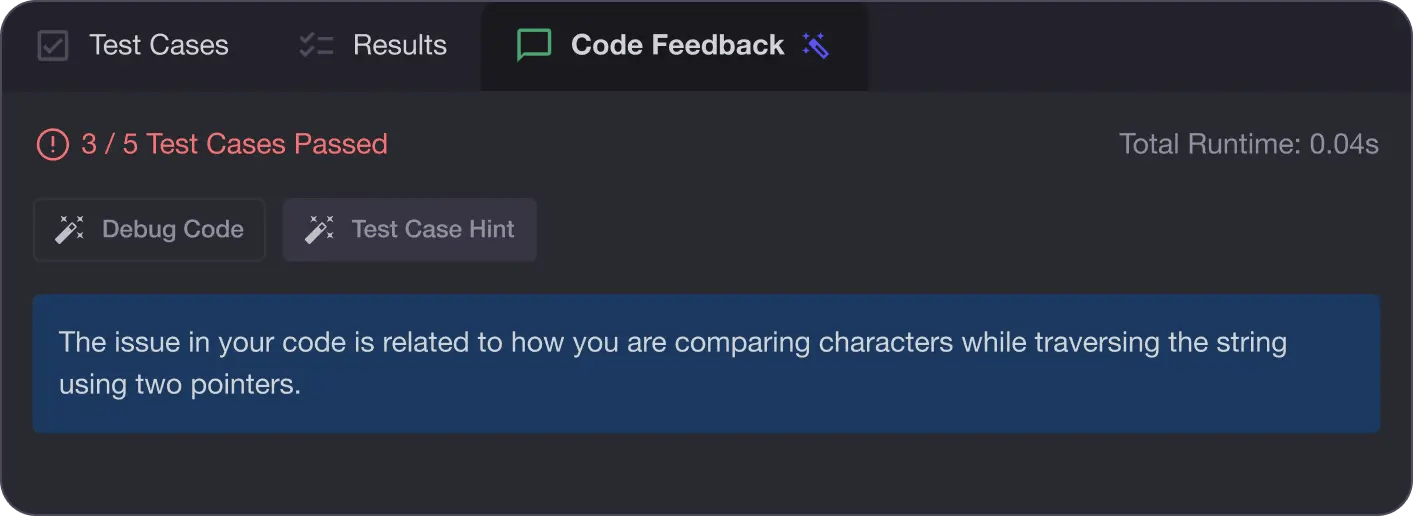
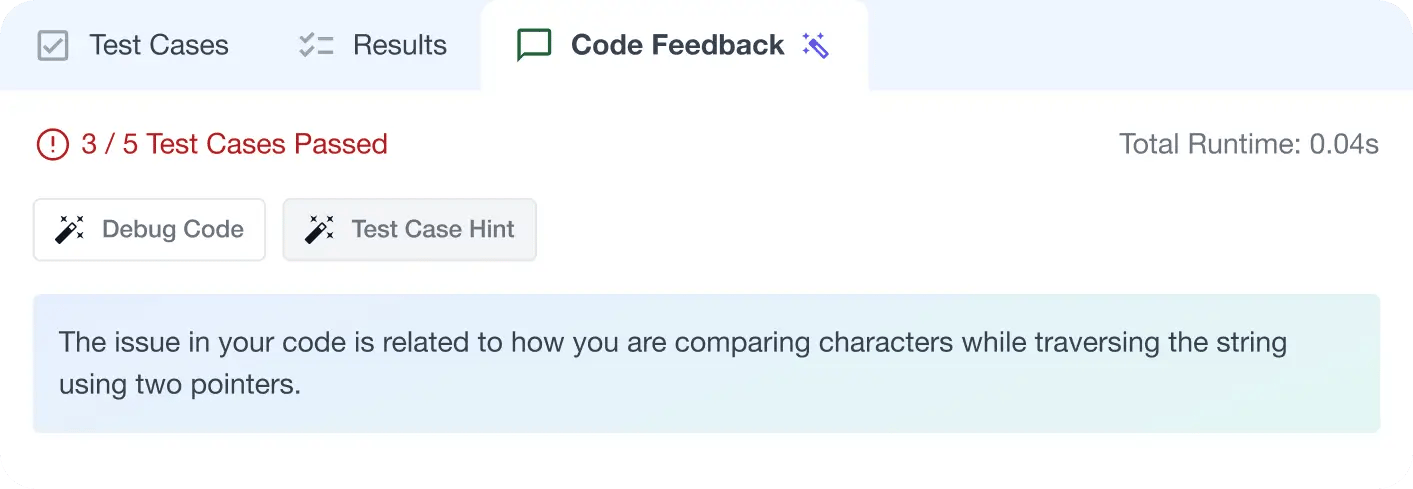
Write better code with AI feedback, smart debugging, and "Ask AI"
MAANG+ Interview Prep
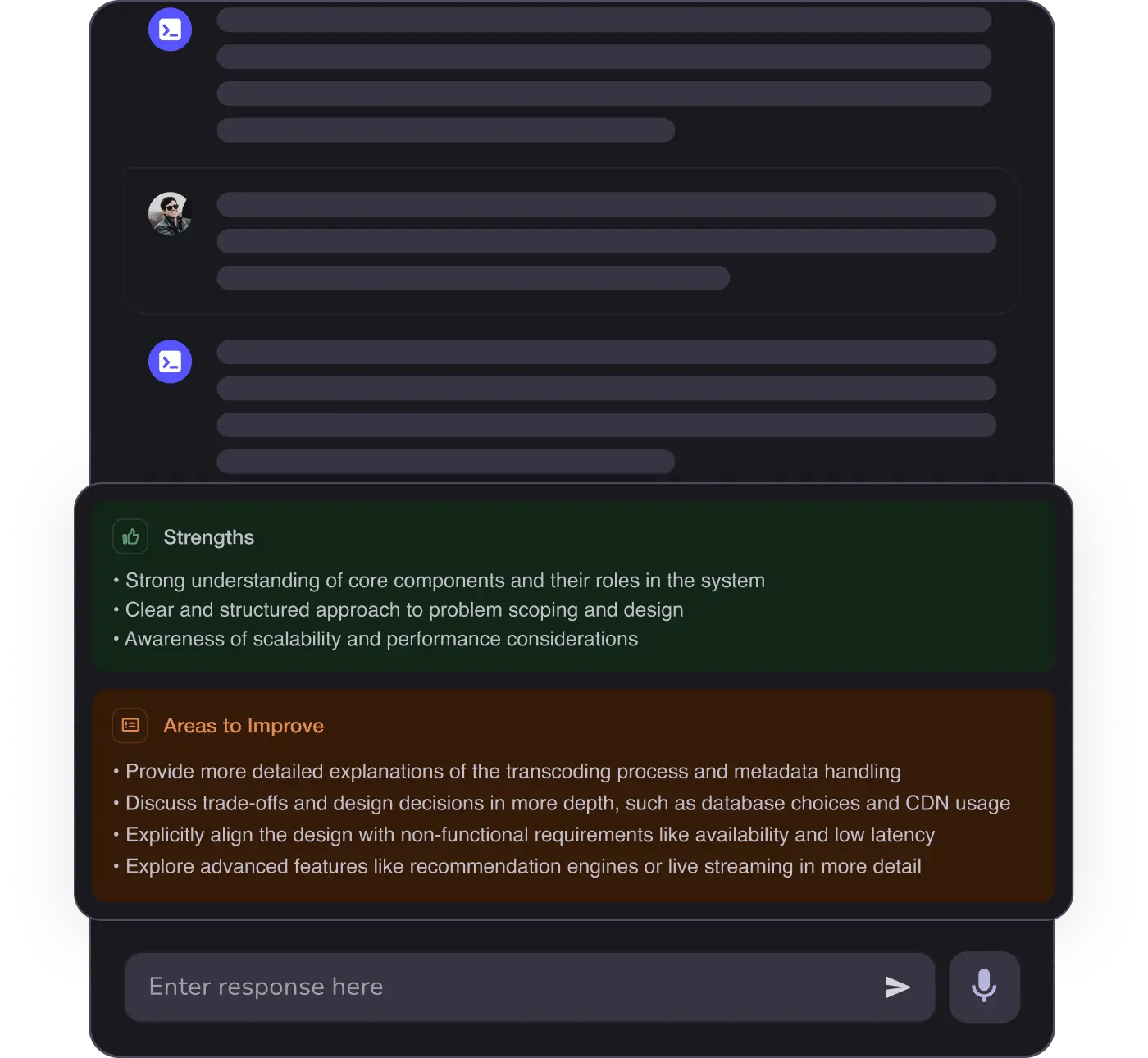
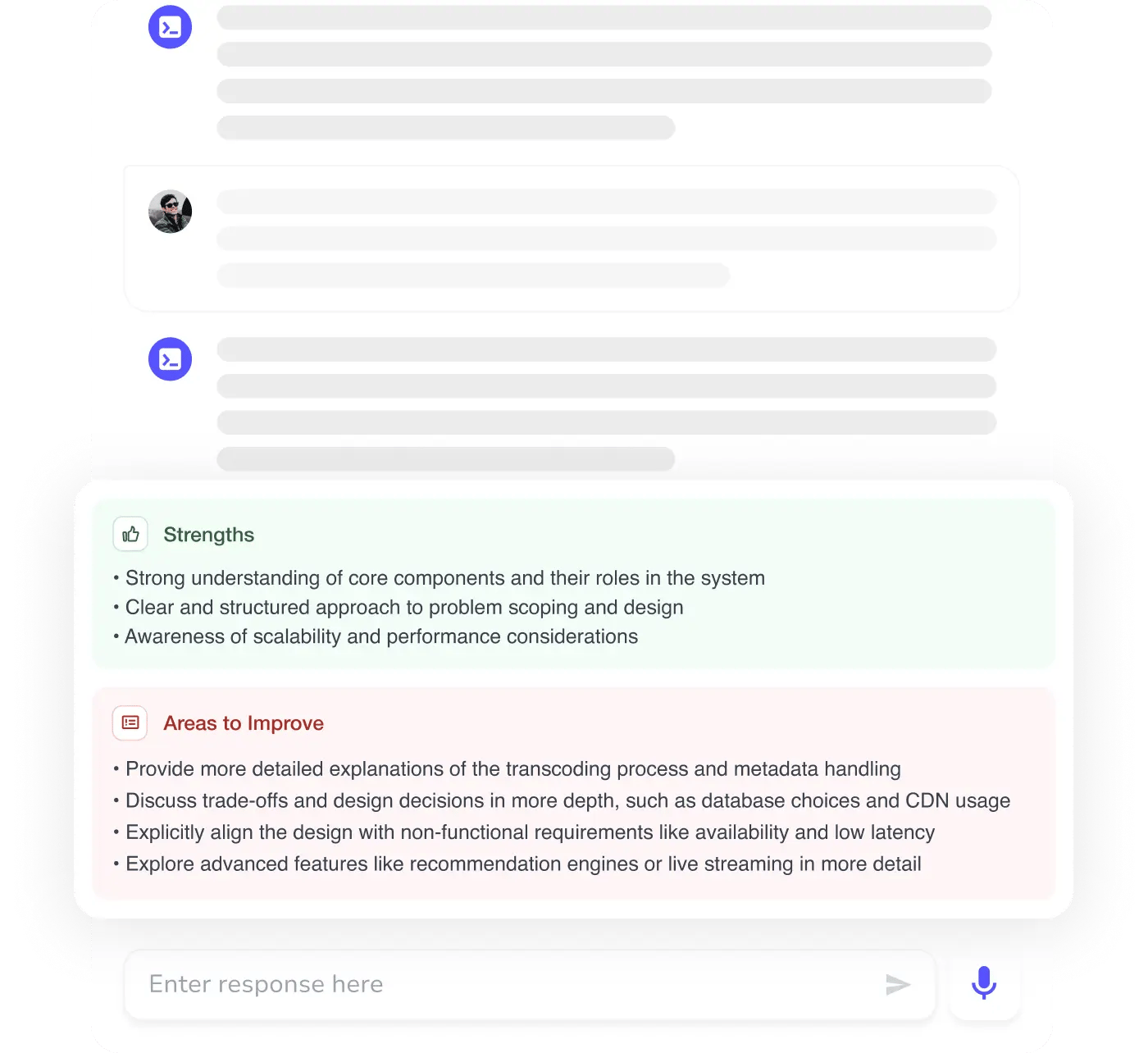
AI Mock Interviews simulate every technical loop at top companies
Free Resources