Mastering Self-Supervised Algorithms for Learning without Labels
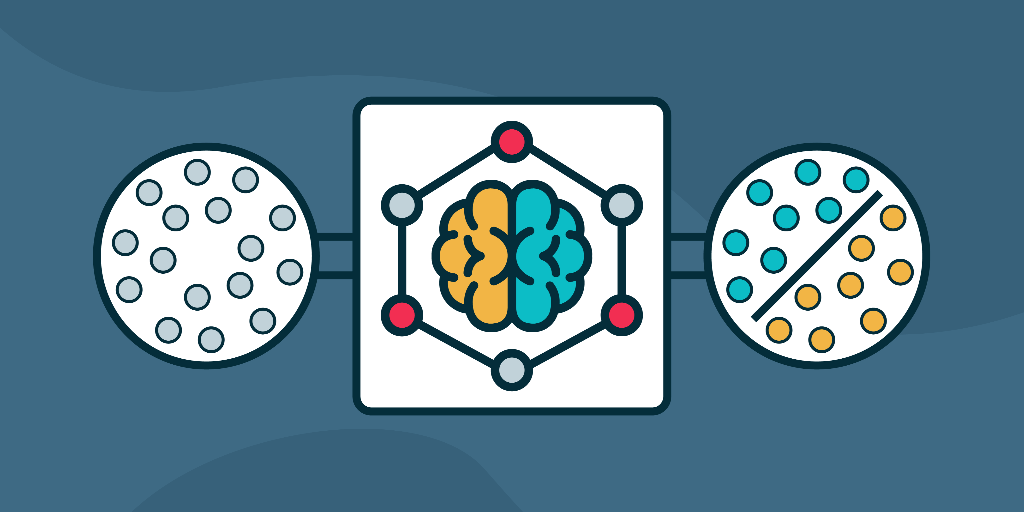
Gain insights into self-supervised learning. Delve into pseudo label generation, similarity maximization, redundancy reduction, and masked image modeling to apply and modify these algorithms on unlabelled datasets.
- 31 lessons across 5 modules
- 4 quizzes with instant feedback
- AI Tutor on every lesson

I am a Data and Applied Scientist at Microsoft Bing Advertising, working on Ad quality. Before this, I was an ML researcher at Adobe Experience Manager (AEM) Forms - working in the domain of documents, vision, and multimodality. I received my Computer Science Undergraduate Degree from the Indian Institute of Technology, Hyderabad. A machine learning enthusiast, my works at IIT and Adobe have been published in top-tier ML/CV venues (ECCV, ECML, CVPR, Pattern Recognition, WACV, etc.).
Join 3.1 million developers at
What You'll Learn
- An understanding of self-supervised learning and its advantage over unsupervised learning
- Working knowledge of designing your self-supervised learning tasks/objectives
- Hands-on experience implementing and modifying existing self-supervised learning objectives to learn from unlabelled data
- Ability to transfer and evaluate your self-supervised network representations on a downstream task
- Familiarity with core components of self-supervised learning, including pretext tasks, similarity maximization, redundancy reduction, and masked image modeling
Learning Roadmap
1.
Introduction to Self-Supervised Learning
Introduction to Self-Supervised Learning
2.
Pretext Tasks
Pretext Tasks
3.
Similarity Maximization and Redundancy Reduction
Similarity Maximization and Redundancy Reduction
12 Lessons
12 Lessons
4.
Masked Image Modeling
Masked Image Modeling
9 Lessons
9 Lessons
Puneet Mangla
Data and Applied Scientist at Microsoft Advertising working on Ad quality checks. As a part-time technical writer, I love teaching machine learning concepts through blogs and courses.
Trusted by 3.1 million developers working at companies
Anthony Walker
@_webarchitect_
Evan Dunbar
ML Engineer
Software Developer
Carlos Matias La Borde
Souvik Kundu
Front-end Developer
Vinay Krishnaiah
Software Developer
Built for 10x Developers
Free Resources
