Fundamentals of Machine Learning: A Pythonic Introduction
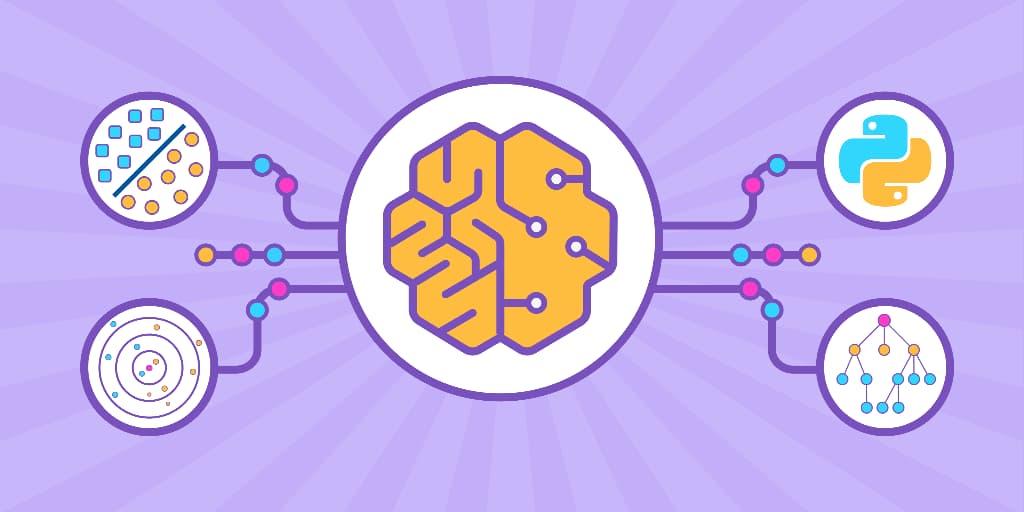
Explore machine learning fundamentals by building algorithms from scratch and using scikit-learn, while mastering classic models and modern techniques through hands-on projects.
- 73 lessons across 10 modules
- 30 quizzes with instant feedback
- 8 projects in preconfigured environments
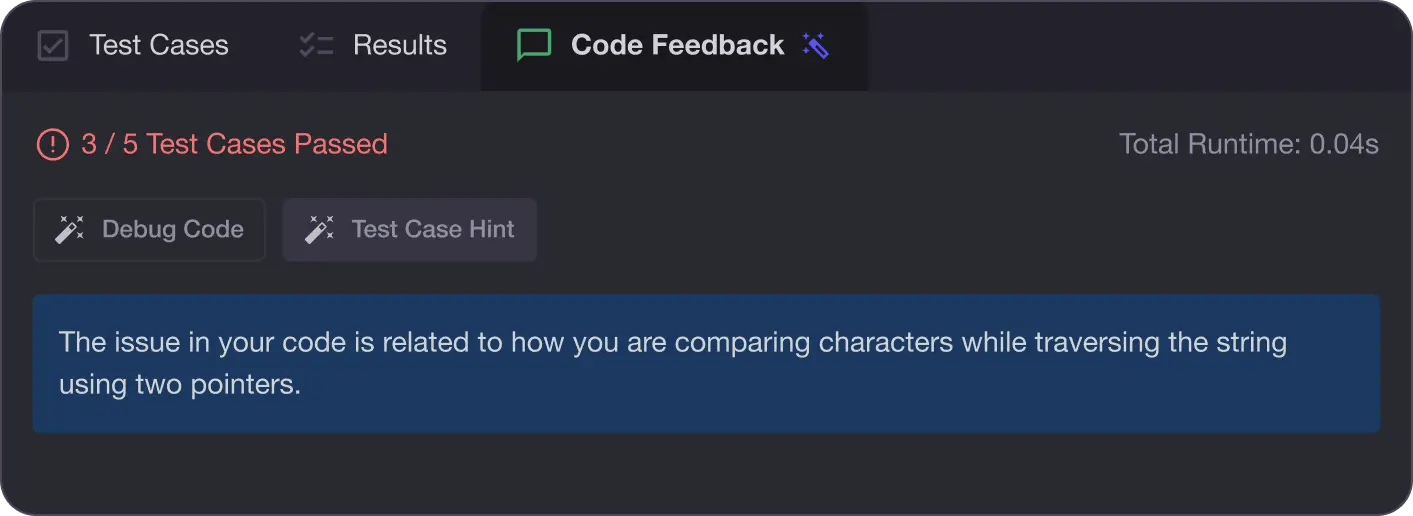
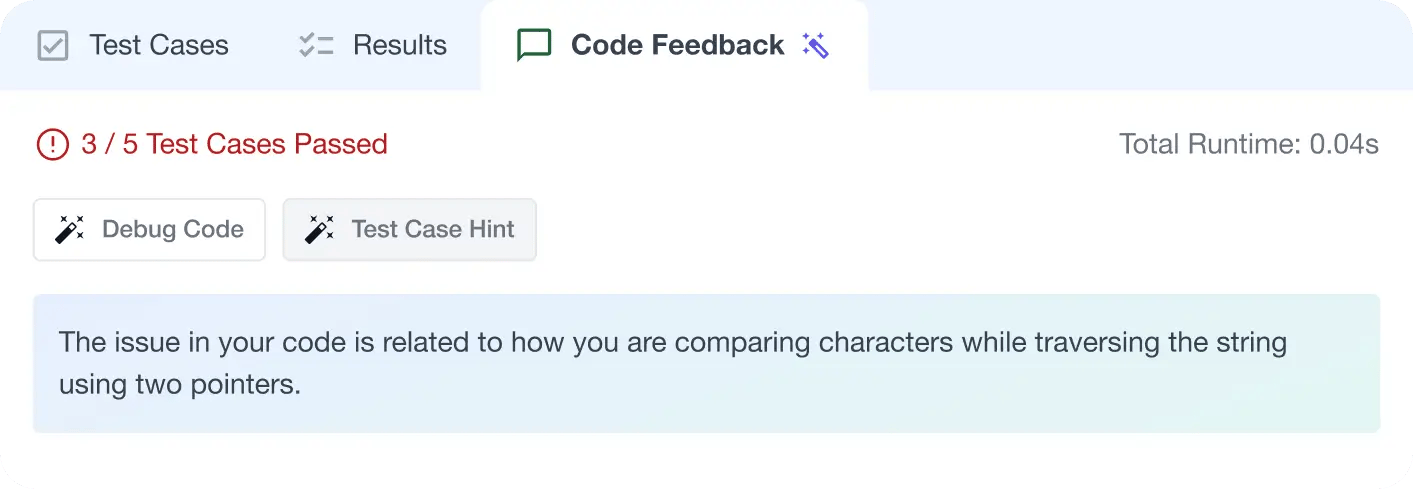
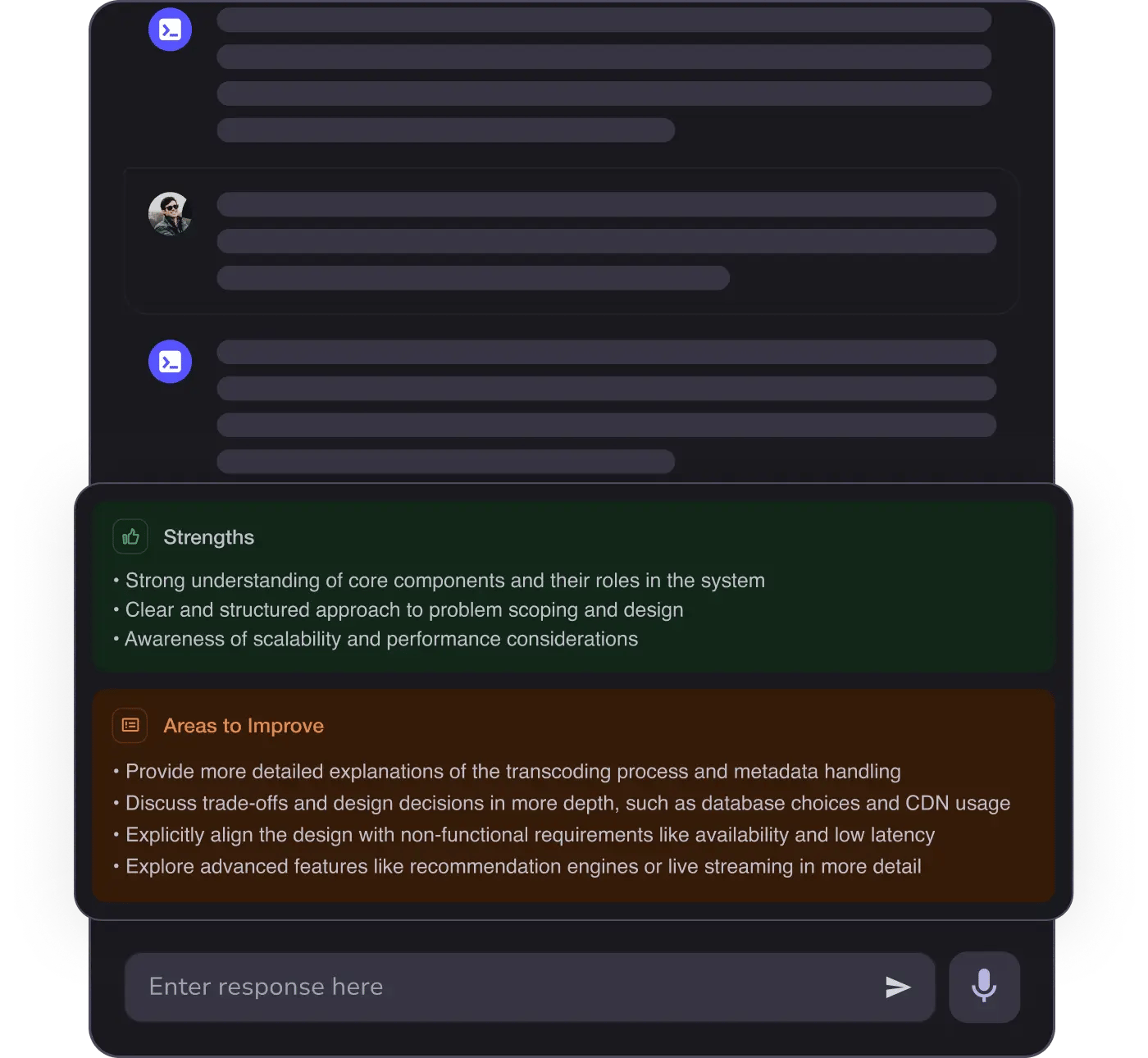
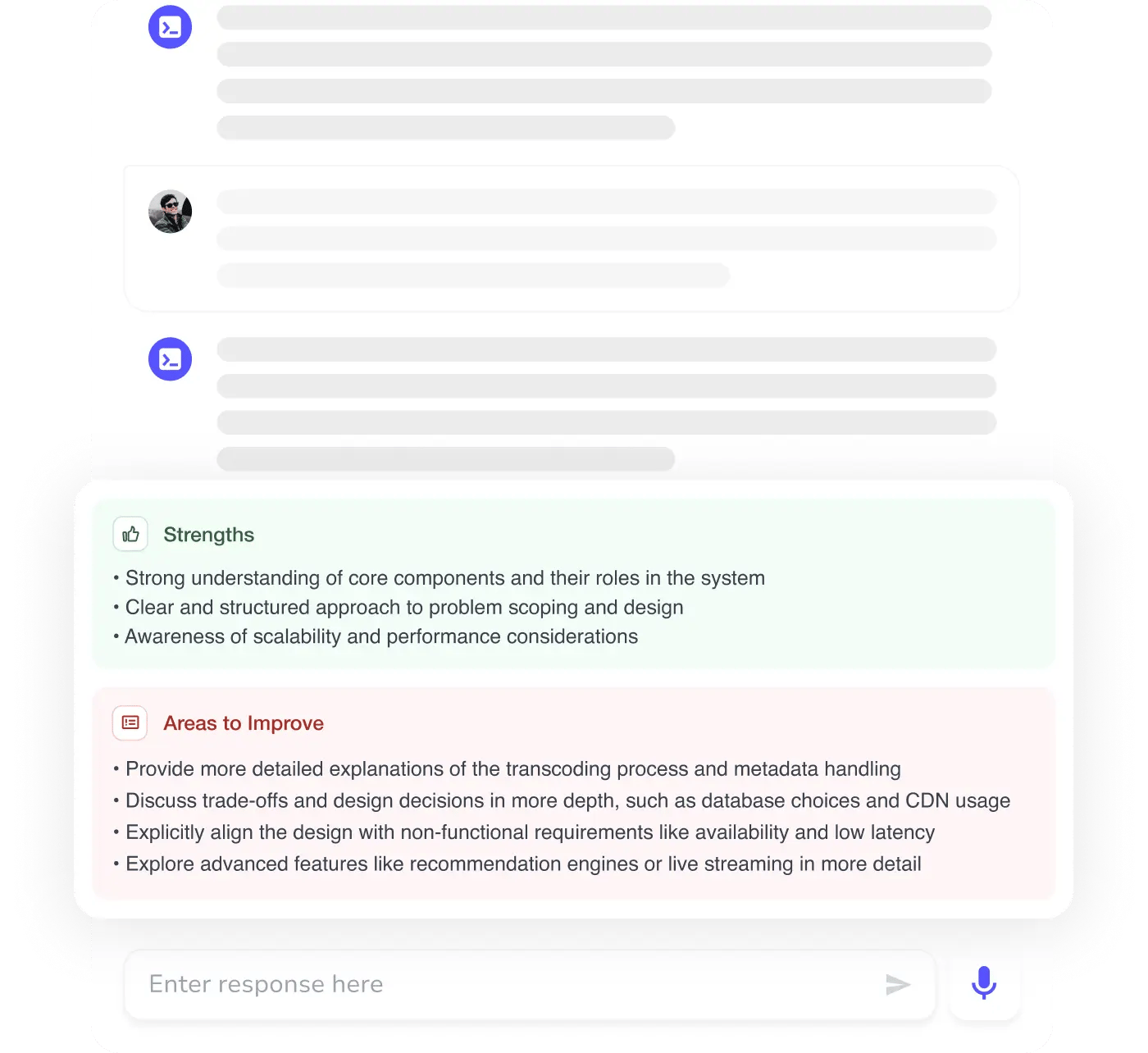
- AI Tutor on every lesson
- Build Robust Machine Learning ModelsApply foundational machine learning concepts to develop and evaluate models using Python and scikit-learn in real-world scenarios.
- Optimize Supervised Learning TechniquesUtilize advanced techniques like regularization and hyperparameter tuning to enhance model performance and generalization.
- Implement Effective Clustering SolutionsDeploy clustering algorithms such as k-means and DBSCAN to analyze and interpret complex datasets in practical applications.
- Communicate Machine Learning InsightsArticulate the rationale behind model choices and performance metrics, facilitating informed discussions in technical environments.
Dr. Khayyam Hashmi is a seasoned computer scientist and Generative AI and Machine Learning specialist. As a researcher, educator, and the VP of Technical Content at Educative, he is dedicated to making complex computing concepts accessible for learners worldwide. With a PhD in Computer Science from Wayne State University and academic publications in service-oriented systems and intelligent computing, Khayyam excels at fusing an academic perspective with practical software engineering insights. Khayyam’s courses, writing, and research spans technical topics including adaptive AI systems, neural networks, Intelligent tutoring systems, and production-ready software design.
Join 3.1 million developers at
What You'll Learn
- Explore core concepts of machine learning, including key algorithms and practical projects using Python and scikit-learn.
- Understand the structured machine learning pipeline from data collection to deployment, applying concepts across various domains.
- Differentiate between supervised, unsupervised, and reinforcement learning, identifying suitable approaches for different data problems.
- Analyze the role of inputs, features, and targets in supervised learning, emphasizing feature extraction and model accuracy.
- Evaluate the impact of parameters, loss functions, and regularization techniques on model training and performance.
- Implement clustering algorithms, including k-means and DBSCAN, to group similar data points and analyze clustering outcomes.
Learning Roadmap
1.
Course Overview
Course Overview
2.
Supervised Learning
Supervised Learning
3.
Clustering
Clustering
10 Lessons
10 Lessons
4.
Generalized Linear Regression
Generalized Linear Regression
9 Lessons
9 Lessons
5.
Support Vector Machine
Support Vector Machine
9 Lessons
9 Lessons
6.
Logistic Regression
Logistic Regression
8 Lessons
8 Lessons
7.
Ensemble Learning
Ensemble Learning
9 Lessons
9 Lessons
8.
Decoding Dimensions: PCA and Autoencoders
Decoding Dimensions: PCA and Autoencoders
6 Lessons
6 Lessons
9.
Appendix
Appendix
7 Lessons
7 Lessons
Khayyam Hashmi
Computer scientist and Generative AI and Machine Learning specialist. VP of Technical Content @ educative.io.
Trusted by 3.1 million developers working at companies
Anthony Walker
@_webarchitect_
Evan Dunbar
ML Engineer
Software Developer
Carlos Matias La Borde
Souvik Kundu
Front-end Developer
Vinay Krishnaiah
Software Developer
Built for 10x Developers

Free Resources
