Yes, you can use TensorFlow for generative AI by implementing models like GANs (Generative Adversarial Networks) and VAEs (Variational Autoencoders) to generate new data, such as images, text, and music.
Updated 27 Aug
AI-powered learning
Save this course
Generative AI with Python and TensorFlow 2
Explore generative AI with Python and TensorFlow 2, mastering advanced algorithms, implementing models, and leveraging cloud resources to future-proof your skills and lead the GenAI revolution.
5.0
103 lessons
3 projects
16h
Created by Packt
What's included
- 103 lessons across 16 modules
- 11 quizzes with instant feedback
- 3 projects in preconfigured environments
- AI Tutor on every lesson
Join 3.1 million developers at
What You'll Learn
- An understanding of generative models, including their applications, principles of probability, and various techniques used in generative AI
- Working knowledge of deep learning, including perceptrons, backpropagation, convolutional neural networks (CNNs), and recurrent neural networks (RNNs)
- Hands-on experience implementing generative AI models using TensorFlow 2
- Familiarity with emerging applications of generative AI
Learning Roadmap
2.
An Introduction to Generative AI
An Introduction to Generative AI
Look at generative AI's capabilities, applications, probability rules, and modeling benefits.
3.
Building Blocks of Deep Neural Networks
Building Blocks of Deep Neural Networks
8 Lessons
8 Lessons
Examine deep neural networks' architecture, training, specialized models, and optimization techniques.
4.
Teaching Networks to Generate Digits
Teaching Networks to Generate Digits
8 Lessons
8 Lessons
Grasp the fundamentals of training Deep Belief Networks with TensorFlow to generate digits.
5.
Painting Pictures with Neural Networks Using VAEs
Painting Pictures with Neural Networks Using VAEs
7 Lessons
7 Lessons
Deepen your knowledge of using VAEs in TensorFlow for image reconstruction and generation.
6.
Image Generation with GANs
Image Generation with GANs
11 Lessons
11 Lessons
Explore generative adversarial networks (GANs), their variants, training processes, and common challenges.
7.
Style Transfer with GANs
Style Transfer with GANs
6 Lessons
6 Lessons
Master the steps to creative image transformations using GANs for paired and unpaired style transfers.
8.
Deepfakes with GANs
Deepfakes with GANs
11 Lessons
11 Lessons
Learn how to use deepfake technology, focusing on GAN architectures, face swapping, and ethical concerns.
9.
The Rise of Methods for Text Generation
The Rise of Methods for Text Generation
7 Lessons
7 Lessons
Discover the logic behind text generation methods, including RNNs, LSTMs, and convolutional networks.
10.
NLP 2.0: Using Transformers to Generate Text
NLP 2.0: Using Transformers to Generate Text
5 Lessons
5 Lessons
Go hands-on with transformer architectures, key NLP concepts, and advanced text generation.
11.
Composing Music with Generative Models
Composing Music with Generative Models
7 Lessons
7 Lessons
Enhance your skills in AI-based music generation using RNNs, GANs, and multi-track models.
12.
Play Video Games with Generative AI: GAIL
Play Video Games with Generative AI: GAIL
8 Lessons
8 Lessons
Solve problems in reinforcement learning using GAIL and adversarial imitation techniques.
13.
Emerging Applications in Generative AI
Emerging Applications in Generative AI
6 Lessons
6 Lessons
Investigate emerging generative AI applications in drug discovery, PDE solutions, video creation, and recipe generation.
15.
Appendix
Appendix
9 Lessons
9 Lessons
Learn how to use tools like TensorFlow, Docker, Kubernetes, and Kubeflow for effective AI development.
Certificate of Completion
Showcase your accomplishment by sharing your certificate of completion.
Complete more lessons to unlock your certificate
About this course
WHY I WROTE THIS COURSE
With recent improvements in machine learning and deep learning, generative modeling has seen a tremendous uptick in the number of research works and its applications across different areas. Some of the newer methods (such as GANs) are very powerful yet difficult to control, making the overall learning process both exciting and frustrating.
In this course, you’ll explore generative AI, a cutting-edge technology for generating synthetic (yet strikingly realistic) data using advanced machine learning algorithms. You’ll learn the theory and fundamentals and discover the potential and impact of these models through worked examples. You’ll also implement these models using a variety of open-source technologies—the Python programming language, the TensorFlow 2 library for deep neural network development, and cloud computing resources such as Google Colab and the Kubeflow project.
Taking this course will help learners explore more complex topics and cutting-edge research with ease.
ABOUT THE AUTHOR
Packt
A tech learning platform that provides online courses, eBooks, videos, and other resources to help individuals and organizations stay ahead of emerging and popular technologies.
Trusted by 3.1 million developers working at companies
A
Anthony Walker
@_webarchitect_
E
Evan Dunbar
ML Engineer
S
Software Developer
Carlos Matias La Borde
S
Souvik Kundu
Front-end Developer
V
Vinay Krishnaiah
Software Developer
Frequently Asked Questions
Can I use TensorFlow for generative AI?
What is GAN in AI?
Built for 10x Developers
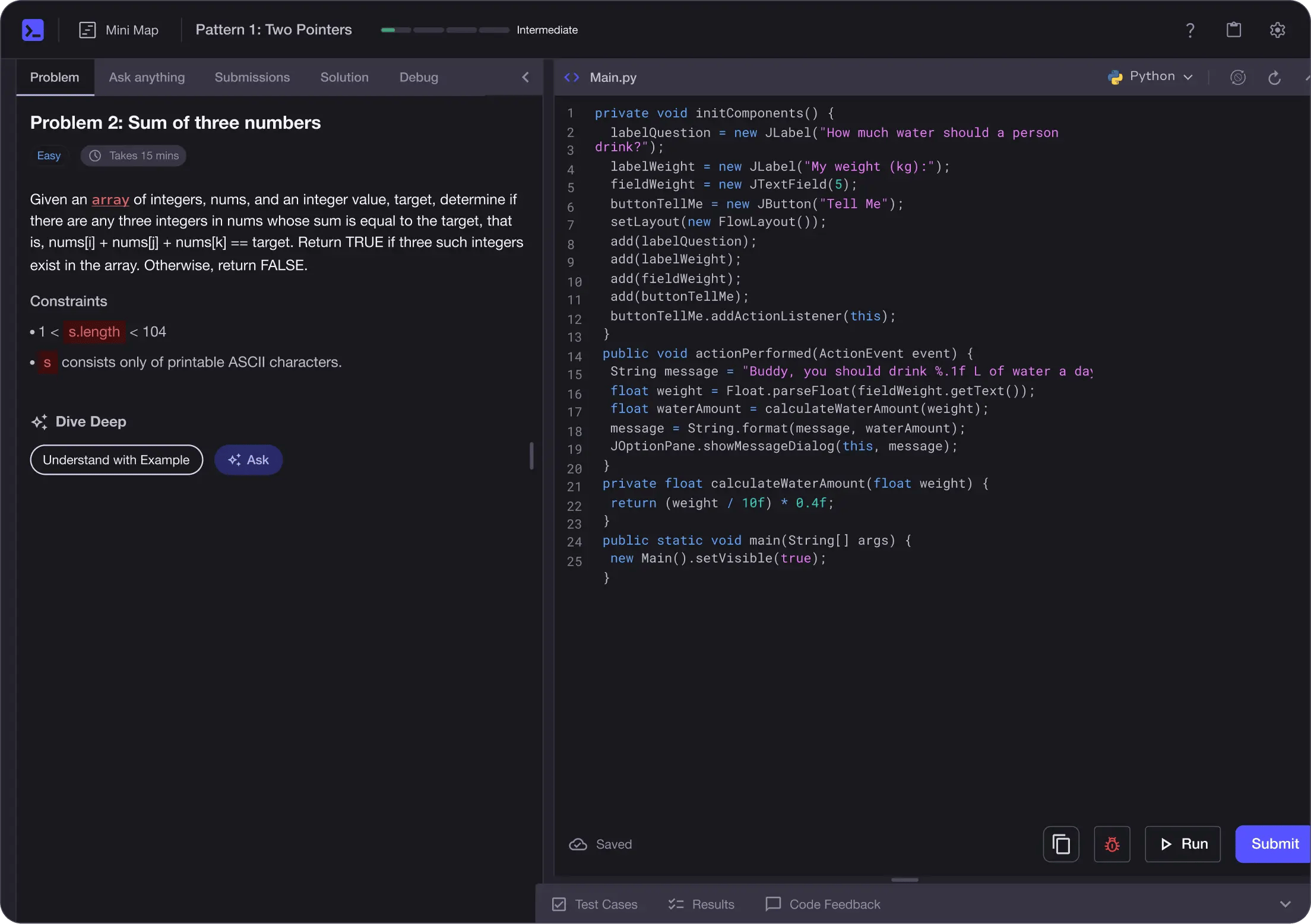
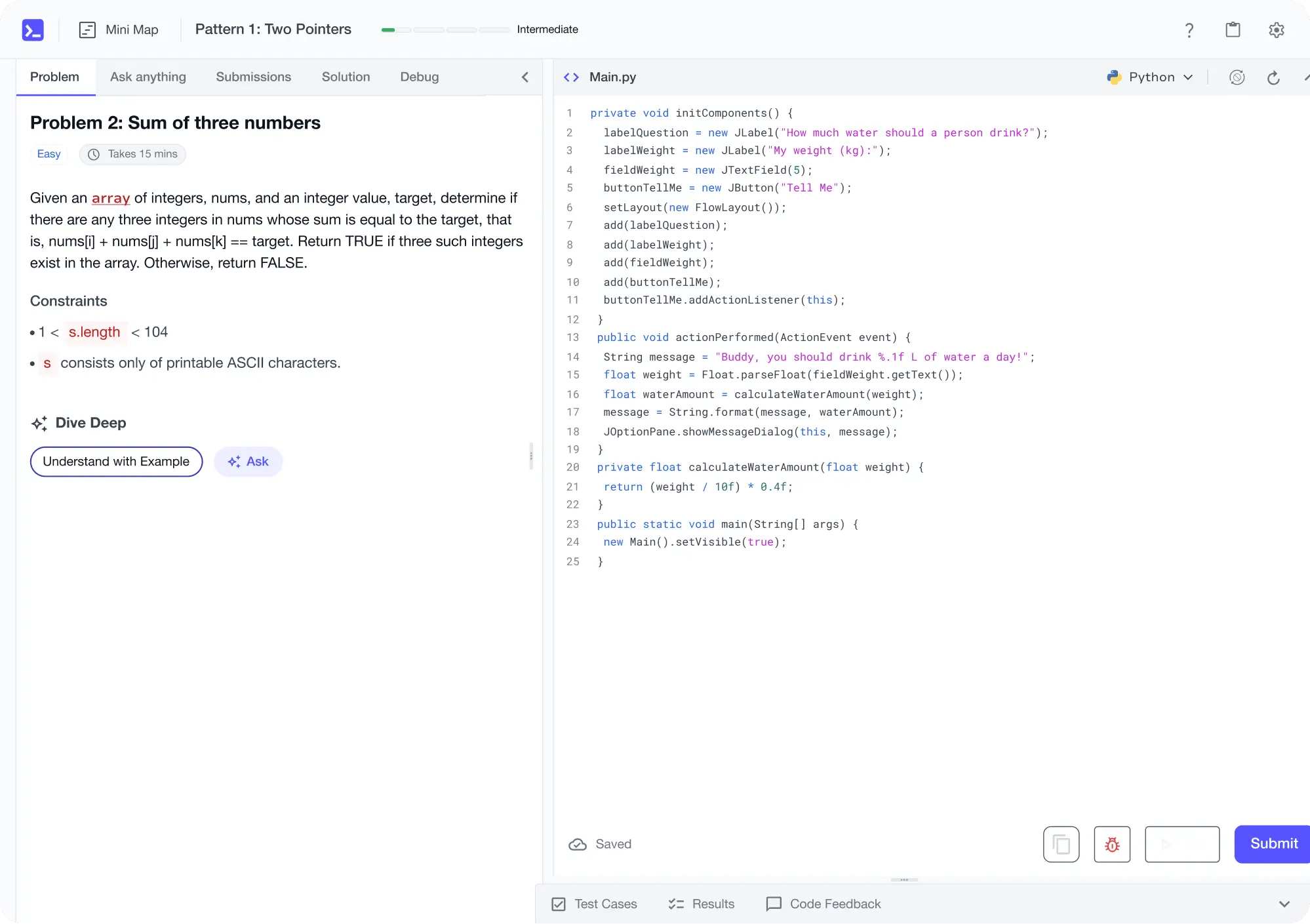
No Passive Learning
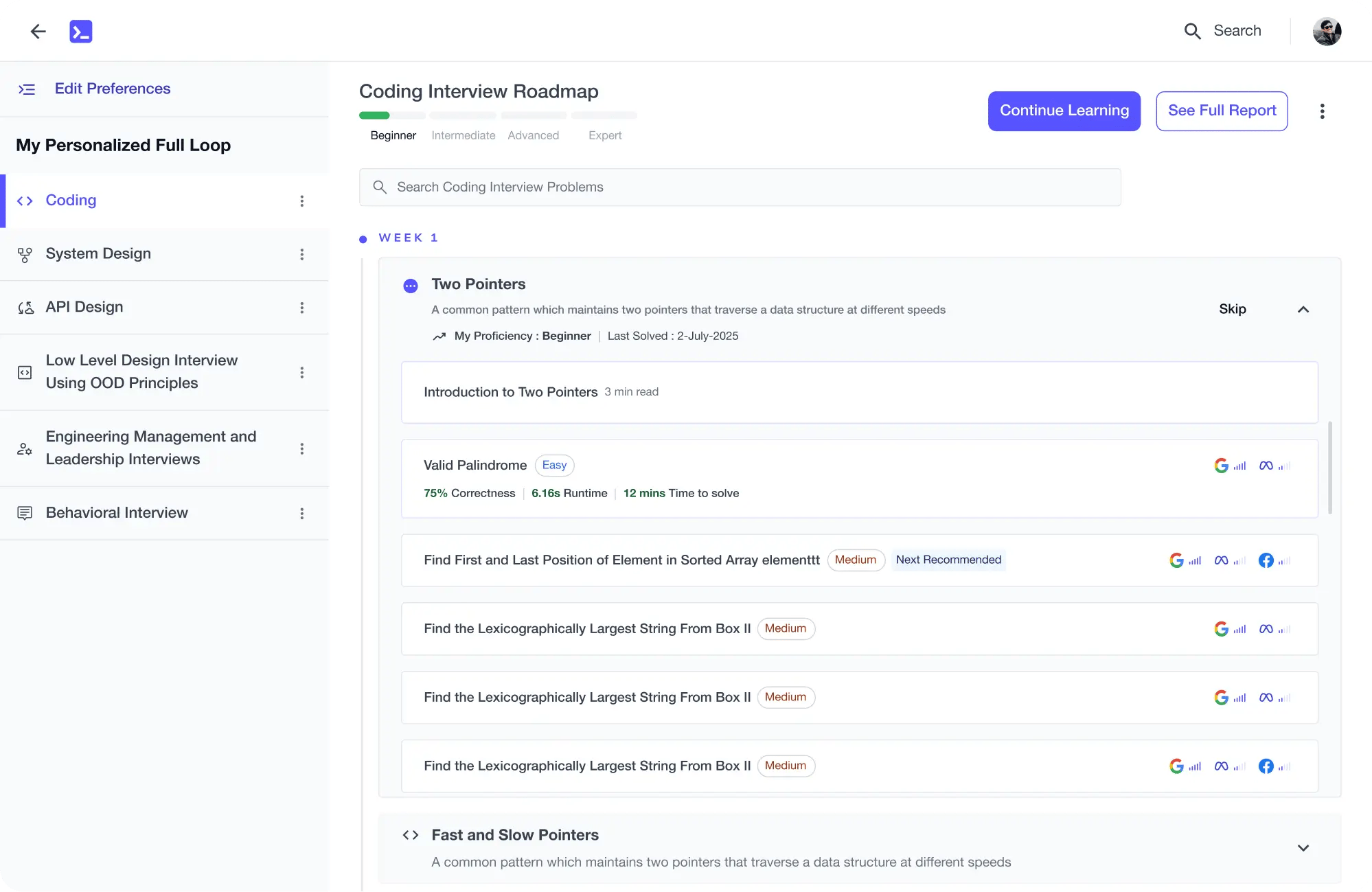
Learn by building with project-based lessons and in-browser code editor
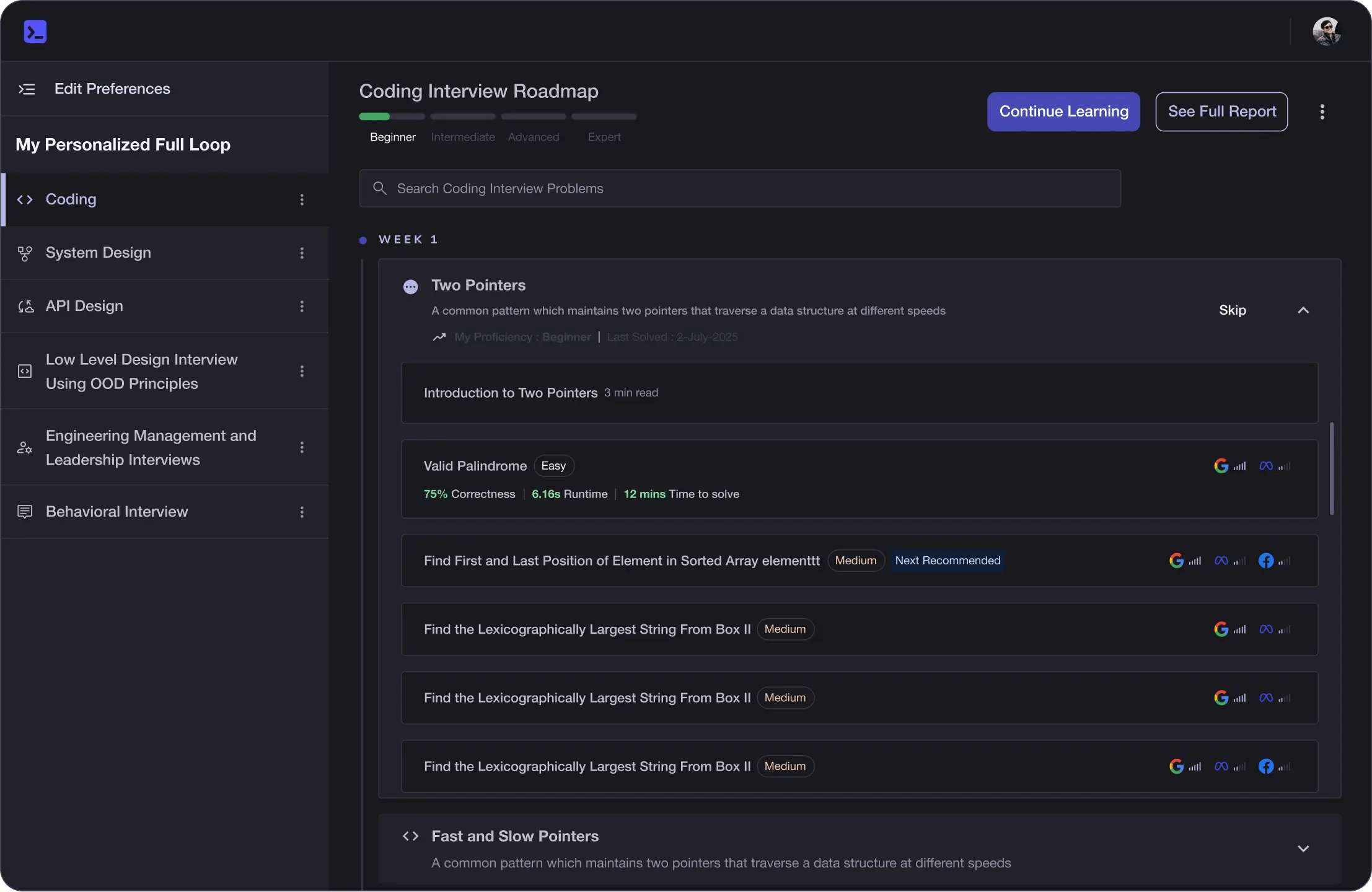
Personalized Roadmaps
The platform adapts to your strengths & skills gaps as you go
Future-proof Your Career
Get hands-on with in-demand skills
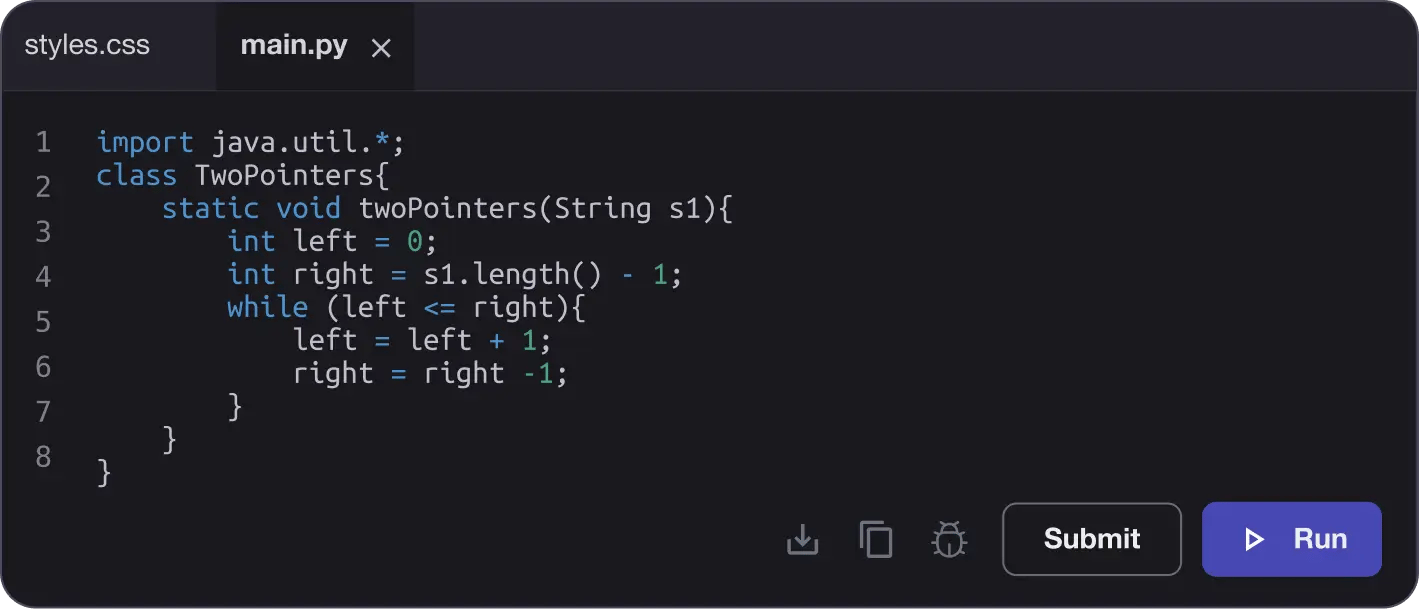
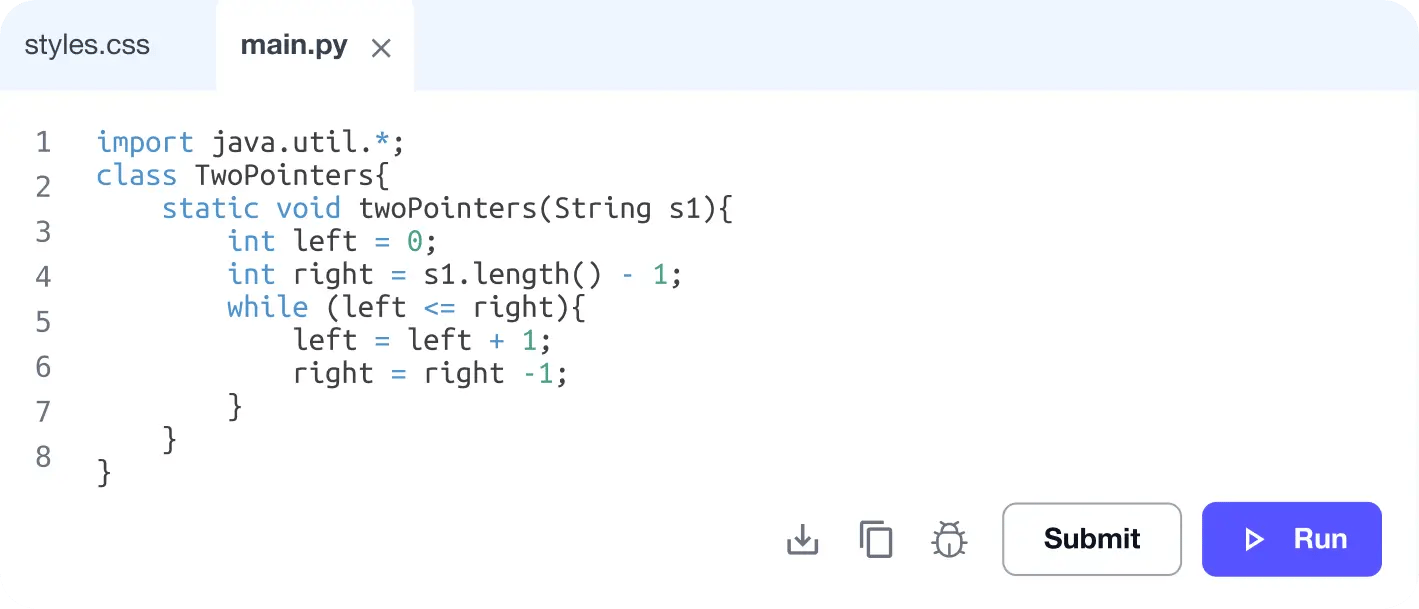
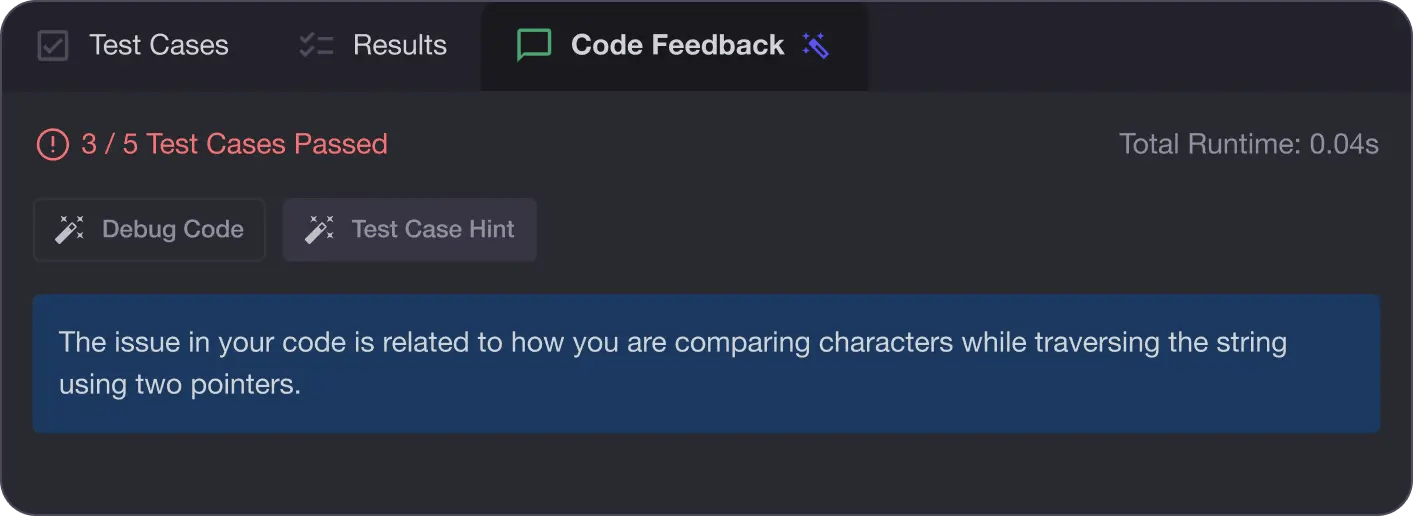
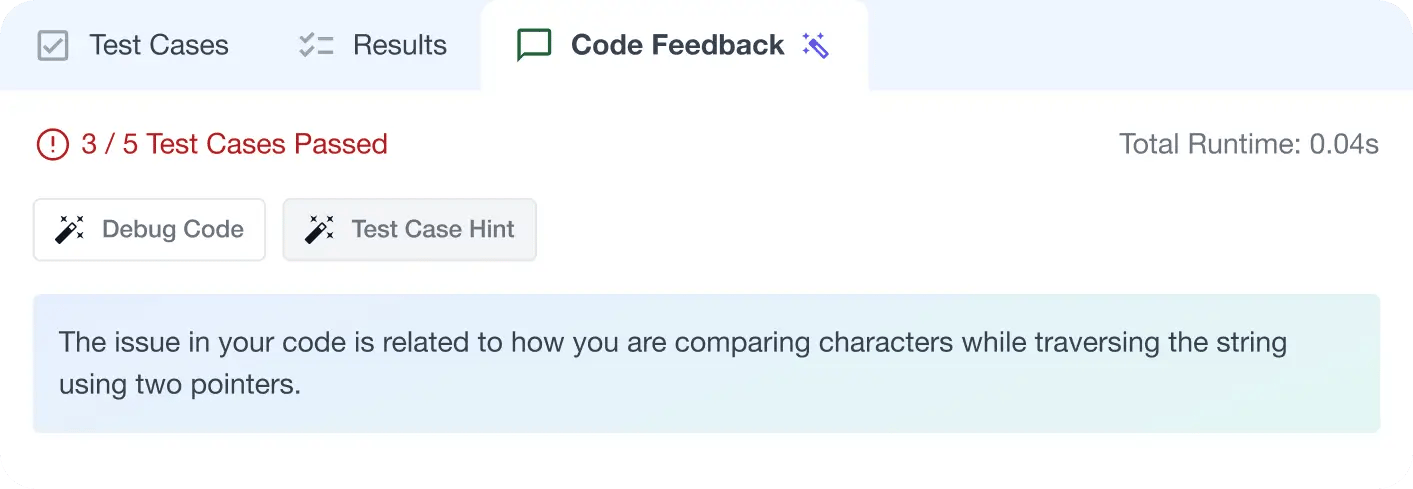
AI Code Mentor
Write better code with AI feedback, smart debugging, and "Ask AI"
MAANG+ Interview Prep
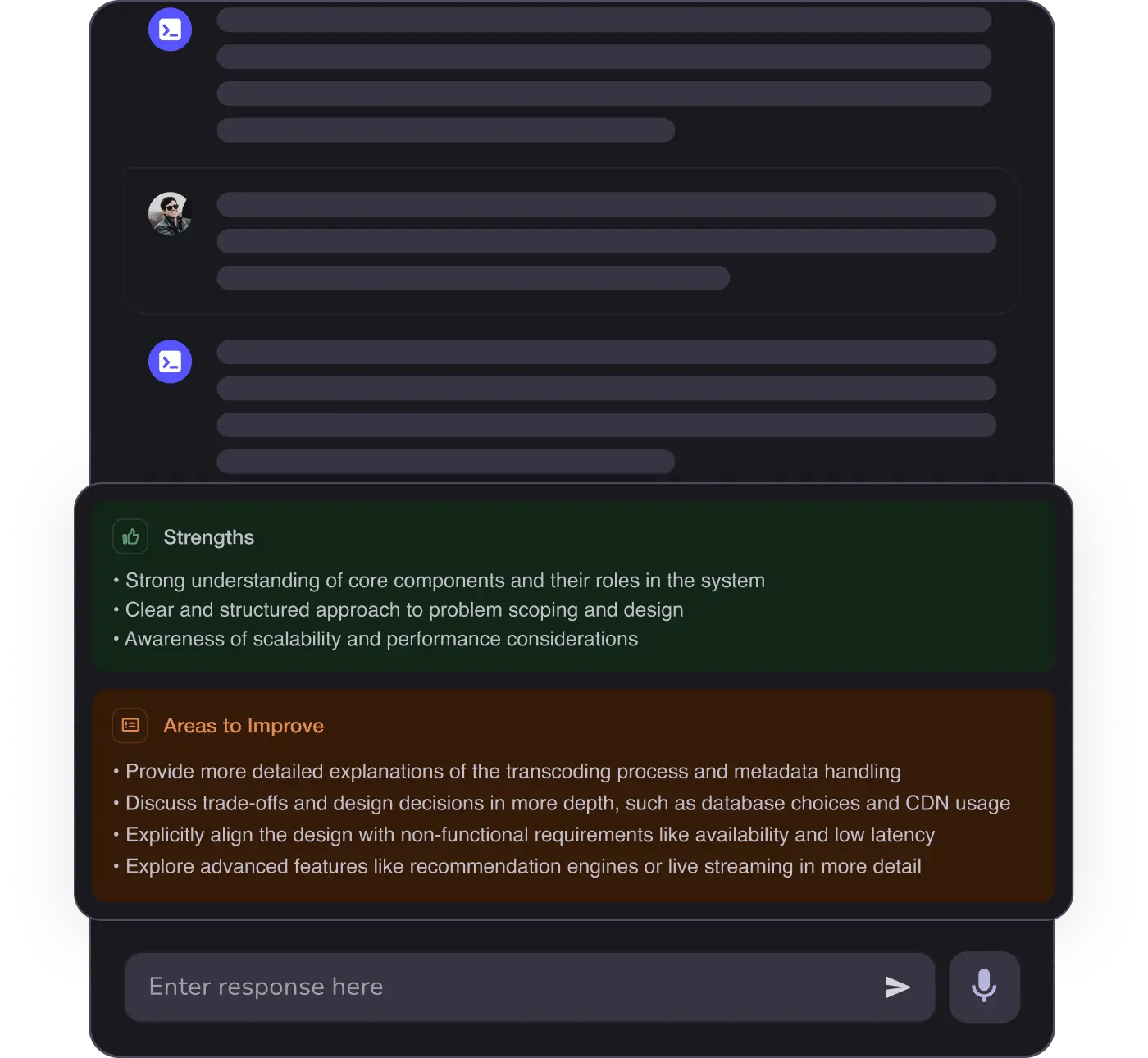
AI Mock Interviews simulate every technical loop at top companies
Free Resources