HomeCoursesIntroduction to JAX and Deep Learning
AI-powered learning
Save

Introduction to JAX and Deep Learning

Gain insights into JAX and its ecosystem, delve into linear algebra, random variables, and optimization algorithms to make deep learning programming more intuitive and structured.

4.8
53 Lessons
2h 30min
Updated 2 weeks ago
Join 3 million developers at
LEARNING OBJECTIVES
  • Explore the core features of JAX, including just-in-time compilation, automatic differentiation, and vectorization for deep learning.
  • Apply functional programming principles by writing pure functions in JAX to enhance code reliability and predictability.
  • Utilize JAX's NumPy variant to perform array operations and understand differences in GPU and TPU utilization.
  • Implement auto-differentiation techniques in JAX to simplify gradient computations for optimization in machine learning.
  • Design and build neural networks using Flax and Haiku, focusing on parameter management and model architecture.
  • Evaluate optimization methods with JAX's Optax library, applying various optimizers and learning-rate scheduling techniques.
KEY OUTCOMES
Ace JAX Programming Interviews

Demonstrate proficiency in JAX programming concepts and techniques during technical interviews, showcasing your ability to solve complex problems.

Build Scalable Deep Learning Models

Create and optimize deep learning models using JAX, leveraging its ecosystem for efficient computation and model design in production environments.

Implement Advanced Optimization Techniques

Apply advanced optimization strategies in JAX, including gradient clipping and differential privacy, to enhance model training and performance.

Debug JAX Applications Effectively

Utilize tools like Chex to test and debug JAX applications, ensuring reliable numerical computations and smoother development workflows.

Learning Roadmap

53 Lessons1 Project7 Quizzes14 Challenges

1.

Introduction

Introduction

Get familiar with JAX, a powerful library for deep learning and numerical computing.

2.

JAX Programming Model

JAX Programming Model

Walk through JAX's programming model, including pure functions, JIT, jaxpr, and autodiff.

3.

Linear Algebra

Linear Algebra

15 Lessons

15 Lessons

Explore the fundamental concepts of vectors, matrices, multivariate calculus, and convolutions in deep learning.

4.

Random Variables and Distributions

Random Variables and Distributions

7 Lessons

7 Lessons

Grasp the fundamentals of random variables, distributions, PRNGs, and divergence measures in JAX.

5.

JAX Ecosystem

JAX Ecosystem

14 Lessons

14 Lessons

Take a closer look at the tools and libraries within the JAX ecosystem for deep learning.

6.

Appendix

Appendix

6 Lessons

6 Lessons

Focus on installation steps, notable JAX libraries, models, vector calculus, common errors, and key terms.
Certificate of Completion
Showcase your accomplishment by sharing your certificate of completion.
Fahim Ul HaqIntroduction to JAX andDeep LearningFounder & CEO
Developed by MAANG Engineers
ABOUT THIS COURSE
As deep learning systems grow in complexity, the tools we use to build them must support both performance and clarity. JAX has emerged as a powerful alternative to traditional frameworks, combining the simplicity of NumPy with the ability to scale across modern hardware. For engineers looking to learn JAX, the challenge is understanding how to think in a functional, composable way that aligns with modern deep learning workflows. I built this course from my experience working with neural networks and teaching advanced machine learning concepts across different levels of abstraction. A consistent gap I observed was that learners could use high-level frameworks, but struggled to understand what was happening under the hood. JAX provides that bridge, but only if it’s taught correctly. This course is designed to help you learn JAX not as a tool in isolation, but as a way of structuring deep learning systems more transparently. You’ll start with the foundations of JAX, including array operations, transformations, and automatic differentiation. From there, you’ll explore its ecosystem, Flax, Haiku, Optax, and more, while building intuition around randomness, optimization, and composable model design. Throughout the course, concepts from linear algebra and probability are applied directly to deep learning use cases, reinforcing both theory and practice. If you want to learn JAX in a way that deepens your understanding of deep learning while improving how you build models, this course provides a clear, structured path forward.
ABOUT THE AUTHOR

Khayyam Hashmi

Computer scientist and Generative AI and Machine Learning specialist. VP of Technical Content @ educative.io.

Learn more about Khayyam

Trusted by 3 million developers working at companies

Built for 10x Developers

No Passive Learning
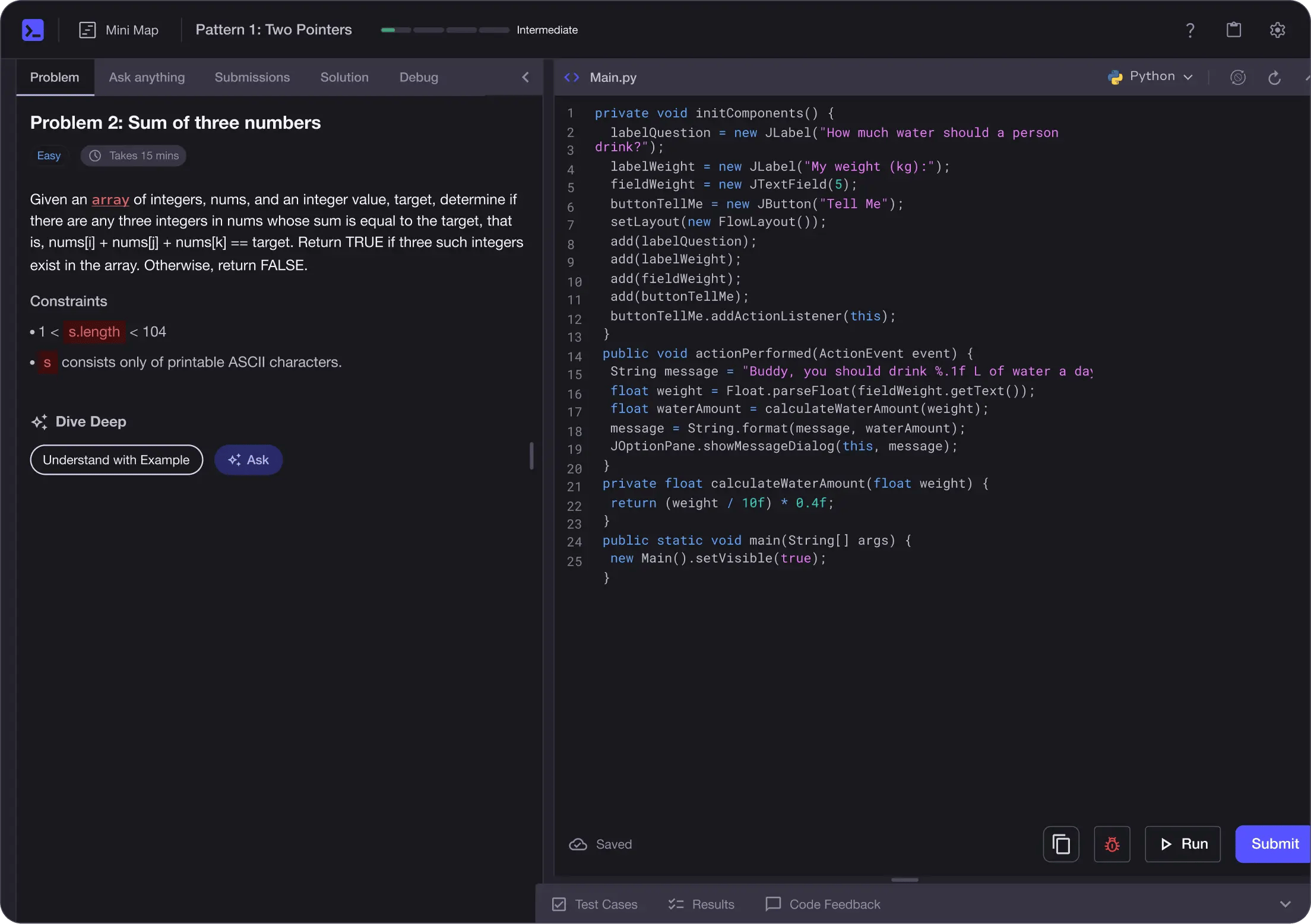
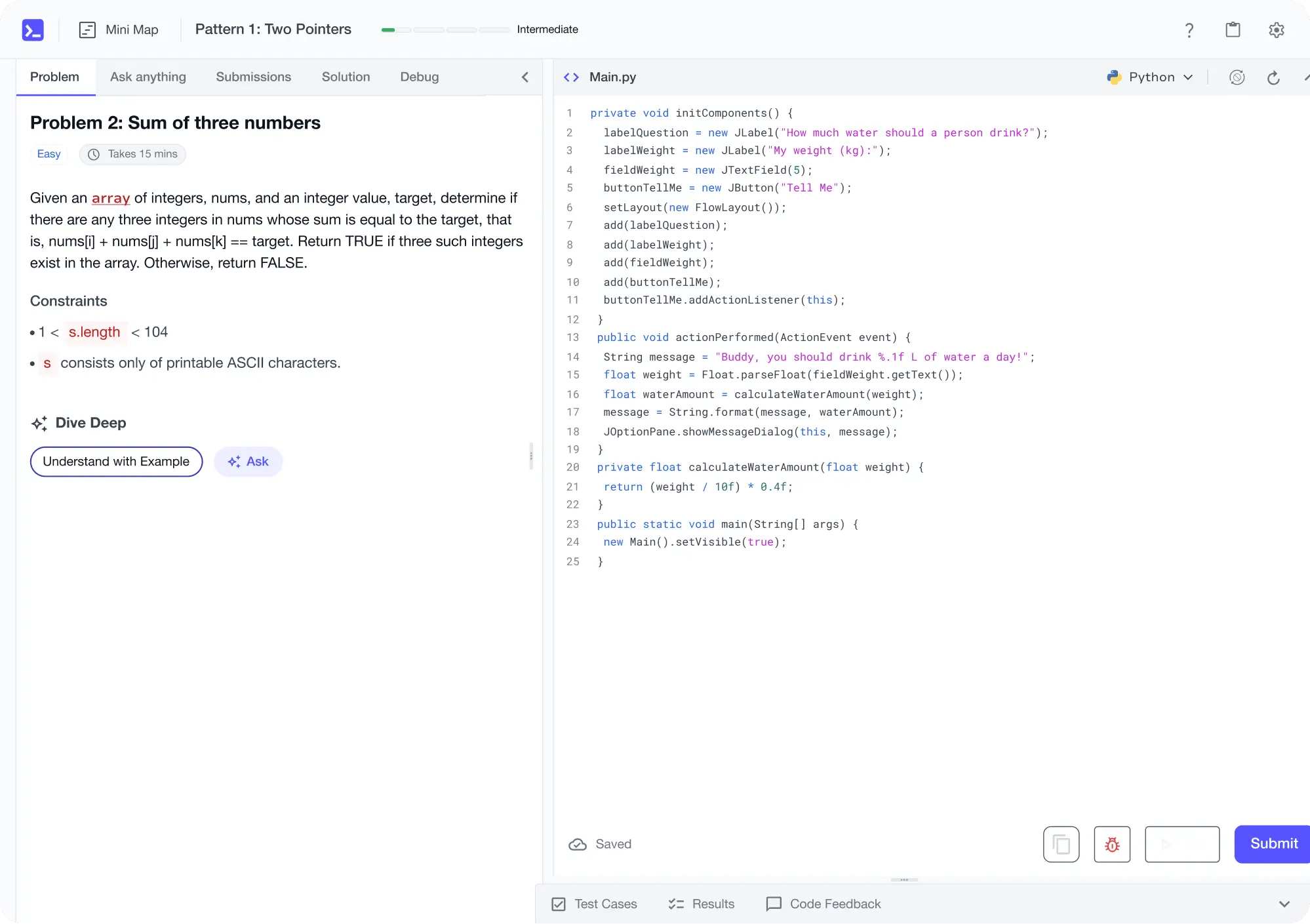
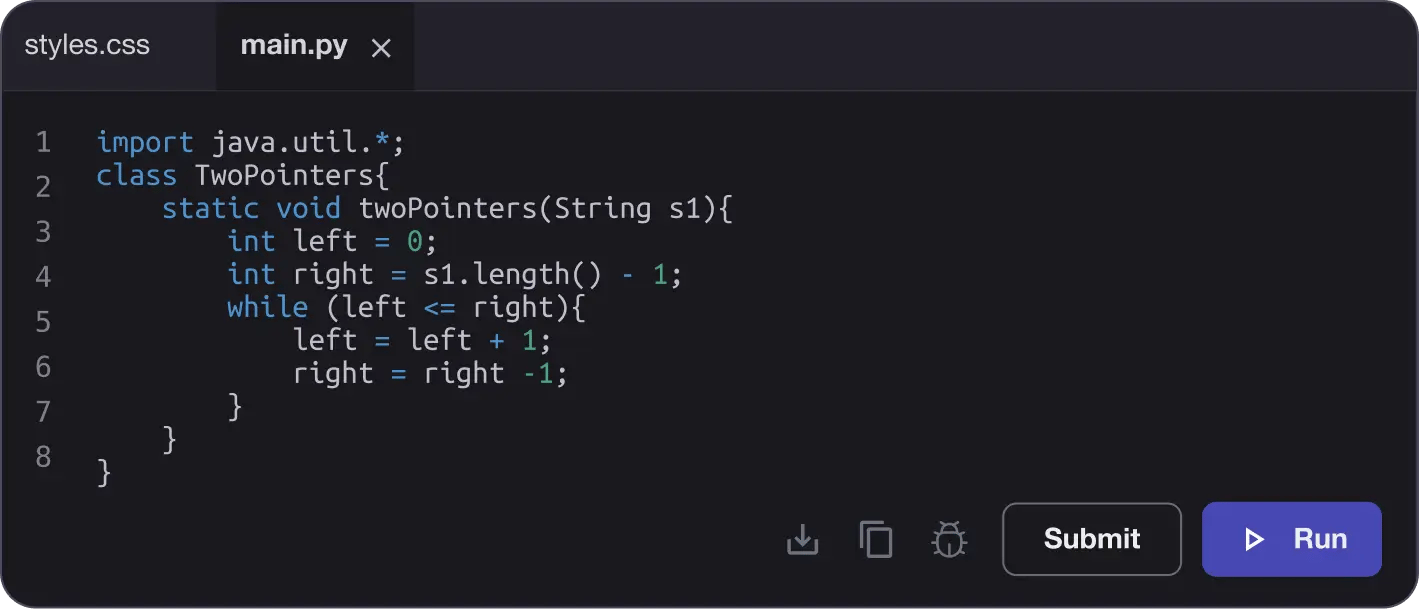
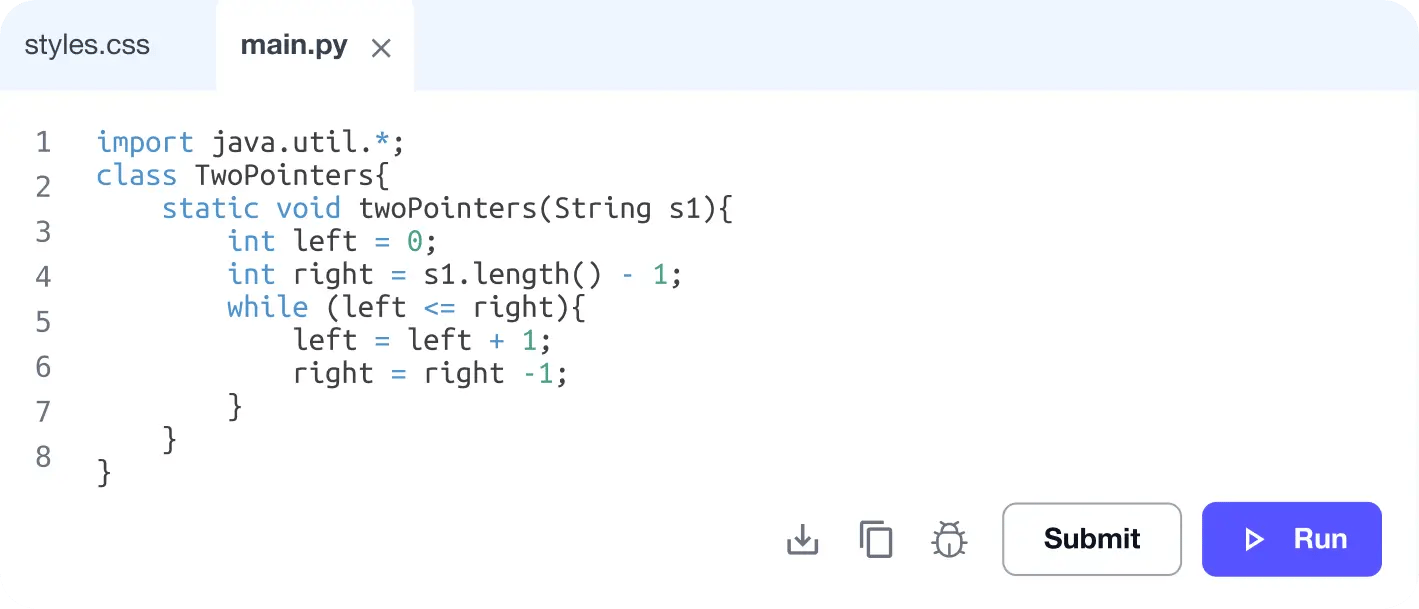
Learn by building with project-based lessons and in-browser code editor
Learn by Doing
Personalized Roadmaps
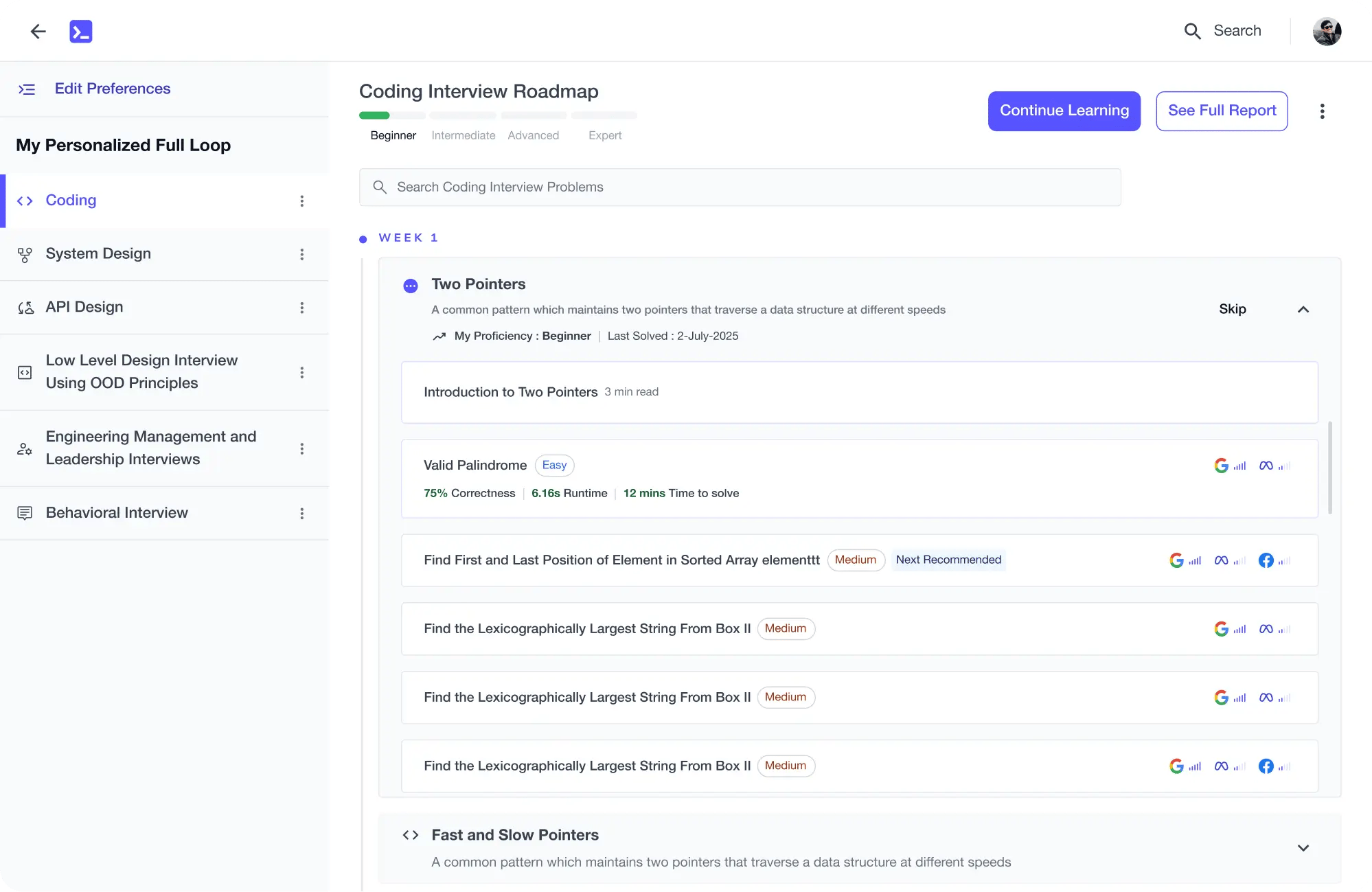
The platform adapts to your strengths & skills gaps as you go
Learn by Doing
Future-proof Your Career
Get hands-on with in-demand skills
Learn by Doing
AI Code Mentor
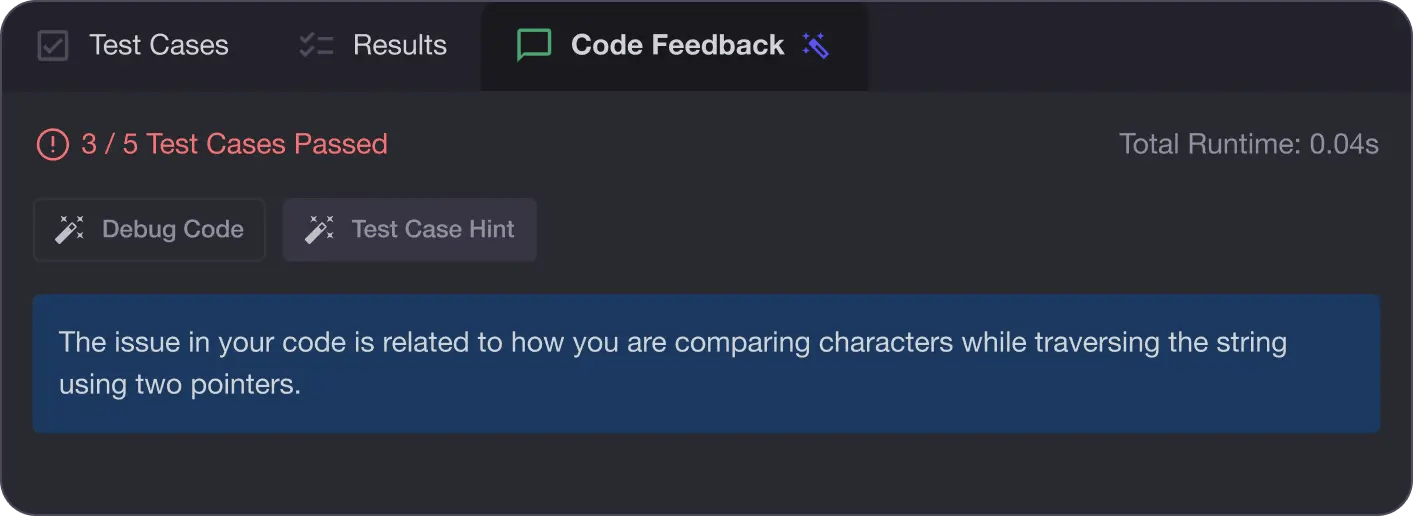
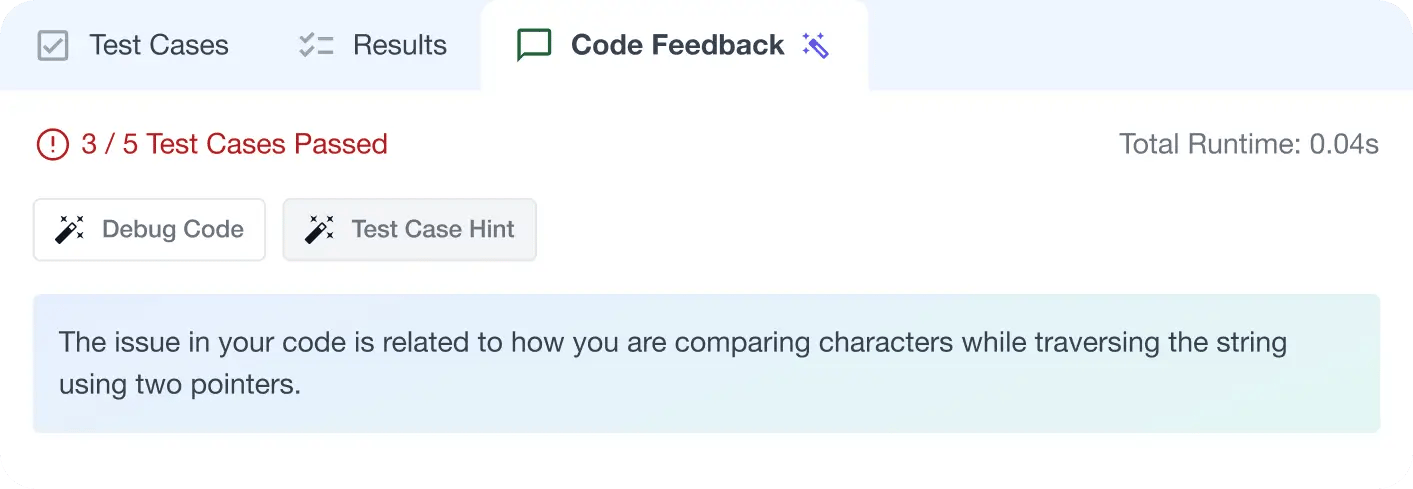
Write better code with AI feedback, smart debugging, and "Ask AI"
Learn by Doing
Learn by Doing
MAANG+ Interview Prep
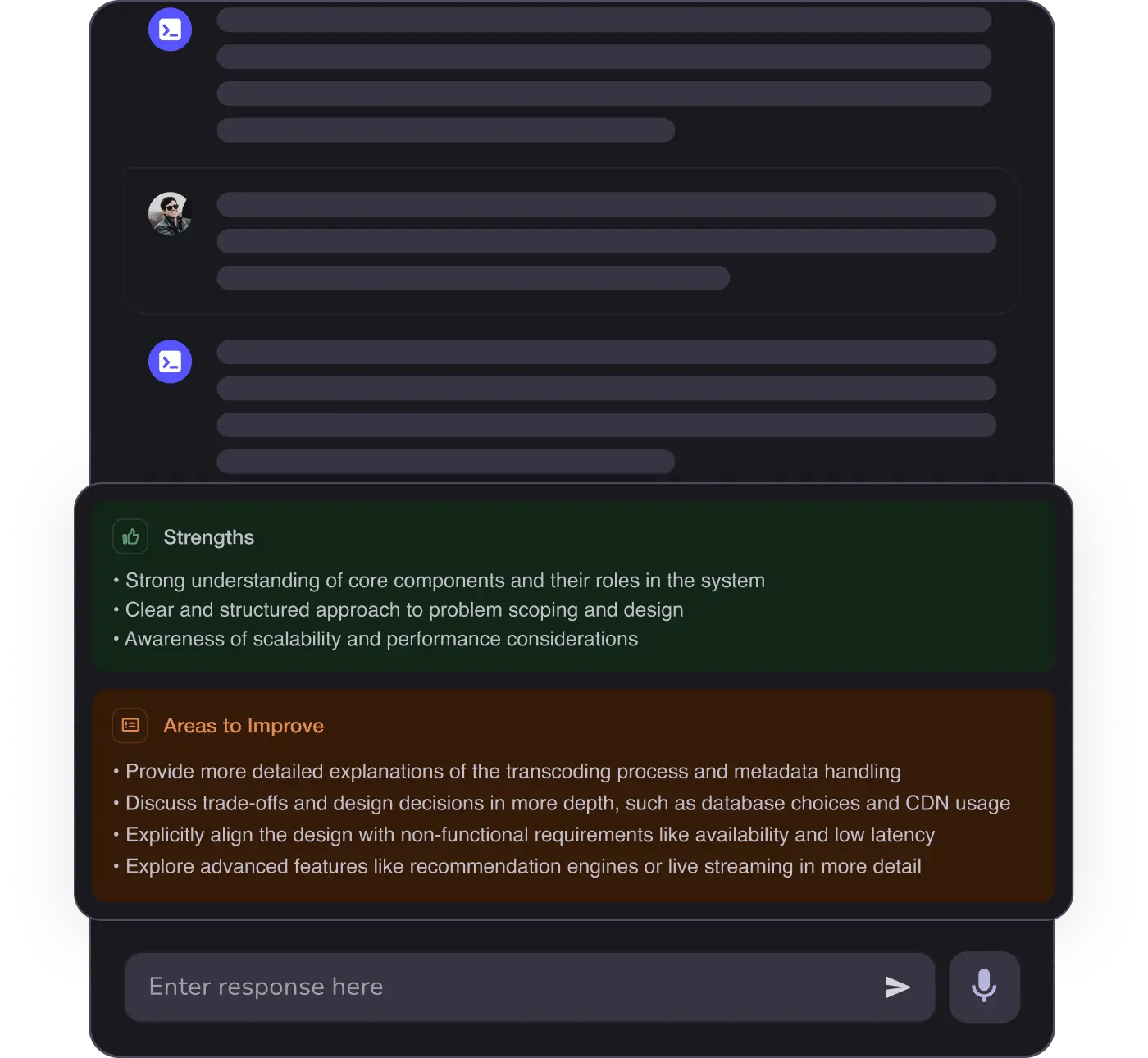
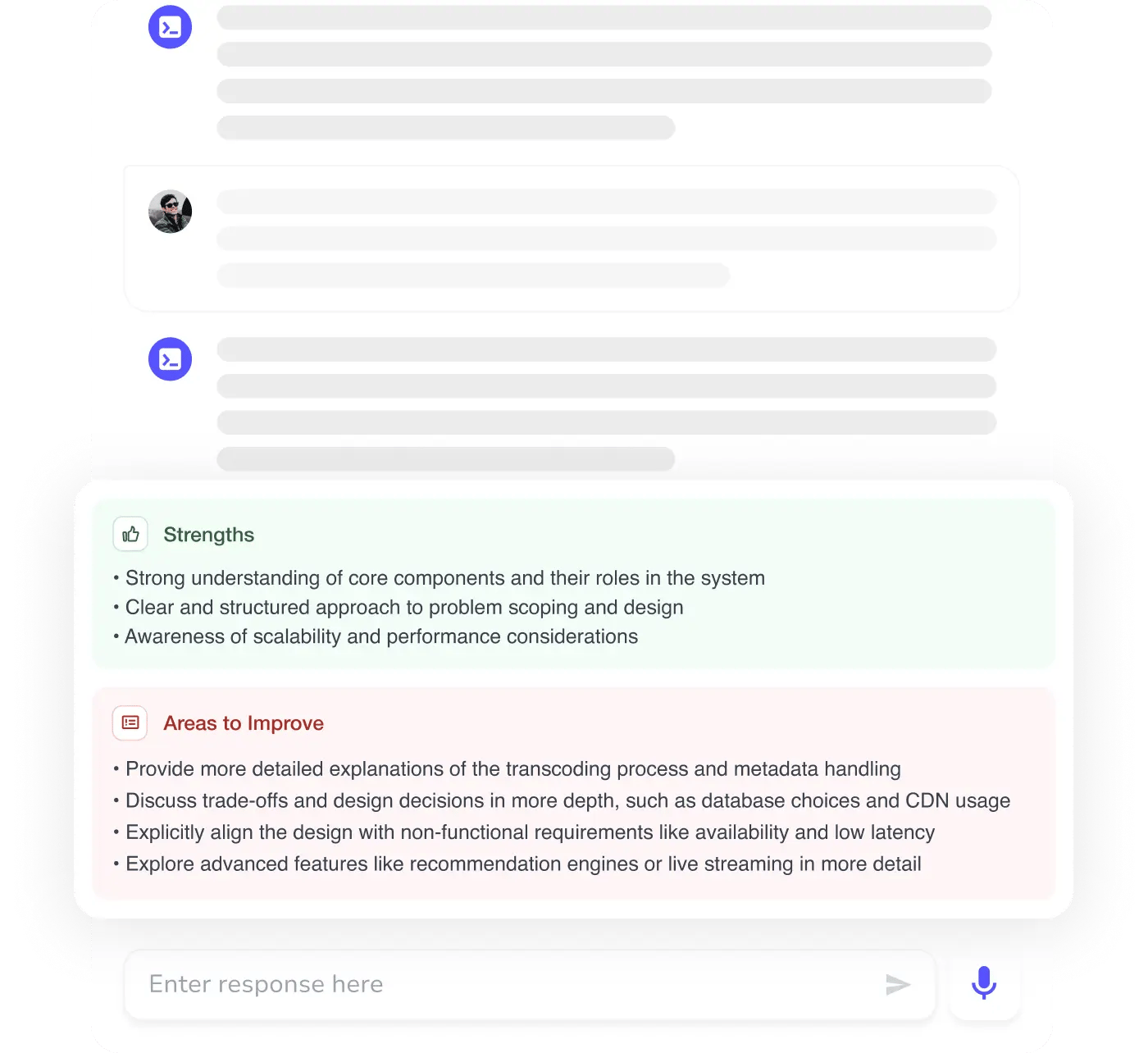
AI Mock Interviews simulate every technical loop at top companies
Learn by Doing

Free Resources

FOR TEAMS

Interested in this course for your business or team?

Unlock this course (and 1,000+ more) for your entire org with DevPath