AI-powered learning
Save this course
The Ultimate Guide to Rust Programming
Gain insights into Rust programming fundamentals, explore its syntax, ownership, and type system, and delve into core components like memory management, traits, and generics to enhance your skills.
4.5
167 Lessons
9h
Updated 5 months ago
Join 3 million developers at
Join 3 million developers at
LEARNING OBJECTIVES
- Learn to work with variables and arrays of various data types
- Learn to use conditional statements
- Learn to code iterative programs using loops
- Learn to work with enums, structs and traits
- Learn how to use references
Learning Roadmap
1.
Welcome to Begin Rust
Welcome to Begin Rust
Get familiar with Rust programming for all levels, emphasizing active participation and experimentation.
2.
Hello World and variables
Hello World and variables
Grasp the fundamentals of Rust programming with "Hello World," variables, and basic operations.
3.
Anatomy of Rust
Anatomy of Rust
10 Lessons
10 Lessons
Examine Rust's syntax, structure, readability, comments, expressions, variables, and practical coding exercises.
4.
Functions
Functions
10 Lessons
10 Lessons
Grasp the fundamentals of defining, calling, and utilizing functions in Rust effectively.
5.
Booleans
Booleans
9 Lessons
9 Lessons
Dig into Rust's booleans, comparison operators, the assert macro, and logical functions.
6.
Conditionals
Conditionals
8 Lessons
8 Lessons
Tackle conditionals, boolean logic, recursion, and practical exercises in Rust programming.
7.
Mutable variables and while loops
Mutable variables and while loops
11 Lessons
11 Lessons
Master mutability and while loops in Rust, leveraging nested loops and avoiding common pitfalls.
8.
Structs and ownership
Structs and ownership
11 Lessons
11 Lessons
Sharpen your skills in using structs and understanding ownership rules in Rust.
9.
References
References
11 Lessons
11 Lessons
Get started with Rust's borrowing, mutable/immutable references, lifetimes, and dereferencing principles.
10.
Methods
Methods
11 Lessons
11 Lessons
Examine Rust methods, type inference, numerical readability, method chaining, and practical exercises.
11.
Strings
Strings
13 Lessons
13 Lessons
Grasp the fundamentals of Rust strings, memory management, ownership, and efficient string handling.
12.
Arrays, Vecs, and slices
Arrays, Vecs, and slices
8 Lessons
8 Lessons
Solve problems in managing arrays, slices, and vectors, with practical exercises.
13.
Type parameters
Type parameters
6 Lessons
6 Lessons
Follow the process of using type parameters in Rust for structs, functions, and impl blocks.
14.
Traits
Traits
13 Lessons
13 Lessons
Master the steps to use traits in Rust to define, implement, and manage shared behavior.
15.
Enums
Enums
10 Lessons
10 Lessons
Learn how to use enums for type safety, pattern matching, and implementing methods in Rust.
16.
Iterators and for loops
Iterators and for loops
11 Lessons
11 Lessons
Get started with iterating in Rust, covering loops, iterators, ranges, and practical applications.
17.
Early exit
Early exit
10 Lessons
10 Lessons
Examine early exit strategies in Rust, including `break`, `continue`, `return`, and `?` operator.
18.
What’s next?
What’s next?
4 Lessons
4 Lessons
Apply your skills to advancing Rust programming through installation, exercises, and community involvement.
Certificate of Completion
Showcase your accomplishment by sharing your certificate of completion.
Complete more lessons to unlock your certificate
Developed by MAANG Engineers
ABOUT THIS COURSE
Rust is quickly becoming one of the most popular languages. With a strong basis as a systems and embedded language, its clean design and ergonomics makes it an emerging choice for general purpose programming tasks as well. This course will be your guide to the fundamentals of programming and Rust. Whether you have no experience or want to learn a new language, this is the place to start.
In this course, you’ll start off with the basics of the Rust programming language, learning the syntax, the philosophy of the language, and the anatomy of Rust. With that in hand, you’ll move onto some of the more unique parts of Rust, such as expression-oriented programming, ownership, and its strong type system.
In the latter half of the course, you’ll work through some of the core components of Rust such as references, memory management, mutability, traits, slices, and generics.
By the time you finish, you’ll have the foundations in place to learn more advanced concepts and take your Rust programming to the next level.
ABOUT THE AUTHOR
Michael Snoyman
Software developer and educator, focusing on strongly typed languages and backend services. I love Rust and Haskell.
Trusted by 3 million developers working at companies
A
Anthony Walker
@_webarchitect_
E
Evan Dunbar
ML Engineer
S
Software Developer
Carlos Matias La Borde
S
Souvik Kundu
Front-end Developer
V
Vinay Krishnaiah
Software Developer
Built for 10x Developers
No Passive Learning
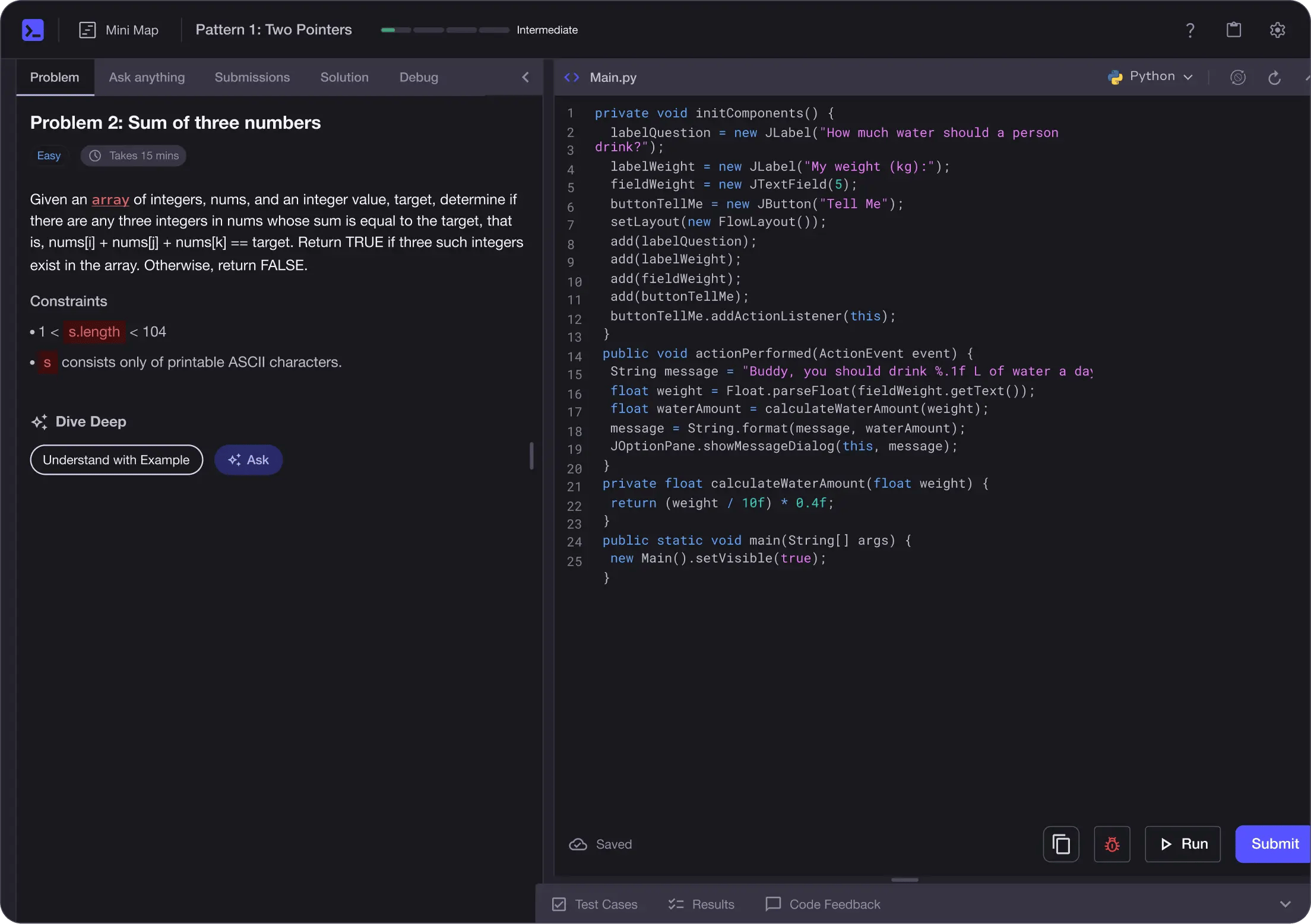
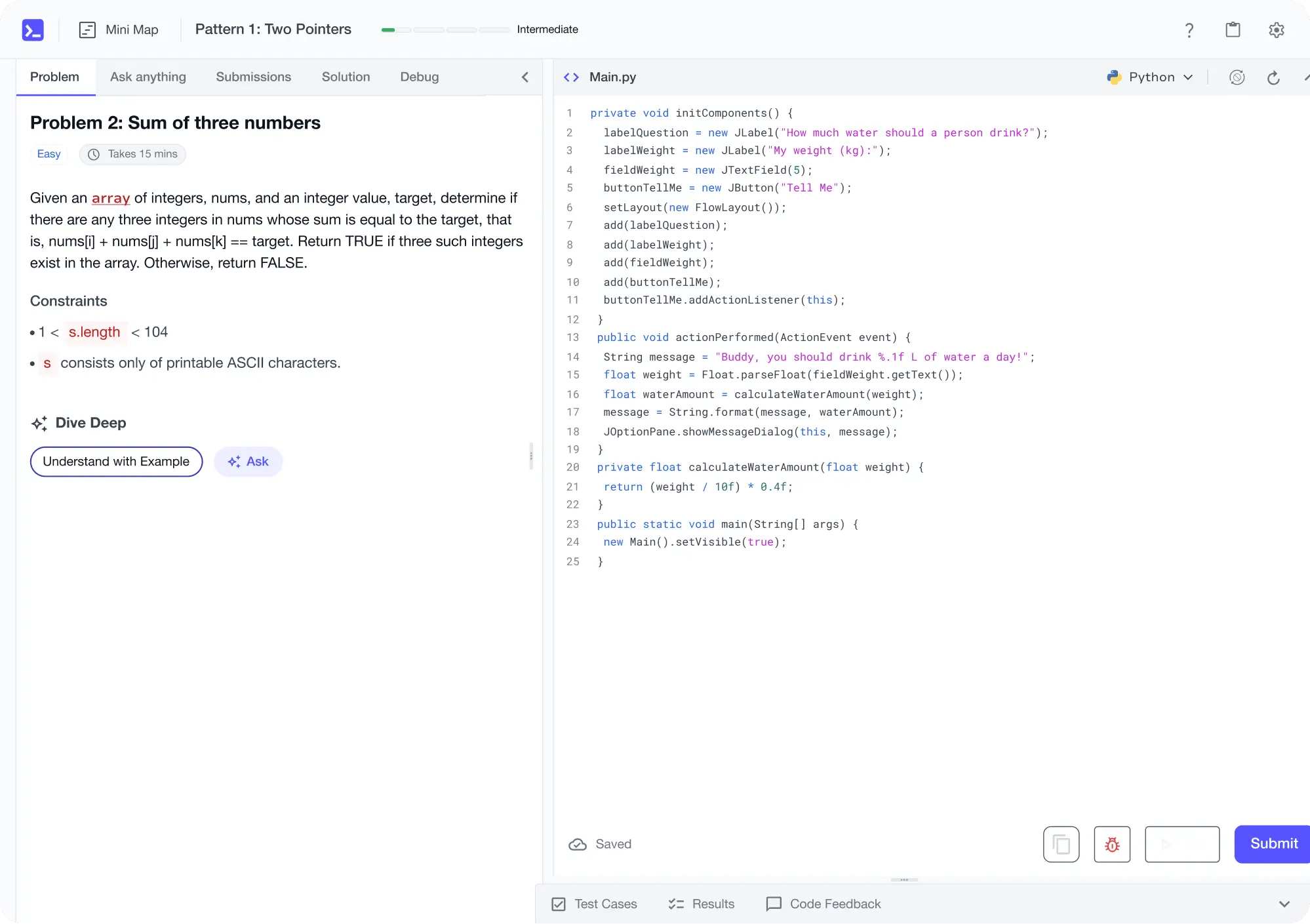
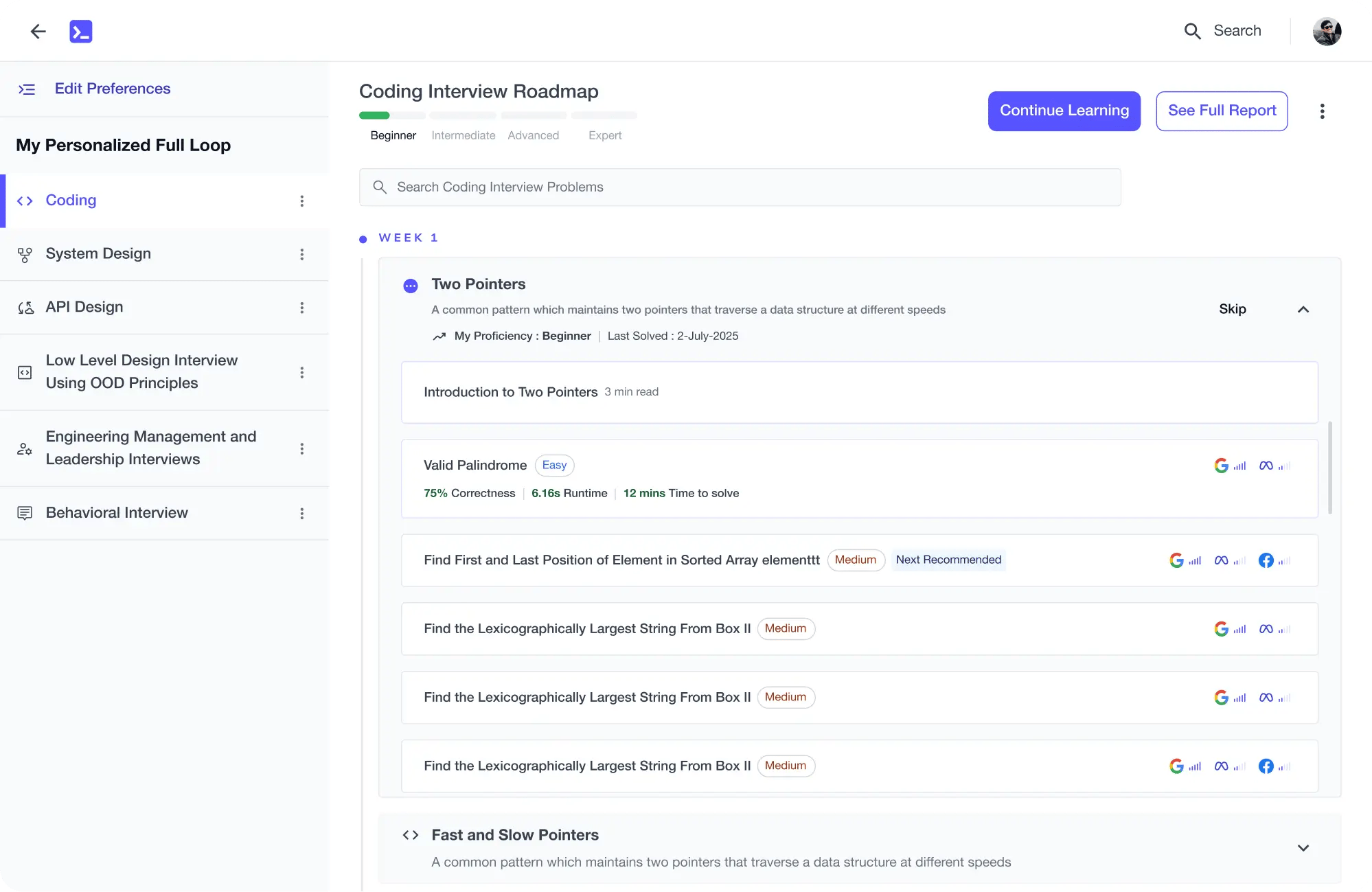
Learn by building with project-based lessons and in-browser code editor
Personalized Roadmaps
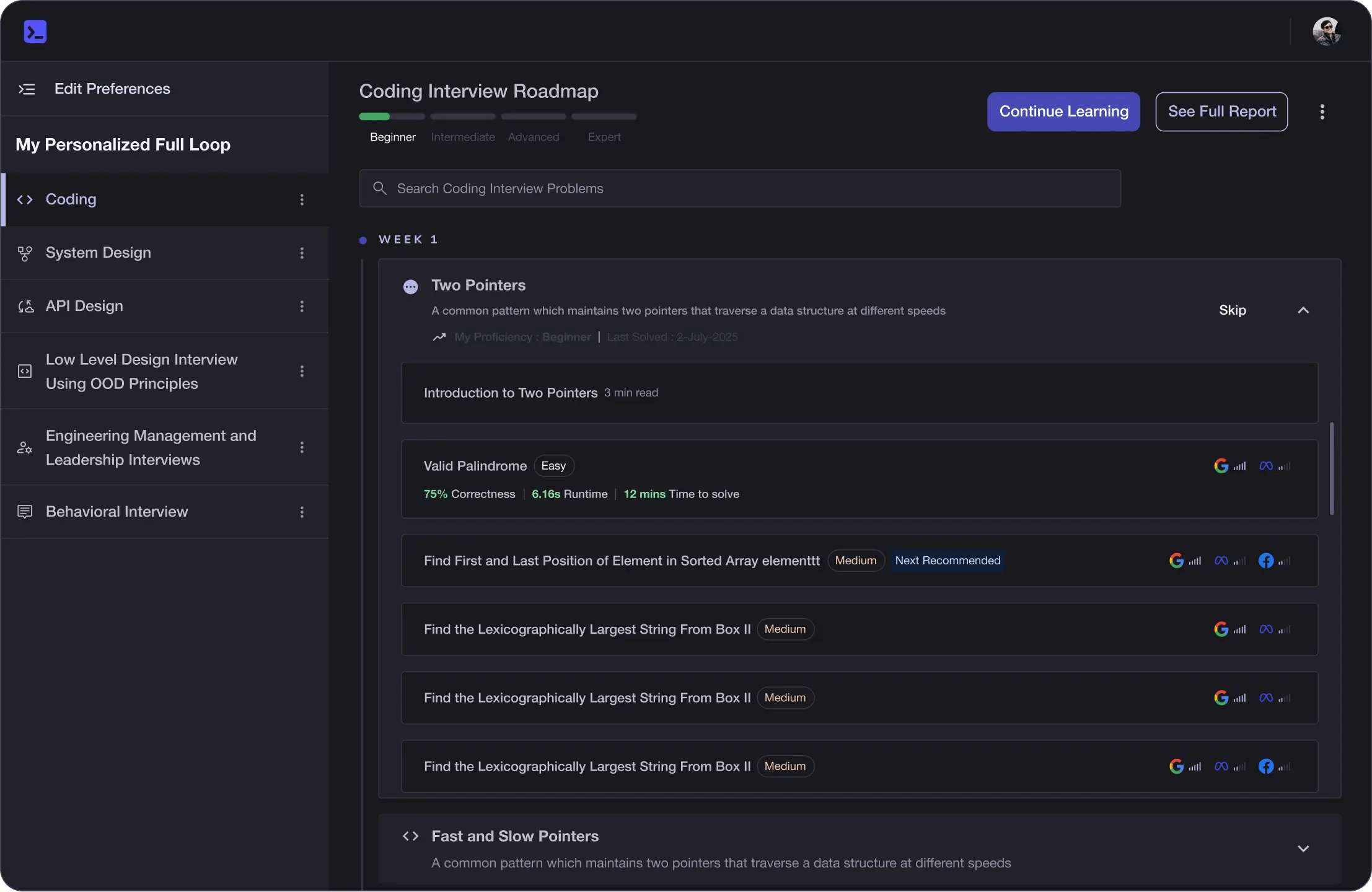
The platform adapts to your strengths & skills gaps as you go
Future-proof Your Career
Get hands-on with in-demand skills
AI Code Mentor
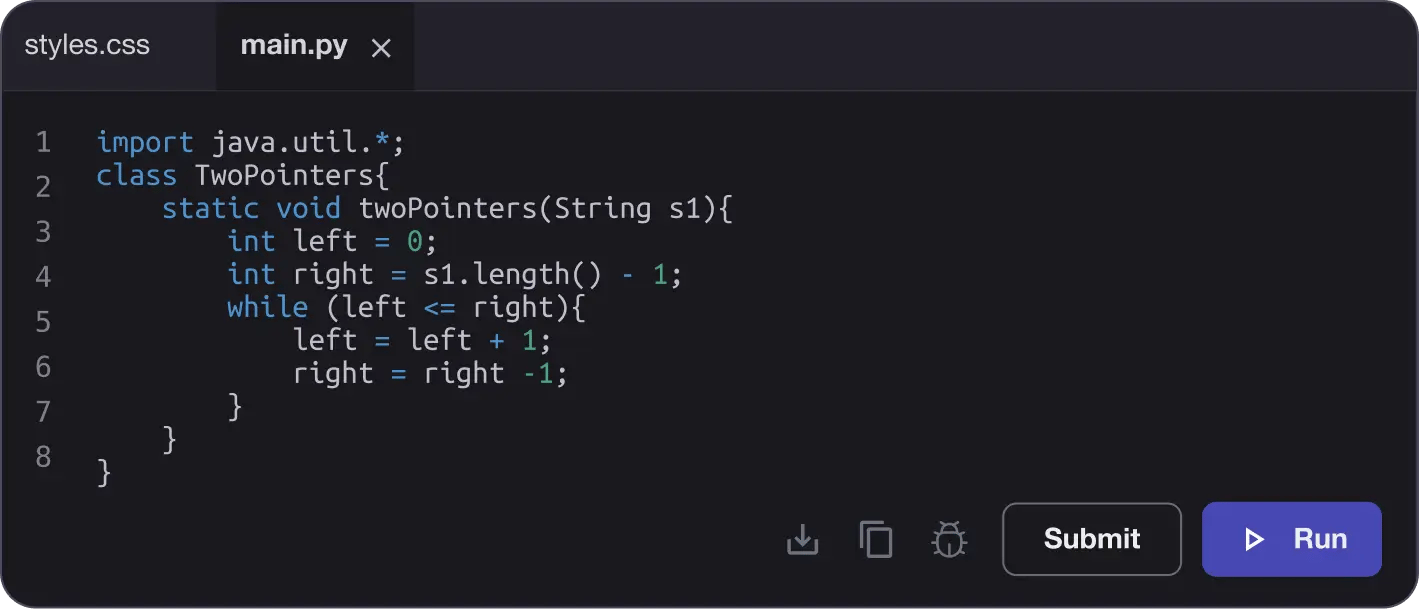
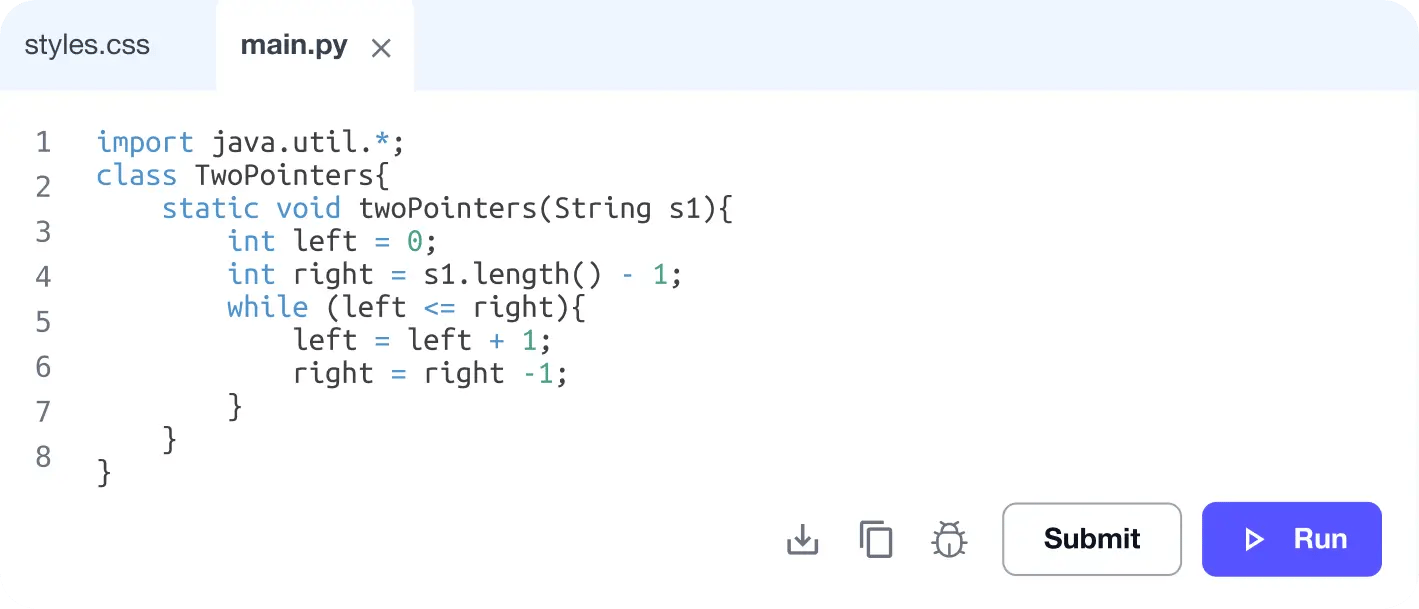
Write better code with AI feedback, smart debugging, and "Ask AI"
MAANG+ Interview Prep
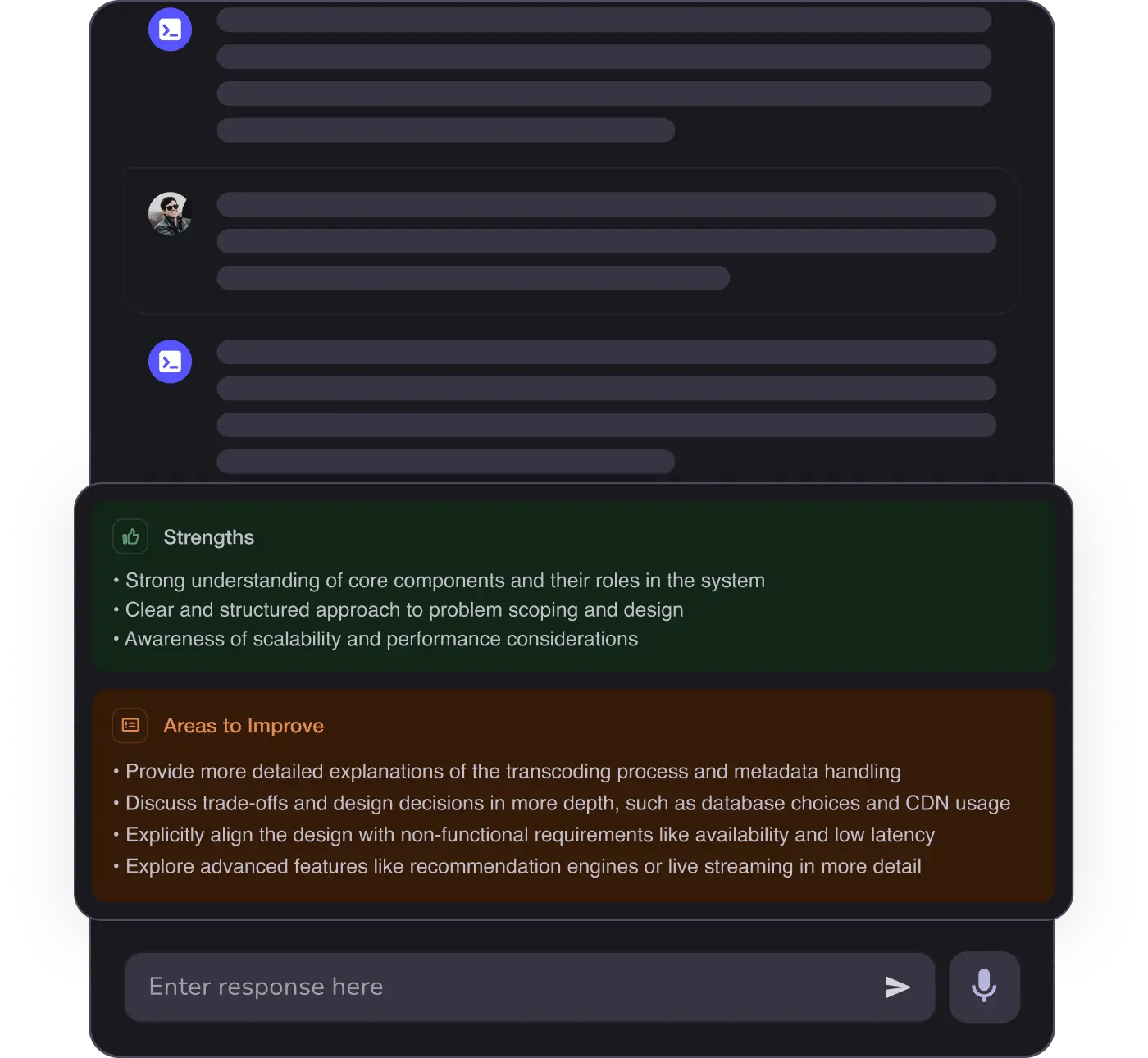
AI Mock Interviews simulate every technical loop at top companies
Free Resources