HomeCoursesData Structures for Coding Interviews in Java
AI-powered learning
Save

Data Structures for Coding Interviews in Java

The ultimate guide to data structures for coding interviews, developed by FAANG engineers. Practice with interview questions from top companies. Get interview-ready in just a few hours.

4.7
230 Lessons
35h
Updated 5 months ago
Also available in
C#
C++
Java
JavaScript
Python
Also available in
JavaJava
Join 2.9 million developers at

Learning Roadmap

230 Lessons22 Quizzes65 Challenges

3.

Linked Lists

Linked Lists

31 Lessons

31 Lessons

Examine linked list operations, including insertion, deletion, traversal, and efficiency comparisons.

4.

Stack/Queues

Stack/Queues

25 Lessons

25 Lessons

Grasp the fundamentals of stacks and queues, their implementations, and common challenges.

5.

Graphs

Graphs

25 Lessons

25 Lessons

Dig into the concepts, representation, and operations of various graph types and traversal algorithms.

6.

Trees

Trees

38 Lessons

38 Lessons

Investigate tree types, structures, operations, and problems for efficient coding with trees.

7.

Trie (Advanced Trees)

Trie (Advanced Trees)

14 Lessons

14 Lessons

Master the steps to construct and utilize Tries for efficient string storage and retrieval.

8.

Heaps

Heaps

14 Lessons

14 Lessons

Step through the concepts and applications of heaps, their operations, and transformations.

9.

Hash Tables

Hash Tables

33 Lessons

33 Lessons

Grasp the essentials and practical implementations of hash tables, tackling collisions, and solving challenges using hashing in Java.

10.

Summary of Data Structures

Summary of Data Structures

2 Lessons

2 Lessons

Go hands-on with linear and non-linear data structures for coding efficiencies.
Certificate of Completion
Showcase your accomplishment by sharing your certificate of completion.
Author NameData Structures for CodingInterviews in Java

Show License and Attributions

Developed by MAANG Engineers
ABOUT THIS COURSE
Data structures are amongst the fundamentals of Computer Science and an important decision in every program. Consequently, they are also largely categorized as a vital benchmark of computer science knowledge when it comes to industry interviews. This course contains a detailed review of all the common data structures and provides implementation level details in Java to allow readers to become well equipped. Now with more code solutions, lessons, and illustrations than ever, this is the course for you!
ABOUT THE AUTHOR

Coderust

Coderust helps software developers like you ace your coding interviews. Our interactive interview-prep courses encourage you to get hands-on with the material and practice working through problems.

Learn more about Coderust

Trusted by 2.9 million developers working at companies

These are high-quality courses. Trust me the price is worth it for the content quality. Educative came at the right time in my career. I'm understanding topics better than with any book or online video tutorial I've done. Truly made for developers. Thanks

A

Anthony Walker

@_webarchitect_

Just finished my first full #ML course: Machine learning for Software Engineers from Educative, Inc. ... Highly recommend!

E

Evan Dunbar

ML Engineer

You guys are the gold standard of crash-courses... Narrow enough that it doesn't need years of study or a full blown book to get the gist, but broad enough that an afternoon of Googling doesn't cut it.

S

Software Developer

Carlos Matias La Borde

I spend my days and nights on Educative. It is indispensable. It is such a unique and reader-friendly site

S

Souvik Kundu

Front-end Developer

Your courses are simply awesome, the depth they go into and the breadth of coverage is so good that I don't have to refer to 10 different websites looking for interview topics and content.

V

Vinay Krishnaiah

Software Developer

Built for 10x Developers

No Passive Learning
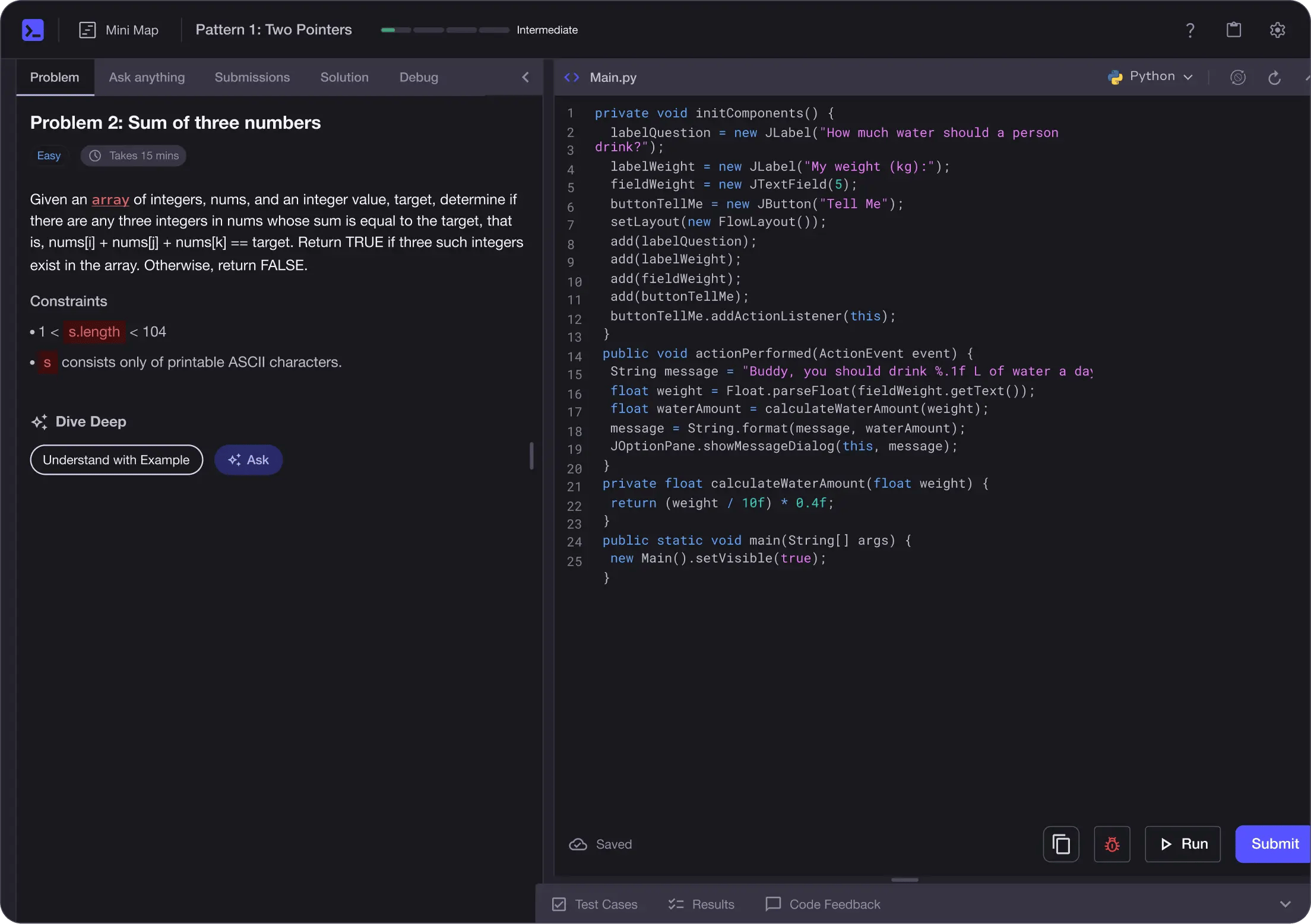
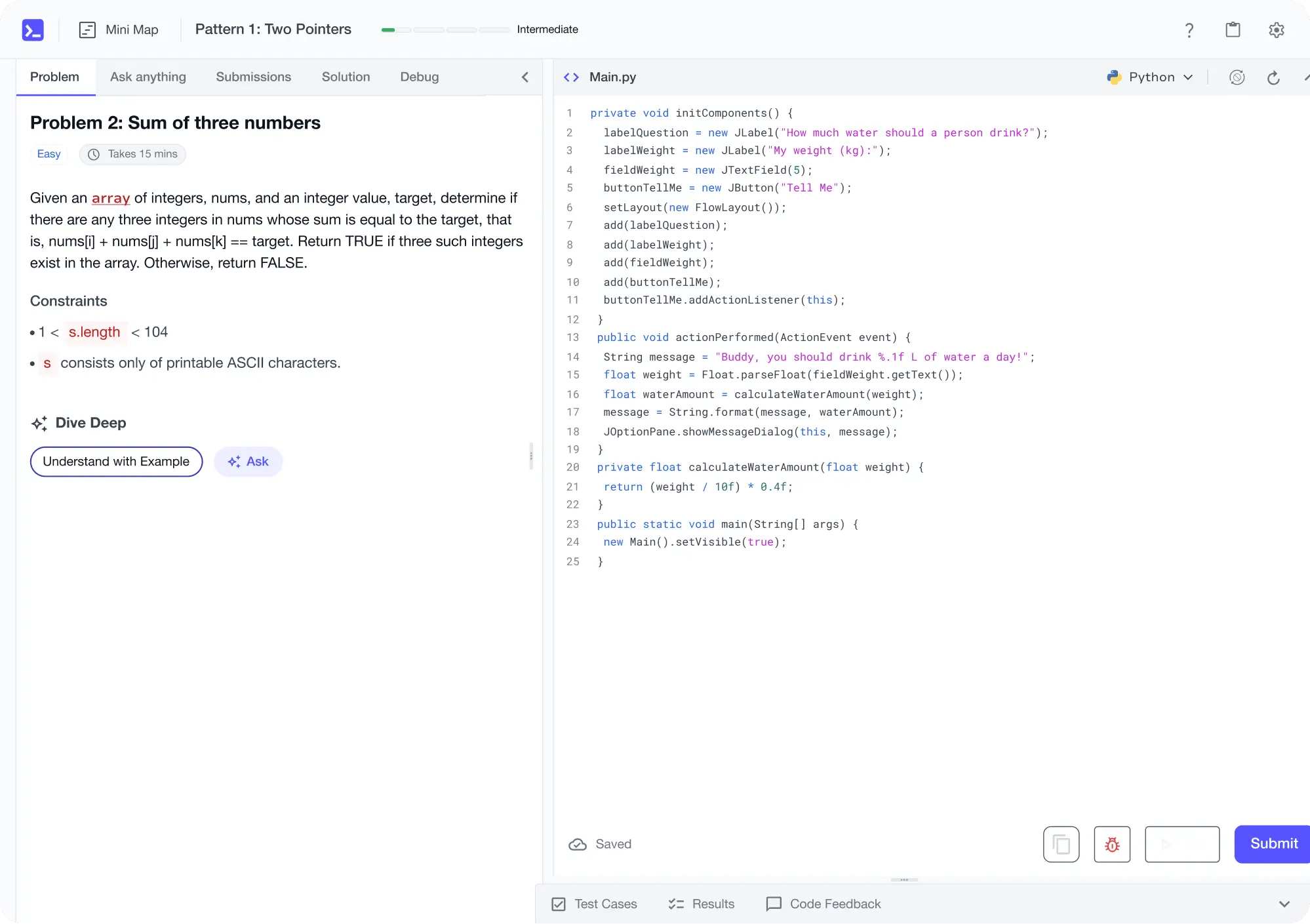
Learn by building with project-based lessons and in-browser code editor
Learn by Doing
Personalized Roadmaps
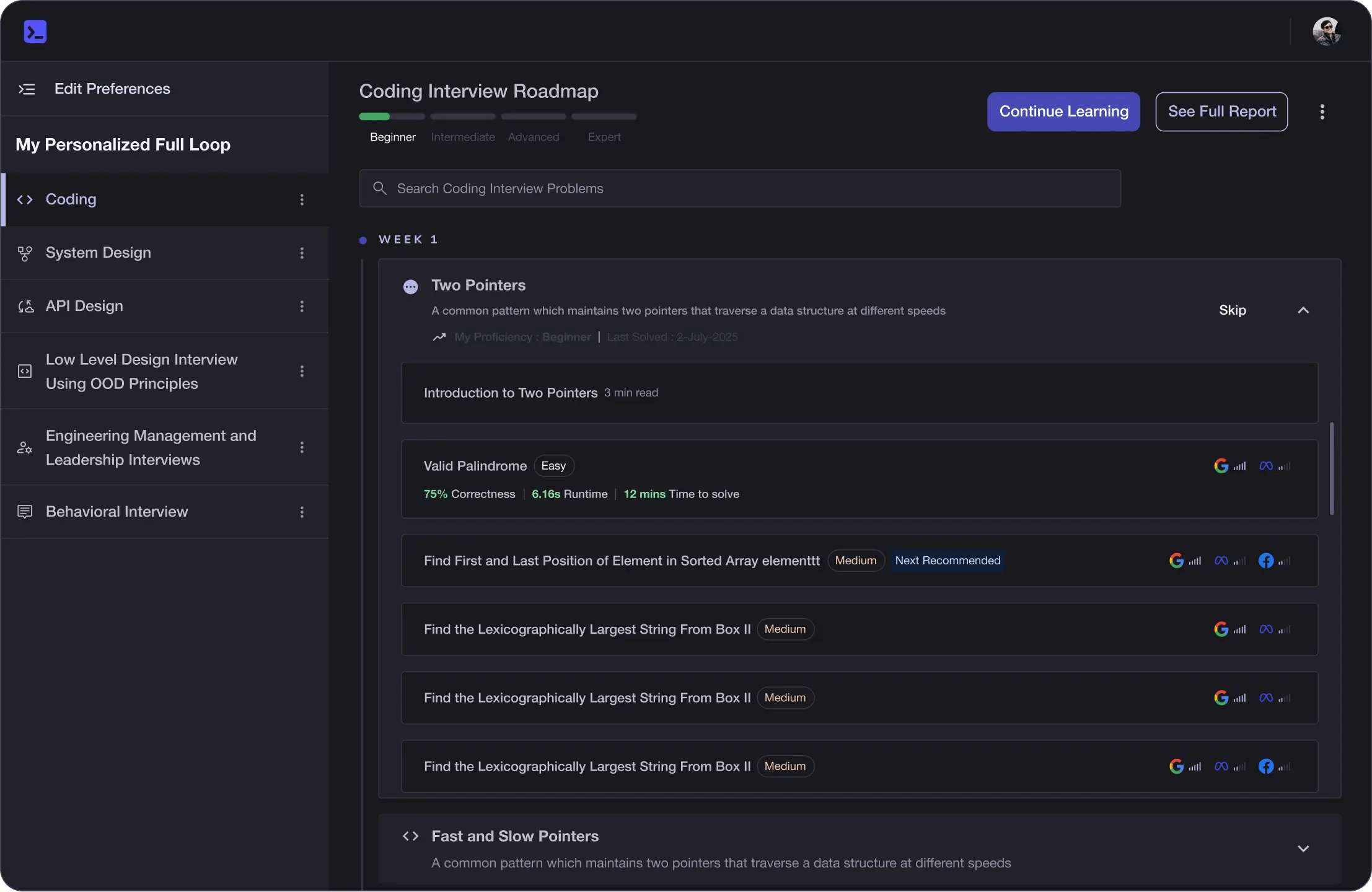
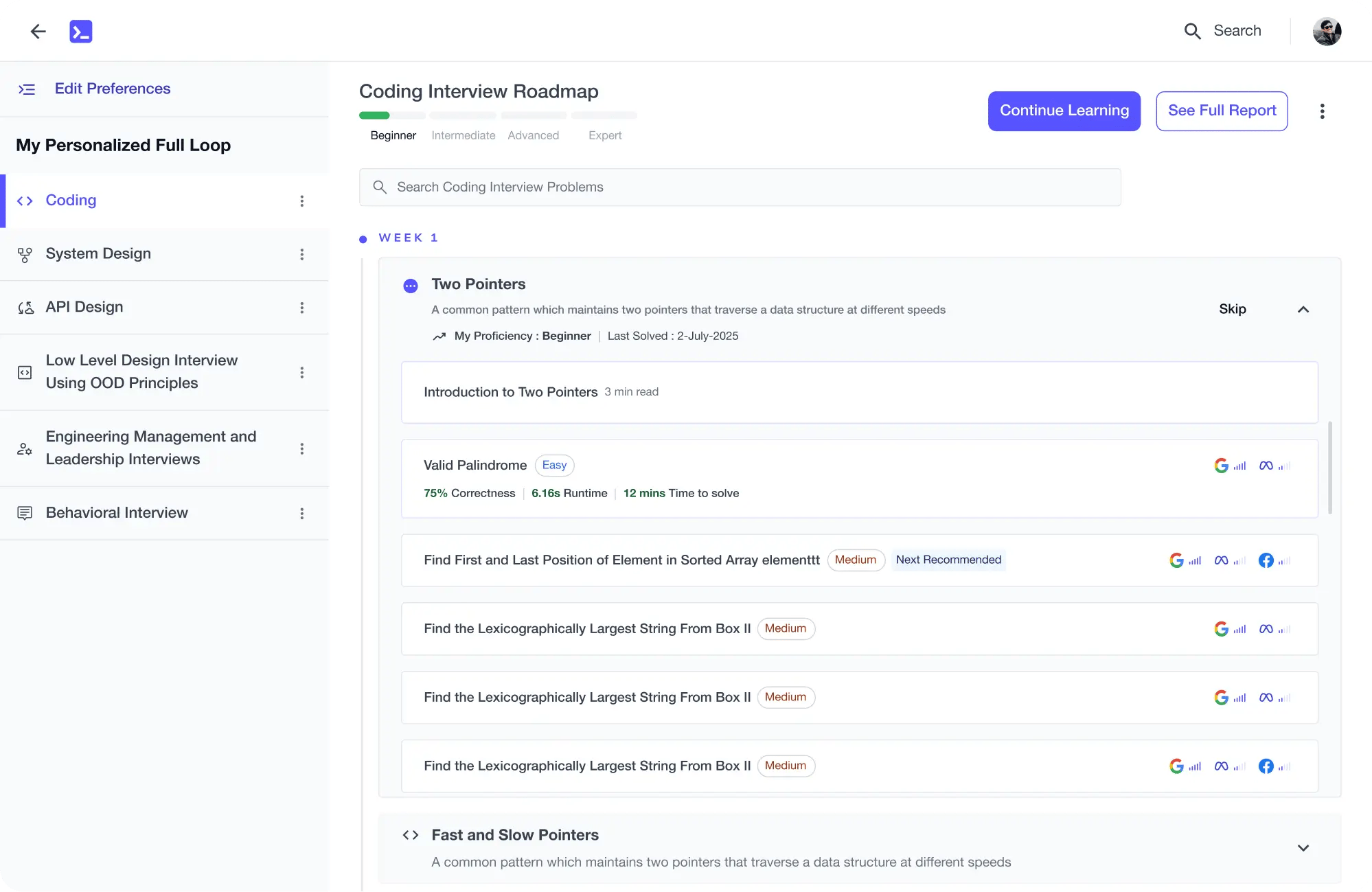
The platform adapts to your strengths & skills gaps as you go
Learn by Doing
Future-proof Your Career
Get hands-on with in-demand skills
Learn by Doing
AI Code Mentor
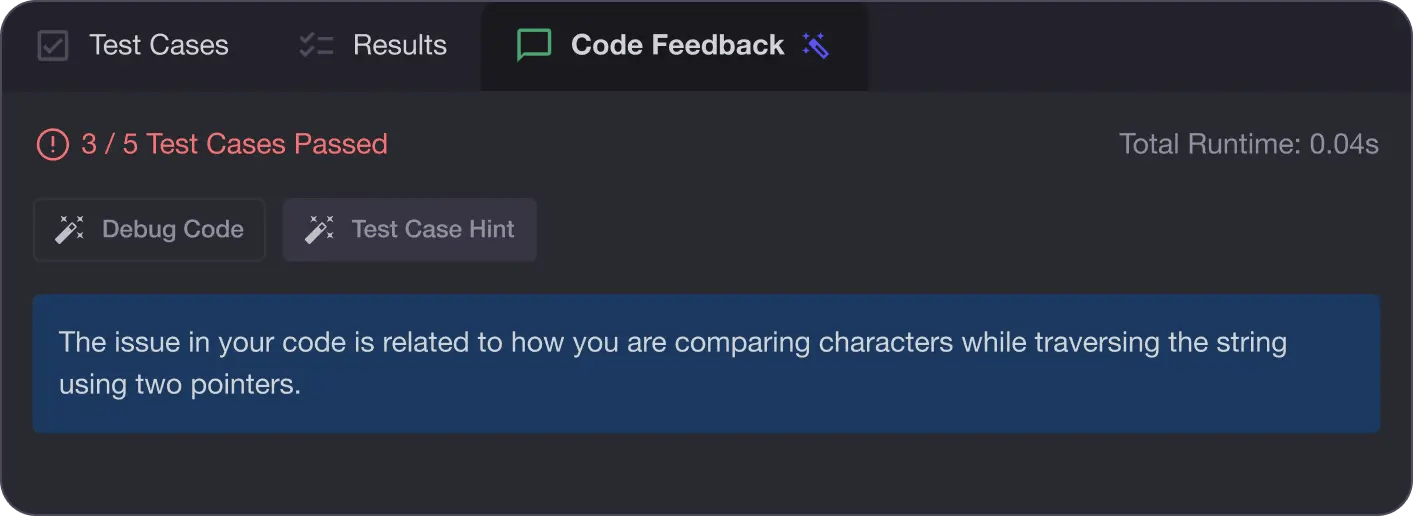
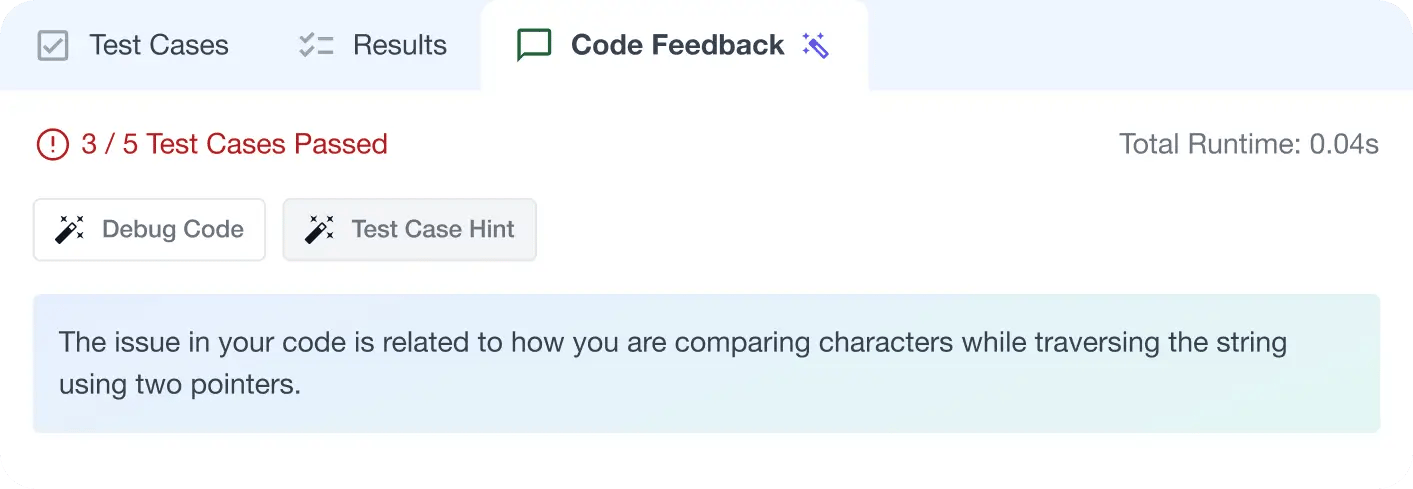
Write better code with AI feedback, smart debugging, and "Ask AI"
Learn by Doing
Learn by Doing
MAANG+ Interview Prep
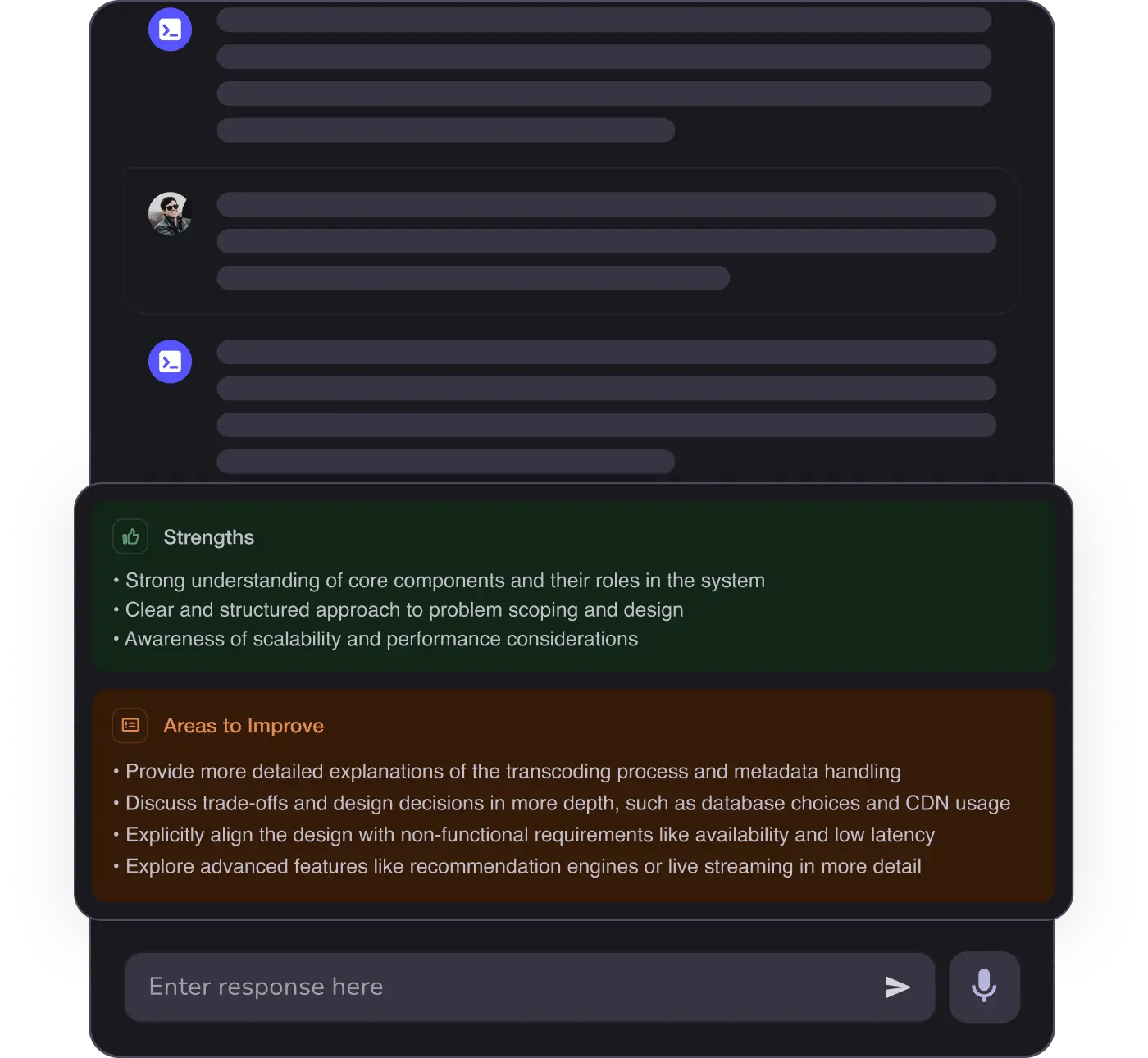
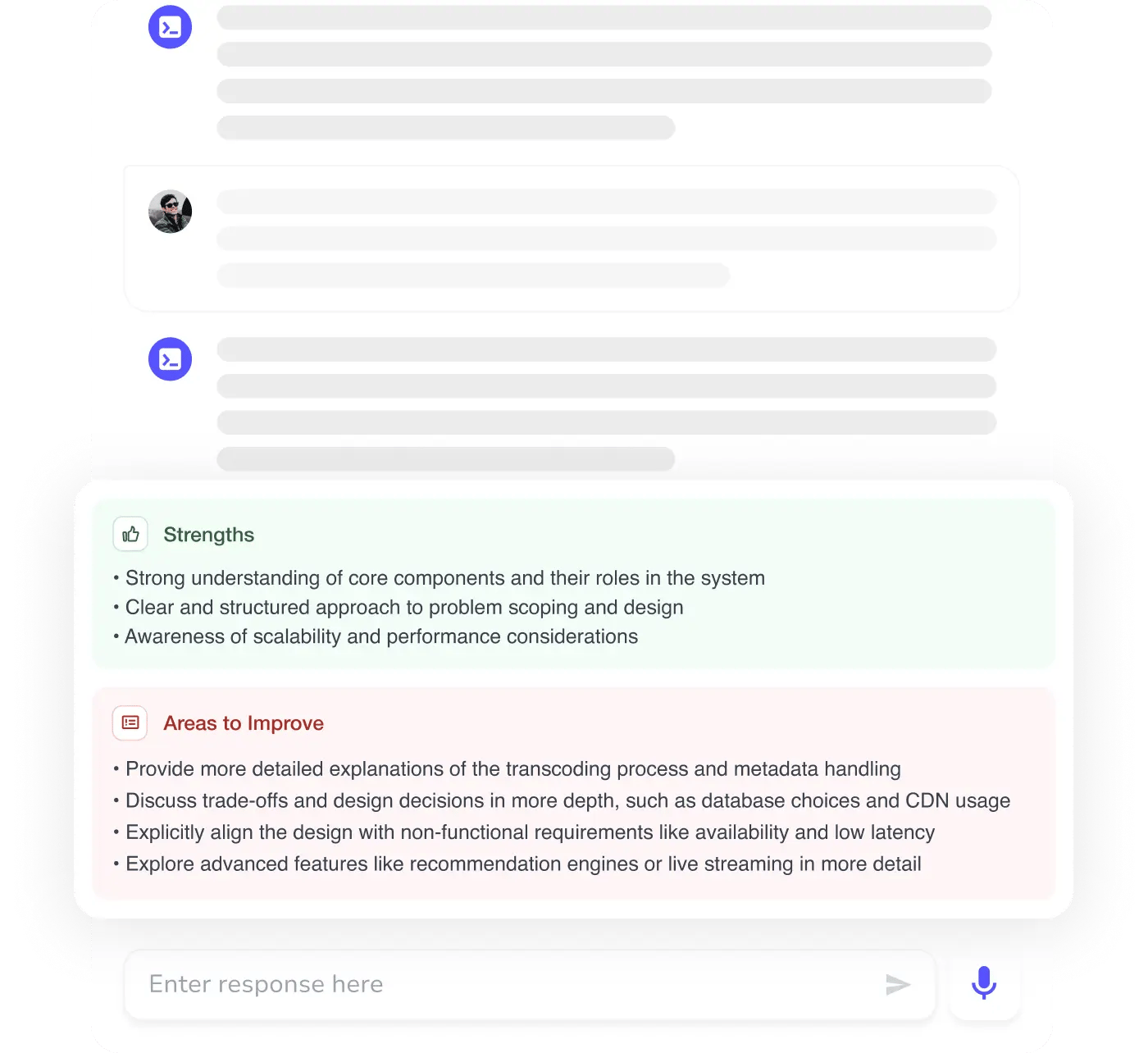
AI Mock Interviews simulate every technical loop at top companies
Learn by Doing

Free Resources

Frequently Asked Questions

Which data structure should be used in Java?

In Java, the choice of data structure depends on the specific use case:

  • Array: Use when you need fast access by index and the collection size is fixed.
  • ArrayList: Use for dynamic arrays when you frequently access elements by index and occasionally add or remove elements.
  • LinkedList: Use when you need frequent insertions and deletions, especially at the beginning or middle of the list.
  • HashMap: Use for key-value pairs when you need fast lookups, insertions, and deletions based on keys.
  • HashSet: Use to store unique elements with no duplicates and when order does not matter.
  • TreeMap: Use when you need key-value pairs sorted by their keys.
  • Stack: Use for last in, first out (LIFO) operations.
  • Queue: Use for first in, first out (FIFO) operations.
  • PriorityQueue: Use when you need elements sorted or retrieved by priority.

Choose the data structure that best matches your performance requirements for the specific operations you need.

Is Java a good choice for coding interviews?

Yes, Java is an excellent choice for coding interviews. Many companies accept and favor it because of its clear syntax, making code easy to read and understand. Java’s strong typing catches errors at compile-time, which can help ensure your solution is robust and error-free. Additionally, Java offers a rich standard library (java.util), which provides efficient data structures and utility functions to implement common algorithms quickly. Its performance is also reliable, making it suitable for handling time-sensitive problems. Given its popularity and versatility, Java is a solid choice for technical interviews.

How to crack a Java coding interview

To crack a Java coding interview, master core Java concepts like object-oriented programming (OOP), exception handling, collections framework, and multithreading. Practice solving common algorithmic problems using Java’s data structures, such as ArrayList, HashMap, and TreeSet, while understanding their time complexities. Get comfortable writing clean, efficient code and explaining your thought process clearly. Familiarize yourself with Java’s syntax, best practices, and nuances. Review design patterns, JVM internals, and Java-specific features that may be relevant to the role you’re interviewing for. Regularly practice mock interviews to build confidence and improve your problem-solving speed.

Is Java coding difficult?

Java coding is not inherently difficult, but it does have a learning curve, especially for beginners. Its syntax is relatively straightforward and readable, and its object-oriented nature helps organize code efficiently. However, mastering Java involves understanding various concepts like data structures, algorithms, exception handling, concurrency, and knowing its extensive standard library. Java becomes easier with consistent practice and a solid grasp of programming fundamentals. The key is building a strong foundation and practicing to become proficient.

Is Java faster than C++?

Java is generally slower than C++ because Java is an interpreted language that runs on the Java virtual machine (JVM), which adds an extra layer of abstraction and overhead. In contrast, C++ is a compiled language that translates directly into machine code, resulting in faster execution. However, Java’s just-in-time (JIT) compiler optimizes code at runtime, narrowing the performance gap in many cases. Ultimately, C++ is often chosen for performance-critical applications, while Java offers better portability and ease of use.