The basics of LLMs include understanding neural networks, transformers, large datasets, and the processes of pre-training and fine-tuning to enable the model to generate human-like text.
AI-powered learning
Save this course
Essentials of Large Language Models: A Beginner’s Journey
Learn how large language models work, from inference and training to prompting, embeddings, and RAG. Build practical skills to apply LLMs effectively in real-world language applications.
4.7
19 Lessons
2h
Updated 3 months ago
Join 3 million developers at
Join 3 million developers at
LEARNING OBJECTIVES
- Explain the fundamentals of large language models, including their architecture, training dynamics, and core capabilities.
- Describe the processes of tokenization and embeddings, and their roles in transforming text for language models.
- Analyze the attention mechanism and its importance in generating context-aware representations in large language models.
- Implement effective prompting techniques and retrieval-augmented generation to enhance LLM performance in practical applications.
- Evaluate the training loop and pretraining processes that enable large language models to learn from vast datasets.
- Assess the deployment strategies and safety measures necessary for transitioning LLM-powered applications to production.
KEY OUTCOMES
Design Effective Prompts
Create prompts that guide large language models to produce accurate and contextually relevant outputs in real-world applications.
Implement Retrieval-Augmented Generation
Utilize RAG techniques to enhance LLM capabilities by integrating external knowledge bases for improved answer accuracy.
Evaluate LLM Performance
Apply evaluation methods and safety guardrails to ensure reliable and secure deployment of LLM-powered applications.
Architect AI Applications
Build and deploy AI applications using large language models, leveraging their capabilities for conversational agents and automation.
Why choose this course?
Unlock the Power of LLMs
In today's AI-driven world, not understanding large language models can leave you behind. As their adoption grows, so does the need for developers to grasp how these models work and how to leverage them effectively.
The Stakes Are High
Even skilled developers struggle without a solid grasp of LLMs. Those who can't navigate their complexities risk stagnation in their careers, missing out on opportunities to innovate and lead in AI applications.
Your Path to Mastery
This course offers a systems-level perspective on LLMs, covering everything from architecture to practical workflows. Engage with real-world applications and learn to design effective prompts and integrate tools for dynamic responses.
Elevate Your Career Today
Join a community of forward-thinking developers ready to harness the potential of LLMs. Equip yourself with the skills to thrive in AI, and transform your understanding into impactful applications.
Learning Roadmap
1.
Course Overview
Course Overview
Get familiar with large language models, their applications, and ethical considerations in AI.
2.
The Inference Journey
The Inference Journey
Learn about advanced LLM fundamentals, components, types, capabilities, examples, and limitations.
3.
The Training Journey
The Training Journey
3 Lessons
3 Lessons
Understand how the model is trained for next-token prediction and the four key steps it takes to get better at the process.
4.
Building with LLMs: The Developer’s Toolkit
Building with LLMs: The Developer’s Toolkit
6 Lessons
6 Lessons
Master effective prompt engineering, embeddings, and RAG for advanced LLM applications.
Certificate of Completion
Showcase your accomplishment by sharing your certificate of completion.
Complete more lessons to unlock your certificate
Developed by MAANG Engineers
ABOUT THIS COURSE
Large language models (LLMs) are at the core of today’s AI transformation, powering everything from conversational agents to code generation and enterprise automation. As adoption accelerates, understanding how LLMs actually work, and how to use them effectively in real systems, is no longer optional for developers and data professionals.
I built this course from my work in neural networks and intelligent systems, where LLMs represent a shift from traditional modeling to probabilistic reasoning at scale. A recurring pattern I observed was that many practitioners could use APIs but lacked a clear mental model of how LLMs process language, make decisions, and fail in edge cases. This course is designed to bridge that gap with a systems-level perspective.
You’ll learn LLM fundamentals from first principles, covering architecture, tokenization, embeddings, attention, and training dynamics, before moving into practical workflows like prompting, retrieval-augmented generation (RAG), and tool integration. Each concept is tied to how LLMs are actually deployed in production systems.
Engineers and researchers are already building on these foundations to create real-world AI applications. If you want to go beyond surface-level usage of LLMs, this is where you begin.
ABOUT THE AUTHOR
Khayyam Hashmi
Computer scientist and Generative AI and Machine Learning specialist. VP of Technical Content @ educative.io.
Trusted by 3 million developers working at companies
R
Ramesh Perla
Senior Software Engineer @ Microsoft
J
Jorge Astorga
AI Technical Program Manager @ Cruise
A
Anthony Walker
@_webarchitect_
Built for 10x Developers
No Passive Learning
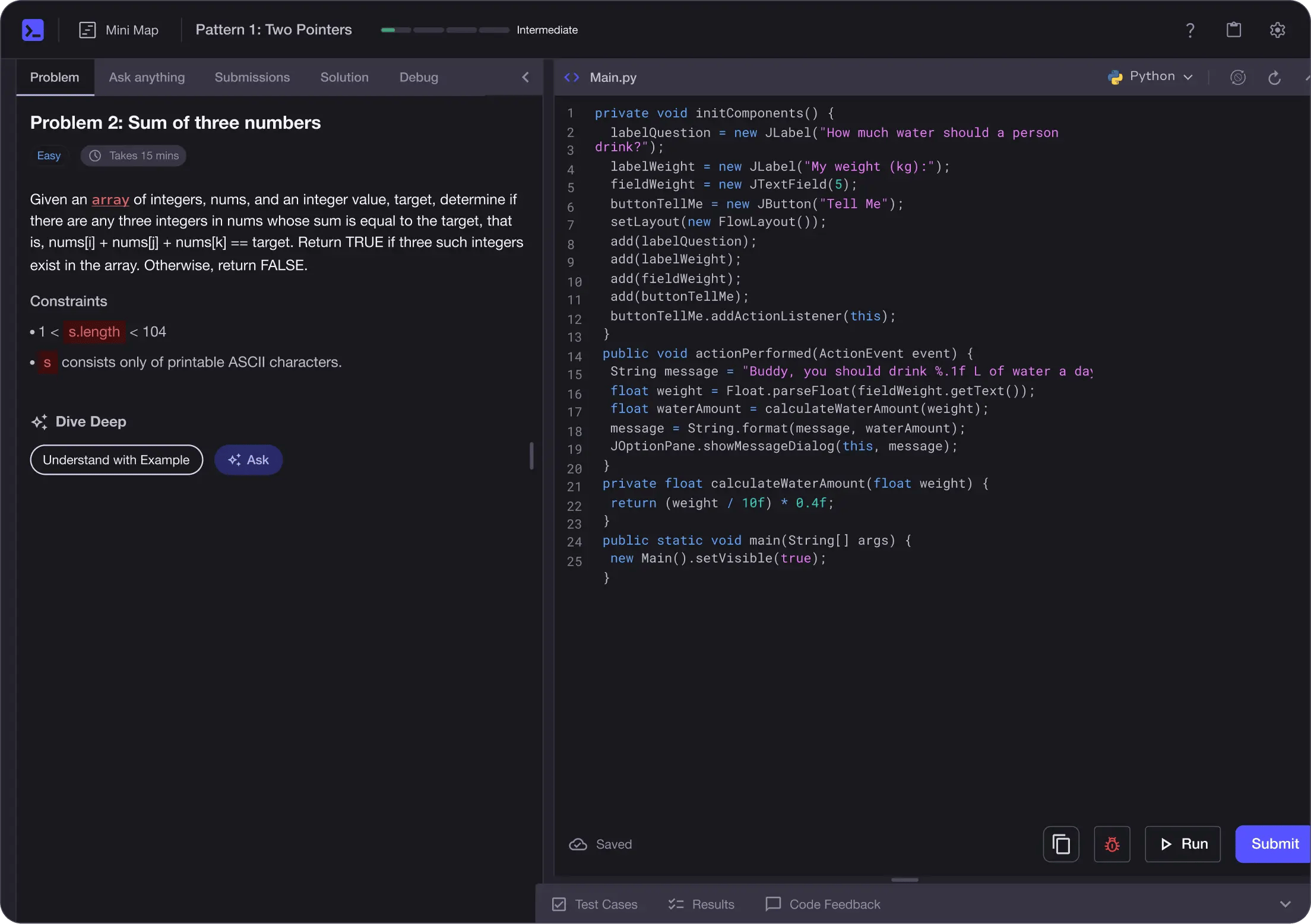
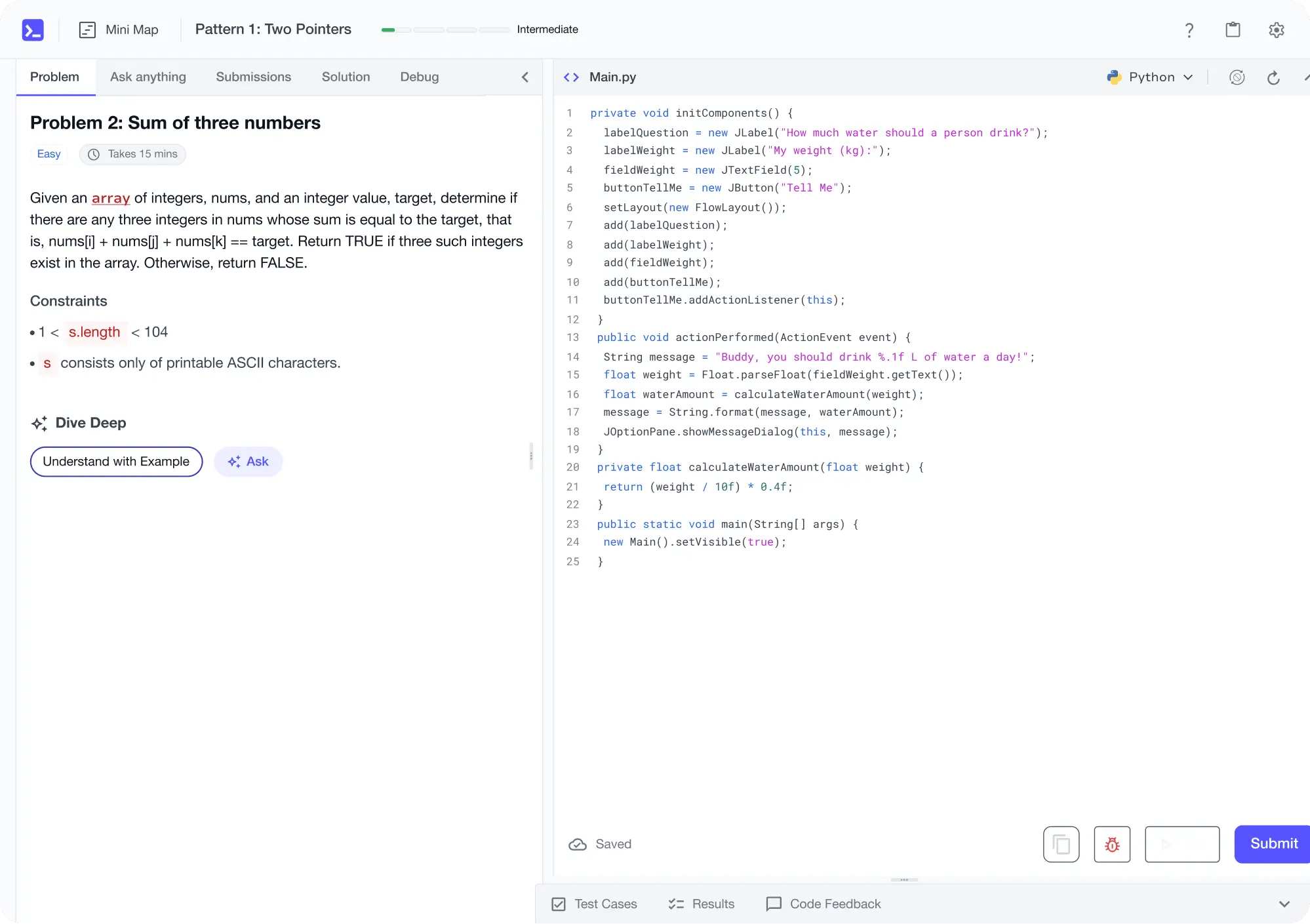
Learn by building with project-based lessons and in-browser code editor
Personalized Roadmaps
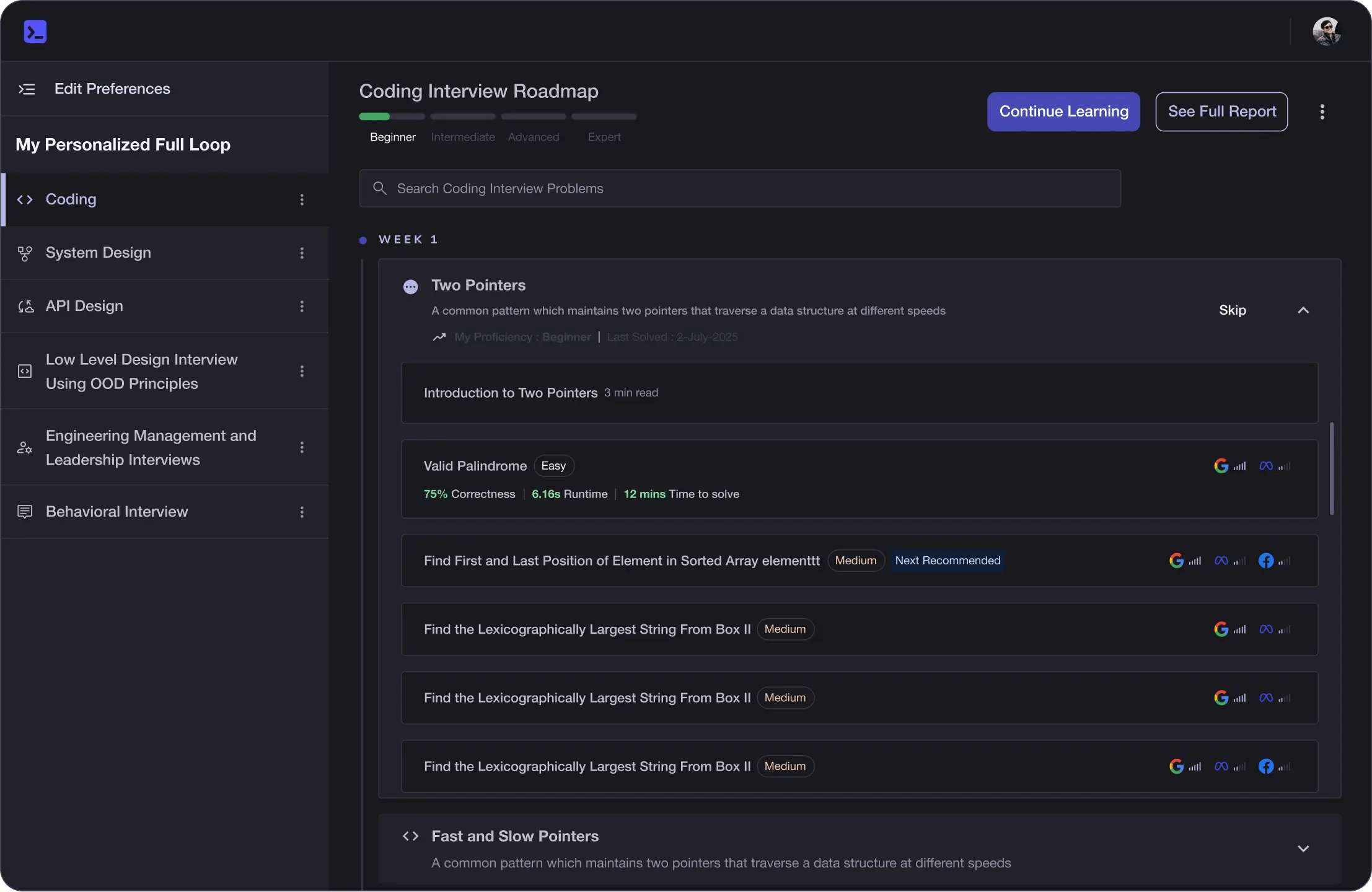
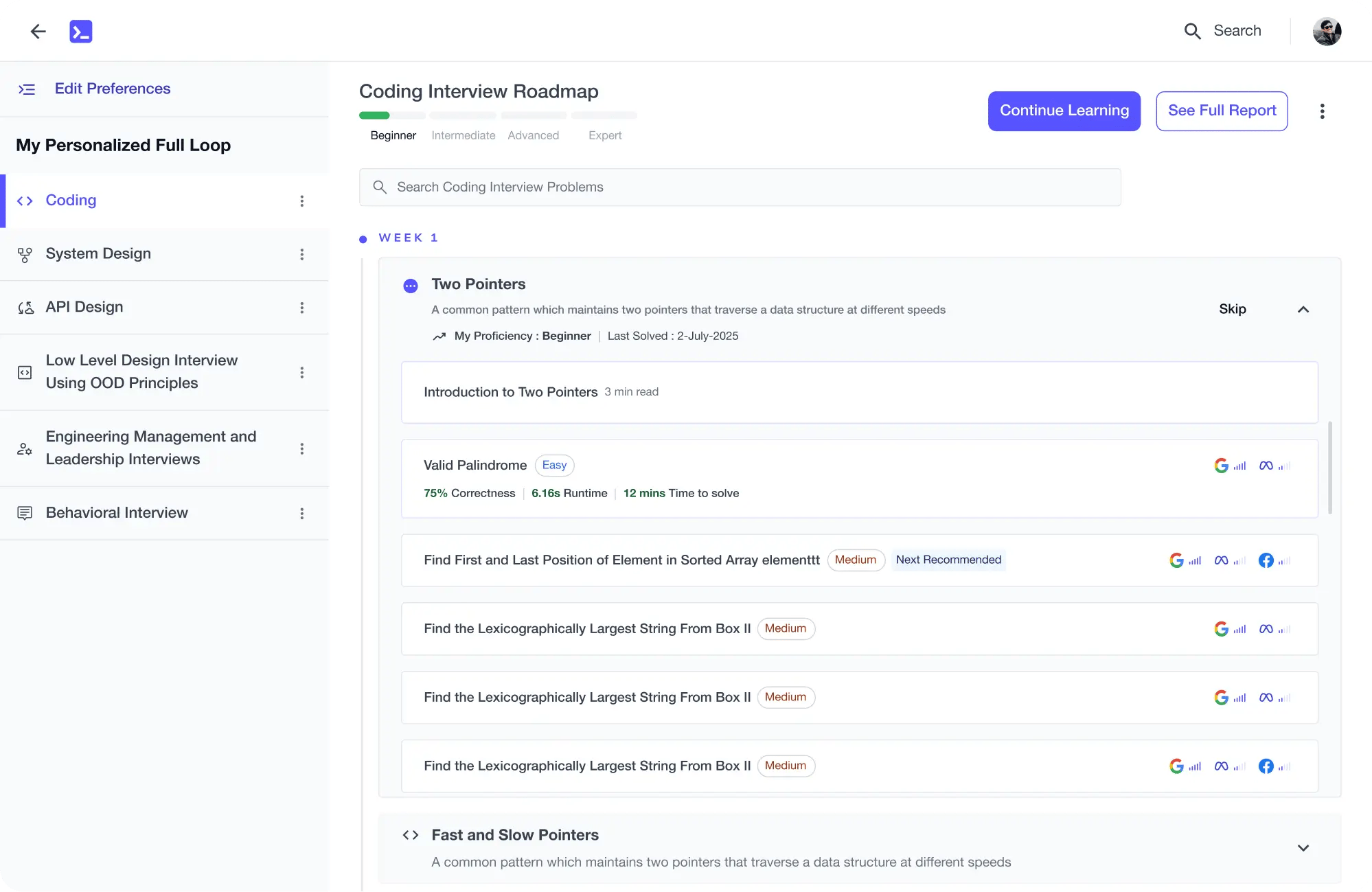
The platform adapts to your strengths & skills gaps as you go
Future-proof Your Career
Get hands-on with in-demand skills
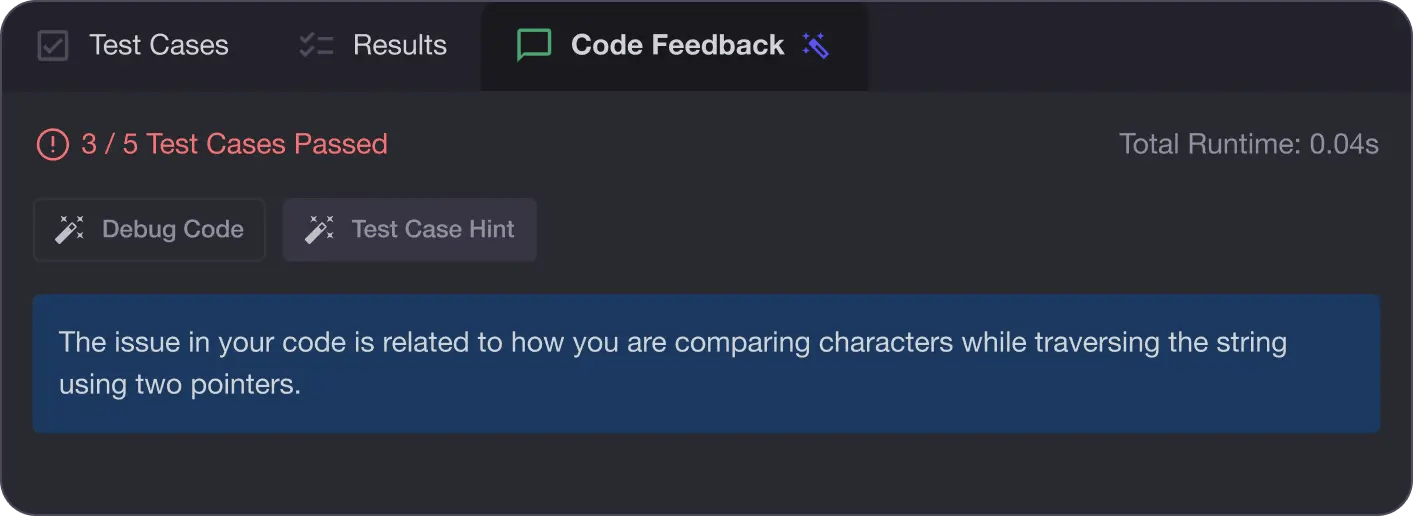
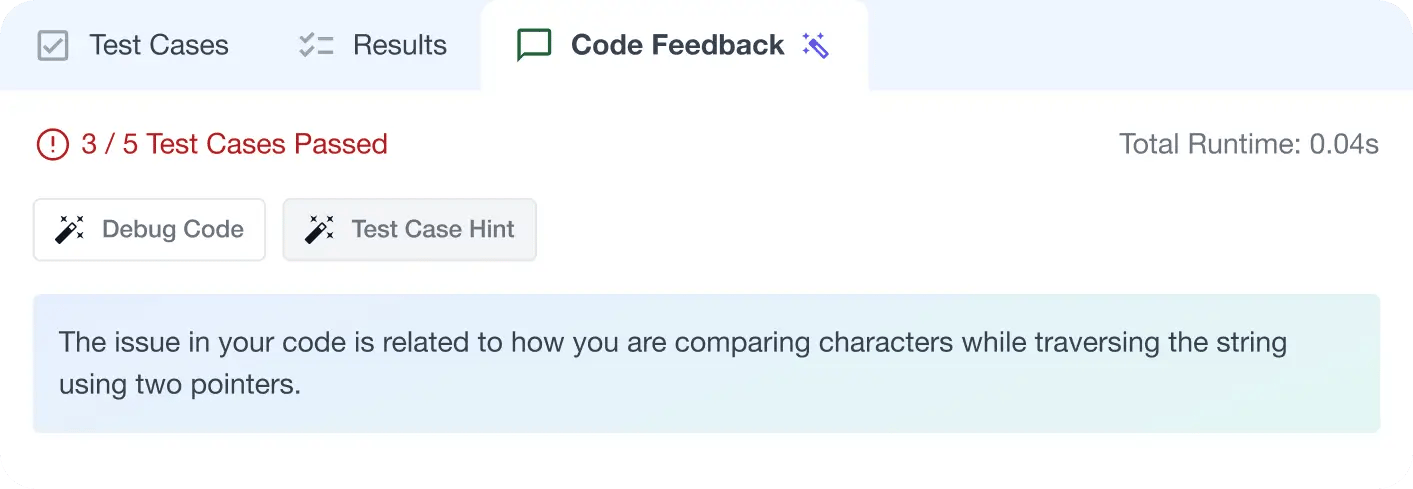
AI Code Mentor
Write better code with AI feedback, smart debugging, and "Ask AI"
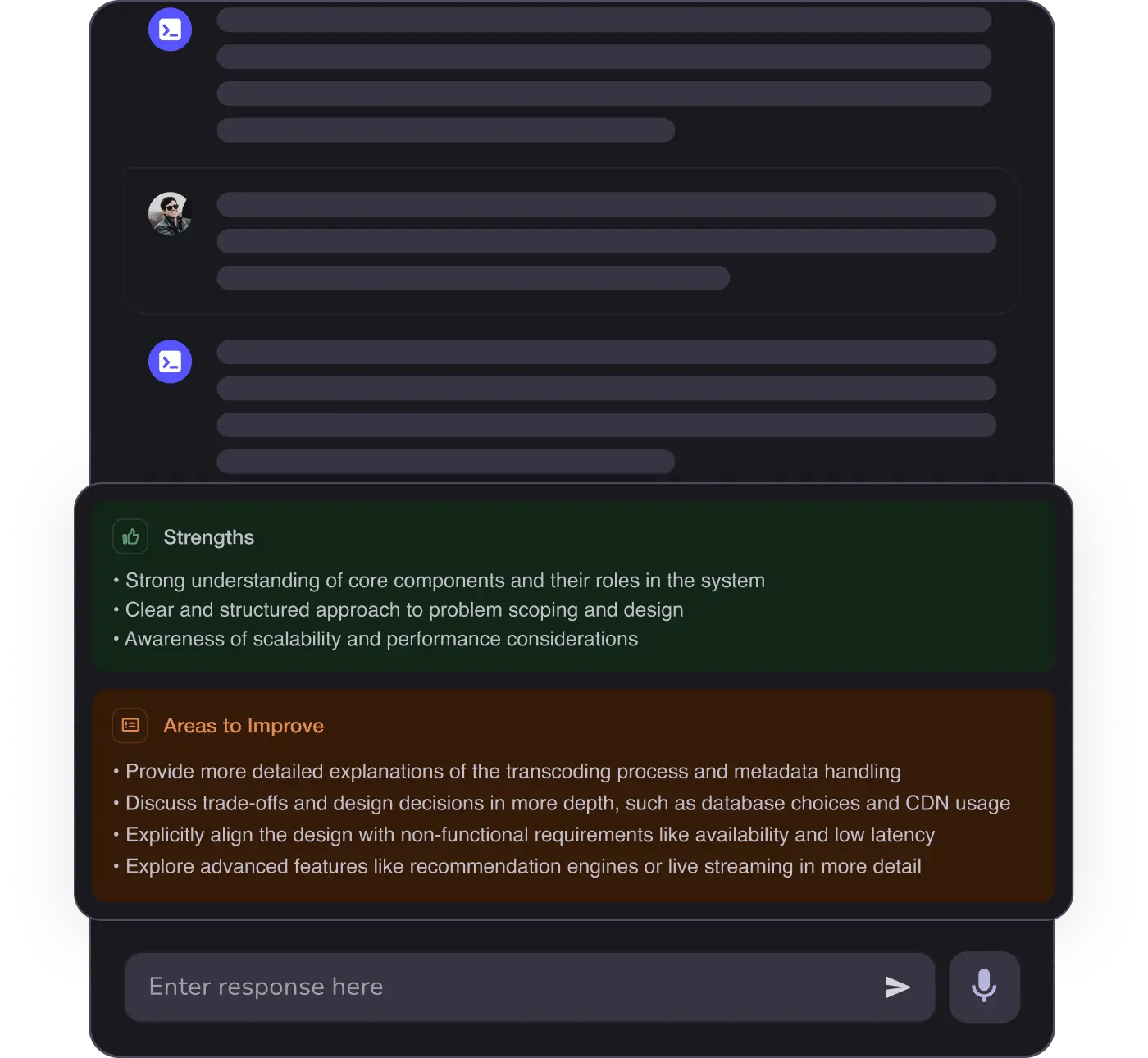
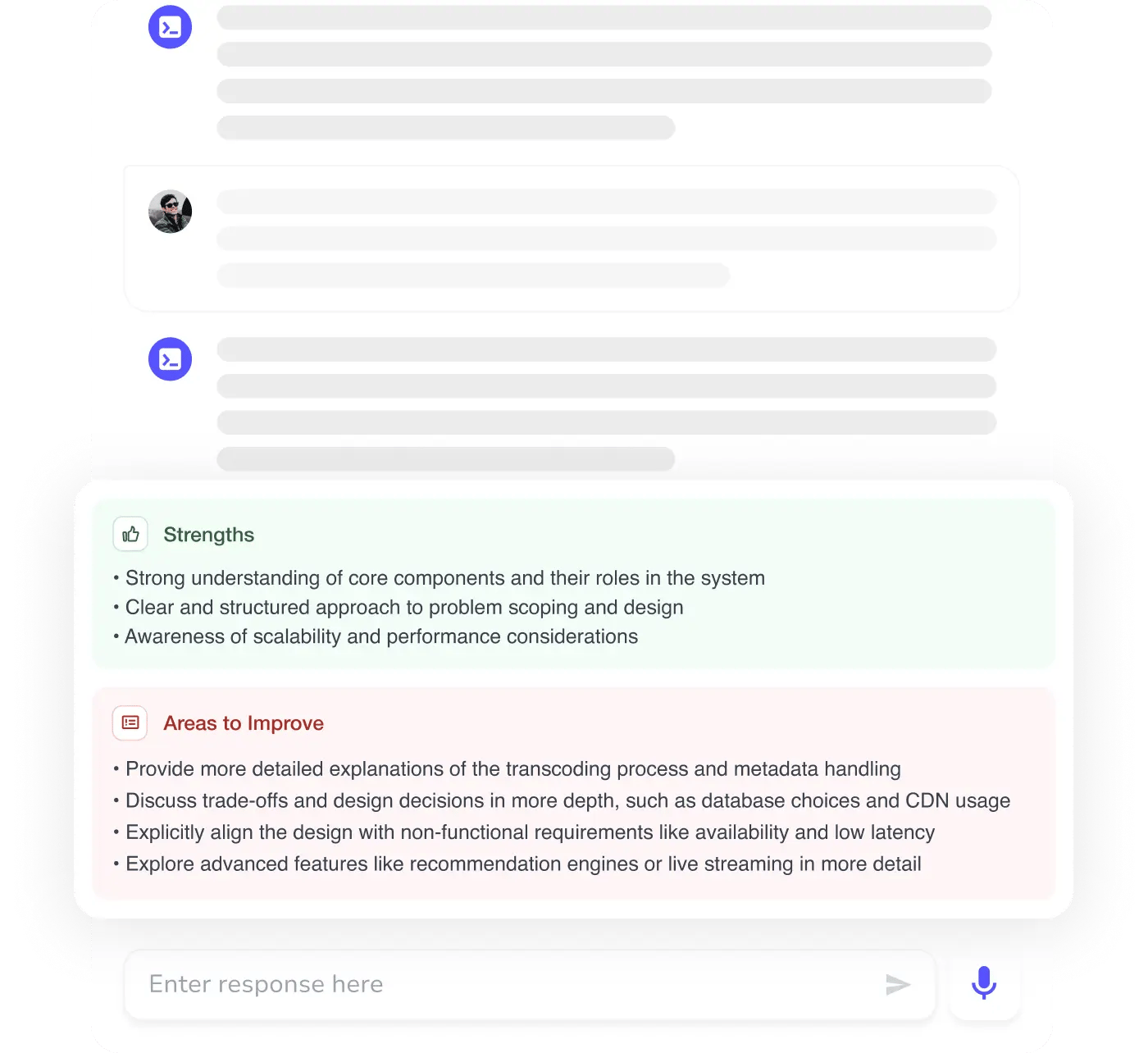
MAANG+ Interview Prep
AI Mock Interviews simulate every technical loop at top companies
Free Resources