AI-powered learning
Save this course
A Guide to Securing Node.js Applications
Gain insights into securing Node.js applications: sanitize inputs, use HTTPS, encryption, explore authentication, access control, and protect against XSS, CSRF, and popular hacks.
36 Lessons
4h
Updated 4 months ago
Join 3 million developers at
Join 3 million developers at
LEARNING OBJECTIVES
- Sanitize user input and output.
- Understand and implement HTTPS.
- Create secure hashes using random salts.
- Implement access control with authentication.
- Protect yourself against XSS and CSRF.
Learning Roadmap
1.
Introduction
Introduction
Get familiar with securing Node.js apps, addressing common vulnerabilities, and implementing robust security protocols.
2.
Never Trust Your Users. Sanitize ALL Input!
Never Trust Your Users. Sanitize ALL Input!
Unpack the core of input sanitization, preventing SQL injection, managing mass assignment, typecasting, and output sanitization.
3.
HTTPS and Other Random Letters
HTTPS and Other Random Letters
6 Lessons
6 Lessons
Work your way through securing Node.js applications using HTTPS, its limitations, and implementation techniques.
4.
Password Encryption and Storage for Everyone
Password Encryption and Storage for Everyone
9 Lessons
9 Lessons
Grasp the fundamentals of secure password encryption, hashing, and storage in Node.js applications.
5.
Authentication, Access Control, and Safe File Handling
Authentication, Access Control, and Safe File Handling
6 Lessons
6 Lessons
Deepen your knowledge of securing authentication, access control, and safe file handling in Node.js.
6.
Safe Defaults, Cross Site Scripting, and Other Popular Hacks
Safe Defaults, Cross Site Scripting, and Other Popular Hacks
7 Lessons
7 Lessons
Focus on securing Node.js apps with safe defaults, XSS and CSRF prevention, and updated libraries.
Certificate of Completion
Showcase your accomplishment by sharing your certificate of completion.
Complete more lessons to unlock your certificate
Developed by MAANG Engineers
ABOUT THIS COURSE
This course is your guide for securing Node.js applications. You'll start by properly sanitizing user input and output, and then move on to some fundamental protocols, such as HTTPS and SHA. Passwords and encryption will be discussed next. More specifically, you will learn about different hashing algorithms and protecting your application from brute force attacks.
Following that, you'll explore concepts like authentication, access control, and obfuscation. You will also learn about XSS, CSRF, and other popular hacks near the end of the course.
By the end of this course, you will know how to secure a Node.js application, an in-demand skill to put on your resume!
ABOUT THE AUTHOR

Ben Edmunds
🧠 staff engineer at wayfair 🎙host of phptownhall.com and morethancode.fm podcasts 📕author of securingphpapps.com and securingnodeapps.com books 🙋♂️He/him
Trusted by 3 million developers working at companies
A
Anthony Walker
@_webarchitect_
E
Evan Dunbar
ML Engineer
S
Software Developer
Carlos Matias La Borde
S
Souvik Kundu
Front-end Developer
V
Vinay Krishnaiah
Software Developer
Built for 10x Developers
No Passive Learning
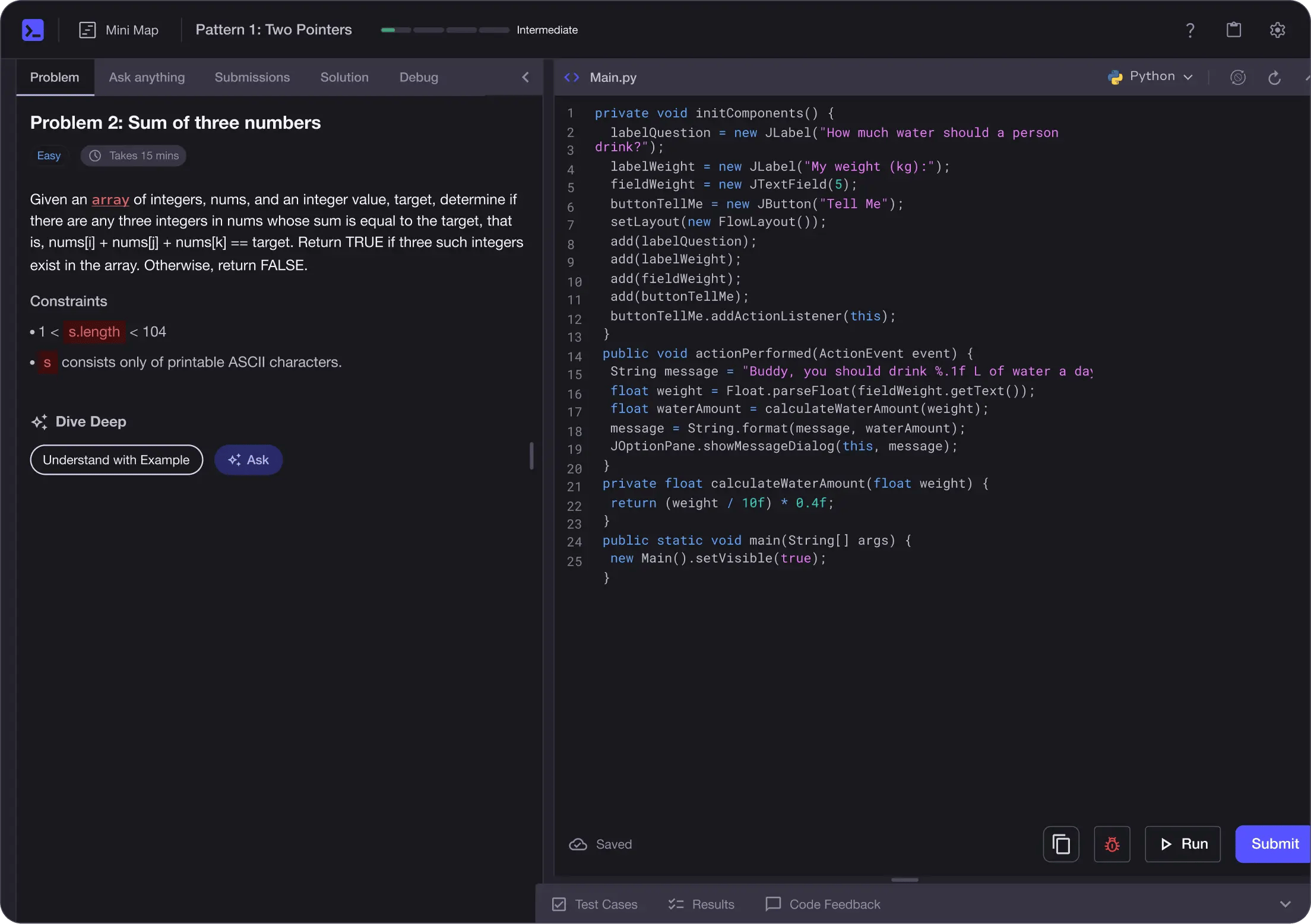
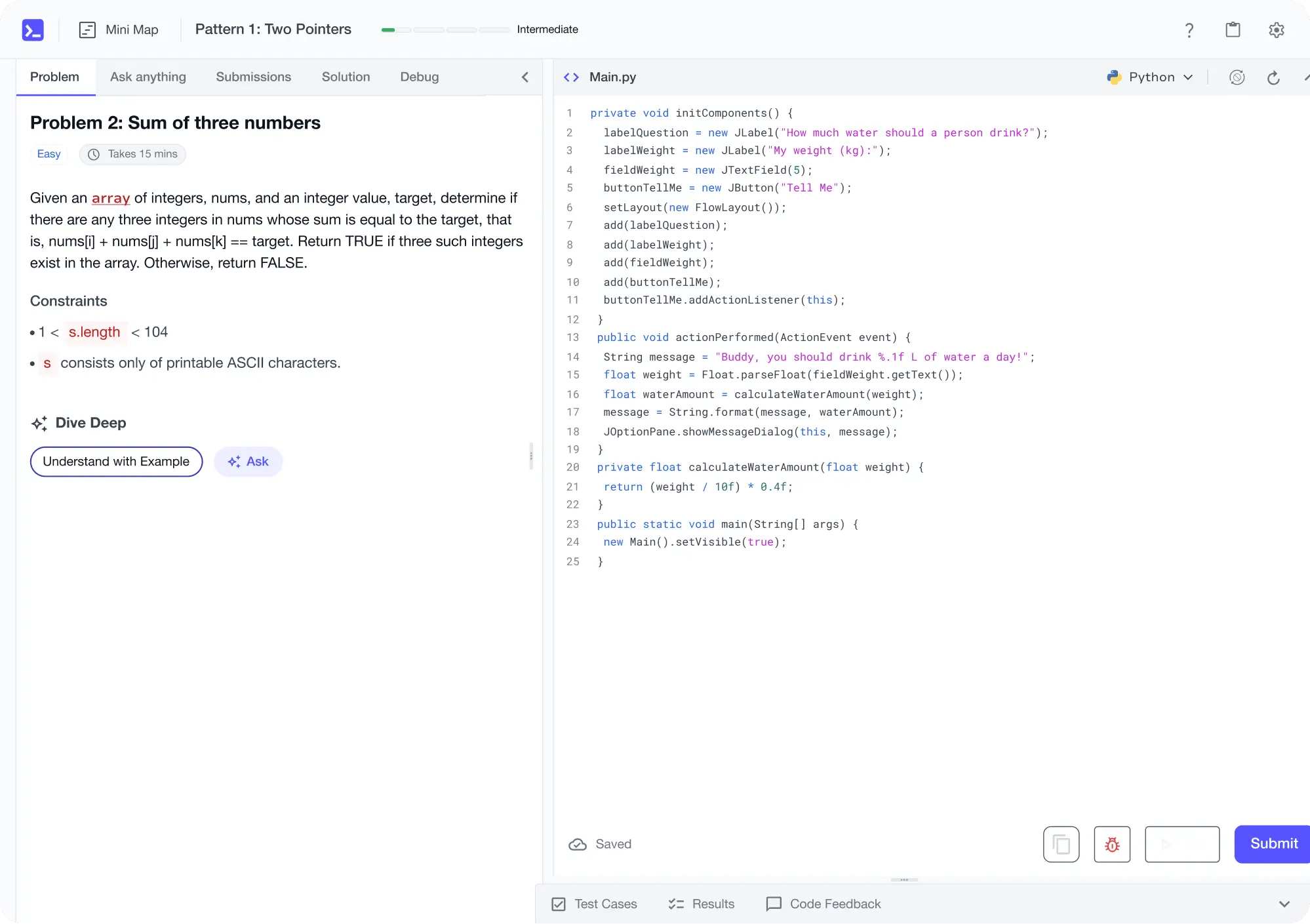
Learn by building with project-based lessons and in-browser code editor
Personalized Roadmaps
The platform adapts to your strengths & skills gaps as you go


Future-proof Your Career
Get hands-on with in-demand skills


AI Code Mentor
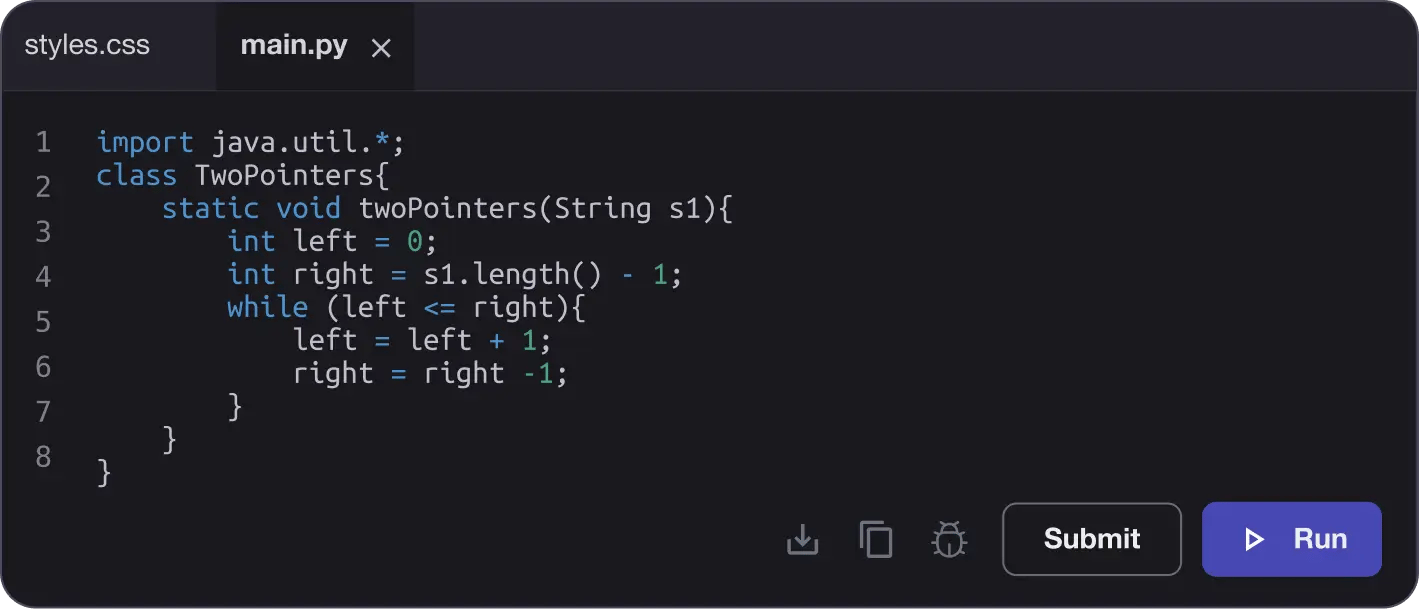
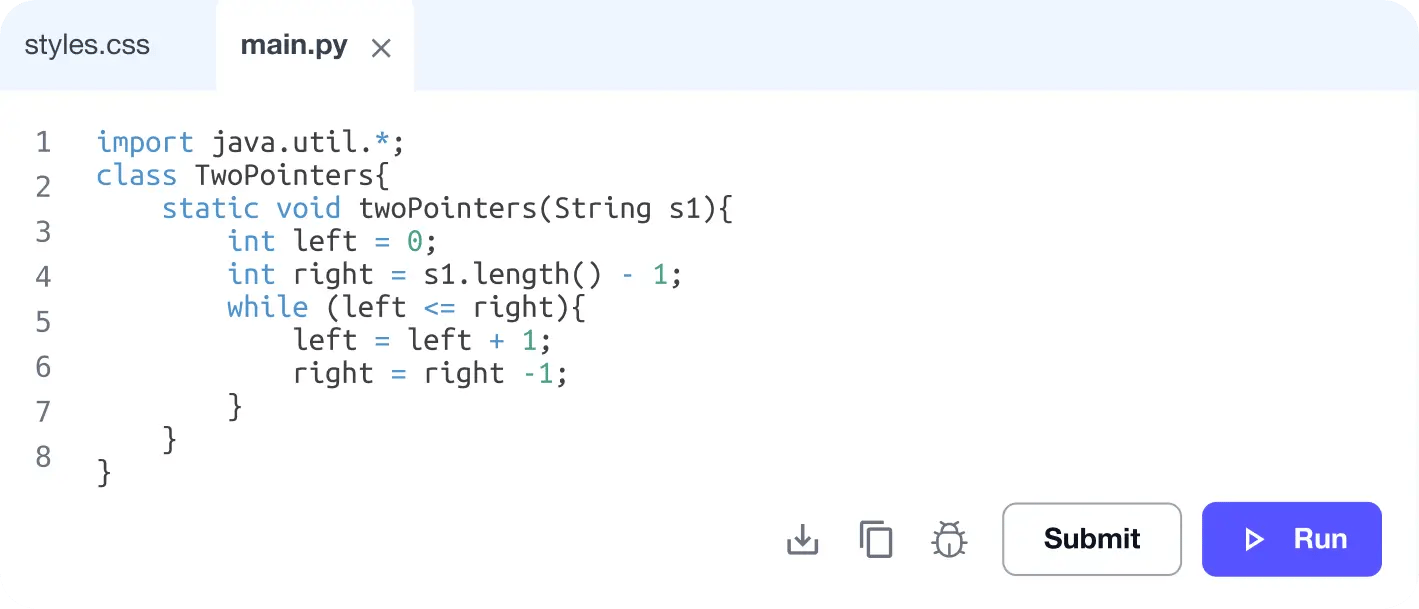
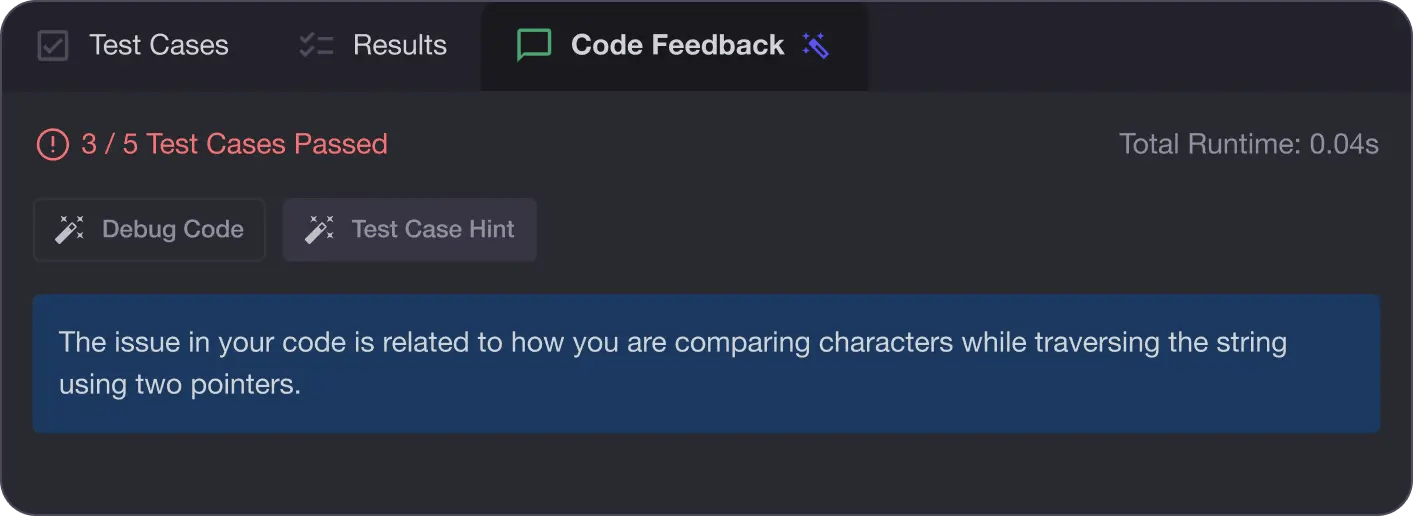
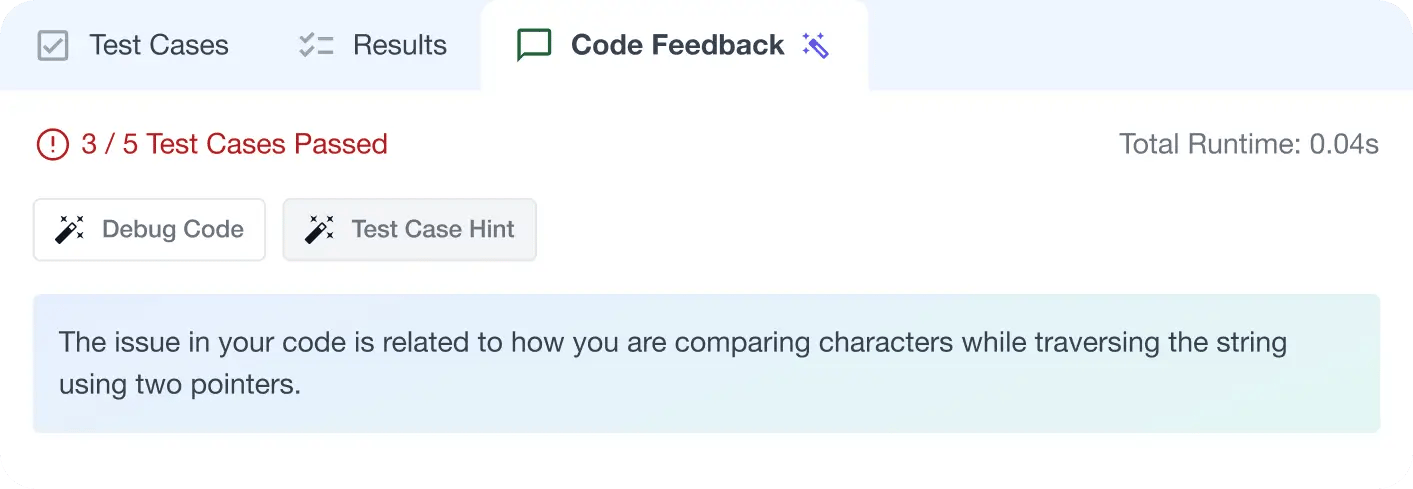
Write better code with AI feedback, smart debugging, and "Ask AI"
MAANG+ Interview Prep
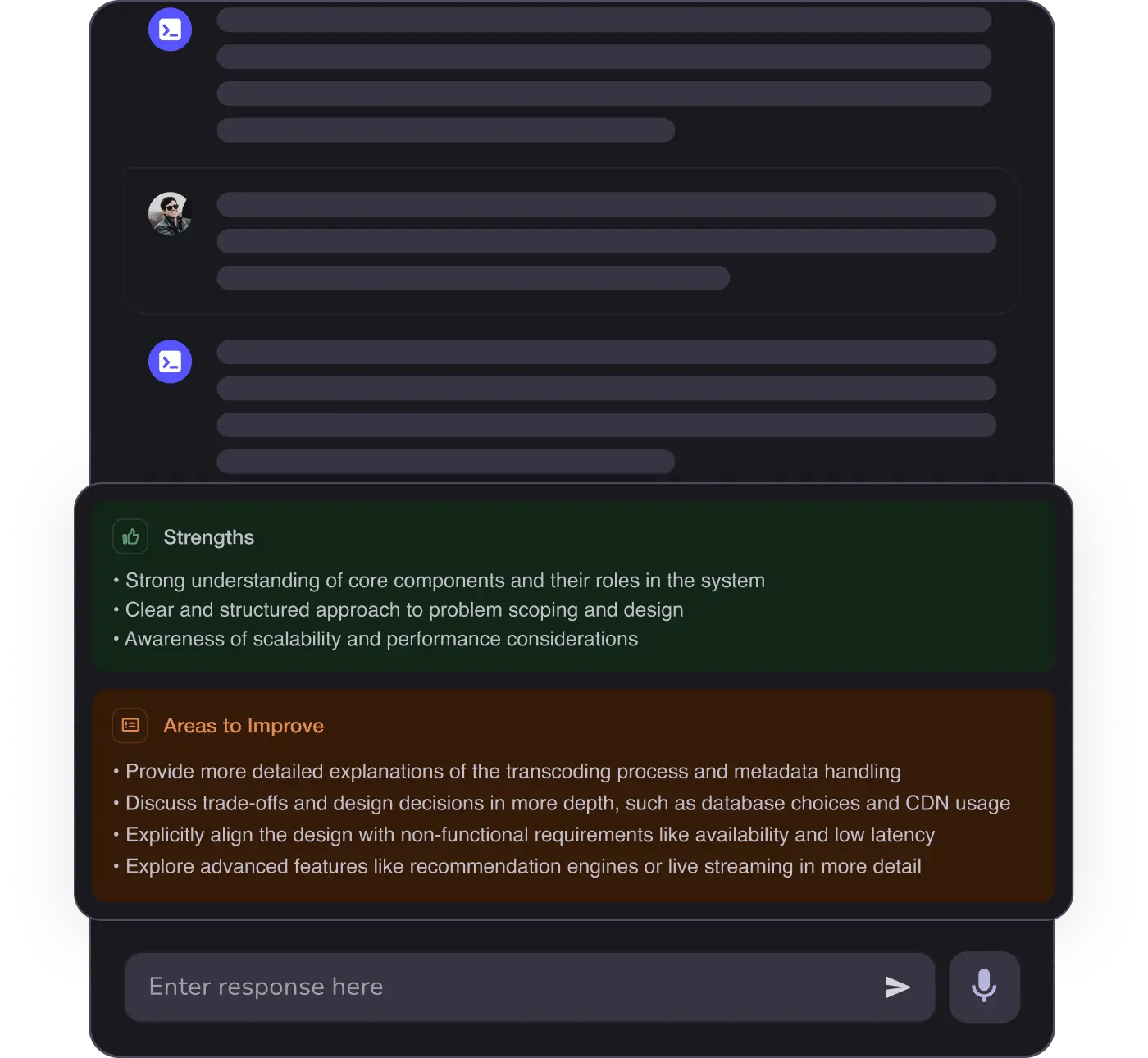
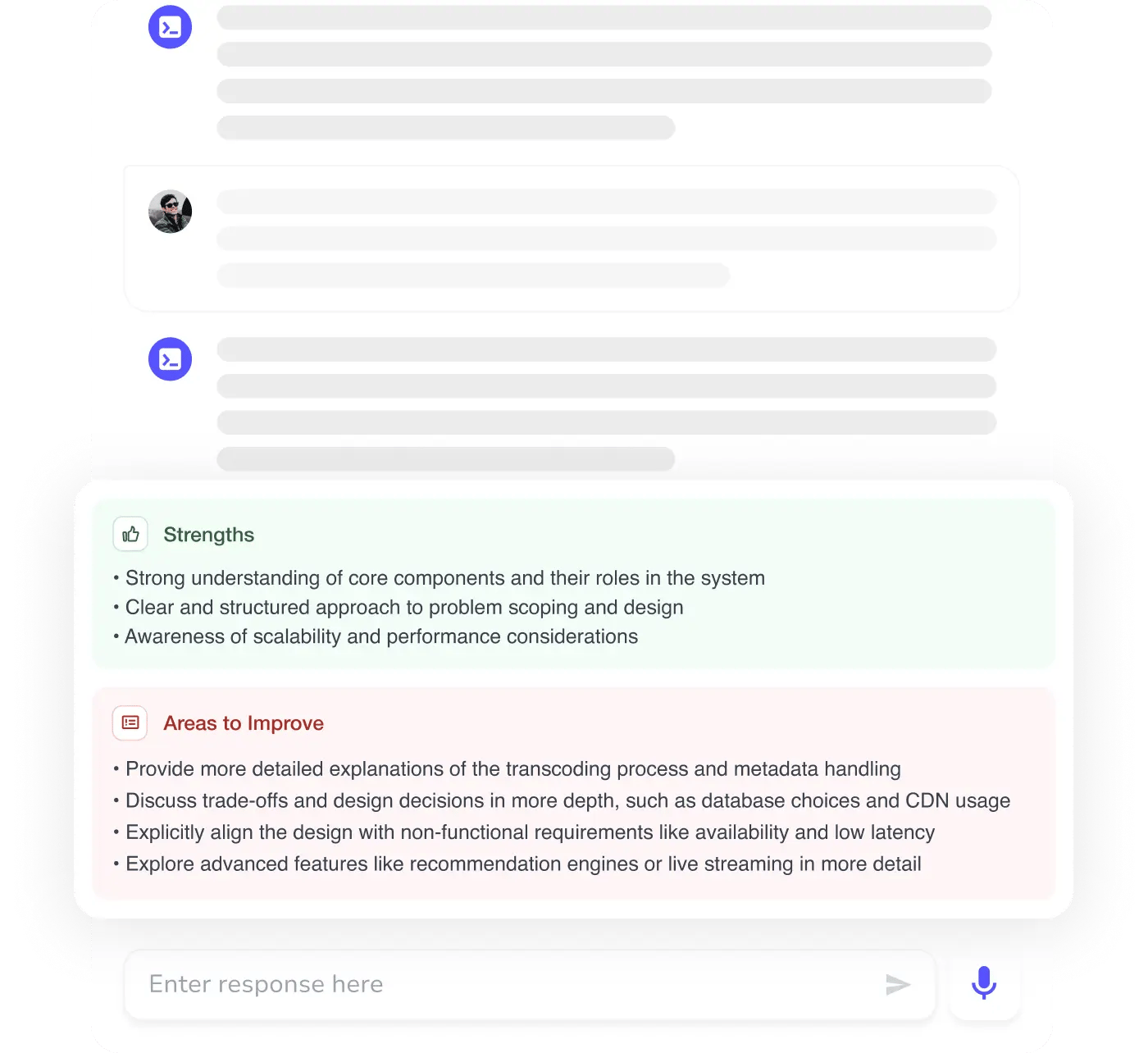
AI Mock Interviews simulate every technical loop at top companies
Free Resources
