Mobile app developer interview questions
Prepare for mobile development roles with common mobile app developer interview questions covering Android, iOS, architecture, APIs, performance optimization, and mobile security concepts.
Preparing for technical interviews in the mobile development field can be challenging because mobile engineering involves a combination of programming skills, platform knowledge, architecture understanding, and problem-solving ability. Candidates applying for developer roles often search for mobile app developer interview questions to understand what topics employers typically evaluate during the hiring process.
Mobile applications power many of the services people use daily, including social media platforms, banking applications, fitness tools, and productivity apps. Because of this widespread use, companies expect mobile developers to understand not only coding practices but also user experience design, performance optimization, and platform-specific architecture.
Studying mobile app developer interview questions helps candidates identify important concepts that frequently appear in interviews. This guide explains common technical topics, architectural discussions, and conceptual questions that mobile developers encounter during interviews, while also helping candidates understand how to prepare effectively for mobile development roles.
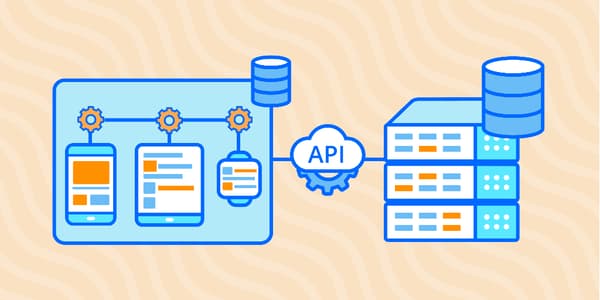
I created Grokking the Mobile System Design Interview after seeing how often mobile engineers are underprepared for the Mobile System Design interview. Most resources focus heavily on backend architecture, but mobile interviews demand a different perspective, one that blends client-side constraints, platform nuances, and seamless integration with complex backend systems. Over the years, I’ve worked with engineers who could build great features but struggled to explain why certain architectural decisions mattered on mobile. Things like lifecycle management, network reliability, and performance optimization are core to how mobile systems succeed in the real world. That’s exactly what this course is designed to teach. In Grokking the Mobile System Design Interview, you’ll learn how to approach mobile System Design with a structured, platform-aware mindset. We cover essential architectural patterns like MVC, MVVM, VIPER, and CLEAN, and show how to apply them in practical scenarios. You’ll also dive into networking, data and state management, security considerations, and performance trade-offs that directly impact user experience. The course is anchored by the SCADET framework, which helps you break down problems systematically and communicate your decisions clearly during interviews. Finally, you’ll apply everything through real-world systems like chat apps, newsfeeds, and mapping applications. By the end, you’ll know how to design mobile systems confidently and stand out in your next Mobile System Design interview.
Understanding the structure of mobile development interviews#
Mobile development interviews are usually structured to evaluate multiple aspects of a candidate’s technical abilities. These interviews often include technical discussions, coding exercises, and conceptual questions about application architecture.
Employers typically begin with foundational questions about modern mobile app development platforms such as Android or iOS. These questions evaluate whether candidates understand the development environments, programming languages, and lifecycle management of mobile applications.
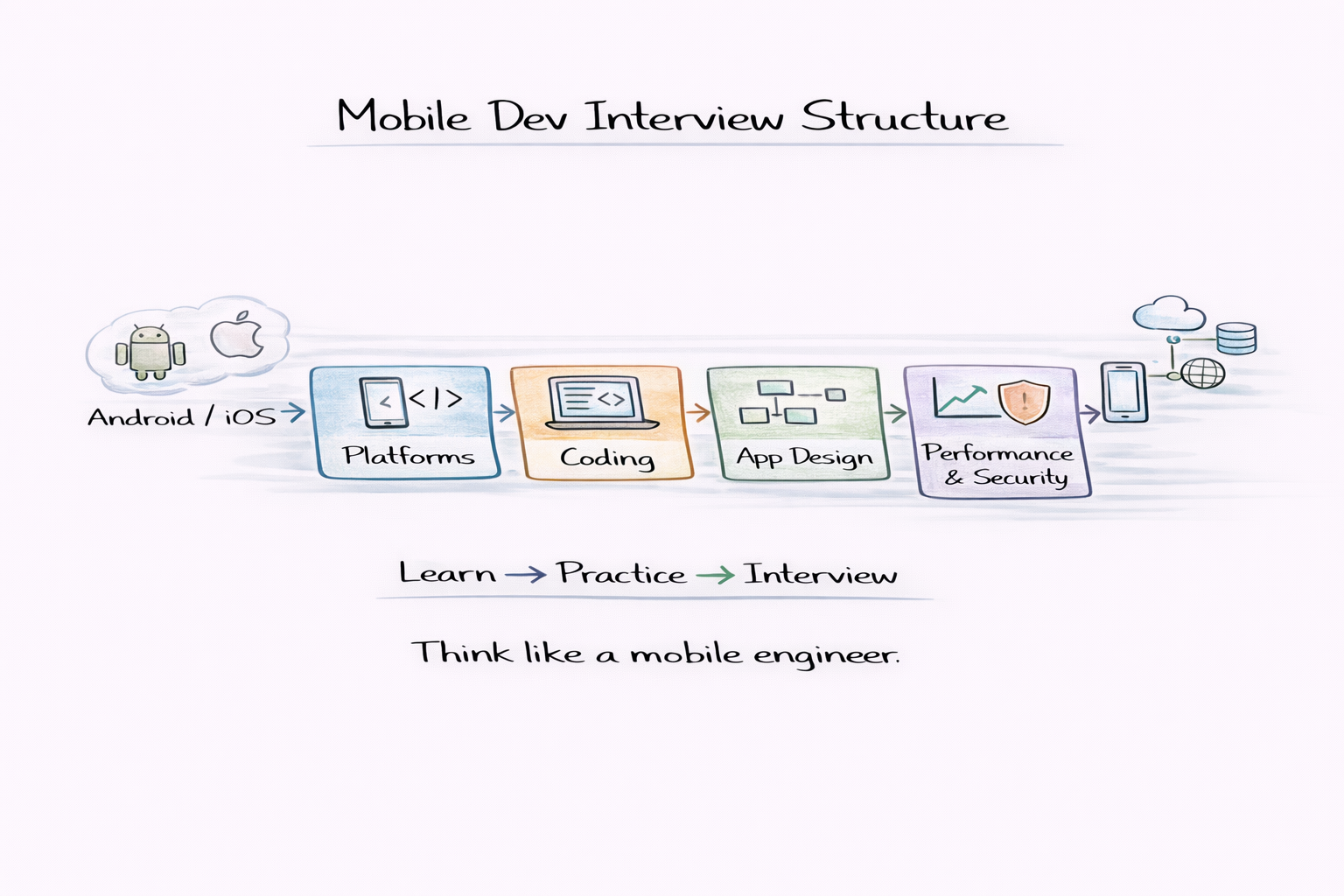
As interviews progress, candidates may encounter more complex mobile app developer interview questions related to application performance, data handling, security considerations, and user interface design. Employers want developers who understand how mobile apps function within the broader ecosystem of operating systems, networks, and device hardware.
Understanding the structure of these interviews helps candidates prepare strategically by focusing on the skills and knowledge most relevant to real-world mobile development.
Core programming concepts in mobile development interviews#
Programming fundamentals play a critical role in mobile development interviews because every mobile application relies on efficient and reliable code. Interviewers often ask candidates to explain programming concepts related to memory management, object-oriented design, and asynchronous operations.
Developers must demonstrate familiarity with the programming languages commonly used for mobile platforms. Android developers frequently work with Java or Kotlin, while iOS developers typically use Swift or Objective-C.
So, you want to learn to build your own Android apps? You’ve come to the right place. In this course, you’ll take a hands-on, project-based approach to developing Android applications. You’ll work with the most common tools that Android developers use every day including Java, Groovy, and XML. As you learn, you’ll build a fully functional Travel Blog Application that will be a great addition to your portfolio. By the end of this course, you’ll have built a fully functional Android application and be ready to build even more complex projects.
Interviewers may also ask candidates to explain how programming concepts apply within mobile environments. For example, developers may need to describe how asynchronous programming prevents applications from freezing during network operations.
The following table summarizes programming languages commonly discussed in mobile app developer interview questions.
Platform | Common Programming Languages | Typical Use |
Android | Kotlin, Java | Building Android applications |
iOS | Swift, Objective-C | Developing iOS apps |
Cross-Platform | Dart, JavaScript | Framework-based development |
Backend Integration | Python, Node.js | Supporting mobile APIs |
Understanding these languages helps developers demonstrate familiarity with mobile development ecosystems.
Questions about Mobile application architecture#
Application architecture is an important topic in mobile development interviews because it determines how applications scale, maintain performance, and remain maintainable over time. Interviewers frequently ask candidates to explain architectural patterns used in mobile applications.
Developers may be asked about patterns such as Model View Controller, Model View ViewModel, or Clean Architecture. These architectural structures help developers organize code in a way that separates user interface logic from business logic and data management.
Candidates may also encounter mobile app developer interview questions that explore how architectural patterns improve application maintainability. Developers must demonstrate that they understand how to structure projects so that features can be added or modified without introducing unnecessary complexity.
Strong architectural knowledge helps developers build scalable applications that remain manageable as projects grow.
User interface and user experience questions#
Mobile developers must understand how to design interfaces that provide smooth and intuitive user experiences. Interviewers often include questions about user interface design principles because mobile apps must operate effectively across different screen sizes and device capabilities.
Developers may be asked how they design responsive layouts that adapt to various devices. Questions may also explore how developers ensure that applications remain accessible and easy to navigate.
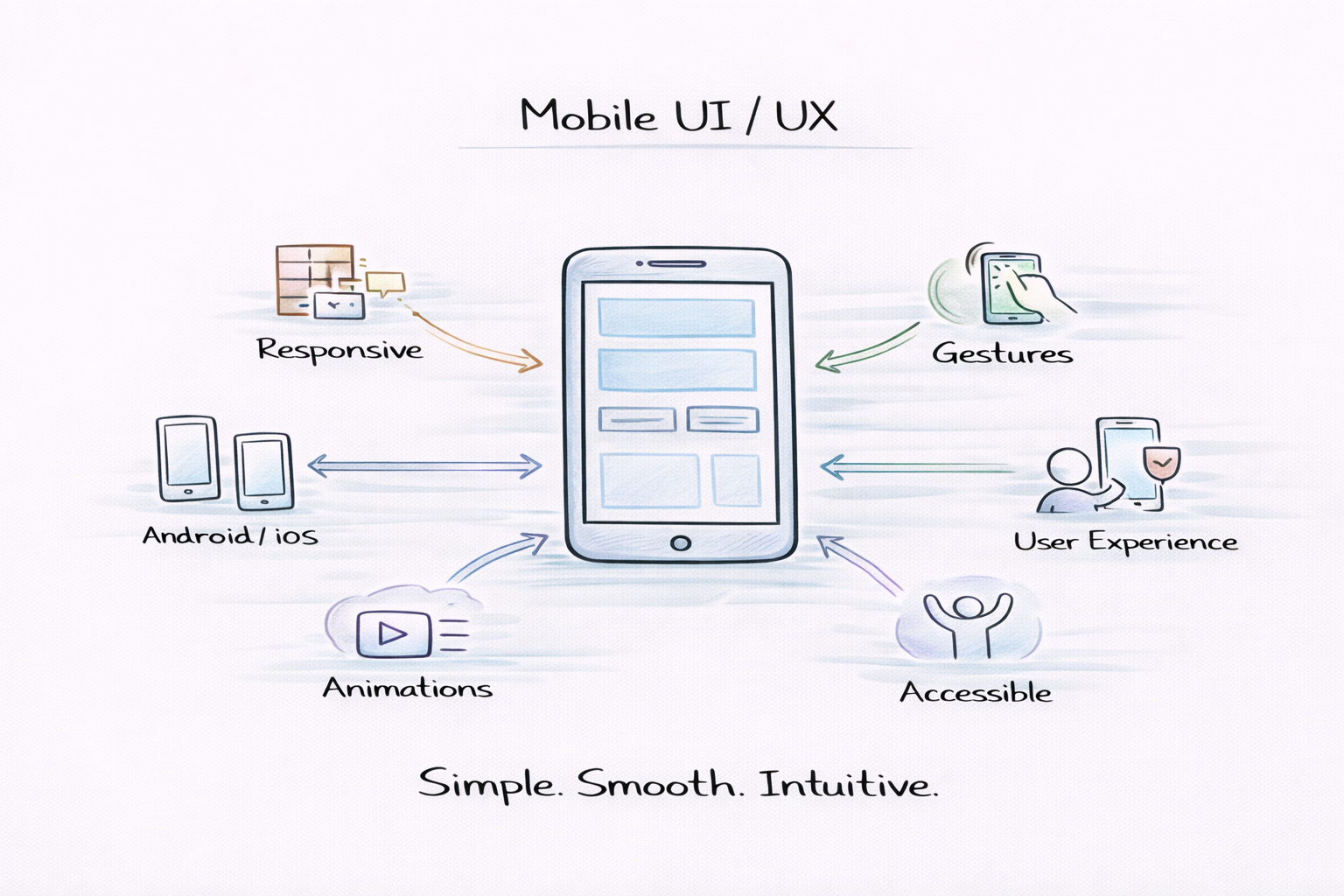
Another common topic involves understanding how animations, gestures, and transitions affect user engagement. Developers must balance functionality with usability to ensure that applications remain both powerful and intuitive.
User interface discussions appear frequently in mobile app developer interview questions because the visual experience of an app plays a major role in user satisfaction.
Questions about mobile application lifecycle#
Understanding the lifecycle of mobile applications is essential for developers because mobile apps must manage resources efficiently as users interact with them. Interviewers often ask candidates to explain how applications transition between different lifecycle states.
Mobile applications must handle events such as launching, pausing, resuming, and terminating. Developers must ensure that applications preserve user data and maintain performance as these transitions occur.
For example, Android developers must understand how activities move through lifecycle states such as created, started, resumed, paused, and destroyed. iOS developers must understand similar lifecycle events related to view controllers.
The following table summarizes lifecycle concepts commonly discussed in mobile app developer interview questions.
Platform | Lifecycle Component | Purpose |
Android | Activity Lifecycle | Managing screen transitions |
Android | Fragment Lifecycle | Handling reusable UI components |
iOS | View Controller Lifecycle | Managing screen states |
Both Platforms | App Lifecycle | Handling background and foreground states |
Understanding lifecycle management ensures that applications behave reliably during user interactions.
Mobile networking and API integration questions#
Mobile applications frequently interact with remote servers to retrieve and store data. Interviewers often ask questions about networking concepts to evaluate whether developers understand how applications communicate with backend systems.
Developers must understand how HTTP requests work and how APIs deliver data to mobile applications. Candidates may be asked how they implement network calls, handle responses, and manage error conditions.
Mobile app developer interview questions may also explore how developers optimize network performance to reduce latency and improve responsiveness. Techniques such as caching and efficient data synchronization can significantly improve application performance.
Understanding networking concepts helps developers build applications that integrate seamlessly with external services and backend systems.
Mobile application performance optimization#
Performance optimization is another important topic in mobile development interviews because poorly optimized applications can negatively affect user experiences. Developers must ensure that applications run smoothly without excessive memory usage or slow interface updates.
Interviewers may ask candidates how they optimize applications to reduce battery consumption and improve responsiveness. Developers may also need to explain strategies for managing memory and minimizing resource usage.
Mobile app developer interview questions related to performance often involve scenarios where developers must diagnose slow loading times or identify bottlenecks in application logic.
Developers who understand performance optimization techniques demonstrate the ability to build efficient applications that provide reliable user experiences.
Mobile security questions#
Security is an essential consideration in mobile development because applications frequently handle sensitive user data. Interviewers often include security-related questions to ensure that developers understand how to protect applications from vulnerabilities.
Developers may be asked about encryption, secure storage of user credentials, and protecting applications from unauthorized access. Understanding authentication and authorization mechanisms is also important when building applications that connect to secure services.
The following table highlights common security topics discussed in mobile app developer interview questions.
Security Topic | Purpose | Example Application |
Data Encryption | Protect sensitive information | Securing stored user data |
Authentication | Verify user identity | Login systems |
Secure APIs | Protect backend communication | Token-based authentication |
Secure Storage | Protect device data | Keychain or encrypted storage |
Understanding these concepts helps developers build applications that protect user data and maintain system integrity.
Cross-platform development questions#
Many organizations now build mobile applications that operate across multiple platforms. Cross-platform frameworks allow developers to write code once and deploy applications to both Android and iOS environments.
Interviewers may ask candidates about frameworks such as Flutter, React Native, or Xamarin. These tools simplify development by allowing developers to share much of their code across platforms.
Mobile app developer interview questions related to cross-platform development often focus on understanding the advantages and limitations of these frameworks. Developers must know when cross-platform solutions are appropriate and when native development is more suitable.
Understanding cross-platform frameworks demonstrates adaptability and familiarity with modern development tools.
Behavioral questions in mobile development interviews#
In addition to technical knowledge, interviewers evaluate how candidates collaborate with teams and handle real-world challenges during development projects. Behavioral questions help employers understand how candidates approach problem-solving and teamwork.
Developers may be asked to describe past projects, explain how they resolved technical issues, or discuss how they managed deadlines during development cycles. These discussions allow interviewers to evaluate communication skills and decision-making processes.
Candidates should prepare examples from previous projects that demonstrate their ability to work collaboratively and solve complex technical problems.
Understanding the purpose of behavioral discussions helps candidates communicate their experiences effectively during interviews.
Preparing effectively for mobile development interviews#
Successful interview preparation requires a combination of technical knowledge, practical experience, and consistent practice. Candidates should review programming fundamentals, study platform-specific architecture, and build projects that demonstrate their skills.
Studying mobile app developer interview questions helps candidates identify important topics that frequently appear in technical discussions. However, candidates should focus on understanding the underlying concepts rather than memorizing answers.
Developers should also practice explaining technical concepts clearly because communication plays an important role during interviews. Being able to describe how an application works or how a problem was solved demonstrates confidence and technical competence.
Consistent practice and real project experience provide the strongest preparation for mobile development interviews.
Final words#
Preparing for mobile development interviews requires understanding both technical concepts and practical development workflows. Reviewing mobile app developer interview questions helps candidates identify important topics while strengthening their understanding of mobile application architecture, programming concepts, and user experience design.
Mobile developers must combine programming expertise with knowledge of mobile platforms, networking systems, and application performance optimization. Candidates who demonstrate both technical skill and clear communication often perform well during interviews.
By studying core concepts, building real mobile applications, and practicing technical discussions, aspiring developers can significantly improve their chances of success when pursuing mobile development careers.
