Updated 27 Aug
AI-powered learning
Save this course
Introduction to Human-Computer Interaction
Delve into Human-Computer Interaction, learn user-centered design principles, build interactive interfaces, and evaluate models to create compelling user experiences and effective computing technologies.
4.7
47 lessons
3h
Created by Educative

What's included
- 47 lessons across 9 modules
- 27 quizzes with instant feedback
- AI Tutor on every lesson
Join 3.1 million developers at
What You'll Learn
- Become aware of technical design rules and principles
- The ability to differentiate between good and bad design
- Use design models and principles to build practical and interactive interfaces
- Use universal design principles to design systems for a diverse audience
- Incorporate the Usability Engineering Life Cycle into the Software Development Life Cycle (SDLC)
- Gain an insight into some major applications of HCI
Learning Roadmap
1.
Before We Begin
Before We Begin
Get familiar with HCI basics, its significance, and key principles for effective design.
2.
Human and Computer Capabilities
Human and Computer Capabilities
Discover the logic behind human-computer interaction through perception, memory, and input/output dynamics.
3.
Interaction
Interaction
5 Lessons
5 Lessons
Examine human-computer interaction, addressing models, frameworks, ergonomics, and interaction styles.
4.
Design Rules and Fundamentals
Design Rules and Fundamentals
6 Lessons
6 Lessons
Find out about user-centered design, core principles, and universal accessibility guidelines for intuitive interfaces.
5.
Design Process
Design Process
3 Lessons
3 Lessons
Take a closer look at the iterative steps of user-centered design and usability engineering.
6.
Phase 1: Requirements Analysis
Phase 1: Requirements Analysis
5 Lessons
5 Lessons
Focus on categorizing requirements, user profiling, analyzing tasks, and setting usability goals.
7.
Phase 2: Design/Prototyping/Development
Phase 2: Design/Prototyping/Development
4 Lessons
4 Lessons
Master the steps to prototyping, conceptual, and physical design in enhancing user interactions.
8.
Evaluation Techniques
Evaluation Techniques
6 Lessons
6 Lessons
Step through various HCI evaluation methods, including heuristic, model-based, experimental, and observational techniques.
9.
Conclusion
Conclusion
2 Lessons
2 Lessons
Discover the logic behind HCI's transformative applications and future advancements in extended reality.
Certificate of Completion
Showcase your accomplishment by sharing your certificate of completion.
Complete more lessons to unlock your certificate
Developed by MAANG Engineers
Trusted by 3.1 million developers working at companies
A
Anthony Walker
@_webarchitect_
E
Evan Dunbar
ML Engineer
S
Software Developer
Carlos Matias La Borde
S
Souvik Kundu
Front-end Developer
V
Vinay Krishnaiah
Software Developer
Built for 10x Developers
No Passive Learning
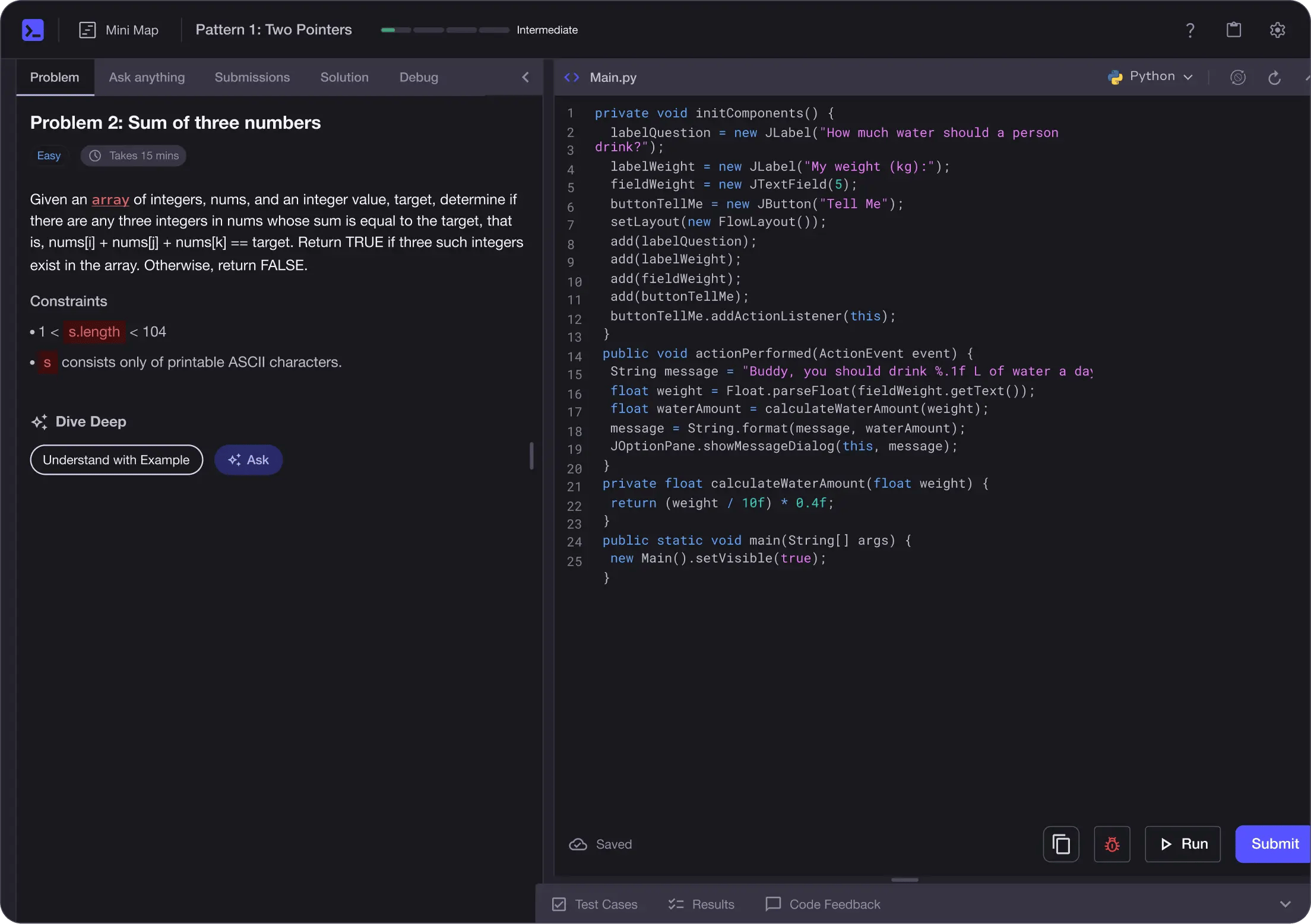
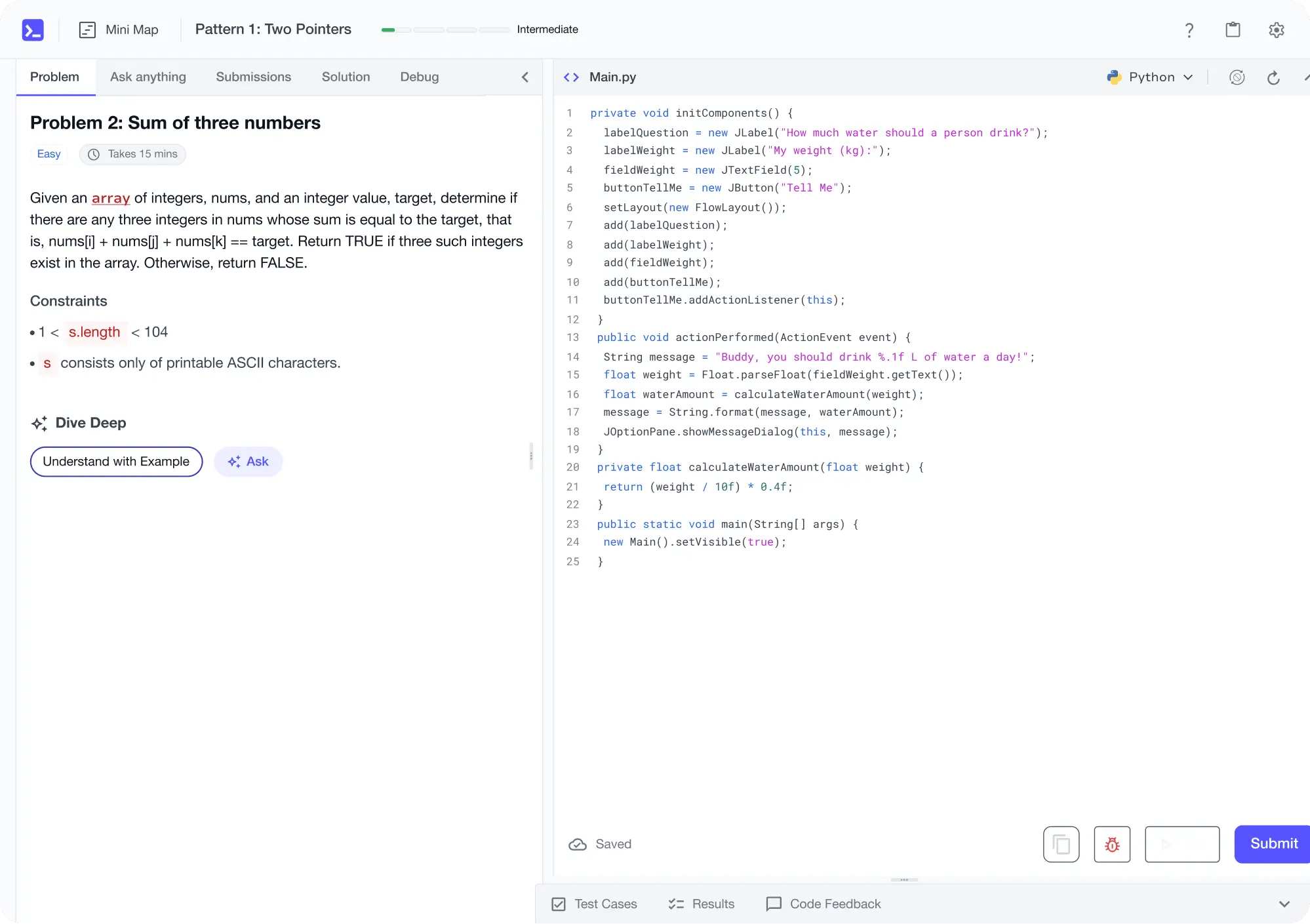
Learn by building with project-based lessons and in-browser code editor
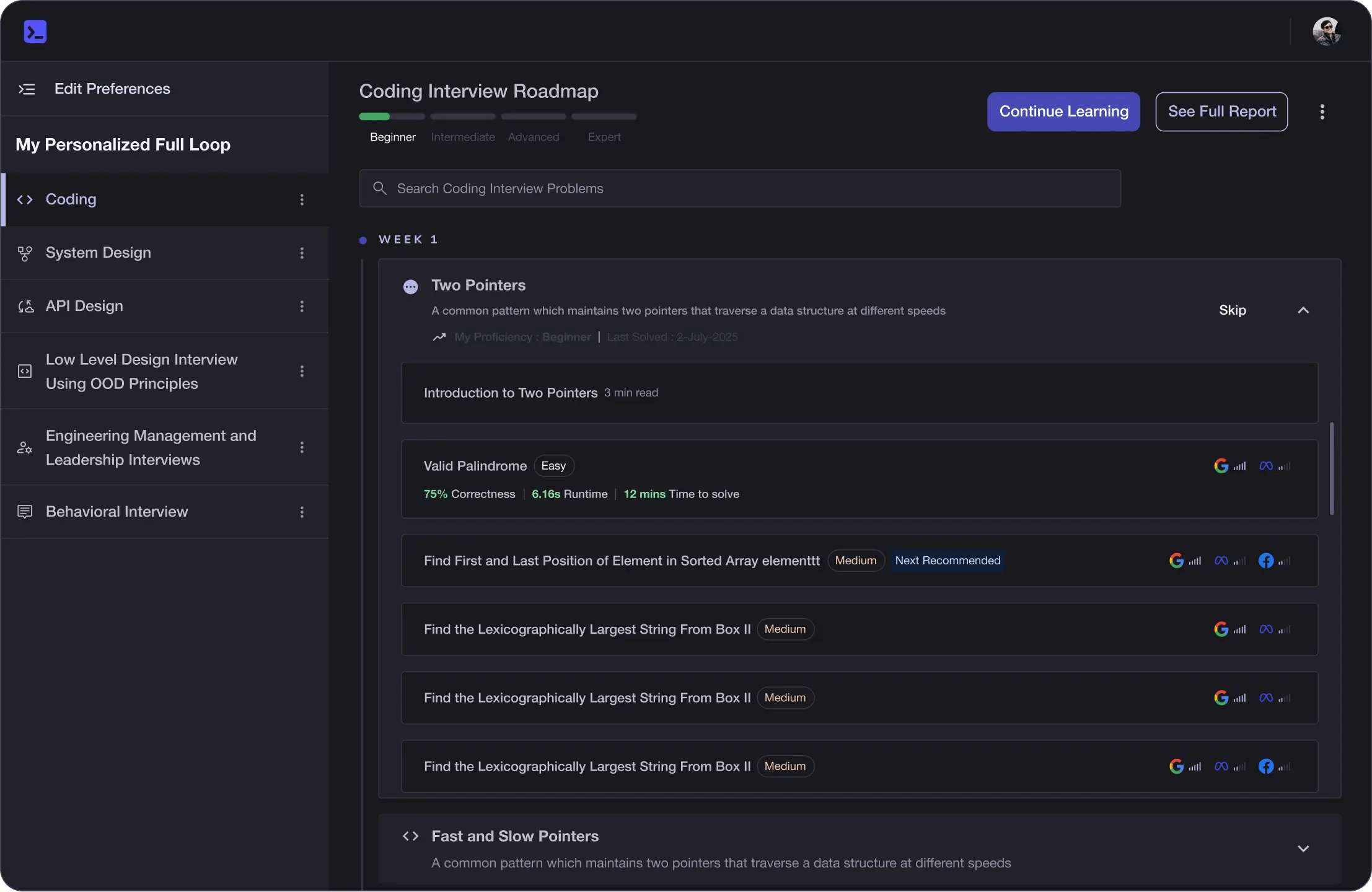
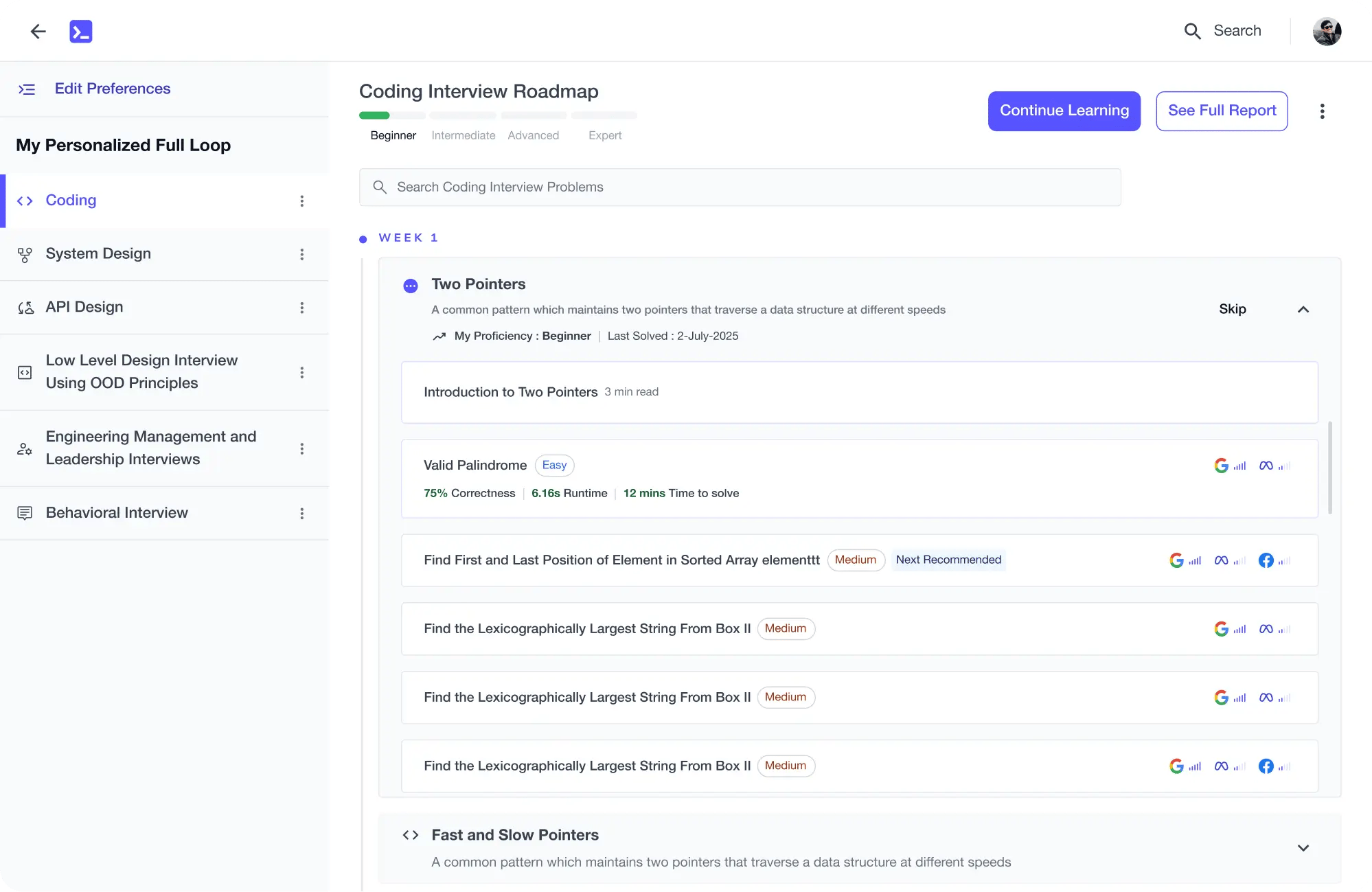
Personalized Roadmaps
The platform adapts to your strengths & skills gaps as you go
Future-proof Your Career
Get hands-on with in-demand skills
AI Code Mentor
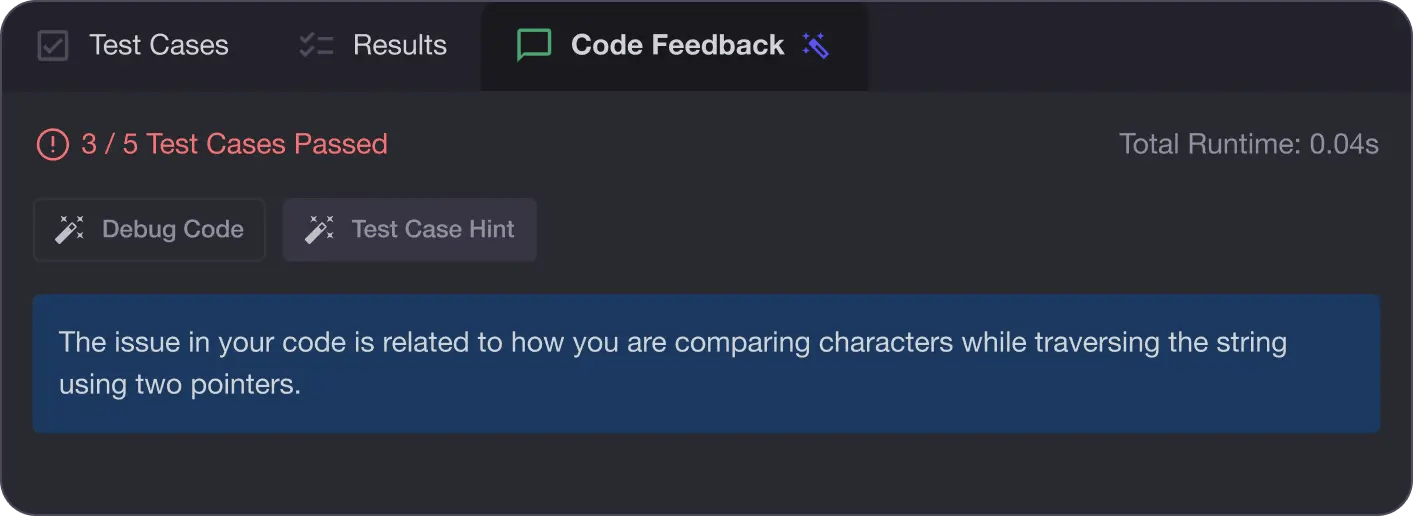
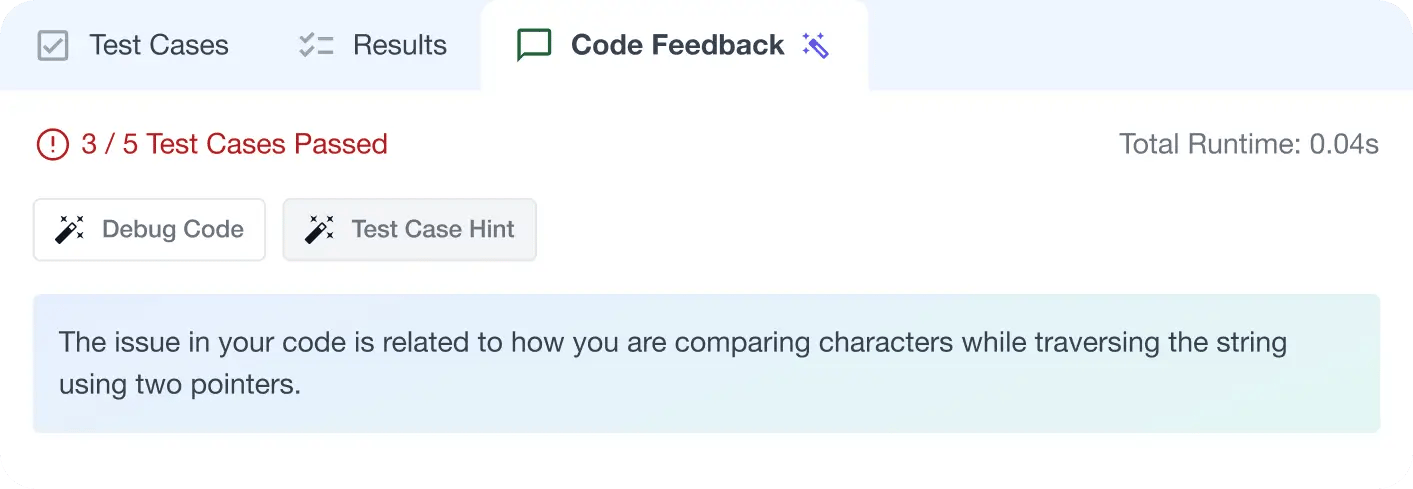
Write better code with AI feedback, smart debugging, and "Ask AI"
MAANG+ Interview Prep
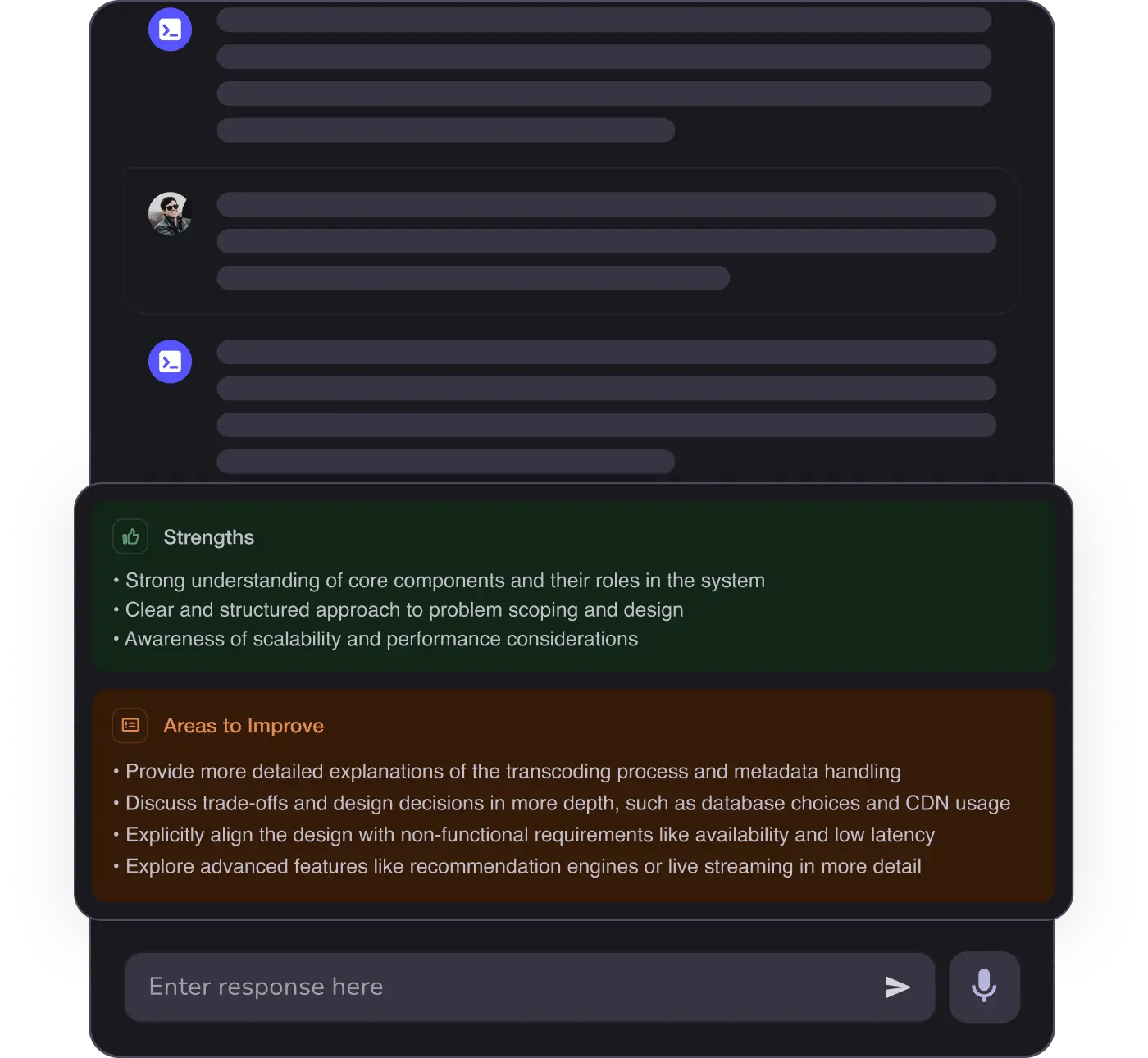
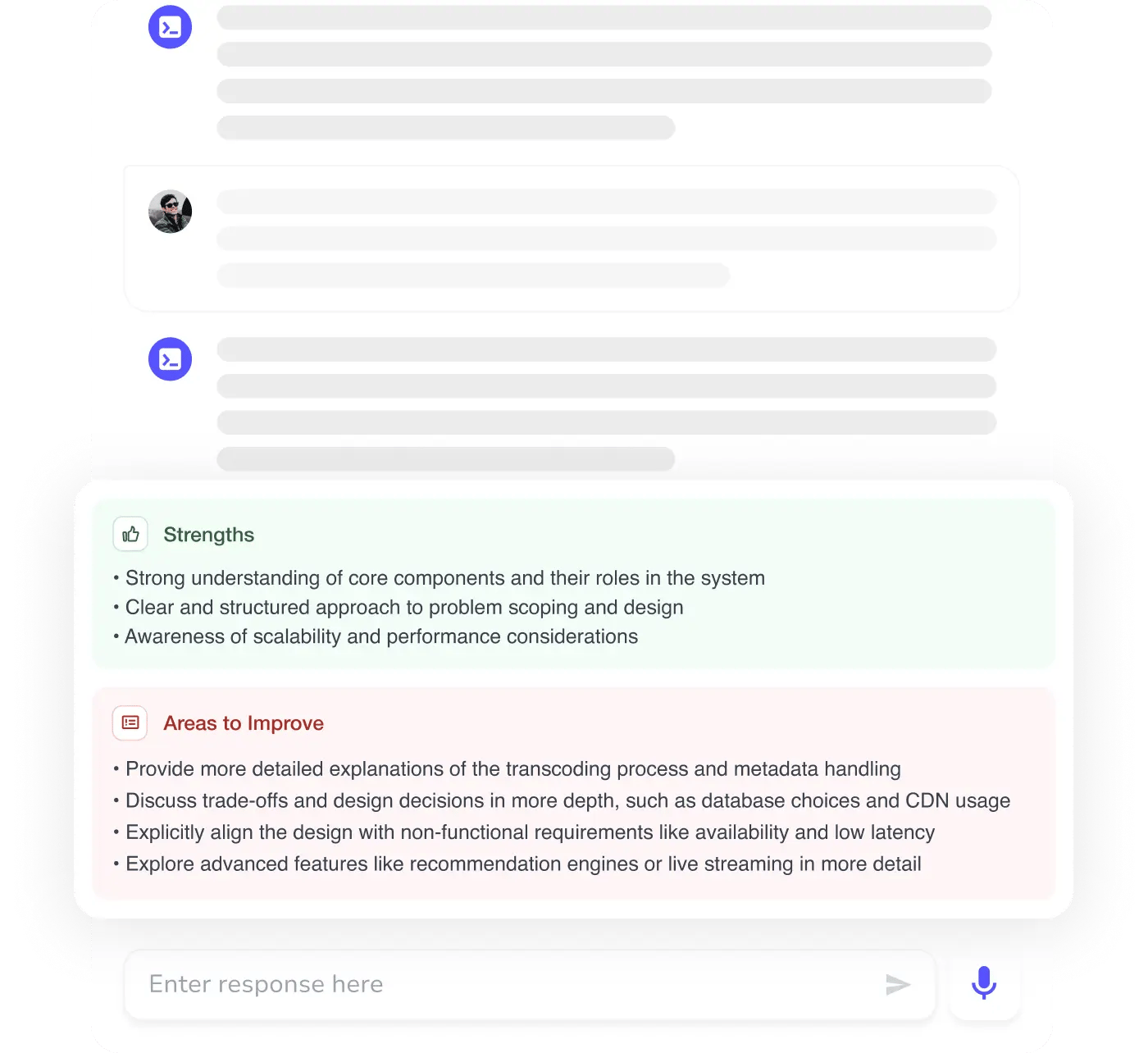
AI Mock Interviews simulate every technical loop at top companies
Free Resources
