Memoization is a top-down approach in which recursive calls are made, and solutions to subproblems are stored in memory to prevent redundant calculations. Tabulation, in contrast, is a bottom-up approach in which you iteratively solve subproblems and fill out a table from the base case to the final solution. Both techniques help improve efficiency but are used based on the problem’s nature.
AI-powered learning
Save this course
Grokking Dynamic Programming Interview
The ultimate guide to dynamic programming interviews. Developed by FAANG engineers, it equips you with strategic DP skills, practice with real-world questions, and patterns for efficient solutions.
4.4
53 Lessons
25h
Also available in
Also available in
Join 3.1 million developers at
Join 3.1 million developers at
LEARNING OBJECTIVES
- A deep understanding of the essential patterns behind common dynamic programming interview questions—without having to drill endless problem sets
- The ability to identify and apply the underlying pattern in an interview question by assessing the problem statement
- Familiarity with dynamic programming techniques with hands-on practice in a setup-free coding environment
- The ability to efficiently evaluate the tradeoffs between time and space complexity in different solutions
- A flexible conceptual framework for solving any dynamic programming question, by connecting problem characteristics and possible solution techniques
Learning Roadmap
1.
Getting Started
Getting Started
Learn how to use dynamic programming to solve optimization problems efficiently for coding interviews.
2.
0/1 Knapsack
0/1 Knapsack
Grasp the fundamentals of solving optimization problems using dynamic programming techniques.
3.
Unbounded Knapsack
Unbounded Knapsack
6 Lessons
6 Lessons
Go hands-on with optimizing recursive problems using dynamic programming for maximum efficiency.
4.
Recursive Numbers
Recursive Numbers
12 Lessons
12 Lessons
Grasp the fundamentals of recursive algorithms and optimize with dynamic programming.
5.
Longest Common Substring
Longest Common Substring
16 Lessons
16 Lessons
Deepen your knowledge of finding common, repeating, and interleaving substrings using dynamic programming.
6.
Palindromic Subsequence
Palindromic Subsequence
6 Lessons
6 Lessons
See how it works to identify palindromic subsequences, substrings, and efficient partitioning methods.
Certificate of Completion
Showcase your accomplishment by sharing your certificate of completion.
Complete more lessons to unlock your certificate
Developed by MAANG Engineers
ABOUT THIS COURSE
Some of the toughest questions in technical interviews require dynamic programming solutions. Dynamic programming (DP) is an advanced optimization technique applied to recursive solutions. However, DP is not a one-size-fits-all technique, and it requires practice to develop the ability to identify the underlying DP patterns. With a strategic approach, coding interview prep for DP problems shouldn’t take more than a few weeks.
This course starts with an introduction to DP and thoroughly discusses five DP patterns. You’ll learn to apply each pattern to several related problems, with a visual representation of the working of the pattern, and learn to appreciate the advantages of DP solutions over naive solutions.
After completing this course, you will have the skills you need to unlock even the most challenging questions, grok the coding interview, and level up your career with confidence.
This course is also available in C++, JavaScript, and Python—with more coming soon!
Trusted by 3.1 million developers working at companies
A
Anthony Walker
@_webarchitect_
E
Evan Dunbar
ML Engineer
S
Software Developer
Carlos Matias La Borde
S
Souvik Kundu
Front-end Developer
V
Vinay Krishnaiah
Software Developer
Built for 10x Developers
No Passive Learning
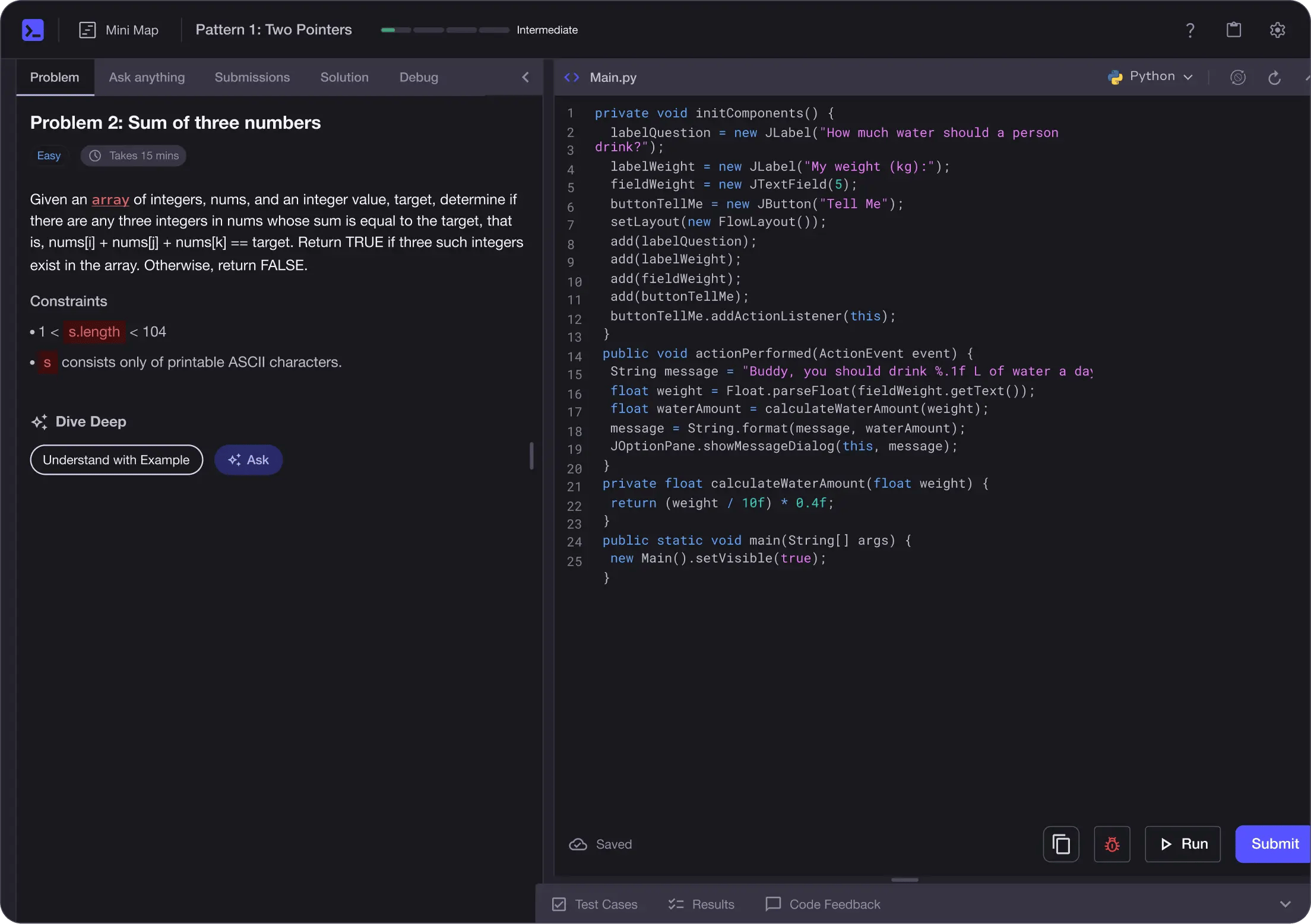
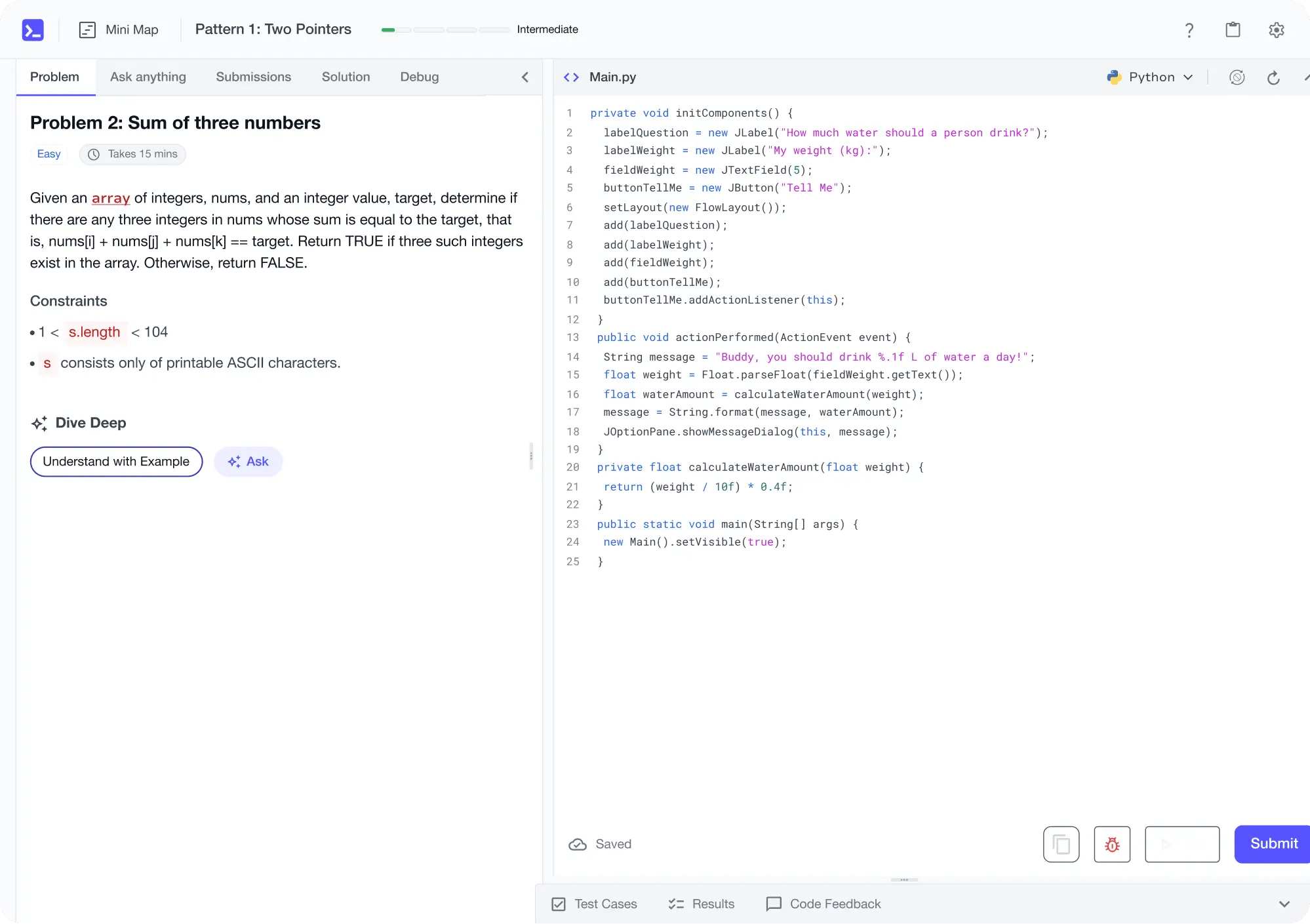
Learn by building with project-based lessons and in-browser code editor
Personalized Roadmaps
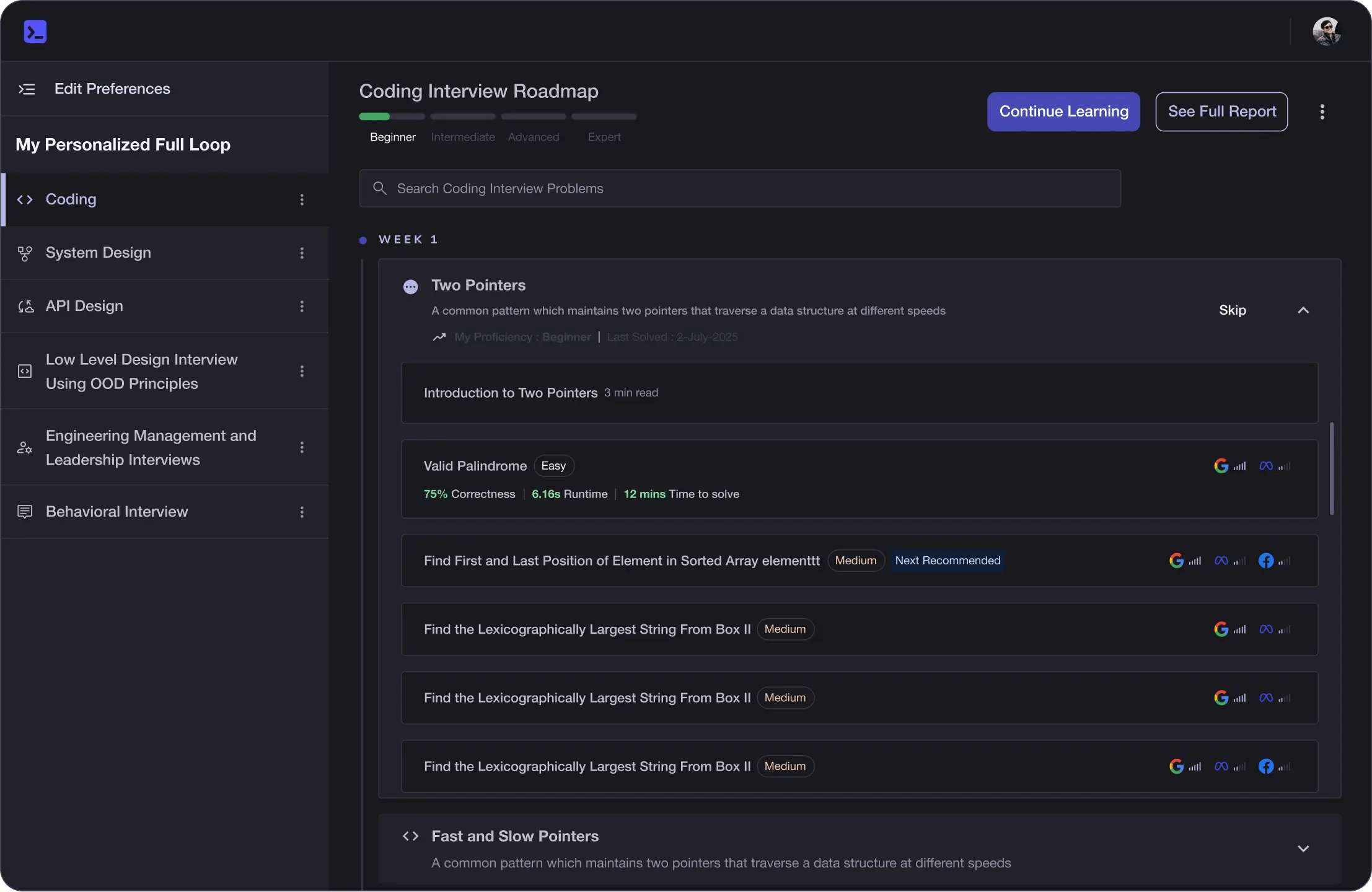
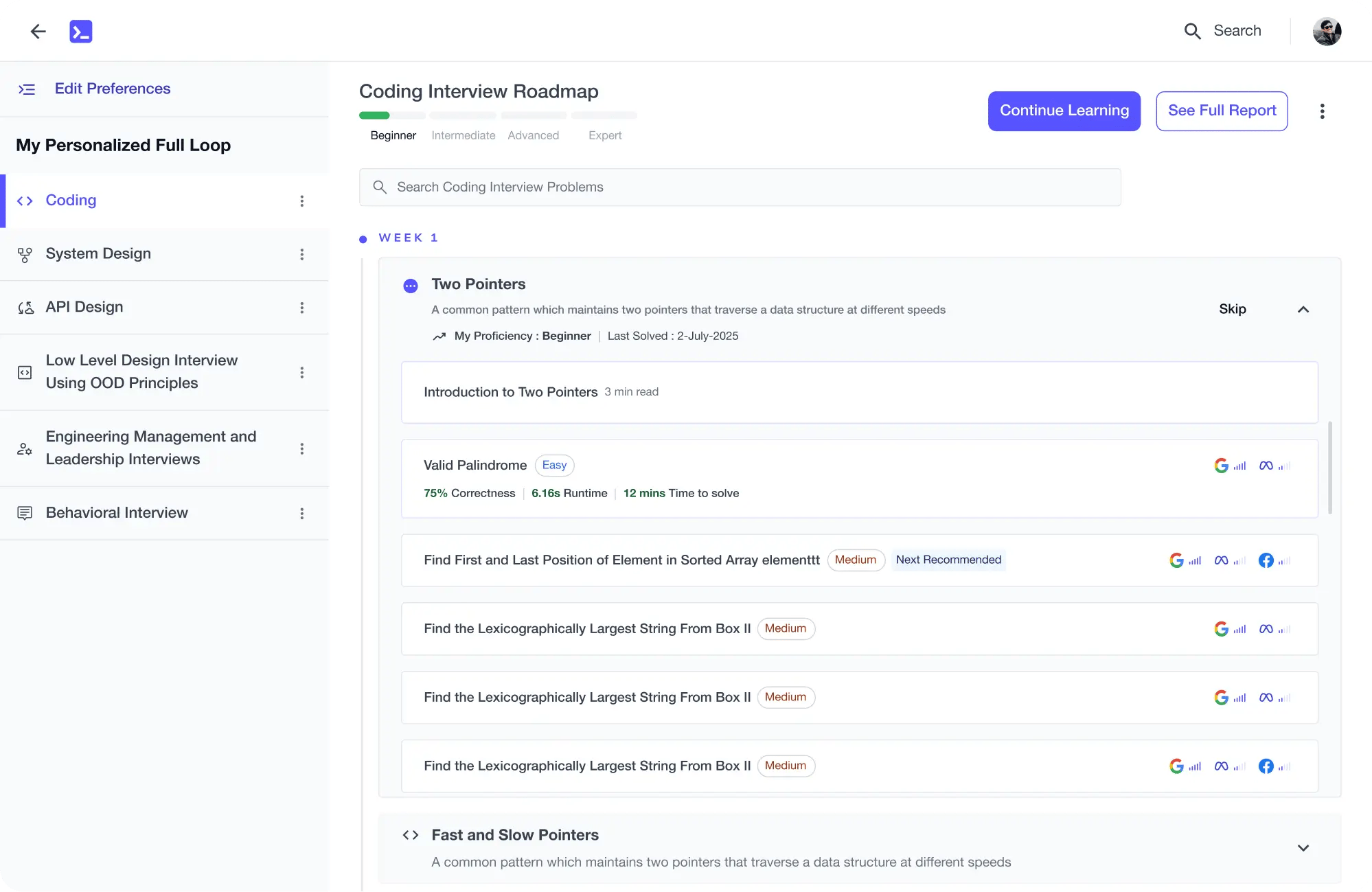
The platform adapts to your strengths & skills gaps as you go
Future-proof Your Career
Get hands-on with in-demand skills
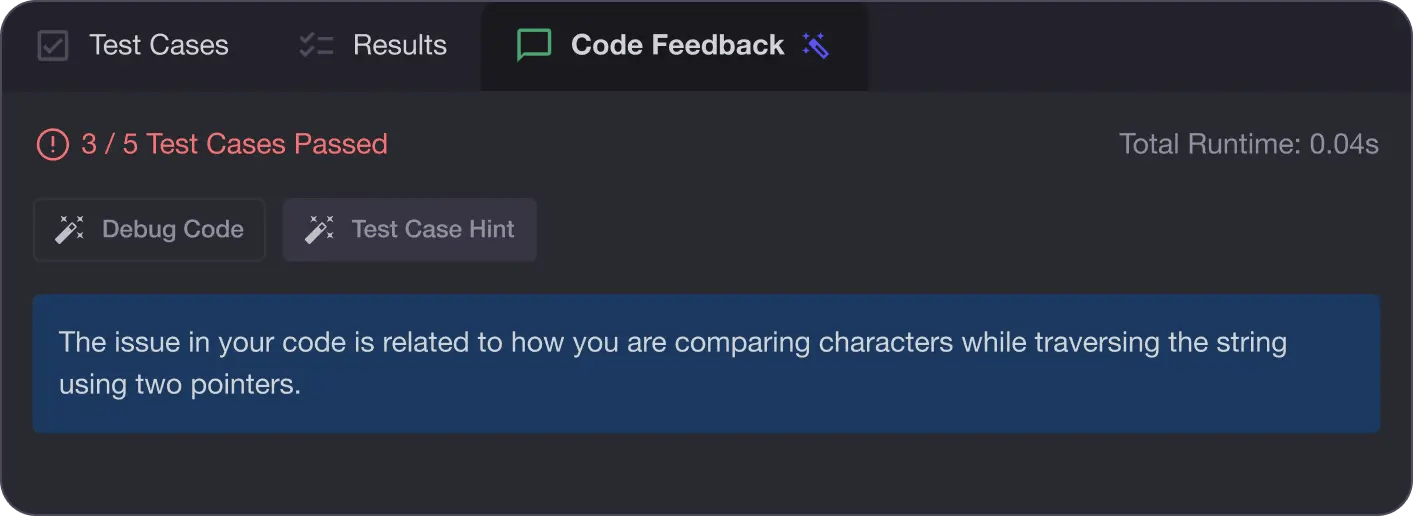
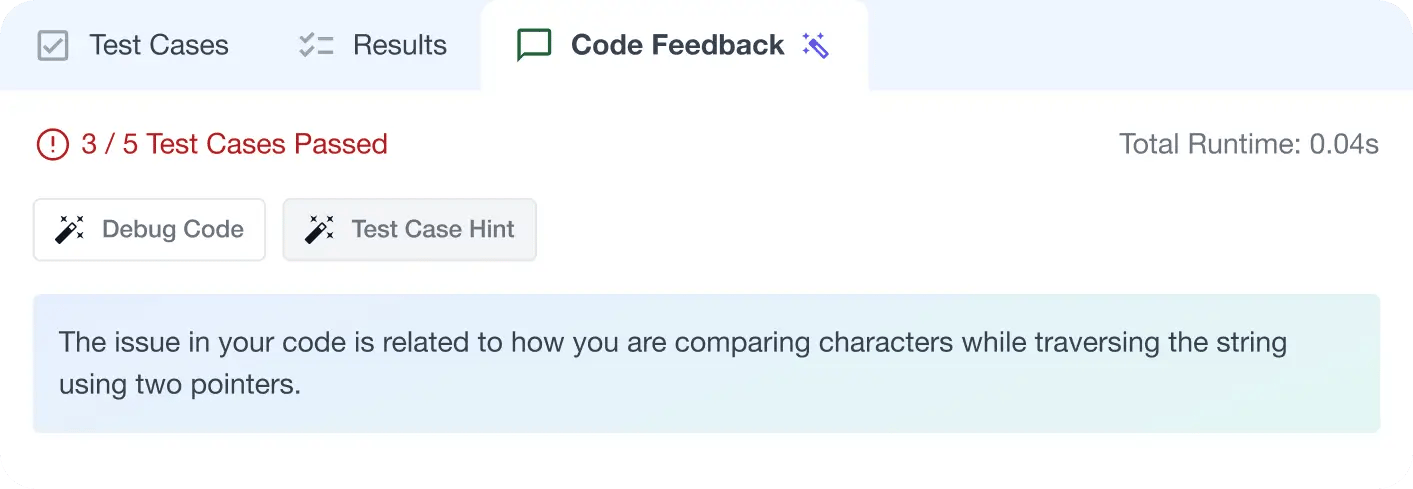
AI Code Mentor
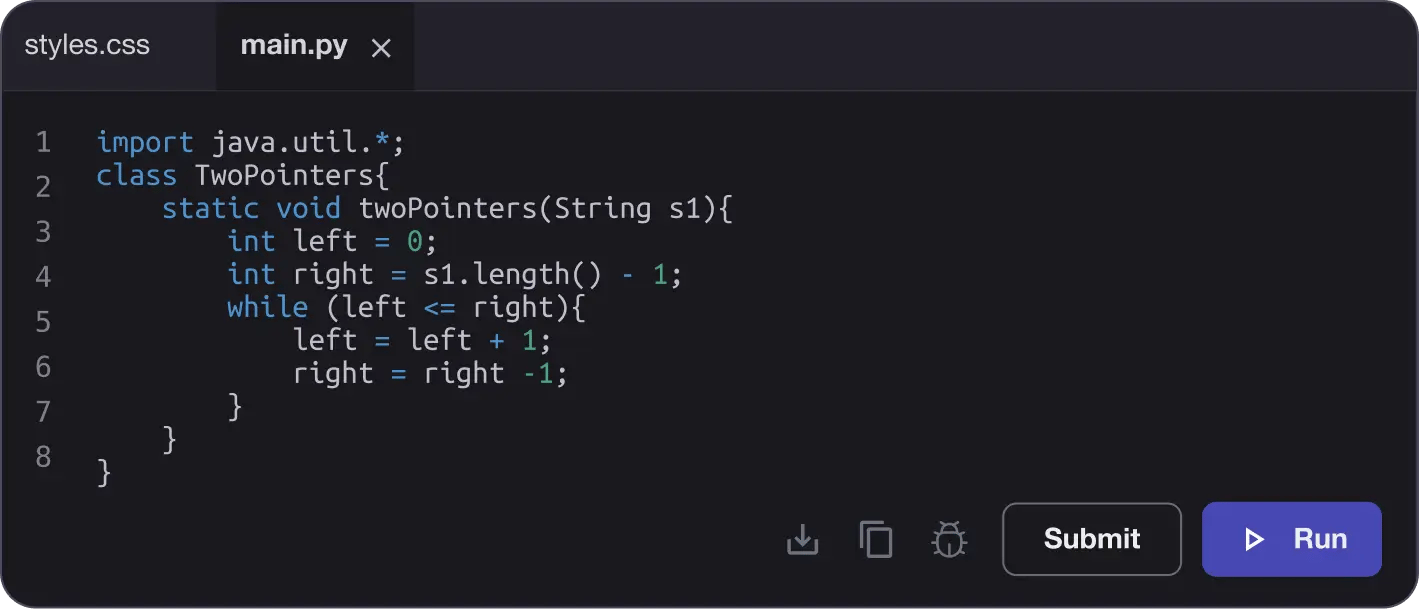
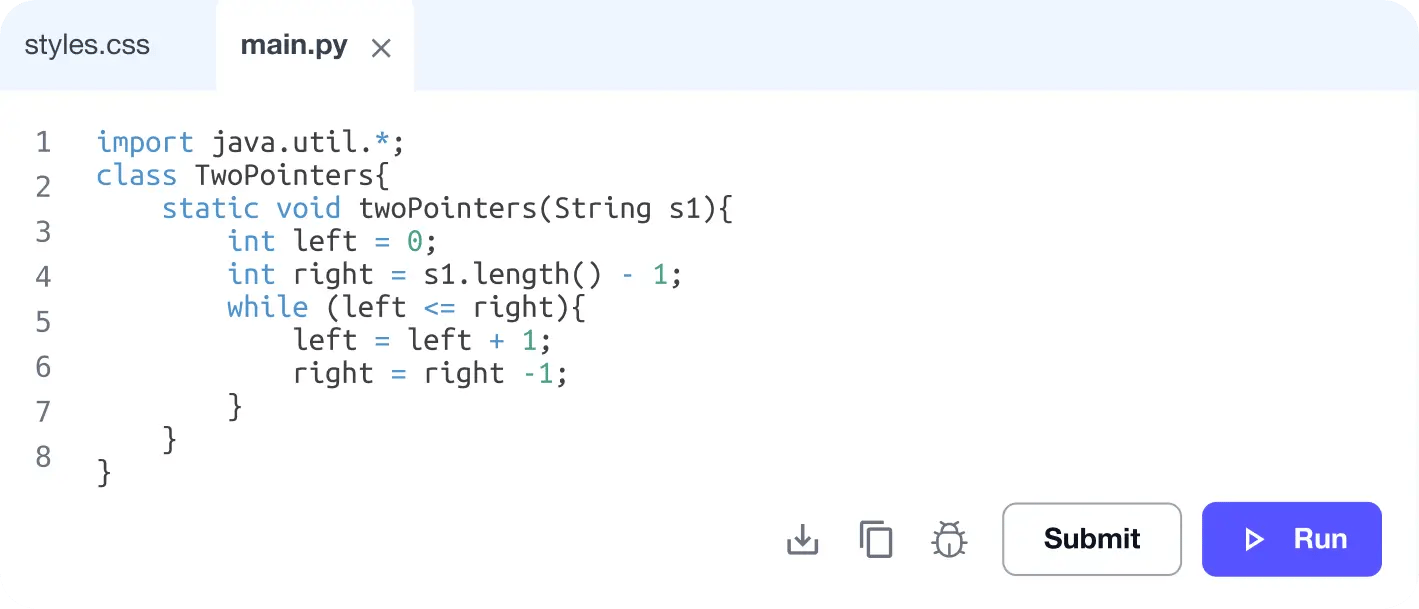
Write better code with AI feedback, smart debugging, and "Ask AI"
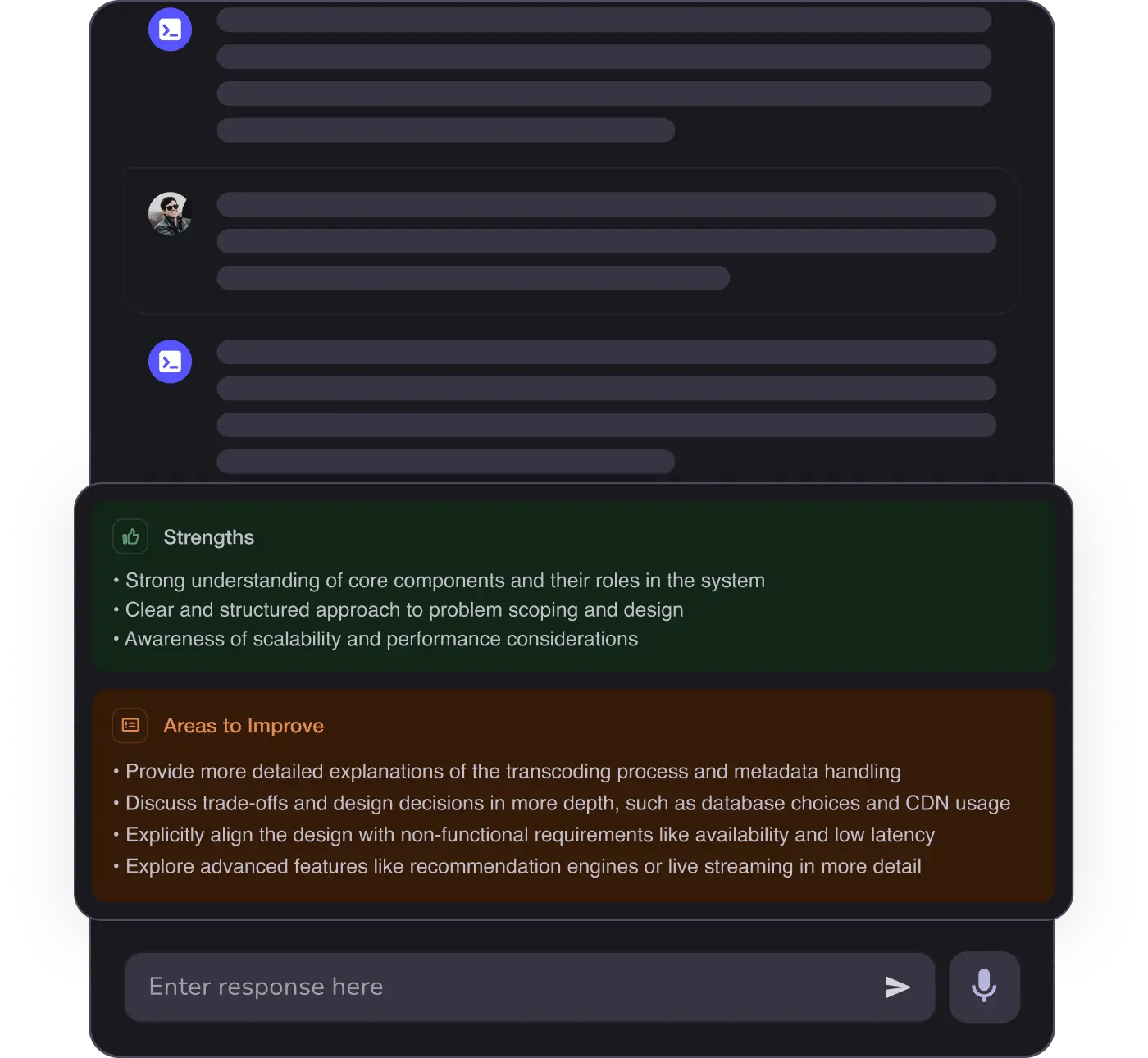
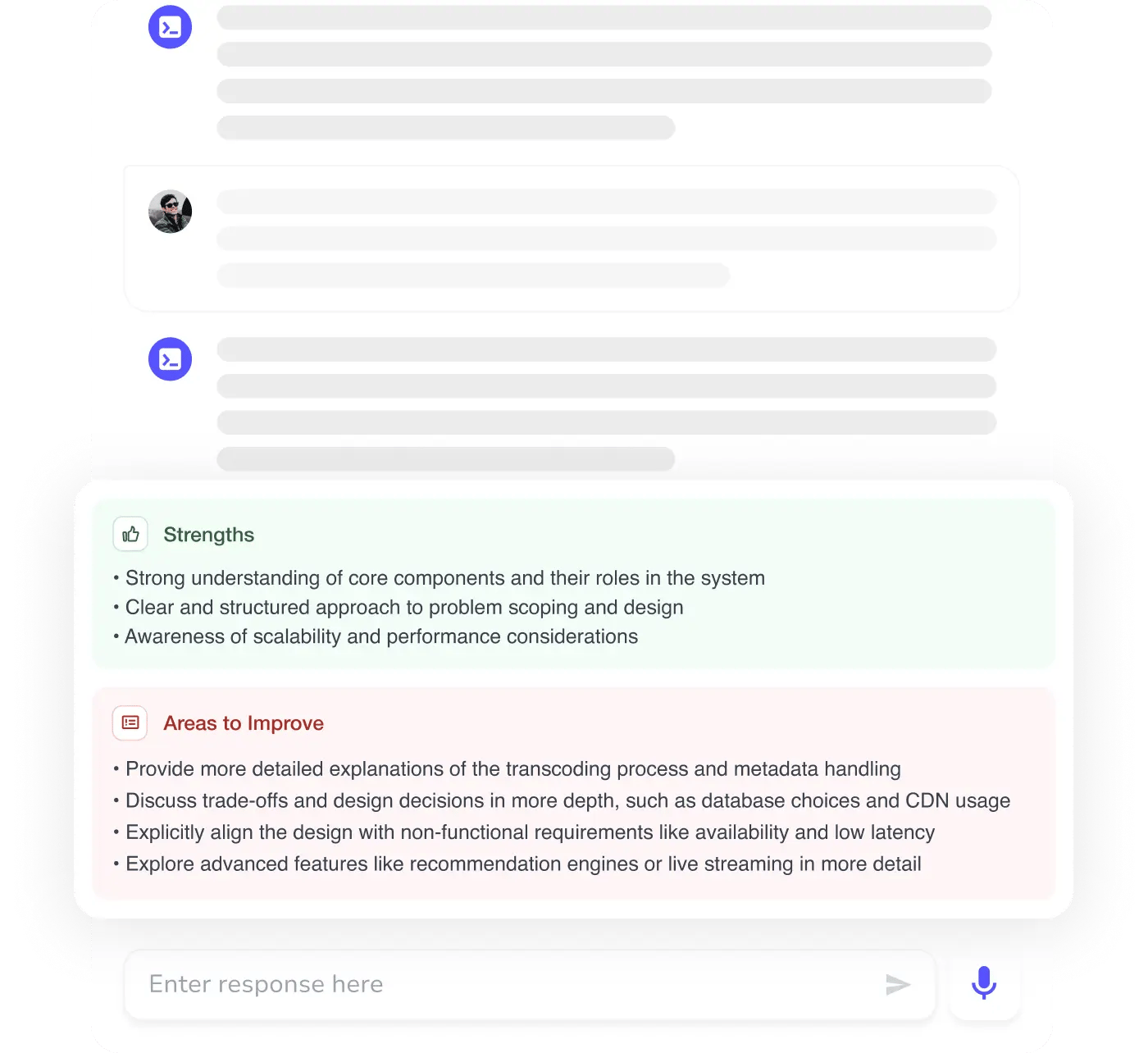
MAANG+ Interview Prep
AI Mock Interviews simulate every technical loop at top companies
Free Resources
Frequently Asked Questions
What is the difference between memoization and tabulation in dynamic programming?
How can I practice dynamic programming to improve interviews?
How can I recognize if a problem is suited for dynamic programming?
Why is dynamic programming emphasized in technical interviews?
