Search⌘ K
AI Features

A Closer Look at EC2 Instance Types

Explore the various AWS EC2 instance types, including general purpose, compute optimized, memory optimized, accelerated computing, and storage optimized. Understand instance naming, sizes, generations, processor architectures, and burstable performance features to make informed decisions when deploying scalable web applications on AWS.

In this lesson, we will learn a bit more about the different types of EC2 instances and their properties.

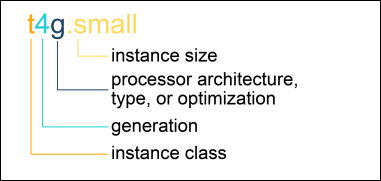
Let’s first take a look at the naming of EC2 instances:

Naming scheme for EC2 instances

Instance classes

AWS offers different instance classes for different use cases. These are listed below:

  • General purpose
  • Compute optimized
  • Memory optimized
  • Accelerated computing
  • Storage optimized

General purpose

General purpose instances have a balanced performance regarding computing, memory, and networking. They are most commonly used and especially well suited for workloads like web servers.

The naming of general purpose instance classes is a bit inconsistent due to historic reasons. The following classes exist:

  • T: Relatively low-performance general purpose instances
  • M: High-performance general purpose instances.
  • A1: First generation of AWS Graviton (ARM-based processors)
  • Mac: Mac Mini based EC2 instances

Compute optimized

As the name suggests, compute optimized instances shift the balance toward computing performance for workloads like high-performance computing (HPC), scientific modeling, gaming, and similar workloads.

Compute optimized instances names all start with “C.”

Memory optimized

The memory optimized instance class shifts the balance toward memory, providing a large amount relative to the compute performance, for example, for data processing or in-memory databases.

Their naming is again a bit confusing, with different letters being used:

  • R: Mid-range memory
...