In order to prepare for a machine learning interview, developers should focus on key topics like algorithms, data preprocessing, model evaluation, and common frameworks. The next step follows: practicing coding problems, reviewing machine learning concepts, and building projects.
Updated yesterday
AI-powered learning
Save this course
Grokking the Machine Learning Interview
Your proven path to success in Machine Learning Interviews, developed by FAANG engineers. Unlock ML loops at top companies with a System Design approach.
4.5
64 lessons
6 AI mock interviews
4 breakout sessions
15h
Created by Machine Learning Labs
What's included
- 64 lessons across 11 modules
- 66 quizzes with instant feedback
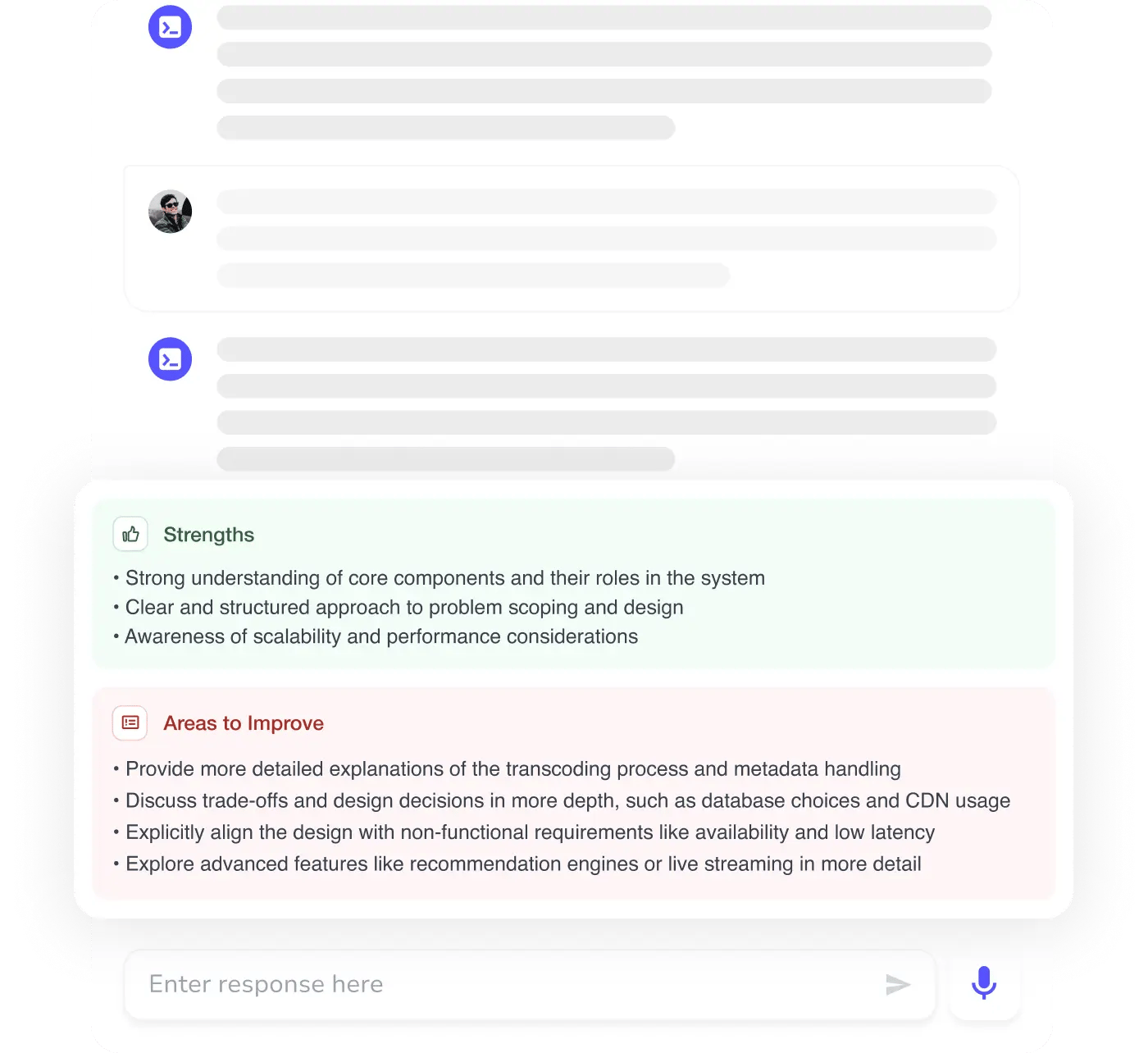
- 6 AI mock interviews with scoring rubrics
- 4 breakout sessions with a virtual coach
- AI Tutor on every lesson
Why this course
- Ace ML System Design RoundsTackle open-ended prompts in Meta, Google, and Amazon ML loops.
- Ship ML Systems That ScaleBalance latency, capacity, and accuracy under real user traffic.
- Prove Model Impact With DataRun A/B tests that show whether a model change moves key metrics.
- Defend ML Design Trade-offsJustify metric, model, and data choices to interviewers and leads.
Join 3.1 million developers at
What You'll Learn
- Define machine learning system design problems and articulate key metrics for evaluation.
- Design scalable machine learning systems by selecting appropriate model architectures and data pipelines.
- Implement online experimentation techniques, including A/B testing, to validate machine learning models.
- Evaluate performance and capacity considerations in machine learning systems to optimize efficiency.
- Apply feature engineering methods to enhance model performance in various machine learning applications.
- Construct and debug machine learning models, ensuring robustness and reliability in real-world scenarios.
Learning Roadmap
1.
Introduction
Introduction
Get familiar with the essentials of ML interviews and key steps in designing ML systems.
2.
Practical ML Techniques/Concepts
Practical ML Techniques/Concepts
Walk through practical ML strategies, covering performance, data collection, experimentation, embeddings, transfer learning, and model debugging.
3.
Search Ranking
Search Ranking
8 Lessons
8 Lessons
Work your way through designing search ranking systems, selecting metrics, and filtering results effectively.
4.
Feed Based System
Feed Based System
9 Lessons
9 Lessons
Build a foundation in designing and optimizing a Twitter feed system for user engagement.
5.
Recommendation System
Recommendation System
7 Lessons
7 Lessons
Generate personalized recommendations by leveraging data on user interactions, watch history, and preferences.
6.
Self-Driving Car: Image Segmentation
Self-Driving Car: Image Segmentation
5 Lessons
5 Lessons
See how it works to enhance self-driving cars with advanced image segmentation techniques.
7.
Entity Linking System
Entity Linking System
5 Lessons
5 Lessons
Build on named entity linking (NEL) with recognition, disambiguation, metrics, architecture, and modeling insights.
8.
Ad Prediction System
Ad Prediction System
7 Lessons
7 Lessons
Learn how to use machine learning to optimize ad relevance and user engagement.
9.
Fraud Detection System
Fraud Detection System
5 Lessons
5 Lessons
Identify unusual or suspicious transactions in financial data to prevent fraudulent activity.
10.
Hate Speech Detection
Hate Speech Detection
5 Lessons
5 Lessons
Classify text content to detect and flag offensive or abusive language online.
11.
Dynamic Pricing Engine
Dynamic Pricing Engine
5 Lessons
5 Lessons
Adjust product prices in real time based on user context, market conditions, and observed demand.
Certificate of Completion
Showcase your accomplishment by sharing your certificate of completion.
Complete more lessons to unlock your certificate
About this course
WHY I WROTE THIS COURSE
Machine learning interviews at top tech companies now focus more on open-ended system design problems. “Design a recommendation system.” “Design a search ranking system.” “Design an ad prediction pipeline.” These questions evaluate your ability to reason about machine learning systems end-to-end. However, most candidates prepare for isolated concepts instead of system-level design.
This course focuses specifically on building that System Design muscle. You’ll work through 9 real-world ML System Design problems (the same questions asked at Meta, Google, Amazon, and Microsoft) and learn a repeatable methodology for breaking each one down: defining the problem, choosing metrics, selecting model architectures, designing data pipelines, and evaluating trade-offs.
Each system you design builds on practical ML techniques covered earlier in the course: embeddings, transfer learning, online experimentation, model debugging, and performance considerations. By the time you’re designing your third or fourth system, you'll have the technical vocabulary and judgment to explain why your design choices work. This is exactly what interviewers are looking for. The course also includes 6 mock interviews so you can practice articulating your designs under realistic conditions.
If you have an ML or System Design interview coming up at any major tech company, this course will help you walk in with a clear framework for tackling whatever they throw at you.
ABOUT THE AUTHOR

Machine Learning Labs
We at Machine Learning Labs are a team of senior ML engineers who have interviewed hundreds of candidates at FAANG companies. We specialize in helping engineers like you land your dream job.
Trusted by 3.1 million developers working at companies
K
Kang Jun Ong
Software Engineer @ CoffeeSpace
S
Sanjay C
Learner
E
Ethan Koch
A
Anthony Walker
@_webarchitect_
E
Evan Dunbar
ML Engineer
S
Software Developer
Carlos Matias La Borde
S
Souvik Kundu
Front-end Developer
V
Vinay Krishnaiah
Software Developer
E
Eric Downs
Musician/Entrepreneur
Frequently Asked Questions
How do I prepare for a machine learning interview?
What are machine learning interviews?
What are the 4 basics of machine learning?
Built for 10x Developers
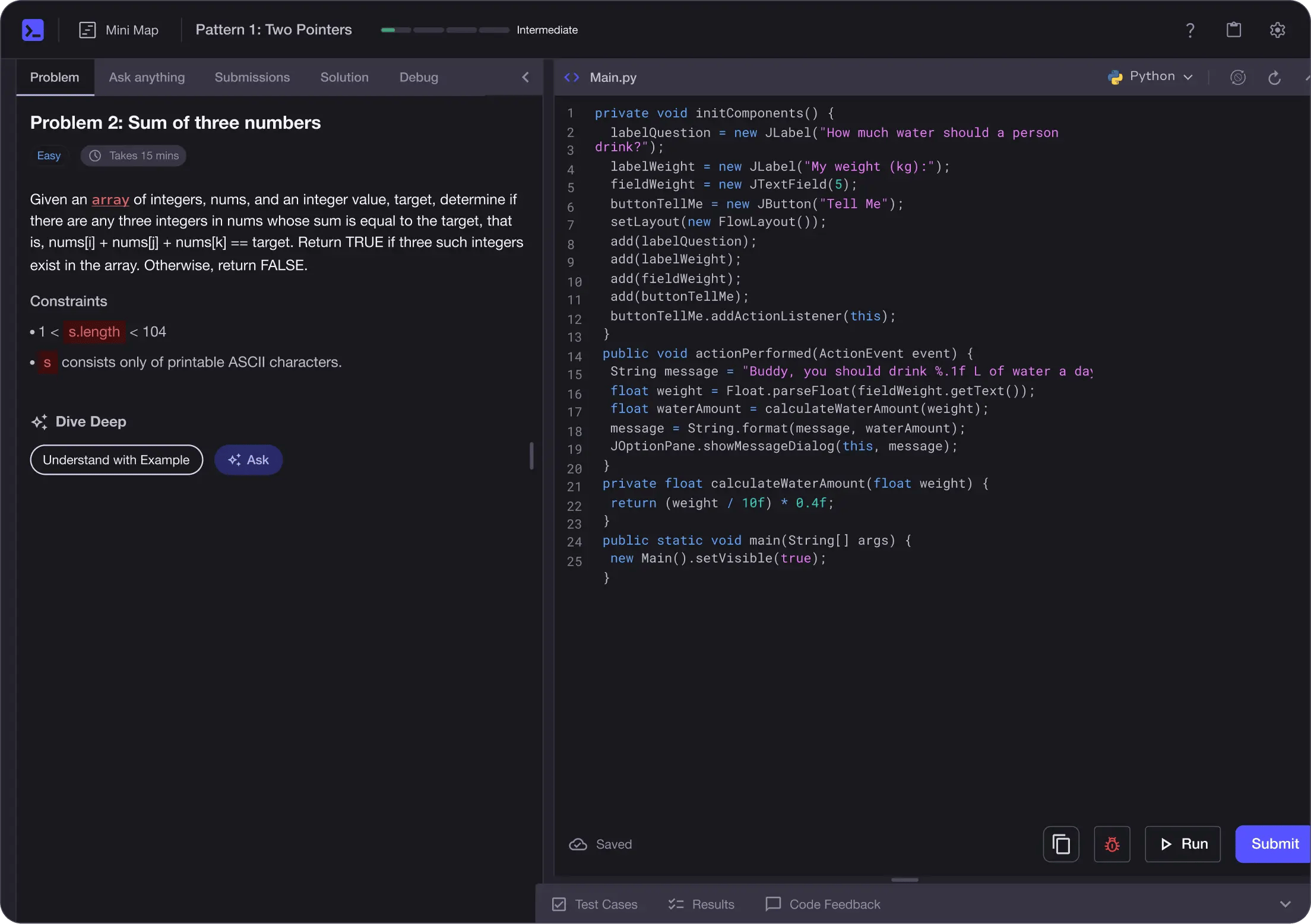
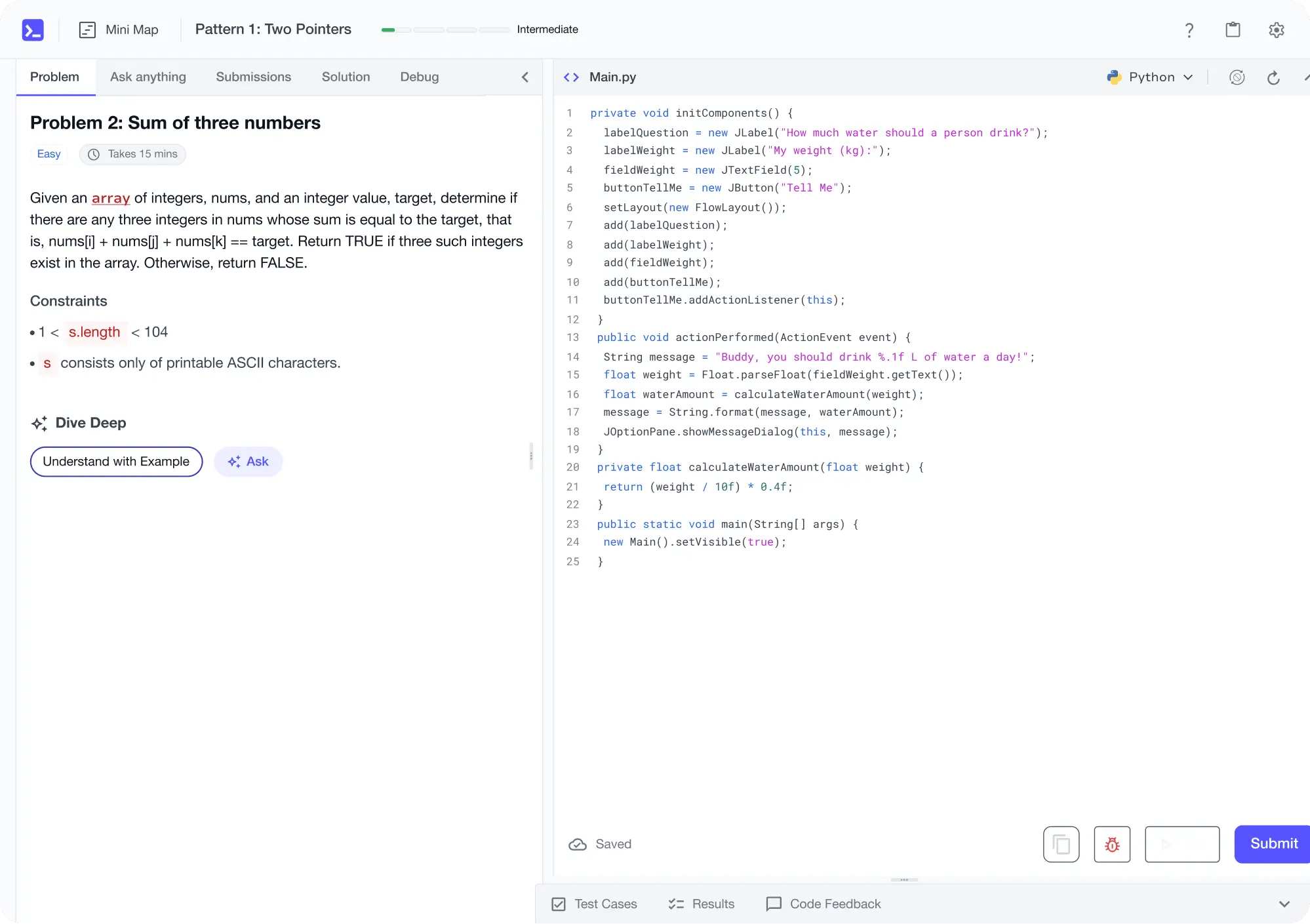
No Passive Learning
Learn by building with project-based lessons and in-browser code editor
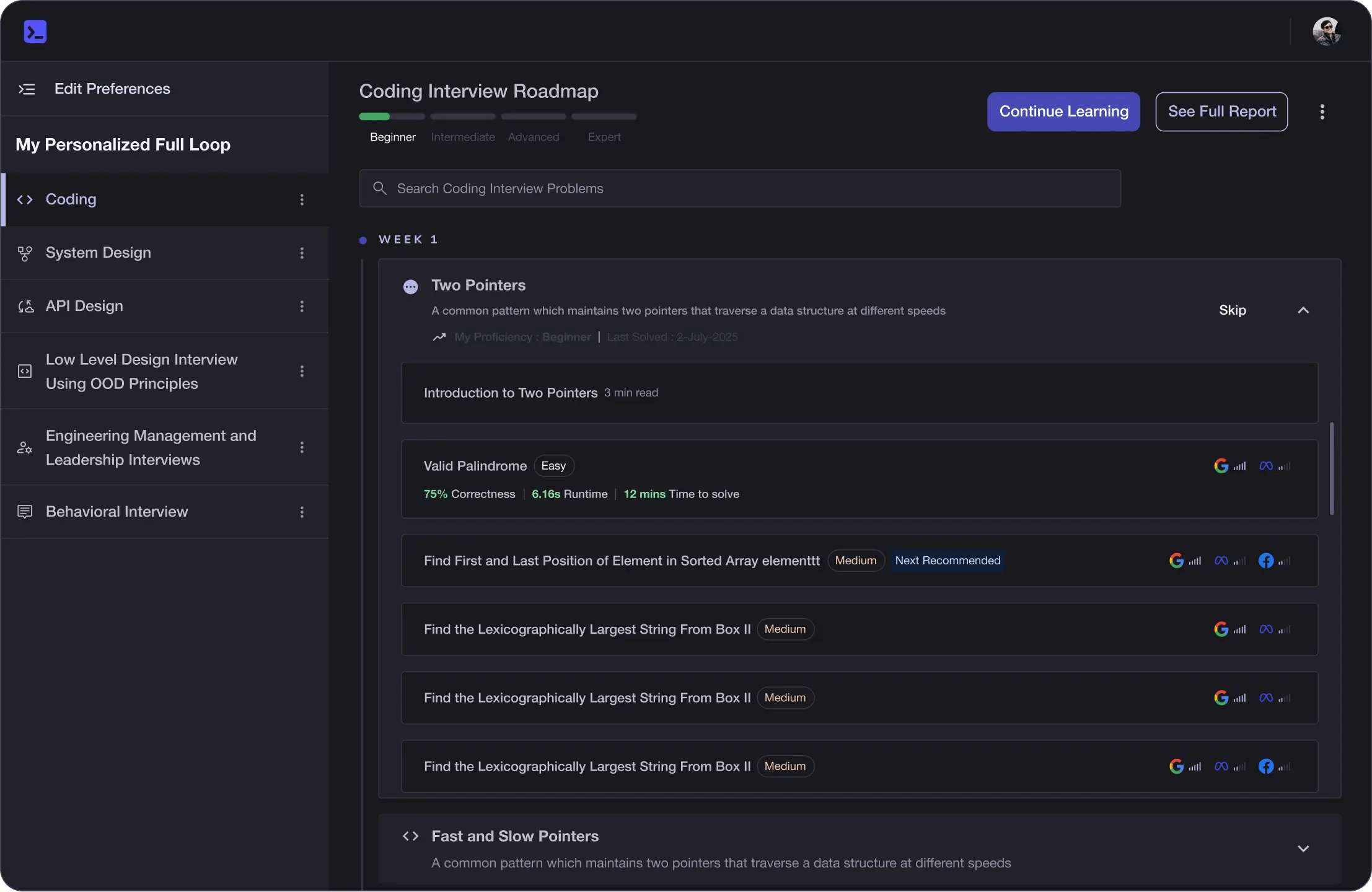
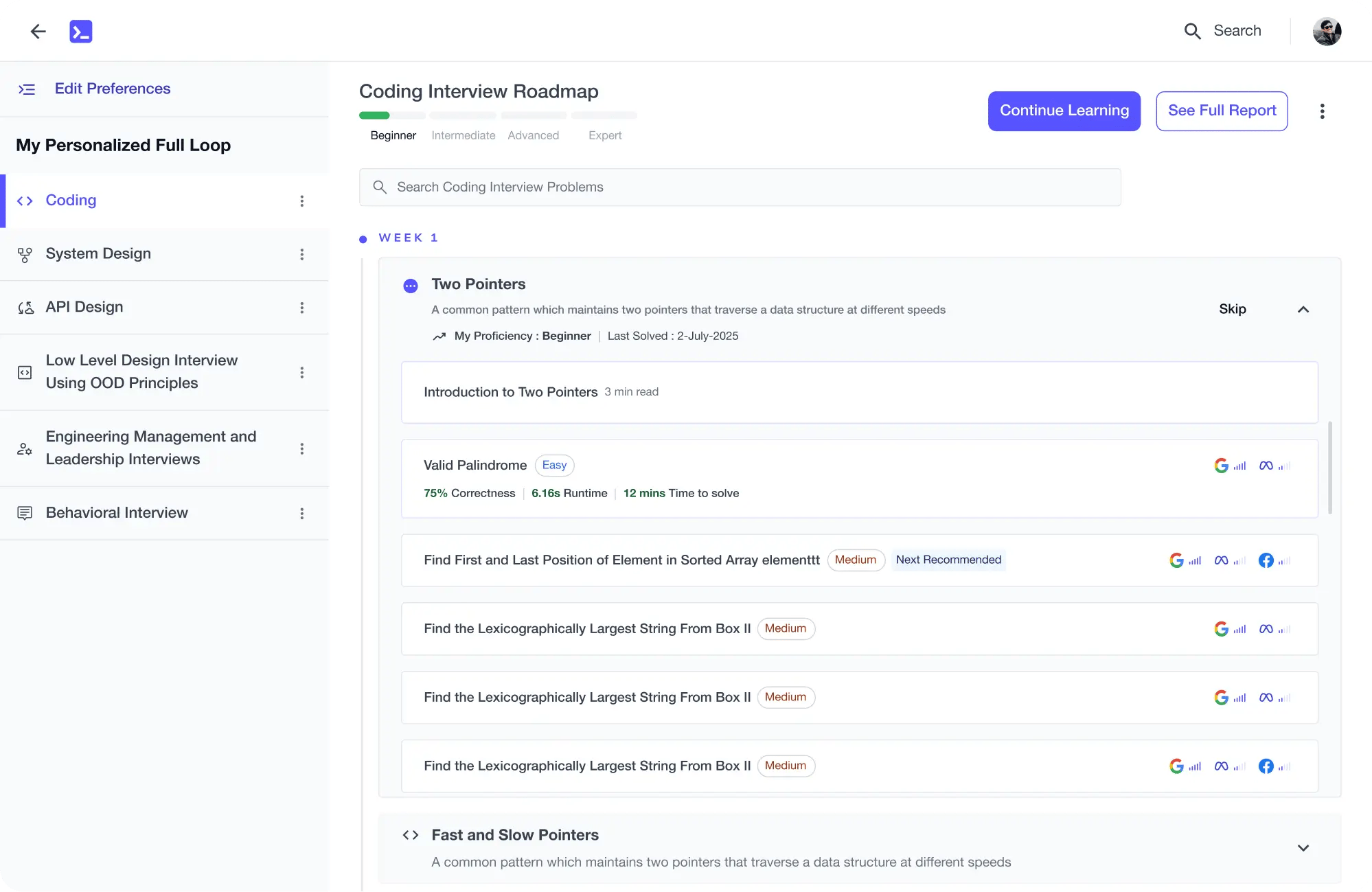
Personalized Roadmaps
The platform adapts to your strengths & skills gaps as you go
Future-proof Your Career
Get hands-on with in-demand skills
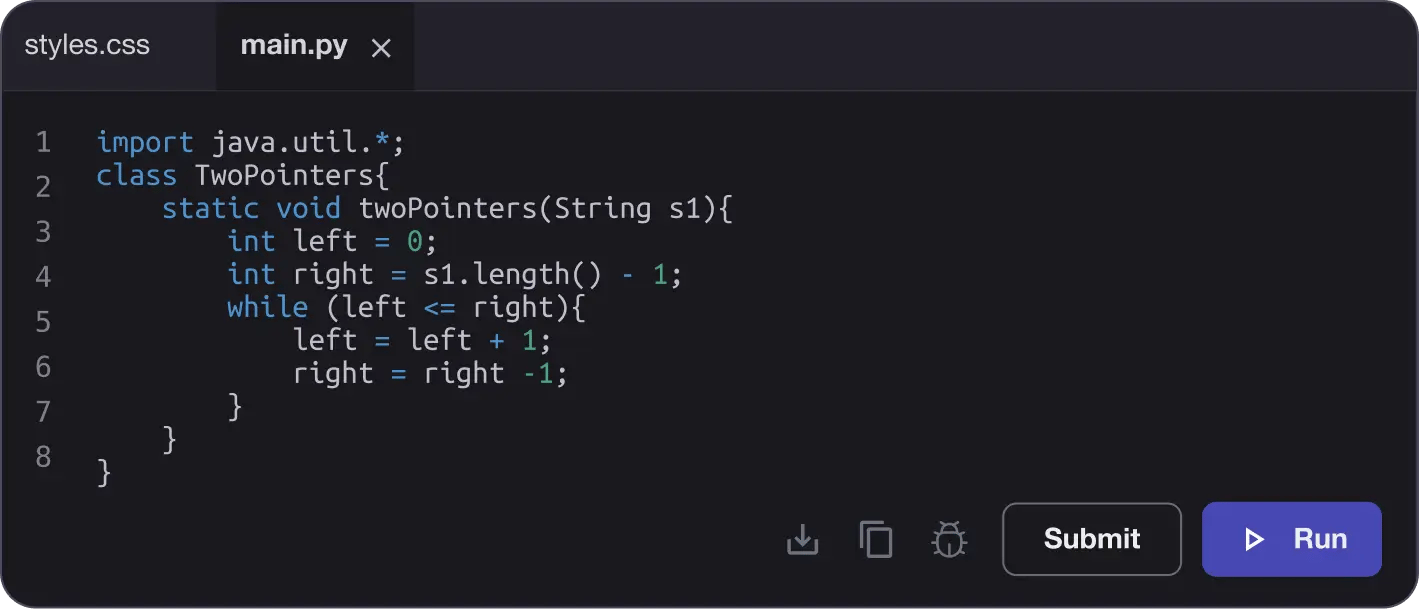
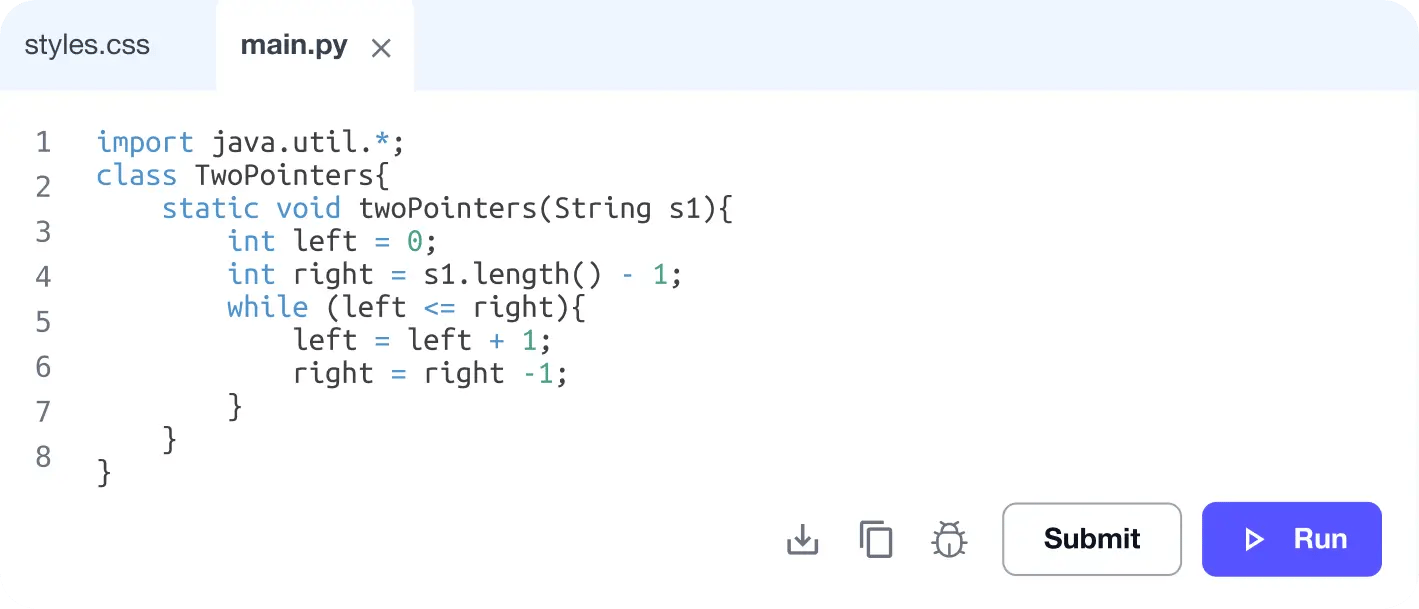
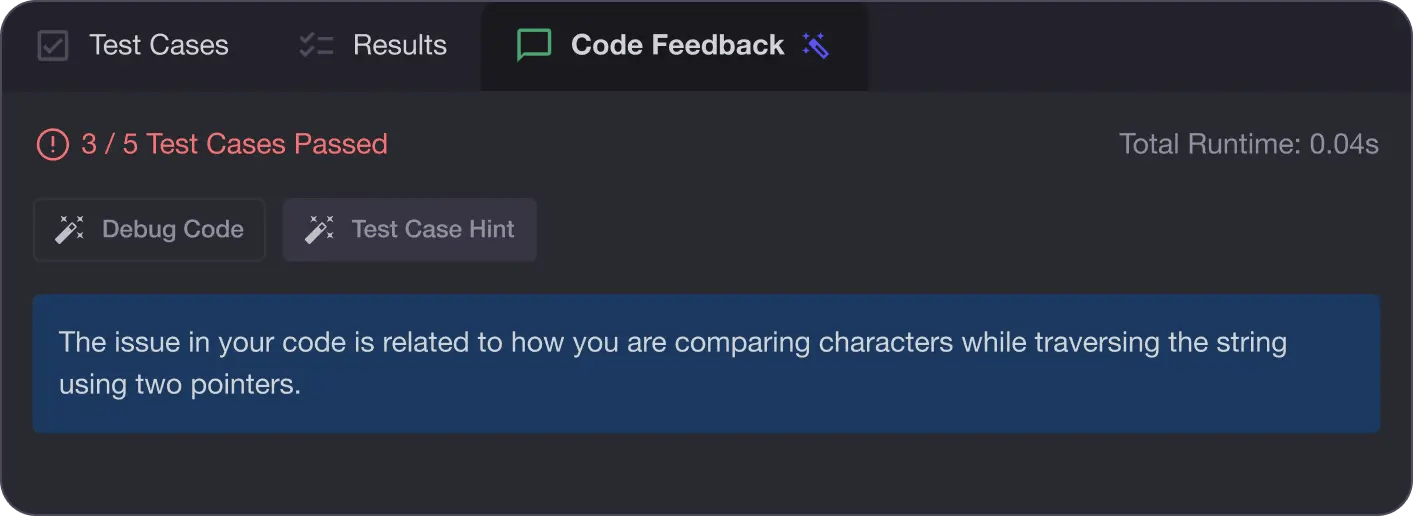
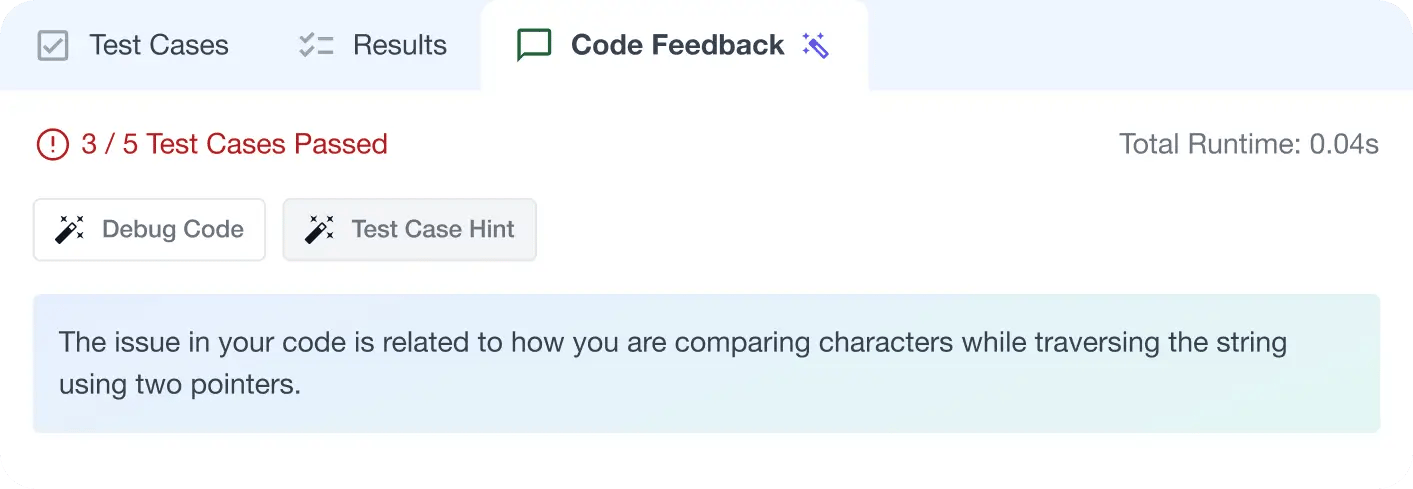
AI Code Mentor
Write better code with AI feedback, smart debugging, and "Ask AI"
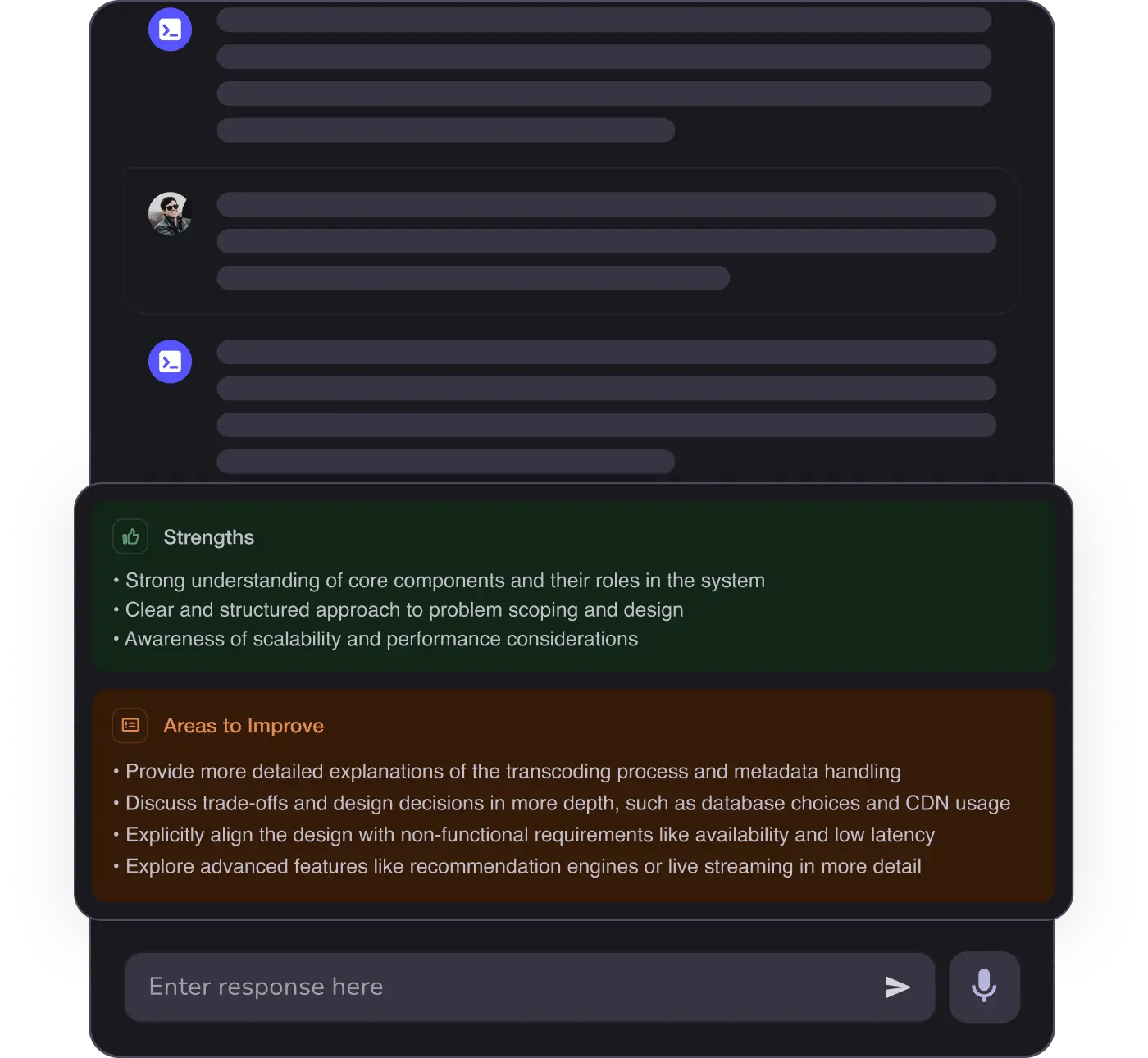
MAANG+ Interview Prep
AI Mock Interviews simulate every technical loop at top companies
Free Resources
