Responsible AI designs and deploys artificial intelligence systems that prioritize fairness, transparency, accountability, and ethics while minimizing risks and societal harm.
AI-powered learning
Save this course
Responsible AI: Principles and Practices
Learn how to master responsible AI. Learn fairness, bias mitigation, explainable AI, and data privacy to design ethical AI systems. Future-proof your skills in trustworthy AI practices.
4.9
40 Lessons
20h
Join 3 million developers at
Join 3 million developers at
LEARNING OBJECTIVES
- A deep understanding of responsible AI principles, including fairness, transparency, and accountability
- The ability to identify biases in AI solutions and implement effective bias mitigation strategies
- Proficiency in explainable AI techniques for interpreting and communicating AI decisions
- Knowledge of best practices for ensuring data privacy, safety, and security in AI development
- An understanding of innovative techniques like synthetic data generation and active learning for ethical AI
- The ability to apply responsible AI principles to real-world applications across industries
Learning Roadmap
1.
Introduction to Responsible AI
Introduction to Responsible AI
Get familiar with AI ethics, fairness, transparency, accountability, and trust in AI systems.
2.
Fairness of AI Solutions
Fairness of AI Solutions
Unpack the core of fairness in AI, understanding biases, and mitigation strategies through real-world case studies.
Introduction to Fairness in AIBias Across the AI Life CycleUnderstanding the Bias in Model DevelopmentCase Study: Identifying Bias in Personal and Sensitive DataCase Study: Identify Bias in Model TrainingCase Study: Bias Mitigation for Credit Loan DataCase Study: Navigating Fairness in the Healthcare DomainQuiz: Fairness of AI Solutions
3.
Explainable AI
Explainable AI
11 Lessons
11 Lessons
Examine techniques and methods to enhance AI transparency and understanding for various stakeholders.
4.
Data Privacy, Safety, and Security for Responsible AI
Data Privacy, Safety, and Security for Responsible AI
5 Lessons
5 Lessons
Grasp the fundamentals of data privacy, safety, and security in responsible AI development.
5.
Innovations in Responsible AI: Charting New Frontiers
Innovations in Responsible AI: Charting New Frontiers
8 Lessons
8 Lessons
Explore innovations in AI focusing on ethical practices, human involvement, and privacy-preserving techniques.
Certificate of Completion
Showcase your accomplishment by sharing your certificate of completion.
Complete more lessons to unlock your certificate
Developed by MAANG Engineers
ABOUT THIS COURSE
This responsible AI course provides an in-depth exploration of ethical AI development, equipping you with tools and strategies to build transparent, fair, and secure AI systems.
Begin by understanding the core principles of responsible AI, including fairness and transparency. Explore real-world examples to identify and mitigate biases across the AI life cycle, ensuring equitable solutions in critical domains like healthcare.
Next, dive into explainable AI techniques to interpret and communicate AI model decisions, enhancing trustworthiness and accountability. Learn strategies to safeguard data privacy and mitigate risks, ensuring security in AI development.
Conclude by exploring innovations in responsible AI, such as synthetic data generation and active learning, to stay ahead in the evolving field of ethical AI. After completing this course, you’ll have the knowledge and skills to design and deploy trustworthy AI systems.
ABOUT THE AUTHOR
Gaurav Shekhar
I bring over 15 years of experience in technology, focusing on building Artificial Intelligence solutions that are ethical and trusted by our customers. Outside work, I passionately write about emerging topics in Machine Learning, Generative, and Causal AI
Trusted by 3 million developers working at companies
A
Anthony Walker
@_webarchitect_
E
Evan Dunbar
ML Engineer
S
Software Developer
Carlos Matias La Borde
S
Souvik Kundu
Front-end Developer
V
Vinay Krishnaiah
Software Developer
Built for 10x Developers
No Passive Learning
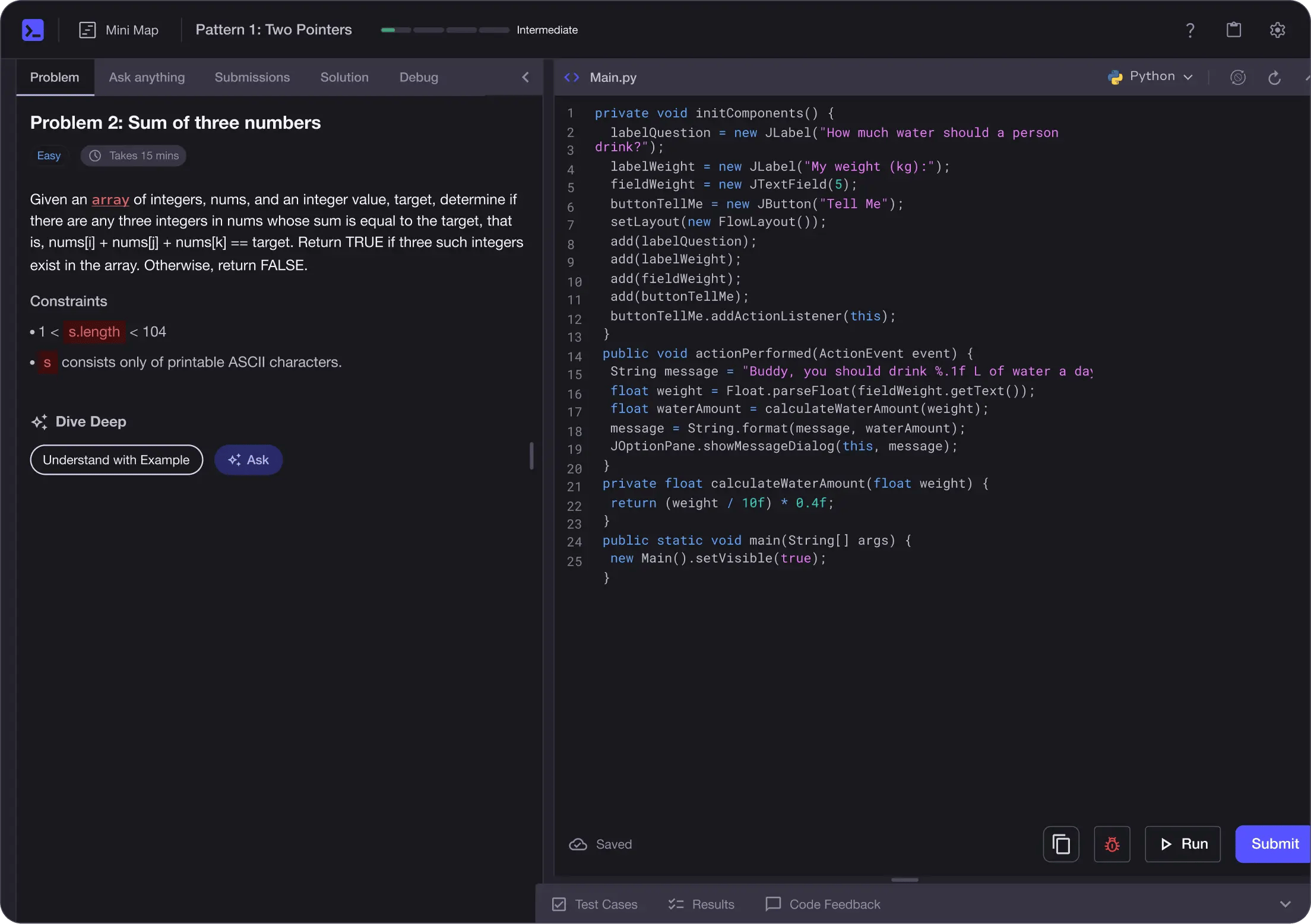
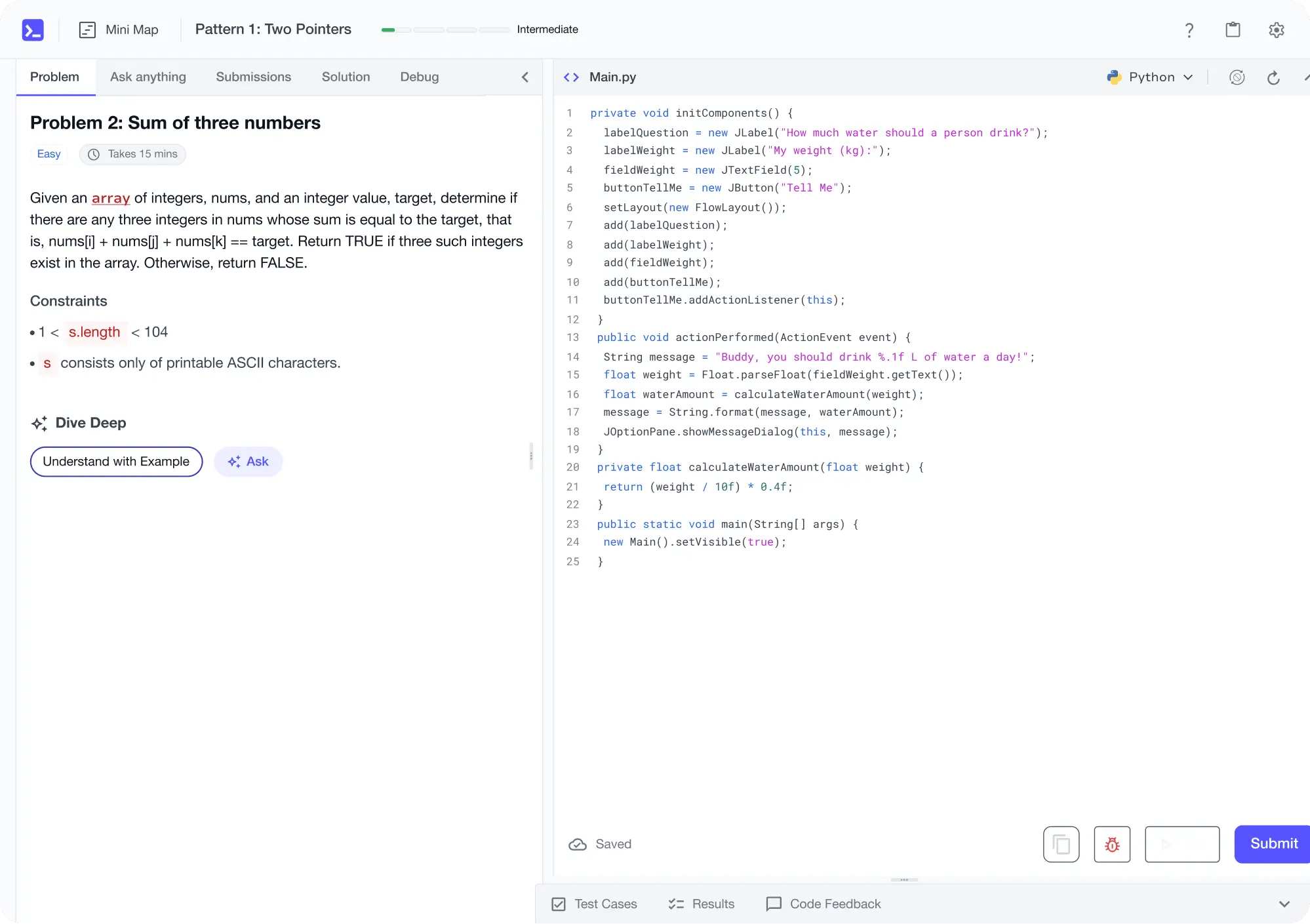
Learn by building with project-based lessons and in-browser code editor
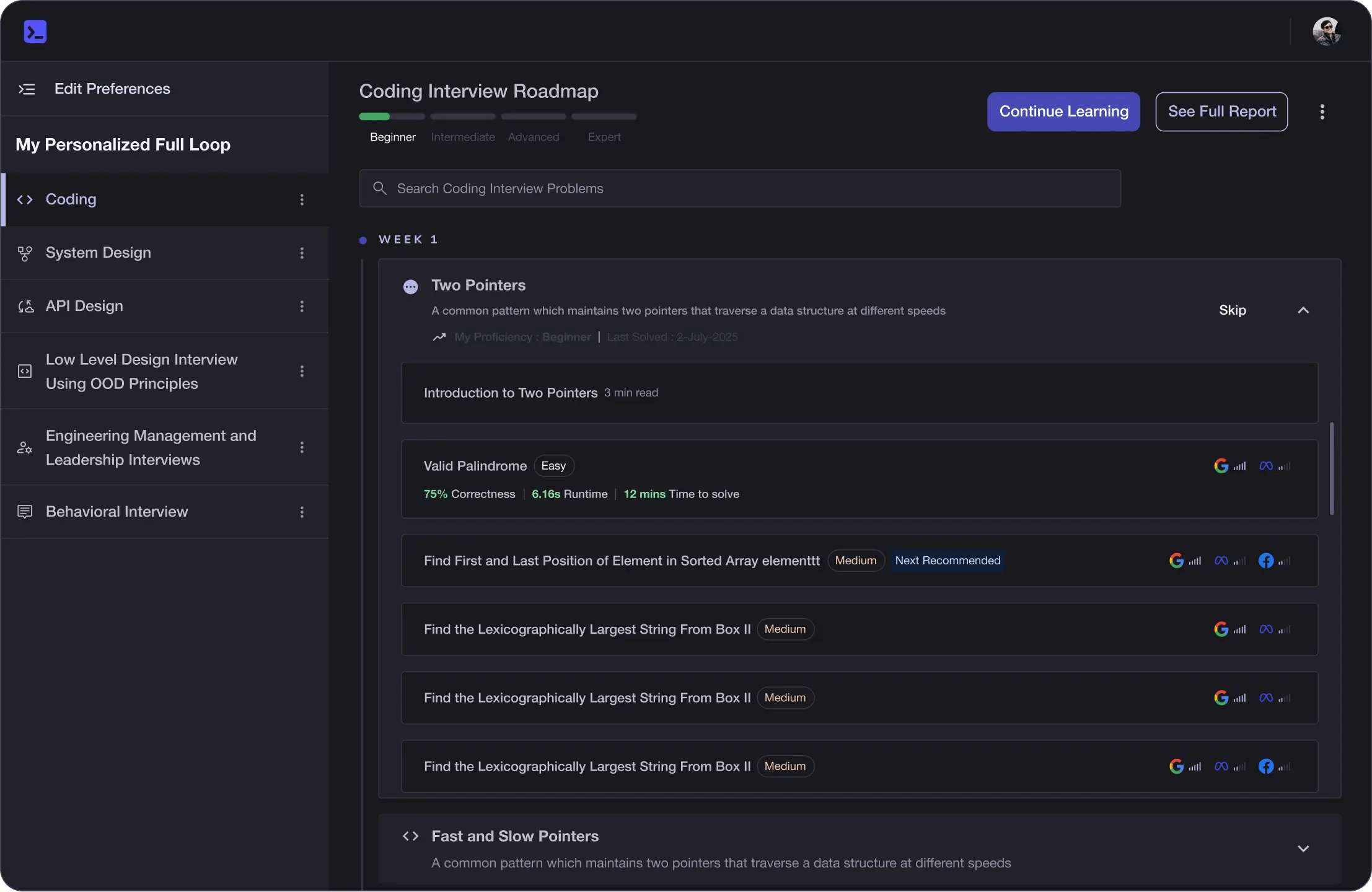
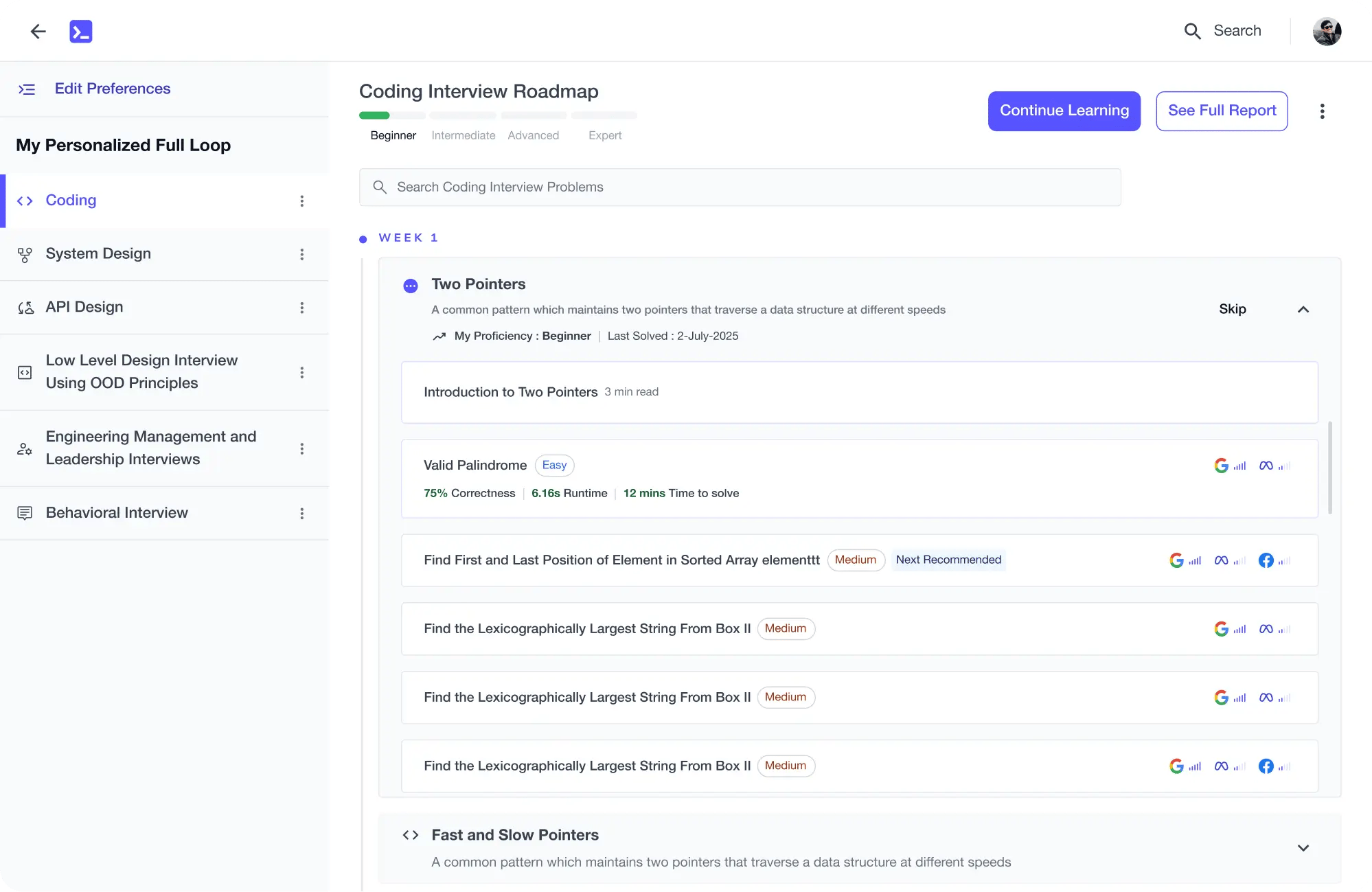
Personalized Roadmaps
The platform adapts to your strengths & skills gaps as you go
Future-proof Your Career
Get hands-on with in-demand skills
AI Code Mentor
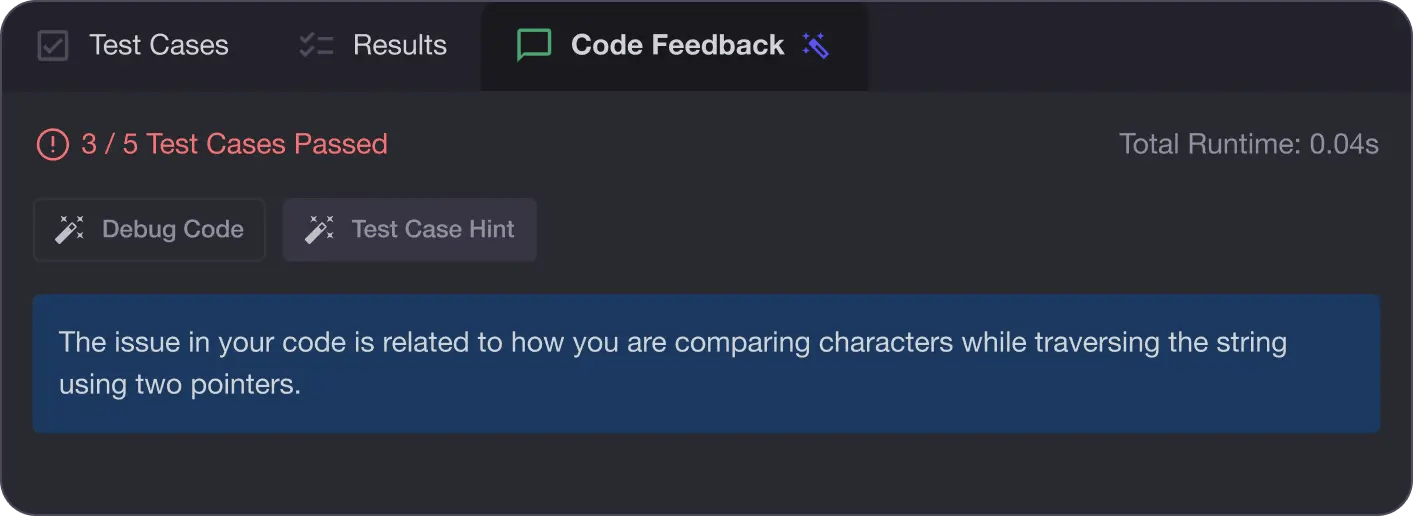
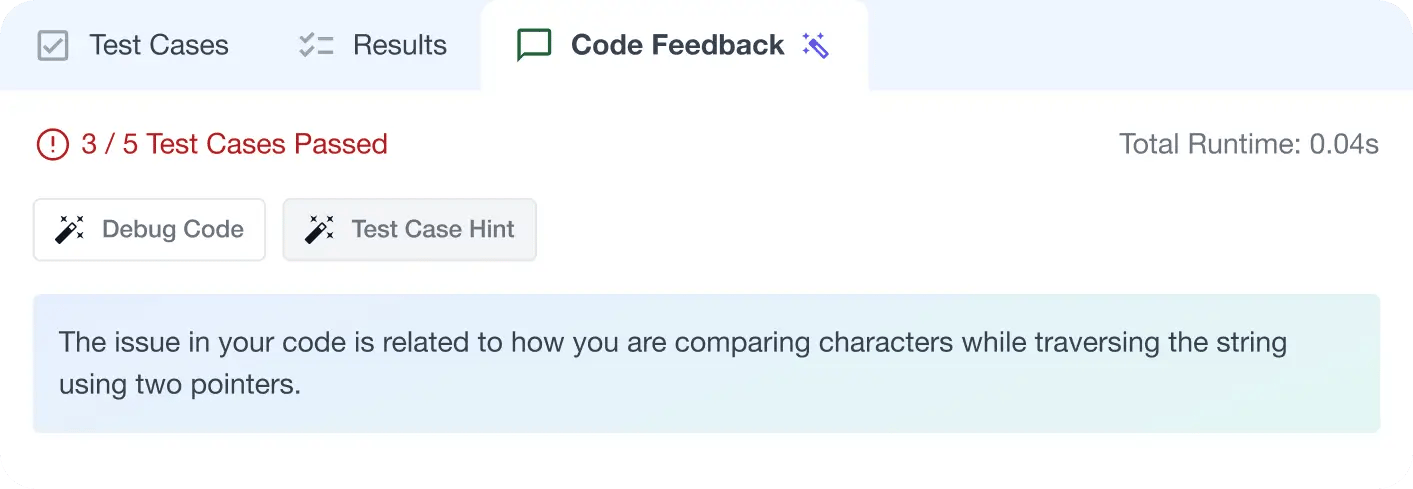
Write better code with AI feedback, smart debugging, and "Ask AI"
MAANG+ Interview Prep
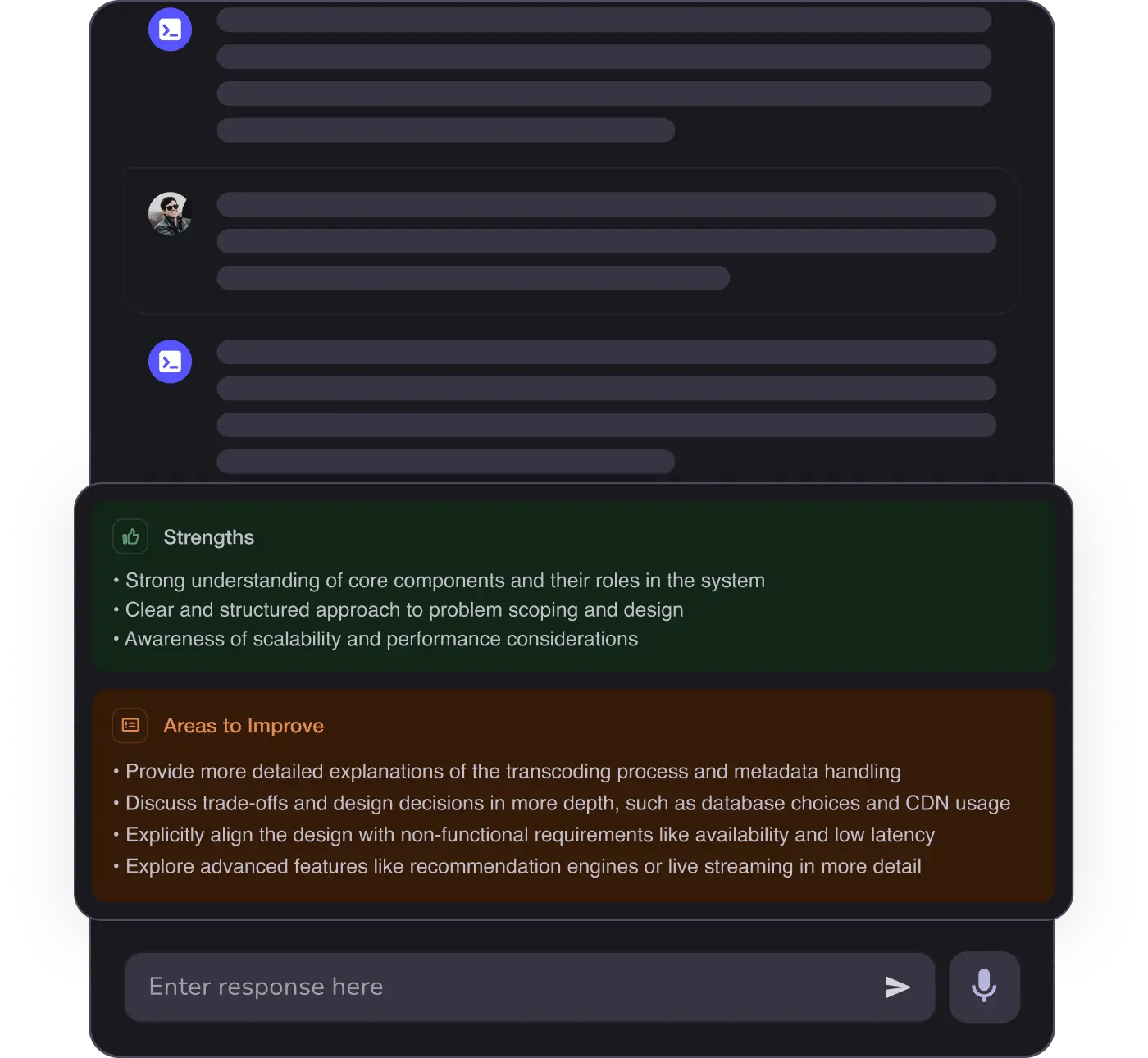
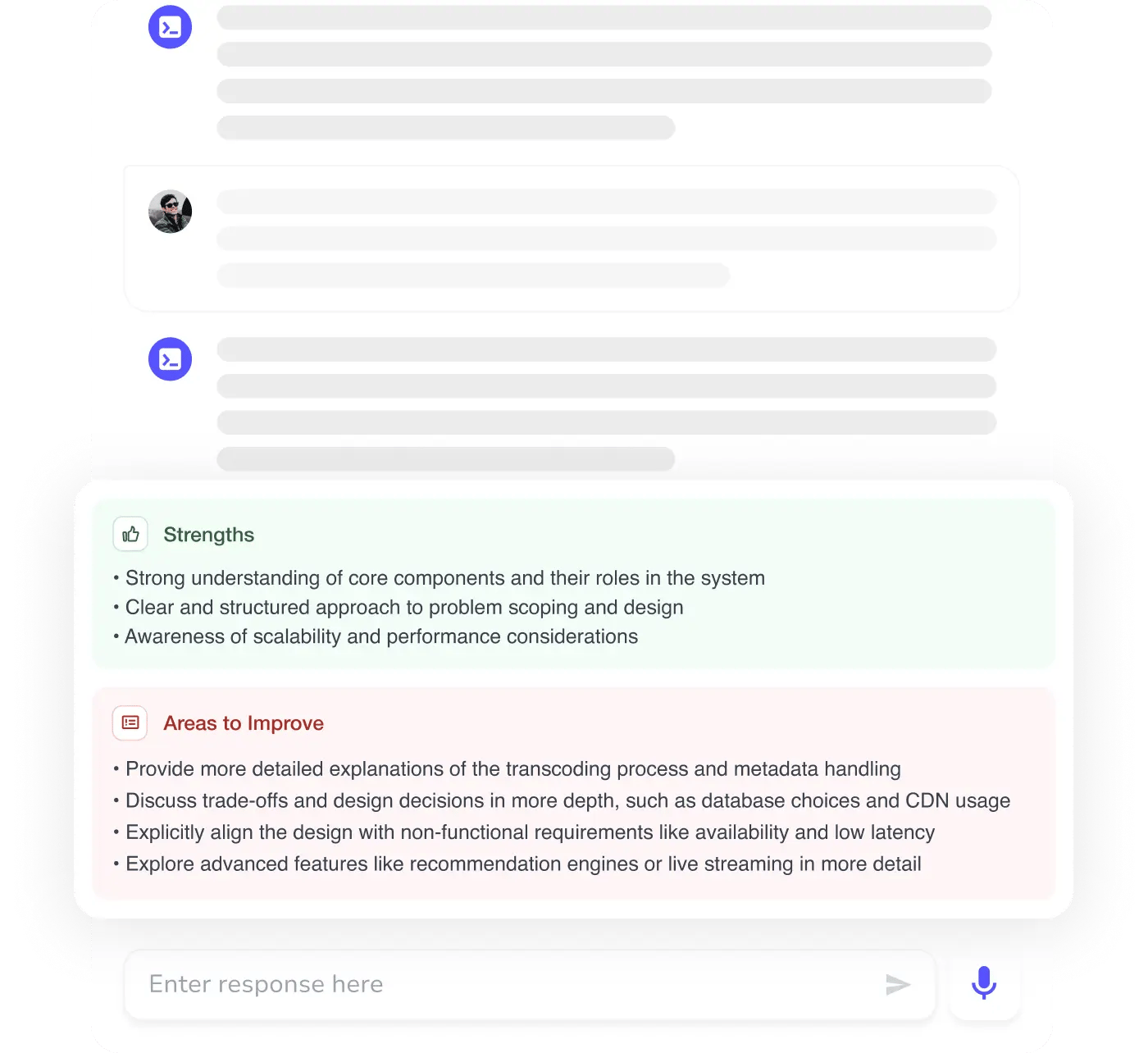
AI Mock Interviews simulate every technical loop at top companies
Free Resources
Frequently Asked Questions
What is responsible AI?
What is the difference between responsible AI and explainable AI?
What is fairness in AI?
What is explainable AI?
What is an ethical AI system?
