
Modern organizations generate enormous volumes of data every day, from application logs and customer interactions to financial transactions and machine learning signals. As companies attempt to convert this raw data into useful insights, the demand for engineers who can build reliable data infrastructure has grown rapidly.
Data engineering sits at the foundation of modern analytics. Before data scientists can build models or analysts can produce reports, someone must collect, organize, process, and store the data in a way that makes it accessible and reliable. Data engineers design the pipelines that move data across systems, manage large-scale storage platforms, and ensure that downstream teams can work with trustworthy datasets.
Because data infrastructure touches distributed systems, cloud computing, databases, and programming, the role blends several technical disciplines. Understanding the responsibilities, skills, and learning path involved can help aspiring engineers build a clear strategy for entering the field.

As organizations scale their use of data, the bottleneck is infrastructure. Data engineering has become the backbone of modern data systems, enabling reliable pipelines, scalable storage, and real-time processing. Yet many professionals struggle to learn data engineering beyond isolated tools. This course is designed to give you a systems-level understanding of data engineering, so you can build and reason about data platforms with confidence. I built this course from my experience working with data-intensive systems and teaching how complex architectures evolve under real-world constraints. A consistent pattern I observed was that learners could write queries or use frameworks, but lacked a clear mental model of how data flows through systems end-to-end. This course addresses that gap by focusing on how to learn data engineering as a cohesive discipline, not just a collection of technologies. You’ll start by understanding how data moves across systems and how to work with structured data using SQL and Python. From there, you’ll handle semi-structured and unstructured data with NoSQL systems like MongoDB. The course then moves into designing scalable architectures using data warehouses and lakehouses, followed by working with big data technologies such as Hadoop, Spark, and Kafka, all framed through practical system design patterns. If you want to learn data engineering in a way that prepares you to build reliable, scalable data systems, this course provides a clear and structured path forward.
What does a data engineer do?#
Data engineers focus on building and maintaining the systems that move, transform, and store data at scale. Their work enables organizations to turn raw data into structured datasets that support analytics, business intelligence, and machine learning.
One of the primary data engineering skills is designing and maintaining data pipelines. These pipelines collect data from different sources such as applications, APIs, sensors, or transactional databases, and transform it into formats suitable for analysis. Engineers must ensure that these pipelines operate reliably, handle large volumes of information, and recover gracefully from failures.

Another key responsibility is managing large-scale data infrastructure. This includes building systems that can store and process massive datasets efficiently. Data engineers often work with distributed computing frameworks that allow data to be processed across clusters of machines rather than a single server.
Designing data warehouses and data lakes is also an important part of the role. These systems store structured and semi-structured data so that analysts and business teams can run queries and generate reports. A well-designed warehouse improves performance, reduces redundancy, and ensures consistent definitions across the organization.
Data engineers also collaborate closely with data scientists and analysts. While data scientists focus on building predictive models and analysts interpret data trends, both groups depend on clean, well-structured datasets. Data engineers ensure that the underlying data systems provide reliable inputs for these teams.
This role differs significantly from other data-related positions. Data analysts primarily focus on interpreting data and generating reports, while data scientists build statistical models and machine learning algorithms. Data engineers, in contrast, focus on building the infrastructure that makes these activities possible.
Core skills required for data engineering#
To succeed in data engineering, professionals must combine programming, data management, and distributed systems knowledge. The following skills form the foundation of the field.
Programming (Python, SQL, sometimes Java or Scala): Programming allows data engineers to automate data processing workflows, build transformation pipelines, and integrate different data systems. Python is widely used for data manipulation and pipeline development, while SQL is essential for querying and managing relational data. In large-scale distributed systems, languages such as Java or Scala are often used with frameworks like Apache Spark.

Data engineering is currently one of the most in-demand fields in data and technology. It intersects software engineering, DataOps, data architecture, data management, and security. Data engineers, such as analysts and data scientists, lay the foundation to serve data for consumers. In this course, you will learn the foundation of data engineering, covering different parts of the entire data life cycle: data warehouse, ingestion, transformation, orchestration, etc. You will also gain hands-on experience building data pipelines using different techniques such as Python, Kafka, PySpark, Airflow, dbt, and more. By the end of this course, you will have a holistic understanding of data engineering and be able to build your data pipelines to serve data for various consumers.
Data modeling and database design: Data modeling focuses on structuring data so that it can be efficiently stored and queried. Data engineers must understand concepts such as normalization, denormalization, schema design, and indexing. Proper data modeling improves query performance, reduces redundancy, and ensures that analytical systems produce consistent results.
ETL and data pipeline development: Extract, transform, and load (ETL) processes form the backbone of data engineering. Engineers design workflows that extract data from source systems, transform it into usable formats, and load it into data warehouses or analytics platforms. Understanding ETL architecture helps engineers build scalable and reliable data pipelines.
Distributed data processing: Modern data platforms often process terabytes or petabytes of information. Distributed processing frameworks allow computations to run across multiple machines simultaneously. Data engineers must understand distributed computing principles such as parallel processing, partitioning, and fault tolerance.
Cloud data platforms: Most modern data infrastructure operates in the cloud. Platforms such as AWS, Azure, and Google Cloud provide managed services for data storage, pipeline orchestration, and large-scale analytics. Familiarity with these environments allows engineers to build scalable and cost-efficient systems.

Learn about the core AWS's services like compute, storage, networking services and how they work with other services like Identity, Mobile, Routing, and Security. This course provides you with a good grasp an all you need to know of AWS services. This course has been designed by three AWS Solution Certified Architects who have a combined industry experience of 17 years. We aim to provide you with just the right depth of knowledge you need to have.
Data warehouse technologies: Data warehouses are specialized systems designed for analytical queries. Engineers must understand how warehouses store structured data, optimize queries, and support business intelligence workloads. Knowledge of modern warehouse platforms helps teams build efficient analytics environments.
Tools and technologies used by data engineers#
Modern data engineering relies on a rich ecosystem of open-source and cloud-based tools that support large-scale data pipelines.
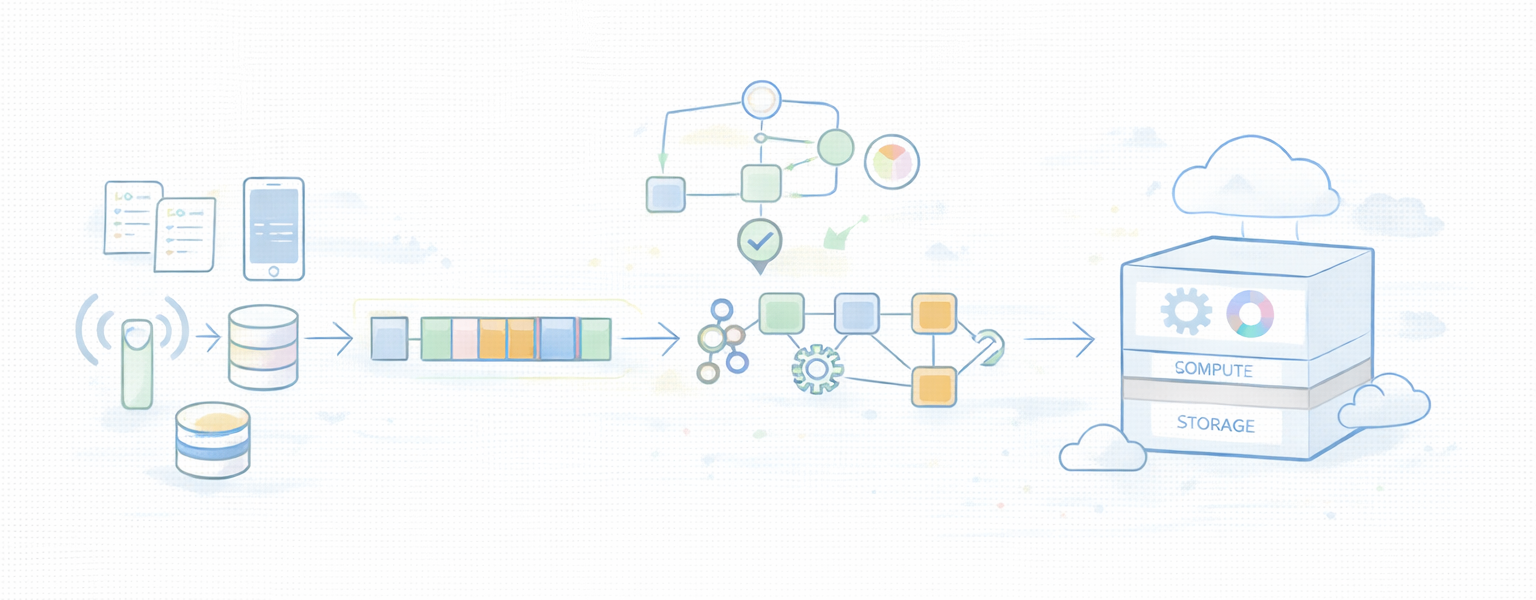
Apache Spark is one of the most widely used distributed processing frameworks. It allows engineers to perform large-scale data transformations across clusters of machines while maintaining high performance. Spark supports multiple programming languages, including Python and Scala, which makes it accessible for different engineering teams.
Apache Kafka is commonly used for real-time data streaming. Instead of processing data in batches, Kafka enables applications to publish and consume continuous streams of events. Data engineers use Kafka to build systems that process logs, user activity, or sensor data in real time.
Apache Airflow is a workflow orchestration platform that helps manage complex data pipelines. Engineers define pipelines as directed workflows, schedule tasks, and monitor pipeline health through Airflow's management interface.
Snowflake and BigQuery are modern cloud-based data warehouses that simplify large-scale analytics. These platforms separate compute from storage, allowing organizations to scale query performance independently from data storage capacity.
Cloud providers such as AWS and Azure offer numerous services designed specifically for data engineering workloads. These services support storage, data transformation, workflow orchestration, and large-scale analytics, allowing teams to build production-ready data platforms without managing infrastructure manually.
Together, these technologies enable organizations to create reliable, scalable data systems that support analytics and machine learning applications.
Career roadmap#
A structured career roadmap helps aspiring engineers gradually build the technical depth required for data engineering roles.
Stage | Skills to Learn | Typical Projects | Goal |
Beginner | Python, SQL, database fundamentals | Data cleaning scripts, SQL analytics queries | Understand data fundamentals |
Intermediate | ETL pipelines, data modeling, workflow tools | Build automated pipelines and analytics datasets | Build production-ready pipelines |
Advanced | Distributed systems, big data frameworks, cloud architecture | Large-scale pipelines and streaming systems | Design scalable data platforms |
At the beginner stage, aspiring engineers focus on programming fundamentals and database concepts. Learning Python and SQL allows newcomers to work with datasets, perform transformations, and explore how information flows through analytical systems.
During the intermediate stage, learners begin building complete pipelines that move data from source systems to analytical platforms. This phase involves understanding ETL workflows, designing schemas, and using orchestration tools to manage scheduled jobs.
The advanced stage emphasizes scalability and architecture. Engineers learn how distributed systems process massive datasets and how cloud platforms support large-scale analytics. At this stage, engineers can design robust data platforms rather than just individual pipelines.
Understanding this progression helps clarify the path for those wondering how can I start a career in data engineering while developing long-term expertise.
Step-by-step learning path#
A structured learning plan can help aspiring engineers build the required skills gradually and avoid feeling overwhelmed by the large ecosystem of tools.
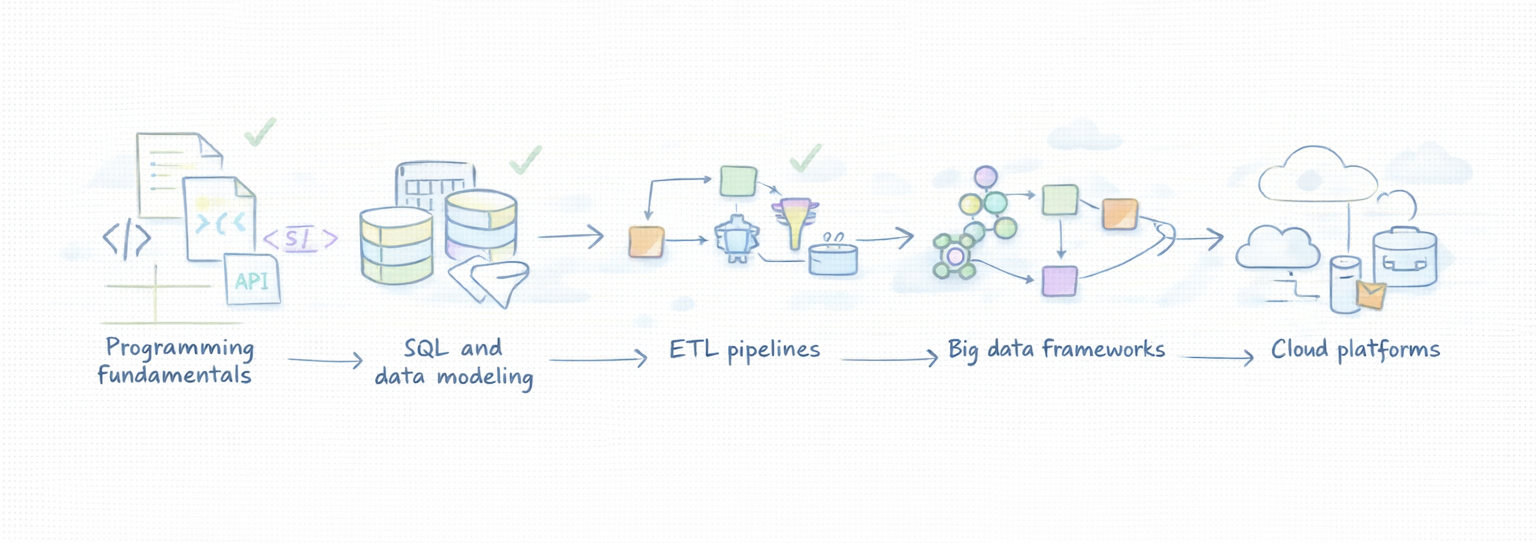
Learn programming fundamentals: Start with a programming language commonly used in data engineering, such as Python. Focus on writing clean, modular code, manipulating data structures, and interacting with files and APIs. Programming skills allow engineers to automate data processing tasks and build reusable pipeline components.
Master SQL and data modeling: SQL remains one of the most important tools in data engineering. Learning how to write complex queries, design schemas, and optimize database performance forms the foundation for working with analytical systems. Strong SQL skills also improve collaboration with analysts and data scientists.
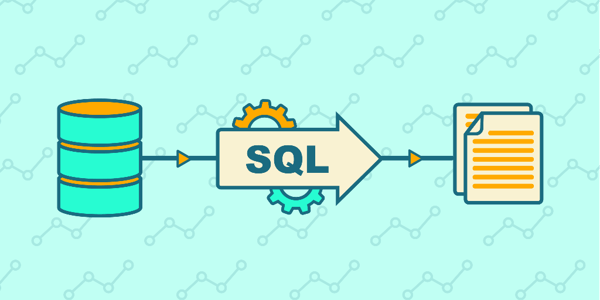
In this beginner-friendly course on SQL, you will dive into the world of structured query language, gradually mastering its core concepts. Through hands-on projects, you will navigate the essentials of SQL without overwhelming emphasis on programming intricacies. Starting with fundamental keywords like SELECT, FROM, and WHERE, you will build a solid foundation for crafting SQL queries. As you progress, you will gradually encounter additional keywords that complement these basics, such as DISTINCT, ORDER BY, GROUP BY, and aggregate functions, which play a pivotal role in refining your SQL skills. Toward the end of the course, you will also gain insights into creating tables and effectively managing the information stored within these tables.
Understand ETL pipelines: After gaining programming and database knowledge, focus on building data pipelines that extract data from multiple sources and transform it into usable formats. Learning ETL concepts helps engineers understand how data flows through modern analytics platforms.
Work with big data frameworks: As datasets grow larger, traditional processing approaches become inefficient. Learning distributed frameworks such as Apache Spark introduces engineers to parallel data processing and scalable analytics workflows.
Learn cloud data platforms: Cloud environments provide many of the services used in modern data infrastructure. Understanding how cloud storage, data warehouses, and pipeline orchestration tools work together prepares engineers for real-world production systems.
Following this progression provides a clear answer for professionals who ask how can I start a career in data engineering while building practical experience along the way.
Common mistakes beginners make#
Many beginners approach data engineering by immediately learning specific tools without understanding the underlying concepts. While tools such as Spark or Airflow are important, they are far easier to learn once programming fundamentals and data modeling principles are already established.
Another common mistake is underestimating the importance of SQL. Many aspiring engineers focus heavily on Python or distributed frameworks, yet most analytical workflows still depend heavily on well-designed SQL queries.
Some learners also skip system design concepts. Data engineering systems must scale reliably as data volumes grow, which means engineers must understand how distributed systems handle failures, parallel processing, and data partitioning.
Finally, beginners often overlook the importance of building real projects. Creating data pipelines that collect, process, and store real datasets helps learners understand how the entire ecosystem fits together. Projects demonstrate practical experience and make it easier to communicate technical ability during job interviews.
Do you need a computer science degree?#
A computer science degree can provide a helpful foundation in programming, algorithms, and distributed systems, but it is not strictly required for data engineering roles. Many successful engineers enter the field through self-study, online courses, or related technical roles such as data analysis or software development.
Is Python enough to start?#
Python is an excellent starting language because it supports data manipulation, scripting, and pipeline automation. However, SQL is equally important, and many data engineering tasks rely heavily on database queries and schema design.
How long does it take to become job ready?#
The timeline varies depending on prior experience and learning intensity. Someone with programming experience may transition into data engineering within several months of focused study, while beginners learning programming from scratch may take closer to one or two years.
Is data engineering harder than data science?#
The two roles emphasize different skill sets. Data engineering focuses on building scalable systems and data pipelines, while data science emphasizes statistical modeling and machine learning. Each role presents its own challenges, and the difficulty depends largely on an individual's background and interests.
Final words#
Data engineering has become one of the most important roles in modern technology organizations because it forms the foundation for analytics, artificial intelligence, and data-driven decision making. Engineers in this field design the pipelines, storage systems, and distributed platforms that allow companies to work with massive volumes of information.
For professionals asking how can I start a career in data engineering, the key is to follow a structured path that begins with programming and database fundamentals before moving into pipelines, distributed systems, and cloud data platforms. Building real projects and gradually increasing technical depth helps transform theoretical knowledge into practical expertise.
With consistent learning, hands-on experimentation, and a clear roadmap, aspiring engineers can develop the skills required to build scalable data infrastructure and contribute meaningfully to modern data-driven organizations.