Here are the steps you need to follow to learn Python: Start with basics: variables, data types, and operators. Practice simple exercises on coding platforms. Learn control structures (if-else, loops). Study functions and modules. Work on small projects to apply concepts.
AI-powered learning
Free
Save this course
Learn Python 3 - Free Interactive Course
This hands-on Python course helps absolute beginners write their first lines of code, build interactive programs, and understand core programming concepts through playful examples and real-life logic.
4.7
88 Lessons
10h
Updated 3 months ago
Join 3 million developers at
Join 3 million developers at
LEARNING OBJECTIVES
- Write and run your first Python program using the print() function and customize output with text and numbers.
- Perform basic arithmetic operations using Python operators, including addition, subtraction, multiplication, and division.
- Create and manage variables in Python to store and reuse data, including text, numbers, and boolean values.
- Define and call Python functions, using parameters and return values to create modular and reusable code.
- Build interactive programs using conditional statements, loops, and user input to automate decisions and processes.
- Utilize Python modules and libraries to enhance code functionality, including random, math, and datetime.
KEY OUTCOMES
Build Interactive Python Applications
Develop engaging applications like chatbots and calculators that respond to user input and automate tasks effectively.
Ace Python Coding Interviews
Demonstrate your Python skills in technical interviews by solving coding challenges and explaining your thought process clearly.
Implement Error Handling in Python
Write robust Python programs that gracefully handle user input errors and exceptions, ensuring smooth execution.
Create Real-World Python Projects
Build practical applications such as a personal habit tracker or a budget tracker, showcasing your ability to apply Python in real scenarios.
Why choose this course?
Let Python be your first programming language
Python powers AI, machine learning, data science, and web apps. With this course, you will learn to think like a developer from day one, as you code through interactive challenges that teach syntax and logic in the AI age.
Learn to Code through the Building Blocks of Python
Programming is the art of solving problems by arranging just a handful of building blocks. Python gives you a powerful set. You’ll learn how variables, loops, functions, and conditionals combine to form the backbone of any real program.
Coding and debugging with your personal AI Mentor
Each lesson includes hands-on practice: projects, bugs to fix, and AI to assist when you get stuck. You’ll learn to debug, test, and review your own code, as well as the code generated by AI, skills every real developer uses daily.
From “Hello World” to real-world ready
Build a portfolio by shipping mini-projects that you can demo—a personal expense tracker. You’ll build the habit of writing and testing code, so you have a working knowledge of Python as well as the ability to use it like a real dev.
Learning Roadmap
YOUR ROADMAP
1.
Talk to the Machine (Python Basics)
Talk to the Machine (Python Basics)
Explore programming through play, power, and purpose in this hands-on introduction.
“Hello!”: print() Function: Write Your First ProgramChallenge: Favorite QuotePython Arithmetic Operators: Add, Subtract, Multiply, DivideQuiz: Python OperatorsChallenge: Our Age in DaysPython Variables: Store and Use DataQuiz: VariablesChallenge: About YouPython String Concatenation: Combine Text and VariablesQuiz: Python StringChallenge: Write a Character IntroductionPython input() Function: Get User Input and Convert TypesQuiz: Python User InputChallenge: Birthday CalculatorWhat is the __str__ method in Python?
2.
Make It Think (Conditionals, Error Handling, Loops)
Make It Think (Conditionals, Error Handling, Loops)
Learn how to teach your computer to make choices and automate tasks.
Python if/elif/else Statements: Control Flow and ComparisonsQuiz: Conditional StatementsChallenge: Movie NightPython try/except: Handle Errors and ExceptionsQuiz: Python Error HandlingChallenge: Safe DivisionPython for Loops and while Loops: Repeat CodeQuiz: LoopsChallenge: Repeat YourselfChallenge: CountdownBreak the Loop (When You Must)Quiz: Break the LoopChallenge: Break the LoopChallenge: Skip Even NumbersPython ListsQuiz: ListsChallenge: Favorite Things
3.
Give It a Memory (Functions, Dictionaries, Files)
Give It a Memory (Functions, Dictionaries, Files)
16 Lessons
16 Lessons
Understand how to build more powerful, reusable structures.
4.
Unlock Superpowers (Projects & Modules)
Unlock Superpowers (Projects & Modules)
14 Lessons
14 Lessons
Learn to create useful, exciting real-world projects.
5.
Learning Python in the Age of AI
Learning Python in the Age of AI
6 Lessons
6 Lessons
Build your Python portfolio by creating a Budget Tracker, enhancing coding skills through AI collaboration.
Certificate of Completion
Showcase your accomplishment by sharing your certificate of completion.
Complete more lessons to unlock your certificate
Developed by MAANG Engineers
ABOUT THIS COURSE
Python has become the foundation for everything from data science and automation to modern AI workflows. Yet many beginners struggle to learn Python because they spend too much time watching and not enough time building. This course is designed for a different kind of learner, one who wants to learn Python by doing, not just observing, and to build skills that remain relevant in an AI-driven development landscape.
I built this course from my experience teaching and designing interactive learning systems at Educative. Across classrooms and platforms, I saw the same pattern: learners could follow tutorials, but struggled to apply concepts independently. The problem was the approach. This course is built on a simple principle: you learn Python best when you write, test, and refine code continuously.
You’ll start with core fundamentals, variables, control flow, functions, and data structures, through hands-on exercises that reinforce real understanding. As you progress, you’ll build practical projects like a chatbot and an expense tracker. The course also introduces how to learn Python alongside AI tools, including prompting, debugging, and validating generated code in real workflows.
If your goal is to learn Python in a way that prepares you to build real applications and work effectively with AI, this course gives you that foundation from day one.
ABOUT THE AUTHOR
Khayyam Hashmi
Computer scientist and Generative AI and Machine Learning specialist. VP of Technical Content @ educative.io.
Trusted by 3 million developers working at companies
M
Mahad Muaz
N
Nguyen Tran Hong Son
A
Anthony Walker
@_webarchitect_
Built for 10x Developers
No Passive Learning
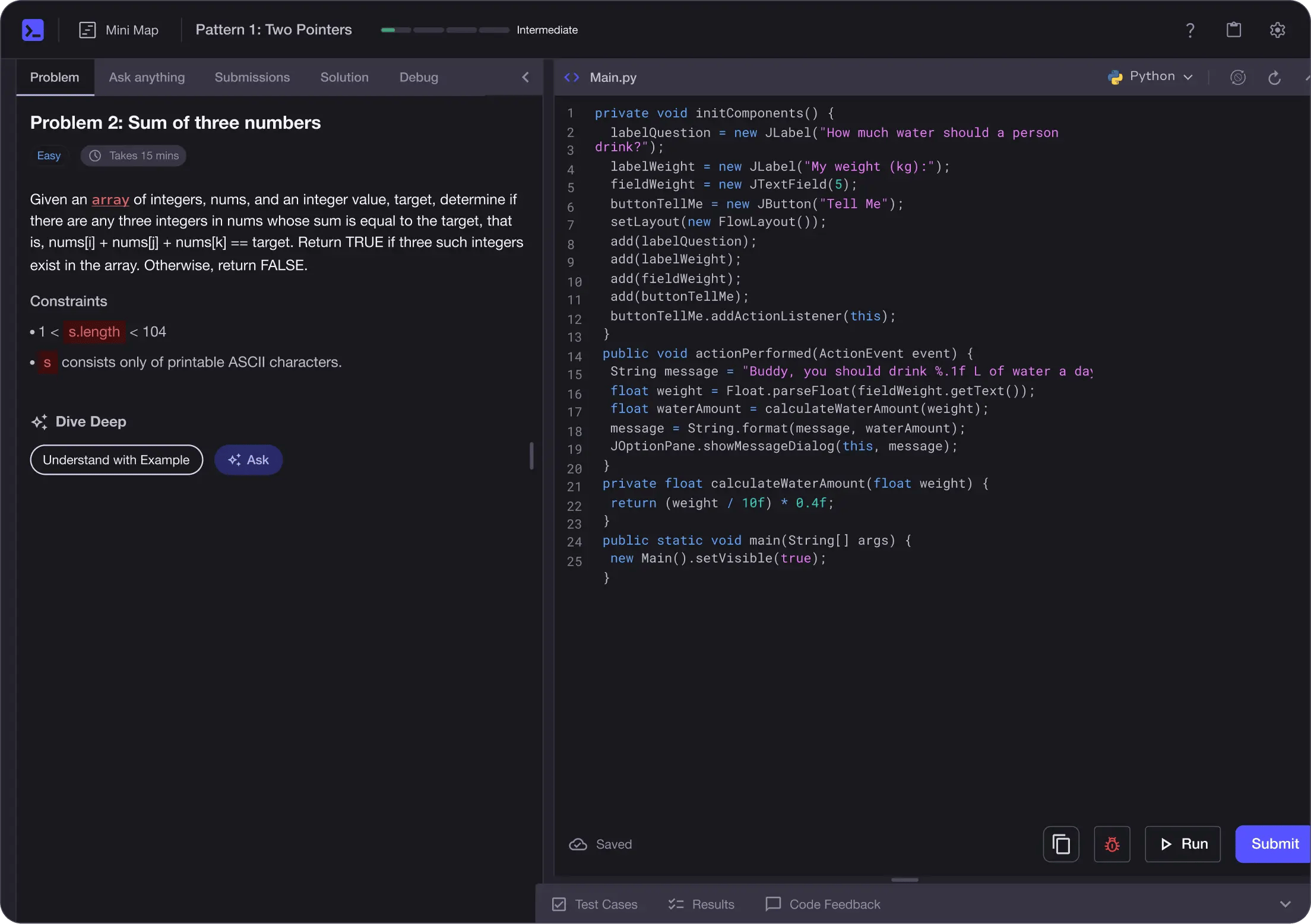
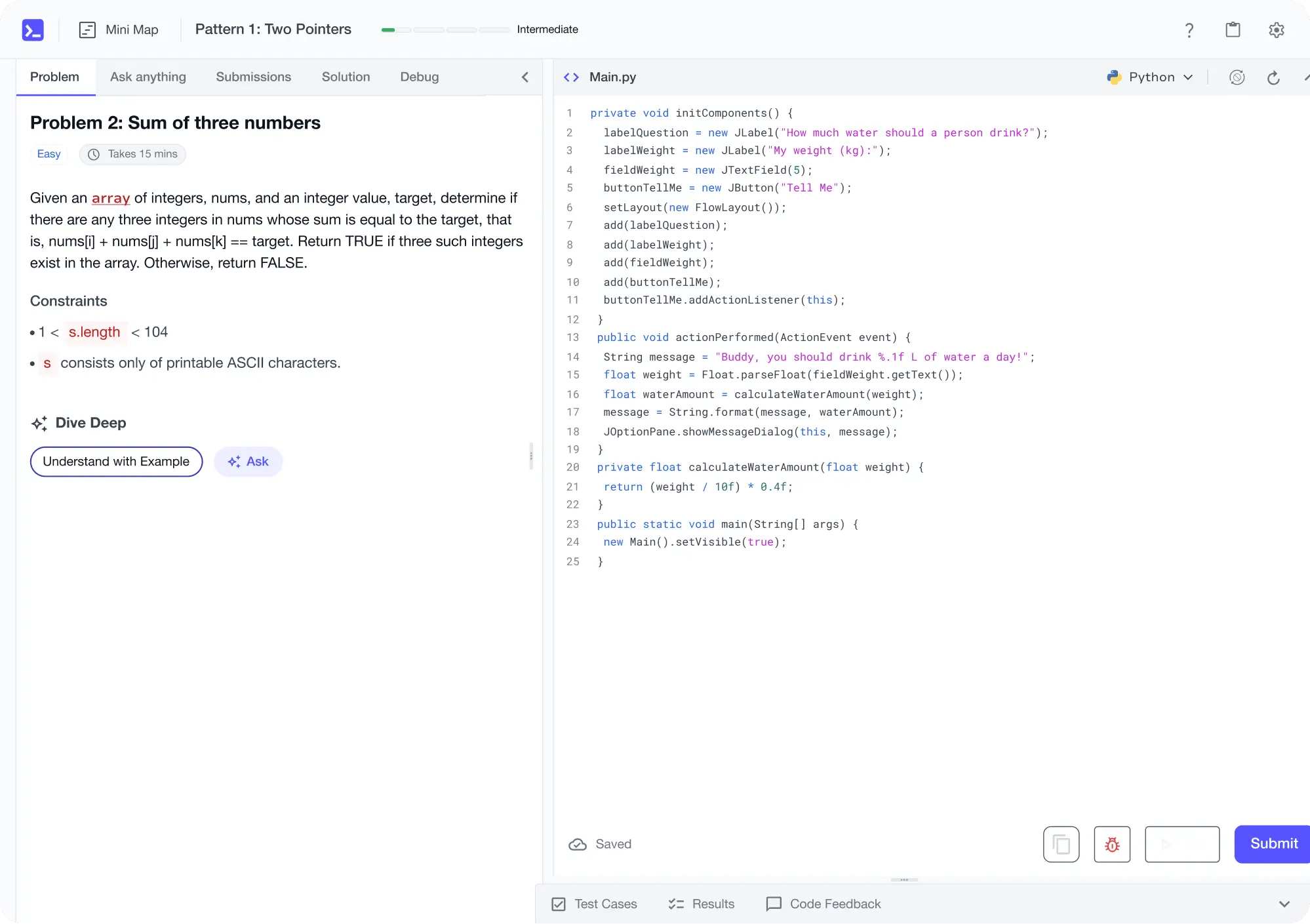
Learn by building with project-based lessons and in-browser code editor
Personalized Roadmaps
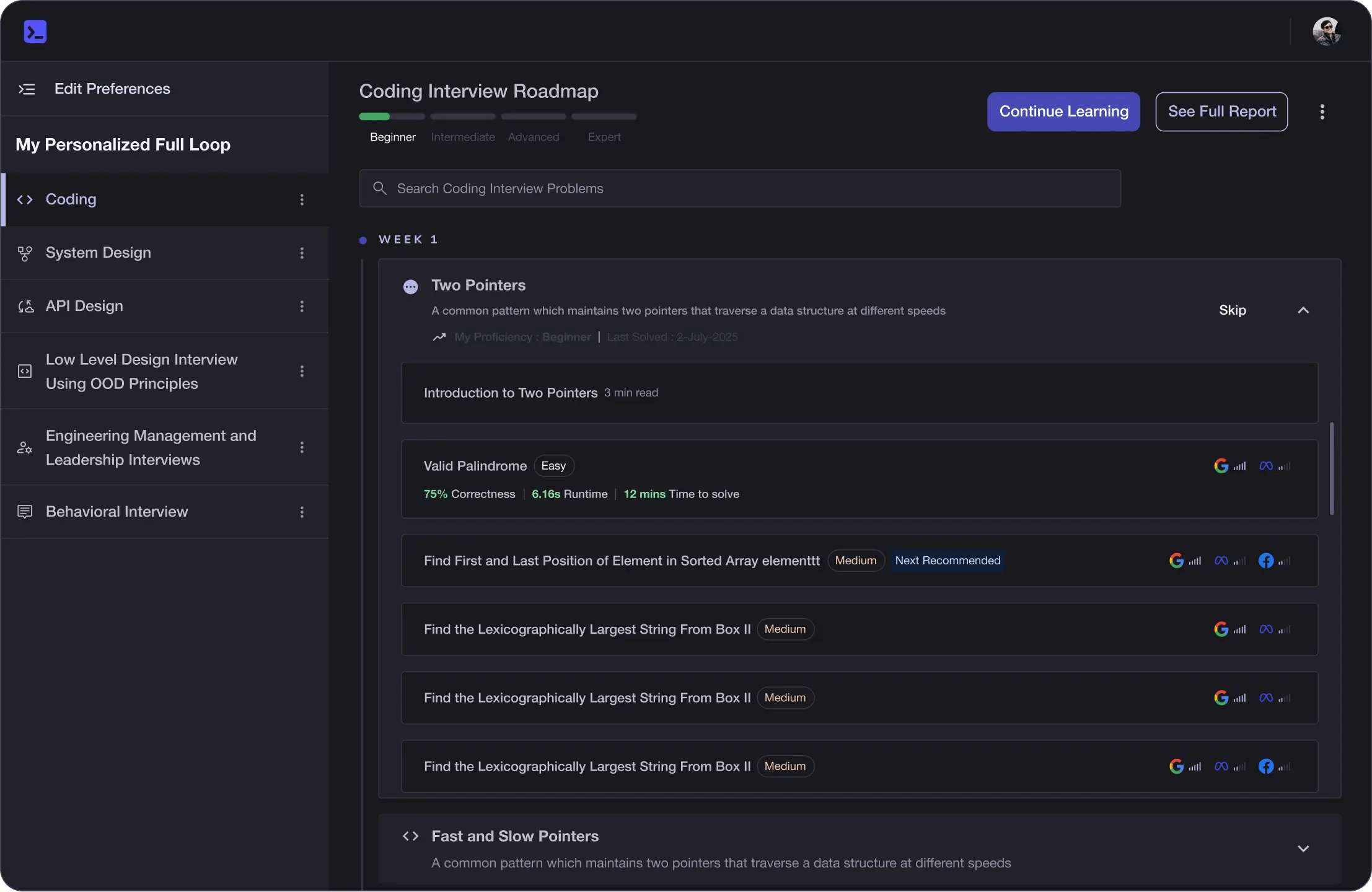
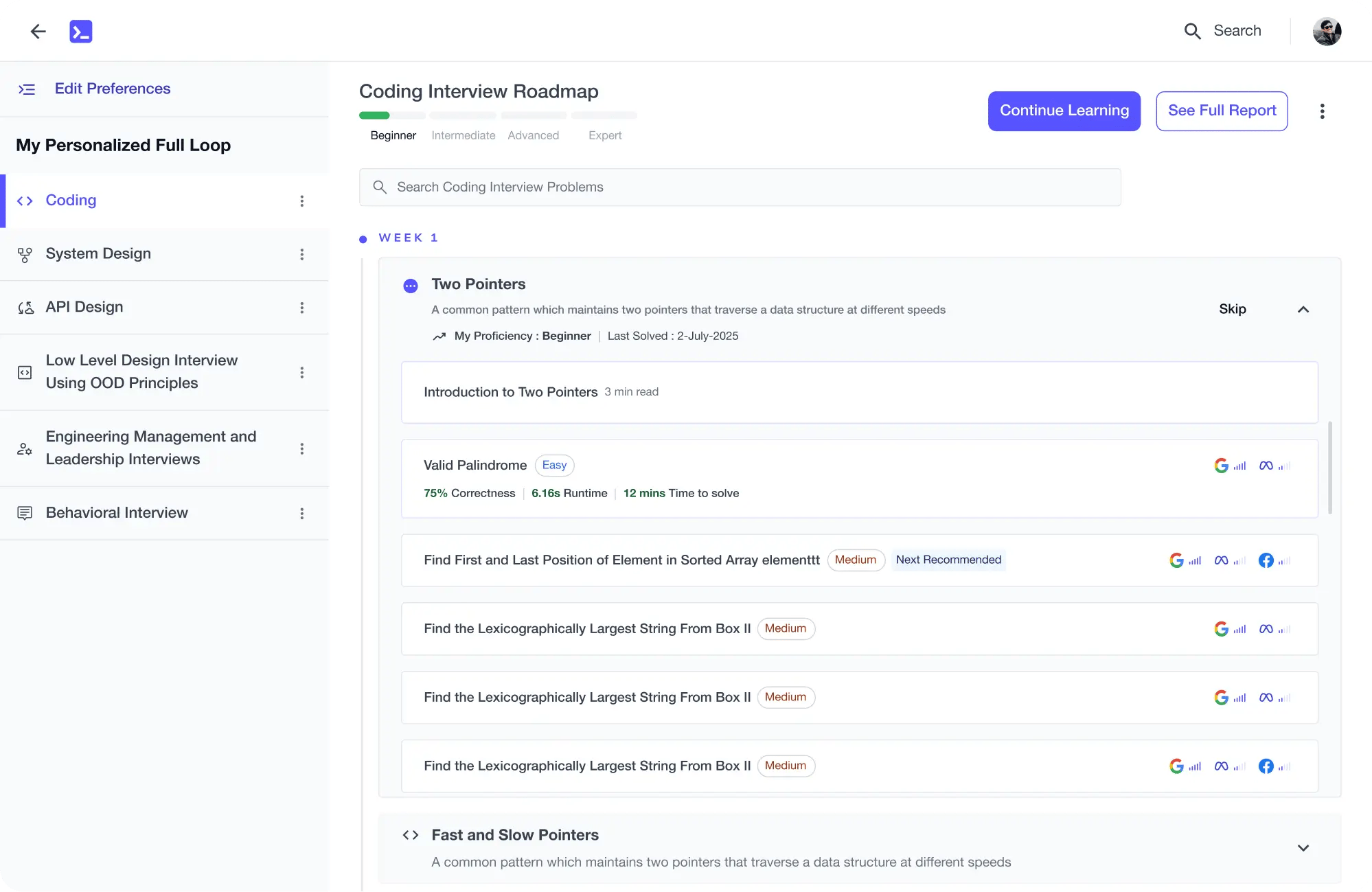
The platform adapts to your strengths & skills gaps as you go
Future-proof Your Career
Get hands-on with in-demand skills
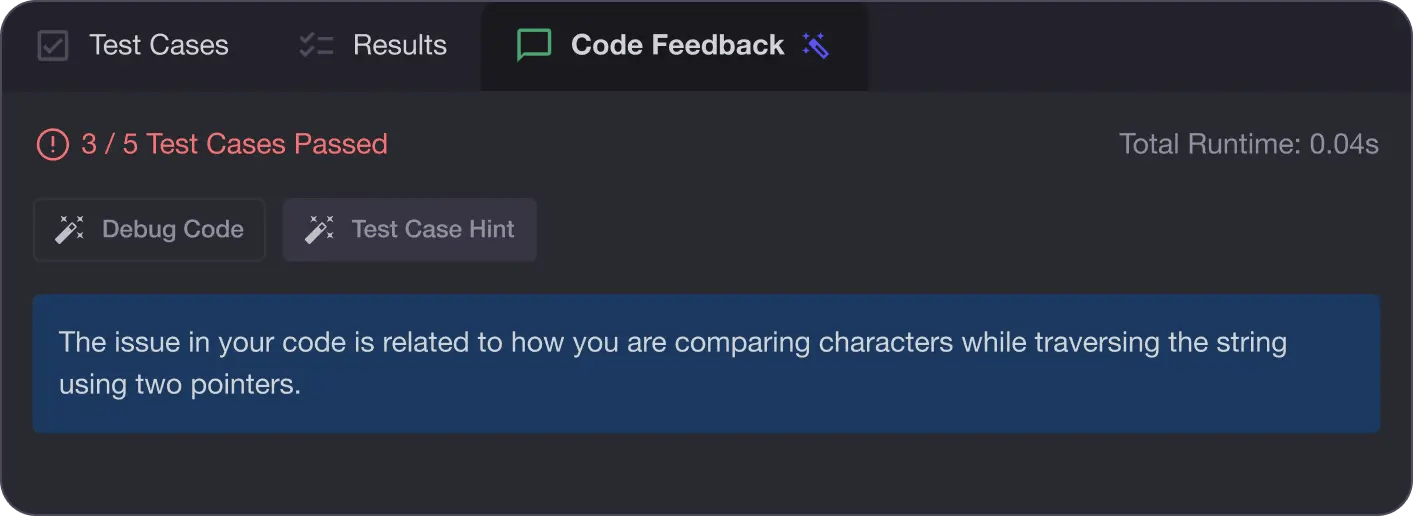
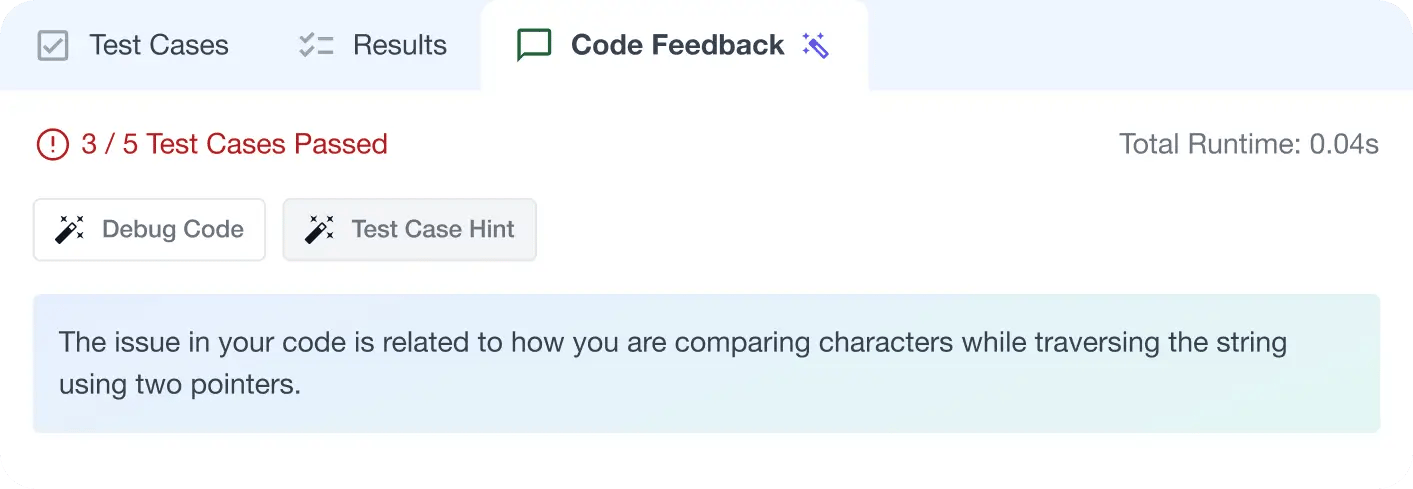
AI Code Mentor
Write better code with AI feedback, smart debugging, and "Ask AI"
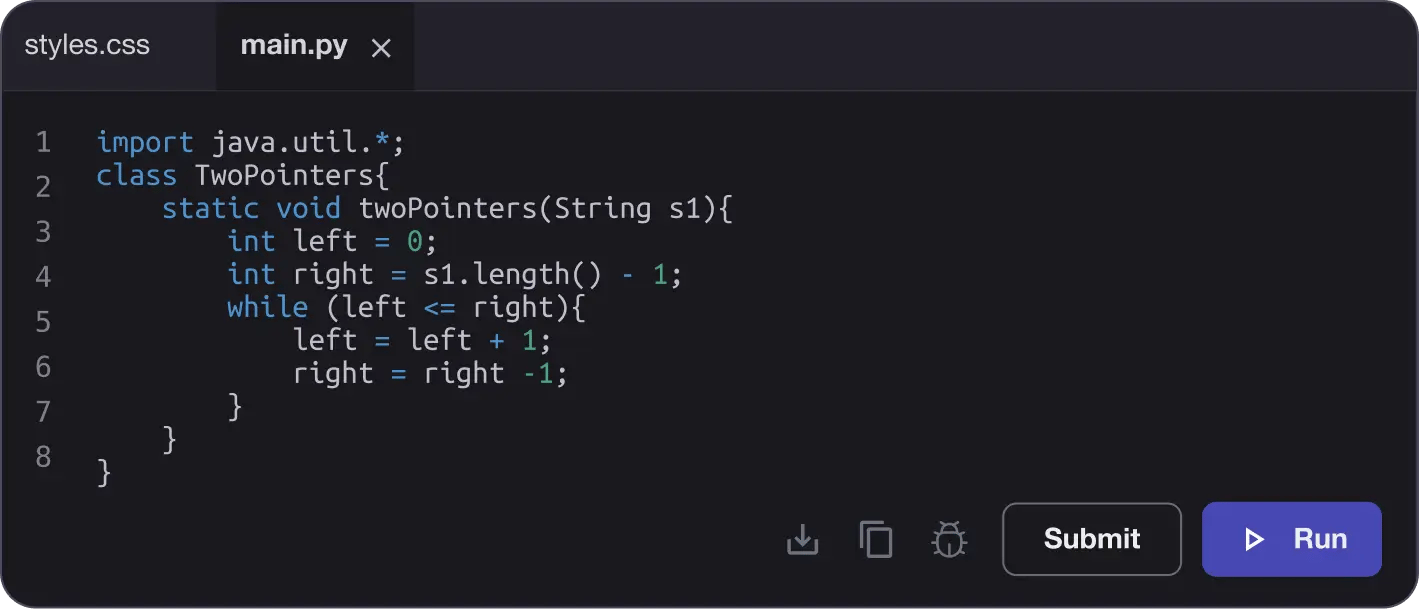
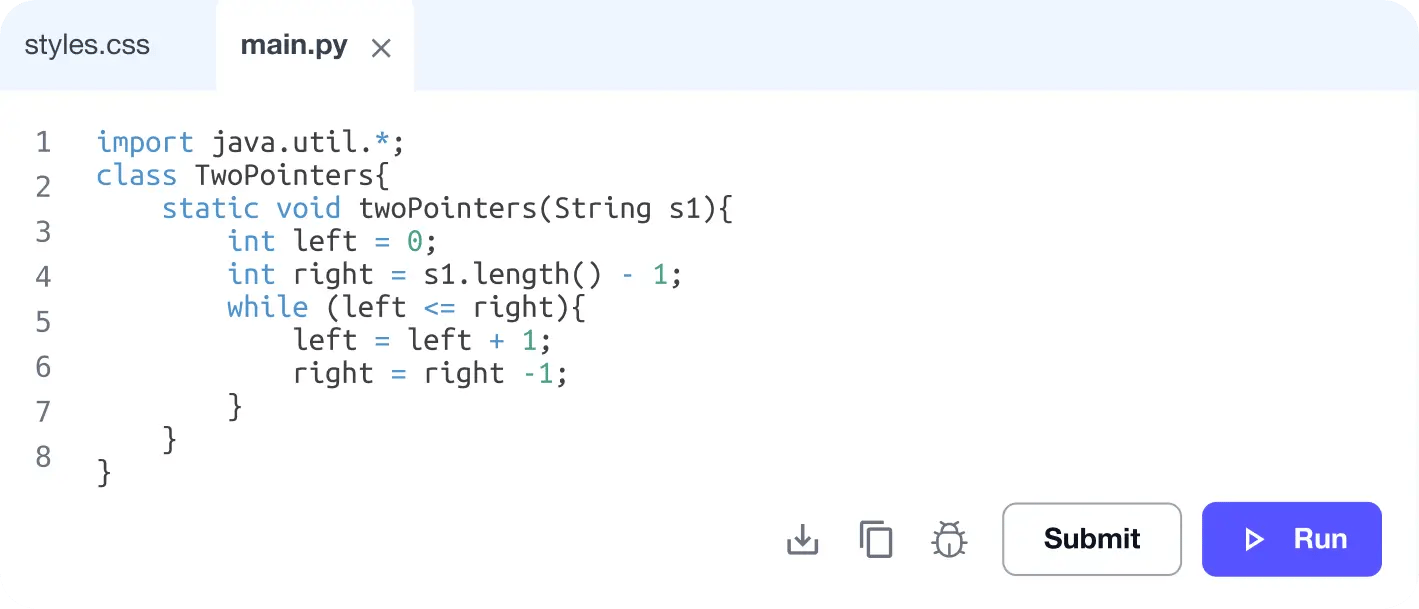
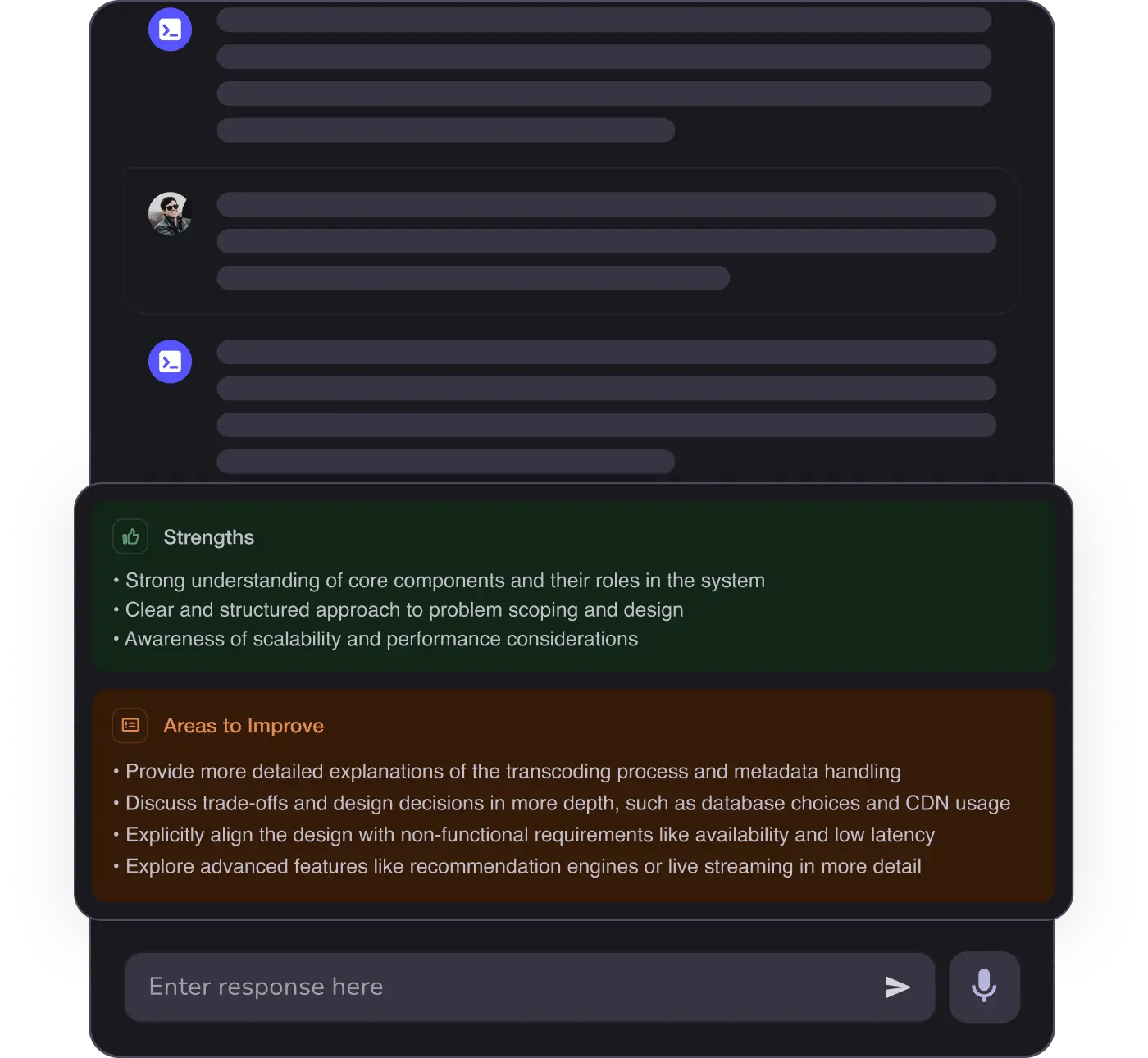
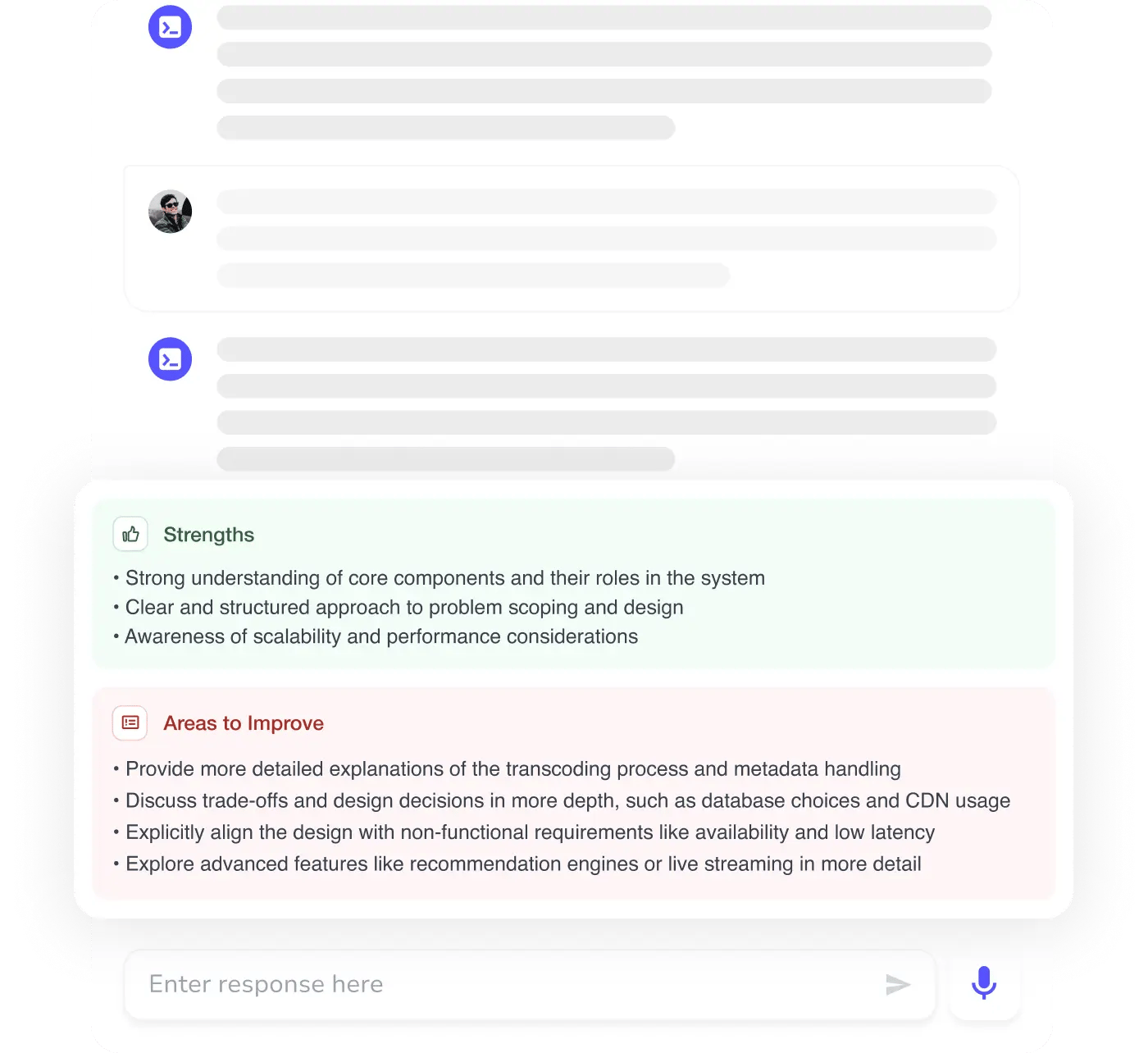
MAANG+ Interview Prep
AI Mock Interviews simulate every technical loop at top companies
Frequently Asked Questions
How to learn Python?
How long does it take to learn Python?
How can I learn Python?
Is Python easy to learn?
Is 2 weeks enough to learn Python?
Can I learn Python in 3 days?
How to learn the programming language Python.
